Author name: Prasanna

HBSE 10th Class English Solutions First Flight Poem 10 The Tale of Custard the Dragon

Haryana State Board┬аHBSE 10th Class English Solutions First Flight Poem 10 The Tale of Custard the Dragon Textbook Exercise Questions and Answers.

Haryana Board 10th Class English Solutions First Flight Poem 10 The Tale of Custard the Dragon

HBSE 10th Class English The Tale of Custard the Dragon Textbook Questions and Answers

Thinking about the Poem

1. Who are the characters in this poem? List them with their pet names.
Answer:
The characters in this poem are Belinda, a little black kitten, a little grey mouse, a little yellow dog, a little pet dragon and a pirate.
im

2. Why did Custard cry for a nice, safe cage? Why is the dragon called a тАЬcowardly dragonтАЭ?
Answer:
Custard cried for a nice, safe cage because it was a coward. It is called a тАШcowardly dragonтАЩ because everybody else in the house was brave. Belinda was as brave as a barrel full of bears. Ink and Blink are described as so brave that they could chase lions down the stairs and Mustard was as brave as a tiger in rage. Compared to them, Custard is a coward because it cried asking for a nice and safe cage.

3. тАЬBelinda tickled him, she tickled him unmerciful…тАЭ Why?
Answer:
Belinda tickled the dragon unmercifully because it was very scared and cried for a safe cage. They all laughed at it as it was a coward.

4. The poet has employed many poetic devices in the poem. For example: тАЬClashed his tail like iron in a dungeonтАЭ – the poetic device here is a simile. Can you, with your partner, list some more such poetic devices used in the poem?
Answer:
In the entire poem, the poet has made extensive use of similes. Apart from simile, another poetic device that has been used is repetition. For example, the repetitive use of the word TittleтАЩ in the first stanza to emphasise how everything from the house to Belinda to her pets were all little. Also, in the seventh stanza, the poet has made use of incorrect spelling as a poetic device to maintain the rhyme scheme of the poem. He has chosen to write тАШwindaтАЩ instead ofтАШwindowтАЩ as тАШwindaтАЩ rhymes with тАШBelindaтАЩ, whereas тАШwindowтАЩ does not. He has also used alliteration in the poem. For example, in the tenth stanza, тАШCustardтАЩ has тАШclashedтАЩ his tail with a тАШclatterтАЩ and a тАШclankтАЩ. Similarly, in stanza eleven, the pirate тАШgapedтАЩ at the dragon and тАШgulpedтАЩ some тАШgrogтАЩ.

HBSE 10th Class English Solutions First Flight Poem 10 The Tale of Custard the Dragon

5. Read stanza three again to know how the poet describes the appearance of the dragon.
Answer:
Do it yourself.

6. Can you find out the rhyme scheme of two or three stanzas of the poem?
Answer:
The rhyme scheme of each stanza of this poem is aabb.

7. Writers use words to give us a picture or image without actually saying what they mean. Can you trace some images used in the poem?
Answer:
Some such images used in the poem are тАШmouth like a fireplaceтАЩ, тАШchimney for a noseтАЩ, тАШbrave as a barrel full of bearsтАЩ, тАШbrave as a tiger in a rageтАЩ, тАШwent at the pirate like a robin at a wormтАЩ, etc.

8. Do you find The Tale of Custard the Dragon to be a serious or a light-hearted poem? Give reasons to support your answer.
Answer:
The Tale of Custard the Dragon is a light-hearted poem. It is almost a parody. The names of the pets of Belinda are all rhyming and funny. Belinda has been compared to a barrel full of bears. The kitten and mouse, both little, could chase lions down the stairs. The little yellow dog was as brave as a tiger, while the dragon was a coward and they all teased him. However, when the pirate came to their little house, all of them were engulfed in fear and had hid themselves. Ironically, the тАШcowardlyтАЩ dragon came to their rescue and jumped snorting like an engine. It clashed its tail and charged at the pirate like a robin at a worm and ate him up. Even as everybody became happy to see the bravery of the dragon, they again came back to glorify themselves that they could have been twice or thrice braver than the dragon. Finally, at the end of the poem, the situation again came back to the other pets being brave and the dragon being the coward.

9. This poem, in ballad form, tells a story. Have you come across any such modern song or lyric that tells a story? If you know one, tell it to the class. Collect such songs as a project.
Answer:
Do it yourself.

HBSE 10th Class English The Tale of Custard the Dragon Important Questions and Answers

I. Short Answer Type Questions (20-30 words & 2 marks each)

Question 1.
In which way did everyone react after Custard ate the pirate?
Answer:
Custard the dragon had killed the pirate. So, Belinda hugged him. Mustard licked him. This way they showed their affection. Ink and Blink danced merrily around Custard in happiness.

Question 2.
How was the appearance of the pirate? Discuss.
Ansswer:
The pirate was very horrifying. He carried pistols in both his hands. He stuck a dagger in his teeth. The pirate had black beard and one of his legs was of wood. All these things show that his appearance was dreadful.

HBSE 10th Class English Solutions First Flight Poem 10 The Tale of Custard the Dragon

Question 3.
Why was Custard the dragon called тАШpercivalтАЩ?
Ansswer:
Belinda considered Custard the dragon a coward. She always made mockery of the dragon. All the pets including Ink, Blink and Mustard also made sarcastic remarks on the timidity of Custard and lack of courage. That is why Custard the dragon was called тАШpercivalтАЩ.

Question 4.
Describe the appearance of the dragon.
Ansswer:
Custard, the dragon had a formidable appearance, with sharp teeth, toes like daggers, spikes on back and scales on the belly. Its mouth was a fireplace and the nose was always fuming like a chimney. However, in sharp contrast to the appearance its temperament was extremely timid.

II. Short Answer Type Questions (40-50 words & 3 marks each)

Question 1.
What message does the poet convey to the readers through this poem?
Ansswer:
The poet gives a very clear message to the readers. One should be energetic and physically fit. But it does not mean that outward appearances and physical strength make a person brave. One must be strong from within. One must have the strength of mind and self-confidence.
Although Custard the dragon had lot of physical strength even then he was bullied. He was retorted for his timidity and cowardly behaviour.

Question 2.
Do you find тАШThe Tale of Custard the DragonтАЩ to be a serious or a light-hearted comedy? Give reasons to support your answer.
Ansswer:
тАШThe Tale of Custard the DragonтАЩ is a humorous, light-hearted poem as the characters display behavioural attributes contrary to their appearance as well as nature. It is extremely funny to imagine a fierce looking dragon crying for a safe cage or mouse raging like a lion.

Question 3.
Is there any hidden message that the poet is wishing to convey or do you think that entertainment is the sole purpose of writing this poem?
Ansswer:
The interpretation of the message in the poem may vary for different readers. The situation narrated, underscores a basic truth that the real test of courage is seen during a crisis. The dragon though never put his strength on display, exhibited it in action when it was required to do so.

HBSE 10th Class English Solutions First Flight Poem 10 The Tale of Custard the Dragon

Question 4.
What do you think changed the attitude of the other animals and that of Belinda towards the dragon?
Ansswer:
Custard, the dragon initially commanded no amount of respect from Belinda and the other pets, on account of its cowardice; but when the house was attacked by an armed pirate, all others panicked and ran for shelter. Only the dragon savagely attacked the pirate and ate it up. Thus, the other animals realised his worth and came to respect him genuinely.

III. Long Answer Type Questions (100-120 words & 5 marks each)

Question 1.
Why was Custard the dragon called тАШcowardlyтАЩ? But he proved everyone wrong. How?
Answer:
Custard the dragon was physically strong. But each moment he cried for a nice safe case. It was his aspiration that the little house in which he lived with Belinda was not safe. He appeared to be a coward as he always cried for a safe cage. When the pirate entered the house of Belinda, everyone was terrified. The face of Belinda had become pale due to fear. Custard faced the pirate boldly and hit him hard. It led to the death of the pirate. Through these activities, we can say that he proved everyone wrong.

Question 2.
тАШBravery is spontaneousтАЩ. Explain it with reference to the poem.
Answer:
Custard was truly brave and did not boast like Belinda and her other pets. Custard had the courage to face real danger, whereas everyone only boasted of their bravery. Custard faced the pirate and killed him, and he proved it by not running away. Bravery and courage are the qualities, which are exhibited when someone actually faces a dangerous situation. Thus these qualities are spontaneous.

Question 3.
Belinda was as brave as a barrel full of bears.
And Ink and Blink chased lions down the stairs,
Mustard was as brave as a tiger in a rage,
But Custard cring keeps for a nice safe cage.
Discuss the humorous elements in the given passage.
Answer:
The extract from тАЬThe Tale of Custard the DragonтАЭ is humorous in vein. The poet gives a vivid description of Belinda and her pets. Belinda was very brave. She was as brave as a barrel full of bears. Ink and Blink also chased the lions down the stairs and showed their strength. Mustard showed his bravery like a tiger in anger. But Custard demanded for a nice safe cage to hide himself. This way Belinda and her pets like Mustard, Ink, Blink, etc., have been shown as courageous. The poet has presented all these things in a humorous vein. He also says that one must be strong from within so that one can have the strength of mind and self-confidence.

Reference To Context

Read the extracts given below and answer the questions that follow:

1. Belinda lived in a little white house,
With a little black kitten and a little grey mouse,
And a little yellow dog and a little red wagon,
And a realio, trulio, little pet dragon.

Paraphrase: Belinda lived in a little white house with her pets. A little black kitten, a grey mouse, a yellow dog, a red wagon, little pet dragon etc. were her pets.

Choose the correct option:

(a) For whom are the words тАШrealioтАЩ and тАШtrulioтАЩ used?
(i) Belinda
(ii) Dragon
(iii) Cat
(iv) Mouse
Answer:
(ii) Dragon

(b) With whom did Belinda live?
(i) A little brown kitten and a little white mouse
(ii) A little black kitten and a little grey mouse
(iii) A little white kitten and a little brown mouse
(iv) None of these
Answer:
(ii) A little black kitten and a little grey mouse

HBSE 10th Class English Solutions First Flight Poem 10 The Tale of Custard the Dragon

(c) Belinda lived in a little ___________—-.
(i) black house
(ii) brown house
(iii) red house
(iv) white house
Answer:
(iv) white house

(d) What was the colour of wagon?
(i) Green
(ii) Red
(iii) White
(iv) Blue
Answer:
(ii) Red

(e) Who were the pets of Belinda?
(i) Kitten
(ii) Mouse
(iii) Dog
(iv) All of these
Answer:
(iv) All of these

2. Now the name of the little black kitten was Ink,
And the little grey mouse, she called him Blink,
And the little yellow dog was sharp as Mustard,
But the dragon was a coward, and she called him Custard.

Paraphrase: The name of the little black kitten was Ink, little grey mouse was Blink, little yellow dog was Mustard and the name of the dragon was Custard, who was a coward.

Choose the correct option:

(a) Who was a coward?
(i) Ink
(ii) Belinda
(iii) Blink
(iv) Dragon
Answer:
(iv) Dragon

(b) What were the colours of dog and mouse respectively?
(i) Red and green
(ii) White and black
(iii) Yellow and grey
(iv) Yellow and brown
Answer:
(iii) Yellow and grey

(c) The little yellow dog was sharp as ___________-.
(i) Custard
(ii) Blink
(iii) Ink
(iv) Mustard
Answer:
(iv) Mustard

(d) What did Belinda call the dragon?
(i) Blink
(ii) Mustard
(iii) Custard
(iv) None of these
Answer:
(iii) Custard

HBSE 10th Class English Solutions First Flight Poem 10 The Tale of Custard the Dragon

(e) Who was Blink?
(i) A cat
(ii) A mouse
(iii) A dog
(iv) None of these
Answer:
(ii) A mouse

3. Custard the dragon had big sharp teeth,
And spikes on top of him and scales underneath,
Mouth like a fireplace, chimney for a nose,
And realio, trulio daggers on his toes.

Paraphrase: Custard the dragon had big sharp teeth. There were sharp spikes on top of him and scales were below him. The mouth of the dragon looked like a fireplace and nose like a chimney. There were daggers on his toes.

Choose the correct option:

(a) What was like a fireplace?
(i) CustardтАЩs toes
(ii) CustardтАЩs mouth
(iii) BlinkтАЩs mouth
(iv) InkтАЩs nose
Answer:
(ii) CustardтАЩs mouth

(b) Which of the following is not a characteristic of Custard?
(i) Scales
(ii) Spikes
(iii) Sharp teeth
(iv) Fair skin
Answer:
(iv) Fair skin

(c) Custard the dragon had big .
(i) sharp teeth
(ii) tail
(iii) mouth
(iv) body
Answer:
(i) sharp teeth

(d) How did the nose of dragon look like?
(i) Tree
(ii) River
(iii) Chimney
(iv) Mountain
Answer:
(iii) Chimney

(e) Who had sharp spikes on top of him?
(i) Ink
(ii) Custard
(iii) Blink
(iv) Mustard
Answer:
(iv) Mustard

4. Belinda was as brave as a barrel full of bears,
And Ink and Blink chased lions down the stairs,
Mustard was as brave as a tiger in a rage,
But Custard cried for a nice safe cage.

Paraphrase: Belinda was very brave like a barrel full of bears. Ink and Blink were so brave that they could chase lions down the stairs. Mustard was brave like a tiger in anger but Custard always wanted a cage to hide.

Choose the correct option:

(a) Who chased the lions down the stairs?
(i) Ink, Blink
(ii) Blink, Belinda
(iii) Belinda, Custard
(iv) Custard, Ink
Answer:
(i) Ink, Blink

(b) How brave was Mustard?
(i) As a cat
(ii) As a dog
(iii) As a tiger
(iv) As a mouse
Answer:
(iii) As a tiger

HBSE 10th Class English Solutions First Flight Poem 10 The Tale of Custard the Dragon

(c) Belinda was as brave as a barrel .
(i) full ofjuice
(ii) full of bears
(iii) both (i) and (ii)
(iv) none of these
Answer:
(ii) full of bears

(d) The bravery of Mustard has been compared with whom?
(i) Roar of lion
(ii) Chirping of birds
(iii) Anger of tiger
(iv) None of these
Answer:
(iii) Anger of tiger

(e) Who wanted a cage to hide?
(i) Custard
(ii) Mustard
(iii) Dragon
(iv) All of these
Answer:
(i) Custard

5. Belinda tickled him, she tickled him unmerciful,
Ink, Blink and Mustard, they rudely called him Percival,
They all sat laughing in the little red wagon
At the realio, trulio, cowardly dragon.

Paraphrase: Belinda tickled the dragon and she tickled him in an unmerciful way. Ink, Blink and Mustard called the dragon, тАШPercivalтАЩ. They all sat together laughing in the little red wagon.

Choose the correct option:

(a) By what name was Custard rudely called?
(i) Ink
(ii) Percival
(iii) Mustard
(iv) Trulio
Answer:
(ii) Percival

(b) Who is tickling whom?
(i) Belinda is tickling Ink.
(ii) Blink is tickling Ink.
(iii) Belinda is tickling Custard.
(iv) Ink is tickling Custard.
Answer:
(iii) Belinda is tickling Custard.

(c) Ink, Blink and Custard sat laughing in the .
(i) white car
(ii) red wagon
(iii) blue boat
(iv) all of these
Answer:
(ii) red wagon

(d) How did Belinda tickle the dragon?
(i) Merciful way
(ii) Unmerciful way
(iii) Embarrassing way
(iv) Naughty way
Answer:
(ii) Unmerciful way

HBSE 10th Class English Solutions First Flight Poem 10 The Tale of Custard the Dragon

(e) How is dragon?
(i) Coward
(ii) Innocent
(iii) Honest
(iv) Rude
Answer:
(i) Coward

6. Belinda giggled till she shook the house,
And Blink said Weeck! which is giggling for a mouse,
Ink and Mustard rudely asked his age,
When Custard cried for a nice safe cage.

Paraphrase: Belinda giggled very loudly till the entire house shook its foundation. Blink also giggled like a mouse. Ink and Mustard asked the age of Custard and made his mockery.

Choose the correct option:

(a) What did Blink say?
(i) Greek
(ii) Breek
(iii) Weeck
(iv) Dreek
Answer:
(iii) Weeck

(b) How had Belinda shaken the entire house?
(i) With her superpower
(ii) With her giggling
(iii) With her friends
(iv) With her talks
Answer:
(ii) With her giggling

(c) Ink and Mustard made fun of Custard by asking his
(i) name
(ii) home town
(iii) age
(iv) none of these
Answer:
(ii) home town

(d) What happened with the giggling of Belinda?
(i) The foundation of entire house shook,
(ii) All members went out of house.
(iii) Nothing happened.
(iv) Both (i) and (ii)
Answer:
(i) The foundation of entire house shook,

HBSE 10th Class English Solutions First Flight Poem 10 The Tale of Custard the Dragon

(e) Who also giggled like a mouse?
(i) Mustard
(ii) Ink
(iii) Blink
(iv) None of these
Answer:
(iii) Blink

7. Suddenly, suddenly they heard a nasty sound,
And Mustard growled, and they all looked around.
Meowch! cried Ink, and ooh! cried Belinda,
For there was a pirate, climbing in the winda.
Paraphrase: Suddenly, they heard a very nasty sound. Mustard growled in the way all looked him. Ink cried, тАШMeowch!, Belinda cried тАШoohтАЩ! They saw that a pirate was climbing through a window.

Choose the correct option:

(a) Who growled at the nasty sound?
(i) Ink
(ii) Custard
(iii) Mustard
(iv) Belinda
Answer:
(iii) Mustard

(b) How did Ink cry?
(i) Meowch!
(ii) Ooh!
(iii) Ouch!
(iv) None of these
Answer:
(i) Meowch!

(c) They all saw a ………………… climbing through the window.
(i) dog
(ii) pirate
(iii) monkey
(iv) None of these
Answer:
(ii) pirate

(d) How did Belinda cry?
(i) Meowch!
(ii) Ooh!
(iii) Ouch!
(iv) None of these
Answer:
(ii) Ooh!

(e) For which word is тАШWindaтАЩ used?
(i) Pirate
(ii) Window
(iii) Sound
(iv) None of these
Answer:
(ii) Window

8. Pistol in his left hand, pistol in his right,
And he held in his teeth a cutlass bright,
His beard was black, one leg was wood;
It was clear that the pirate meant no good.

Paraphrase: The pirate had pistols in both his hands. There was a dagger in his teeth. The beard of the pirate was black and one of his legs was of wood. It clearly indicated that the pirate entered their house with a bad intention.

Choose the correct option:

(a) Which weaponry did the pirate carry?
(i) Knife and sword
(ii) Knife and pistol
(iii) Gun and cannon
(iv) Sword and pistol
Answer:
(iv) Sword and pistol

HBSE 10th Class English Solutions First Flight Poem 10 The Tale of Custard the Dragon

(b) The pirate held the short sword in his
(i) hands
(ii) teeth
(iii) legs
(iv) feet
Answer:
(ii) teeth

(c) The beard of pirate was _______
(i) black
(ii) white
(iii) Both (i) and (ii)
(iv) none of these
Answer:
(i) black

(d) One of the legs of the pirate was of
(i) iron
(ii) wood
(iii) plastic
(iv) none of these
Answer:
(ii) wood

(e) How was the intention of the pirate?
(i) Bad
(ii) Good
(iii) Neither bad nor good
(iv) None of these
Answer:
(i) Bad

9. Belinda paled, and she cried Help ! Help !
But Mustard fled with terrified yelp,
Ink trickled down to the bottom of the household,
And little mouse Blink strategically mouseholed.

Paraphrase: Seeing the pirate, Belinda got frightened. She became pale and cried for help. Mustard also ran away crying. Ink hid under the bottom of the household and Blink hid under the hole.

Choose the correct option:

(a) Who trickled down to the bottom of the household?
(i) Ink
(ii) Blink
(iii) Belinda
(iv) Custard
Answer:
(i) Ink

(b) What did Belinda cry for?
(i) Benefit
(ii) Help
(iii) Blessings
(iv) Advantage
Answer:
(ii) Help

(c) Mustard fled with __________ yelp.
(i) loud
(ii) terrified
(iii) mild
(iv) none of these
Answer:
(ii) terrified

(d) How was the condition of Belinda after seeing the pirate?
(i) She fainted.
(ii) She laughed.
(iii) She got frightened.
(iv) None of these
Answer:
(iii) She got frightened.

(e) Where did Blink hid?
(i) Under the window
(ii) Under the hole
(iii) Under the bed
(iv) Nowhere
Answer:
(ii) Under the hole

HBSE 10th Class English Solutions First Flight Poem 10 The Tale of Custard the Dragon

10. But up jumped Custard, snorting like an engine,
Clashed his tail like irons in a dungeon,
With a clatter and a clank and a jangling squirm,
He went at the pirate like a robin at a worm.

Paraphrase: Mustard jumped and snorted like an engine. His tail clashed with the pirate like irons in the jail. With a clattering and clanking sound, he jumped upon the pirate like a robin jumped upon a worm.

Choose the correct option:

(a) Who is doing all the actions in the given stanza?
(i) Belinda
(ii) ink
(iii) Blink
(iv) Custard
Answer:
(iv) Custard

(b) How was Custard snorting?
(i) Like a horse
(ii) Like a lion
(iii) Like an engine
(iv) Like an ape
Answer:
(iii) Like an engine

(c) Custard went at the pirate like a ______________ at a worm.
(i) robin
(ii) housefly
(iii) butterfly
(iv) none of these
Answer:
(i) robin

(d) Who snorted like an engine?
(i) Mustard
(ii) Custard
(iii) Belinda
(iv) ink
Answer:
(ii) Custard

(e) Whose tail clashed with the pirate?
(i) Mustard
(ii) Ink
(iii) Blink
(iv) Custard
Answer:
(i) Mustard

11. The pirate gaped at BelindaтАЩs dragon,
And gulped some grog from his pocket flagon.
He fired two bullets but they didnтАЩt hit,
And Custard gobbled him every bit.

Paraphrase: The pirate watched intently at Custard, swallowed some wine taking out a small container from his pocket. The pirate fired two bullets but it did not hit Custard the dragon. Custard gobbled every bit of the pirate.

Choose the correct option:

(a) At whom did the pirate fire?
(i) Belinda
(ii) Ink
(iii) Blink
(iv) Custard
Answer:
(iv) Custard

HBSE 10th Class English Solutions First Flight Poem 10 The Tale of Custard the Dragon

(b) What drink was the pirate carrying?
(i) Lemonade
(ii) Soda water
(iii) Alcohol
(iv) Mint-tea
Answer:
(iii) Alcohol

(c) gaped at BelindaтАЩs dragon.
(i) Mustard
(ii) The pirate
(iii) Ink
(iv) Blink
Answer:
(ii) The pirate

(d) What did the pirate fire?
(i) One bullet
(ii) Two bullets
(iii) Three bullets
(iv) Four bullets
Answer:
(ii) Two bullets

(e) Who gobbled every bit of pirate?
(i) Mustard
(ii) Custard
(iii) Dragon
(iv) Ink
Answer:
(ii) Custard

12. Belinda embraced him, Mustard licked him,
No one mourned for his pirate victim.
Ink and Blink in glee did gyrate Around the dragon that ate the pirate.
Paraphrase: Belinda hugged Custard and Mustard licked him. No one wailed for the pirate victim who was dead. Ink and Blink danced merrily around the dragon.

Choose the correct option:

(a) Who embraced Custard?
(i) Belinda
(ii) Blink
(iii) Mustard
(iv) Ink
Answer:
(i) Belinda

(b) Who danced in happiness?
(i) Belinda and Mustard
(ii) Ink and Blink
(iii) Blink and Belinda
(iv) Mustard and Ink
Answer:
(ii) Ink and Blink

(c) Everyone _________ Custard because he killed the pirate.
(i) embraced
(ii) reprimanded
(iii) condemned
(iv) none of these
Answer:
(i) embraced

(d) Who wailed for the dragon?
(i) Custard
(ii) Mustard
(iii) Belinda
(iv) None of these
Answer:
(iv) None of these

(e) Who licked Custard?
(i) Mustard
(ii) Blink
(iii) Belinda
(iv) No one
Answer:
(i) Mustard

13. But presently up spoke little dog Mustard,
IтАЩd have been twice as brave if I hadnтАЩt been flustered.
And up spoke Ink and up spoke Blink,
WeтАЩd have been three times as brave, we think,
And Custard said, I quite agree
That everybody is braver than me.

Paraphrase: The little dog Mustard started speaking. He told had he not flustered, he would have been twice as brave as he was. According to Ink and Blink, they would have been thrice time as brave as they had been. In their response, Custard told that all are braver than him.

Choose the correct option:

(a) Who claimed that they had been three times as brave as Custard?
(i) Ink and Blink
(ii) Blink alone
(iii) Belinda
(iv) Mustard
Answer:
(i) Ink and Blink

(b) How was Custard?
(i) Hateful
(ii) Jealous
(iii) Unkind
(iv) Humble
Answer:
(iv) Humble

HBSE 10th Class English Solutions First Flight Poem 10 The Tale of Custard the Dragon

(c) __________ had not flustered.
(i) Blink
(ii) Mustard
(iii) Belinda
(iv) Ink
Answer:
(ii) Mustard

(d) Who considered themselves braver three times more?
(i) Ink and Blink
(ii) Custard and Mustard
(iii) Belinda and Mustard
(iv) None of these
Answer:
(i) Ink and Blink

(e) Who accepted that everybody is braver than him?
(i) Mustard
(ii) Blink
(iii) Custard
(iv) Belinda
Answer:
(iii) Custard

14. Belinda still lives in her little white house,
With her little black kitten and her little grey mouse,
And her little yellow dog and her little red wagon,
And her realio, trulio little pet dragon.

Paraphrase: But Belinda still lives in her little white house along with her little black kitten, grey mouse, little yellow dog and red wagon. Her pet dragon realio, trulio are also with her.

15. Belinda is as brave as a barrel full of bears,
And Ink and Blink chase lions down the stairs,
Mustard is as brave as a tiger in a rage,
But Custard keeps crying for a nice safe cage.

Paraphrase: Now, Belinda is as brave as a barrel full of bears. Ink arid Blink chase lions down the stairs. Mustard is much brave like a tiger in a rage. But, Custard the dragon is crying for a nice safe cage.

The Tale of Custard the Dragon Summary

The Tale of Custard the Dragon Introduction

About the Poet

  • Frederic Ogden Nash (August 19, 1902 – May 19, 1971) was an American poet well known for his light verse. He wrote more than 500 pieces of verse. With his unconventional rhyming schemes, he was declared the countryтАЩs best-known producer of humorous poetry.
  • Nash died at BaltimoreтАЩs Johns Hopkins Hospital on May 19, 1971. He was buried in East Side Cemetery in North Hampton, New Hampshire.
  • ┬аAt the time of his death in 1971, The New York Times said his тАЬdroll verse with its unconventional rhymes made him the countryтАЩs best- known producer ofhumorous poetry.тАЭ
  • A biography of Ogden Nash: The Life and Work of Americas Laureate of Light Verse, was written by Douglas M. Parker, published in 2005 and in paperback in 2007. The book was written with the cooperation of the Nash family, and quotes extensively from NashтАЩs personal correspondence as well as his poetry.

Central Idea of the Poem

тАШThe Tale of Custard the DragonтАЩ is a humorous poem. It gives a detailed description of a little girl Belinda and her pets. She lives with her pets like a kitten, a mouse, a dog and a dragon. All the dwellers of the house except Custard,pride themselves on their fearlessness. They mock poor Custard for his timidity. The mouse and the kitten are so brave that they can even chase lions. Custard the dragon is such a coward that it always wants to live under the cage to protect itself. However,when the real danger comes, all other run away in panic except Custard. The pirate who comes to BelindaтАЩs house is killed by the dragon with his heroic act. The bravery of Belinda and rest of her pets fails. They all shout for help and it is Custard who rescues them from the pirate.

The Tale of Custard the Dragon Summary

HBSE 10th Class English Solutions First Flight Poem 10 The Tale of Custard the Dragon

This is a story of a girl Belinda, who has some strange pets. They have queer names. She calls the black kitten Ink, the little grey mouse Blink, the yellow dog Mustard and the cowardly dragon Custard. Belinda, the kitten, the mouse and the dog are very brave but the dragon is timid. One day, a pirate, armed with a pistol, enters their house. Except the dragon Custard, all the others become afraid of the pirate. Custard attacks the pirate and gobbles him up. Belinda then embraces him while Mustard licks him. Even after this brave incident, Custard does not give up his cowardly ways. He still keeps on crying for a safe cage.

Poem at a Glance

  • Belinda lived in a little white house with her pets.
  • Blank kitten, Ink, grey mouse, Blink, yellow dog, Mustard and a dragon named Custard were her pets.
  • All the pets were sharp and brave except Custard. Custard was a coward who always cried for a nice safe cage.
  • Custard had a big sharp teeth with spikes on the top and scales below him.
  • Belinda and Mustard always made mockery of timidity of Custard and called him тАШPercivalтАЩ.
  • Belinda and Blink giggled loudly. Custard was insulted by asking his name.
  • All of a sudden, they saw a pirate climbing up through the window.
  • The pirate had pistols in both his hands and a dagger in his mouth.
  • Seeing the pirate, Belinda got frightened and cried for help. She also became pale in fear.
  • Mustard ran away in terror and cried. Ink reached in the household and Blink reached in the mousehole.
  • Custard snorted like an engine and struck his tails like irons in a prison.
  • The pirate gaped at BelindaтАЩs dragon and gulped down some wine. He even fired two bullets but they did not hit.
  • Belinda hugged Custard, Mustard licked him, Ink and Blink danced around him in glee.
  • On the bravery of Mustard, Ink and Blink, Custard agreed that everybody was braver than him.
  • Belinda still lives in her white house alongwith little black kitten, grey mouse, yellow dog, red wagon and realio, trulio, her little pet dragon.
  • Belinda is very brave like a barrel full of bears. Ink and Blink, Mustard are also brave but Custard cries for a nice safe cage.

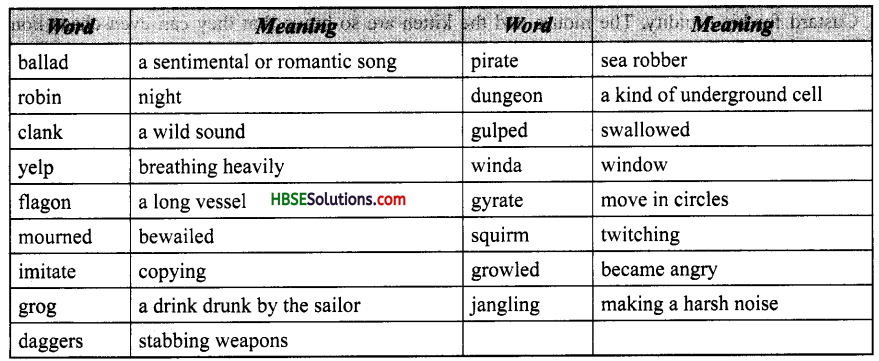
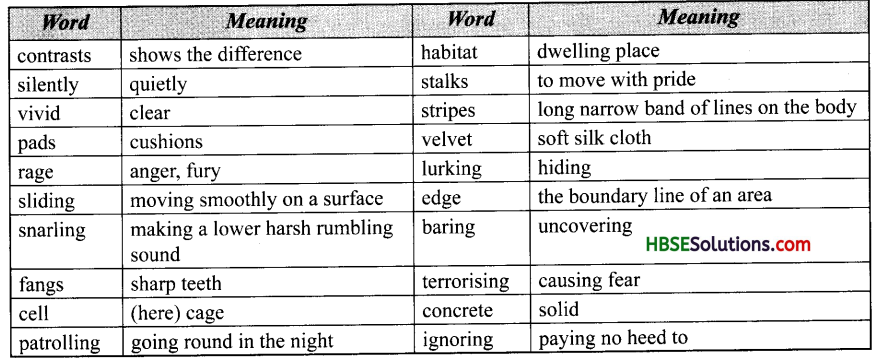
The Tale of Custard the Dragon Word-Meanings

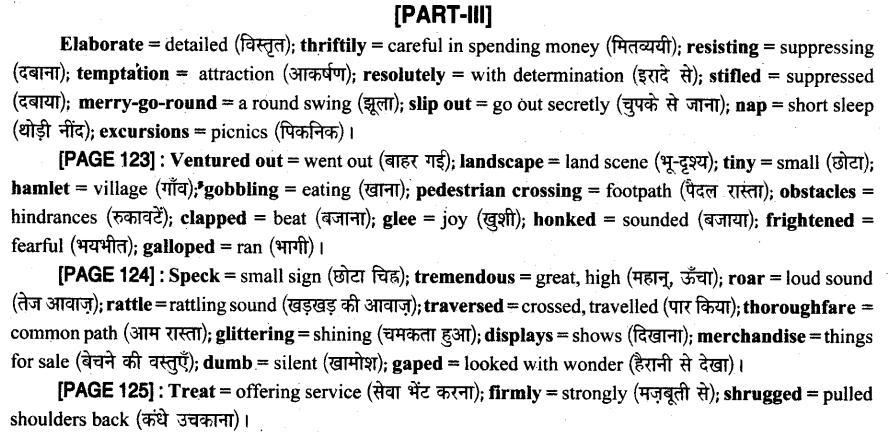
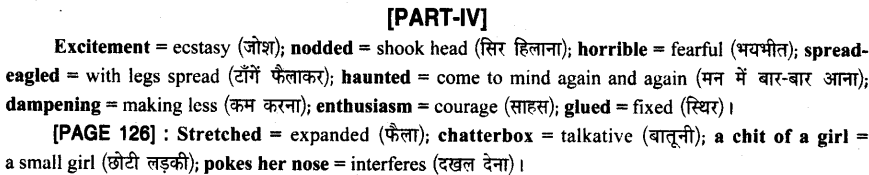
HBSE 10th Class English Solutions First Flight Poem 10 The Tale of Custard the Dragon 1

HBSE 10th Class English Solutions First Flight Poem 10 The Tale of Custard the Dragon Read More ┬╗

HBSE 10th Class English Solutions First Flight Poem 7 Animals

Haryana State Board┬аHBSE 10th Class English Solutions First Flight Poem 7 Animals Textbook Exercise Questions and Answers.

Haryana Board 10th Class English Solutions First Flight Poem 7 Animals

HBSE 10th Class English Animals Textbook Questions and Answers

Thinking about the Poem

1. Notice the use of the word тАШturnтАЩ in the first line, тАЬI think I could turn and live with animals…тАЭ. What is the poet turning from?
Answer:
The poet is turning away from living with other humans because he finds them complicated and false. He would rather live with animals that are self-contained and non-complaining. Human beings are not content and they always complain about something or the other.

2. Mention three things that humans do and animals donтАЩt.
Answer:
The poet has drawn three comparisons between humans and animals.
(a) Humans sweat and work to make a living, but animals donтАЩt do that.
(b) Humans lie awake at night and cry for the wrongs they have done, but animals do not repent such things. They sleep peacefully.
(c) Humans make each other sick by discussing with them their duties to God, while animals live and survive without any prayer.

3. Do humans kneel to other humans who lived thousands of years ago? Discuss this in groups.
Answer:
Yes, humans kneel to other humans who lived thousands of years ago. They worship their ancestors and pray by kneeling in front of their portraits. They hold religious sermons and ceremonies in their memory.

4. What are the тАШtokensтАЩ that the poet says he may have dropped long ago, and which the animals have kept for him? Discuss this in class.
{Hint: Whitman belongs to the Romantic tradition that includes Rousseau and Wordsworth, which holds that civilisation has made humans false to their own true nature. What could be the basic aspects of our nature as living beings that humans choose to ignore or deny?
Answer:
The tokens that the poet says he might have dropped long ago are true nature of man, his affection, kindness, friendship, etc. As humans came closer to civilisation, they gradually deviated away from their true nature. As they came close to civilisation, they chose to leave behind the virtues of kindness, sincerity, unselfishness, joy, satisfaction, respectability and sharing. They adopted the path of greed, selfishness, desire to capture everything, and other such inhuman characteristics. Animals have carried forward the real instincts and characteristics, which the poet looks at and tries to remember where he had negligently lost his true nature.

HBSE 10th Class English Solutions First Flight Poem 7 Animals

HBSE 10th Class English Animals Important Questions and Answers

I. Short Answer Type Questions (20-30 words & 2 marks each)

Question 1.
What makes the poet sick?
Answer:
Humans do all kinds of sins and discuss with one another about their duties to God. It makes the poet sick. It shows the hypocrisy of humans, but animals do not repent such things.

Question 2.
What is the poetтАЩs yearning?
Answer:
The poetтАЩs yearning is to live with animals. Animals lead quite peaceful lives. They are
satisfied and never complain about it. Humans hanker after worldly possessions. Their desire and greed can never be satiated. That is why the poet wants to live with animals.

Question 3.
What does the poet say about animals in the poem?
Answer:
The poet says that animals are placid, calm, peaceful and self-contained. They never compromise with anything.

II. Short Answer Type Questions (40-50 words & 3 marks each)

Question 1.
In what respect are animals better than human beings?
Answer:
Animals are more sympathetic and considerate than human beings. They are quiet, calm and self-satisfied. They have no ill-will, grudge or envy against anyone. So, animals are better than human beings in numerous ways.

Question 2.
What qualities of animals have attracted the poet most?
Answer:
The noble virtues of animals have attracted the poet most. Animals are independent. They are not jealous, envious. They do not show unnecessary respect for their ancestors or to their fellow beings. They do not possess anything like human beings. These qualities of animals have attracted the poet most.

Question 3.
What is the underlying idea in the poem тАШAnimalsтАЩ?
Answer:
The idea depicted in the poem тАШAnimalsтАЩ is the difference between human beings and animals. Initially, both animals and humans were similar in their innate goodness but over the years, humans have lost this natural goodness whereas it is still intact in animals. The peaceful, self-contained and happy nature of animals compels the poet to contemplate on manтАЩs lost goodness.

Question 4.
Explain the satisfaction that animals have and humans donтАЩt.
Answer:
Animals do not wish to possess worldly things. Whereas, humansтАЩ desire grows constantly and they are never satisfied with what they have. The lack of this greed in animals keeps them satisfied and the presence of it in humans makes them dissatisfied.

HBSE 10th Class English Solutions First Flight Poem 7 Animals

III. Long Answer Type Questions (100-120 words & 5 marks each)

Question 1.
Do you think that the poem тАШAnimalsтАЩ presents a contrast between humans and animals?
Answer:
Human beings are jealous, envious, selfish and self-centred lot while animals are quiet, calm,
self-contained and happy lot. Animals do not lie awake at night, cry over their sins and discuss their duty towards God as human beings do. They have no intention of possessing things. They never kneel down before others. There are noble virtues inherent in them. But, humans lack all these things. They just change their perception according to circumstances. Animals remain whatever they are. They do not do things like that.

Question 2.
тАШIt is not complaining but accepting a situation, is the key to happiness in life.тАЩ Elaborate this in context of the poem тАШAnimalsтАЩ.
Answer:
In the poem тАШAnimalsтАЩ, the poet has brought out the differences between animals and humans on the basis of their characteristics. In poetтАЩs opinion, animals are ranked higher than humans, as they do not complain about anything and thus they are considered much happier than humans. Animals always live in their natural surroundings but humans tend to mould their surroundings as per their need and greed. Even after altering their habitat, humans remain sad and complaining.

Question 3.
Why do you think the poet has called the desire to own things, a mania? Is the poet right in doing so? Write your own views.
Answer:
The poet uses words such as тАШdementedтАЩ and тАШmaniaтАЩ for never ending desire of human beings to own things. These words show that the poet is comparing this desire to madness. The poet stands right in doing so as this desire makes us so greedy. It traps us in a vicious circle of yearning more and more. Animals that are free from any possession are also free from sins, worries and complaints. In order to gain more wealth, all the important values such as morality and kindness are left behind.

Question 4.
What, according to you, should be the virtues that humans should possess? Discuss with reference to the poem, тАШAnimalsтАЩ.
Answer:
Human beings should be gentle not only to their own kind but also to everyone and everything. Virtues such as kindness bring other values like innocence and honesty. That makes the world a better place to live in. The lack of such values results in a corrupt society where people commit sins and repent in dark. They get dissatisfied and unhappy in their life. Human beings probably had these virtues in them but along with the advancement of civilisation, they have left them behind and adopted greed and cunningness.

Question 5.
Not one kneels another, nor to his kind that lived thousands of years ago,
Not one is respectable or unhappy over the whole earth,
So they show their relation to me and I accept them
What does the poet want to convey through this?
Answer:
In this poem, it is the ardent desire of the poet to live among animals. According to him, the animals are quiet, calm and satisfied. One of the most important qualities of animals is that they neither feel happy nor sad over anything. Like human beings, they neither kneel down before others to show respect either to their elders or their ancestors. Animals want to lead independent life. They are quite indifferent to human beings. Animals are not greedy like human beings. The poet is quite happy with the behaviour and habits of animals. They just want to lead their own lives without bothering others. There is no greed, envy, hatred, ill-will, grudge, etc., prevalent among animals. So, the poet wants to live in the company of animals.

HBSE 10th Class English Solutions First Flight Poem 7 Animals

Reference To Context

Read the extracts given below and answer the questions that follow:

1. I think I could turn and live with animals, they are
so placid and self-containтАЩd,
I stand and look at them long and long.

Paraphrase: The poet has drawn differences between human beings and animals. The poet wants to live in the company of animals. Because they are quiet, calm and self-satisfied. Animals impress him so much that he looks upon them constantly for a long time.

Choose the correct option:

(a) Why does the poet want to live with the animals?
(i) They are calm and self-contained.
(ii) They are good to be friend with.
(iii) They run errands for him.
(iv) They entertain him.
Answer:
(i) They are calm and self-contained.

(b) At whom does the poet look long and long?
(i) Himself
(ii) Friends
(iii) Animals
(iv) PoetтАЩs family members
Answer:
(iii) Animals

(c) The poet says that the animals are .
(i) disturbing
(ii) noisy
(iii) calm and self-contained
(iv) none of these
Answer:
(iii) calm and self-contained

(d) Between whom has the poet drawn differences?
(i) Animals and human beings
(ii) Animals and birds
(iii) Nature and mankind
(iv) None of these
Answer:
(i) Animals and human beings

(e) Why does the poet look at animals for long time?
(i) Because they disturb him
(ii) Because they impress him.
(iii) Both (i) and (ii)
(iv) Neither (i) nor (ii)
Answer:
(ii) Because they impress him.

HBSE 10th Class English Solutions First Flight Poem 7 Animals

2. They do not sweat and whine about their condition,
They do not lie awake in the dark and weep for their sins,
They do not make me sick discussing their duty to God.

Paraphrase: Animals do not whine about their miserable condition. They just take their sound sleep at night and never weep for their sins. Animals do not make anyone sick by discussing their duties to God.

Choose the correct option:

(a) What do the animals not complain about?
(i) They do not care for other animals.
(ii) They do not complain about their condition.
(iii) They do not have greed.
(iv) All of these
Answer:
(ii) They do not complain about their condition.

(b) What makes the poet sick?
(i) When someone discusses their duty to God.
(ii) When animals bite him.
(iii) When he eats poisonous food.
(iv) When the poet travels.
Answer:
(i) When someone discusses their duty to God.

(c) …………………. do not lie awake in the dark.
(i) Animals
(ii) Human beings
(iii) Thieves
(iv) Nature
Answer:
(i) Animals

(d) Who does not whine about their miserable condition?
(i) Human beings
(ii) Animals
(iii) Beggars
(iv) The rich people
Answer:
(ii) Animals

(e) Why do animals not weep for their sins?
(i) They are innocent.
(ii) They lack sense.
(iii) They are aggressive.
(iv) None of these
Answer:
(i) They are innocent.

3. Not one is dissatisfied, not one is demented with
the mania of owning things,
Not one kneels to another, nor to his kind that
lived thousands of years ago,
Not one is respectable or unhappy over the whole earth.
So they show their relations to me and I accept them,

Paraphrase: There is no sense of dissatisfaction among the animals. They do not believe in possessing things like human beings. They do not kneel down before others to show respect either to their elders or to those who were bom thousands of years ago. According to them, nobody is respectable or unhappy on this earth.

Choose the correct option:

(a) What are the traits of animals?
(i) Satisfaction, not crazy about owning things
(ii) Anger, lust and restlessness
(iii) Loyal but lazy
(iv) Dissatisfied and mad
Answer:
(i) Satisfaction, not crazy about owning things

(b) What type of relation is being talked about here?
(i) Husband-wife
(ii) Brother-sister
(iii) Human-animal
(iv) Parents-kids
Answer:
(iii) Human-animal

HBSE 10th Class English Solutions First Flight Poem 7 Animals

(c) Animals do not before others like human beings.
(i) stand
(ii) kneel
(iii) sit
(iv) think
Answer:
(ii) kneel

(d) According to animals, who is respectable?
(i) Nobody
(ii) Human beings
(iii) God
(iv) All of these
Answer:
(i) Nobody

(e) In which things do animals not believe?
(i) God is one.
(ii) Possession of things
(iii) All are equal.
(iv) None of these
Answer:
(ii) Possession of things

4. They bring me tokens of myself, they evince
them plainly in their possession
I wonder where they get those tokens,
Did I pass that way huge times ago and negligently drop them?

Paraphrase: Animals show the token of noble virtues because they are full of such things. The poet is awestruck on this thing. After all from where animals got those qualities. The noble virtues have been left by the humans centuries ago.

Choose the correct option:

(a) What have the human beings lost?
(i) Grudge, ill-will
(ii) Tokens of noble virtues
(iii) Hatred
(iv) All of these
Answer:
(ii) Tokens of noble virtues

(b) How is the reaction of the poet in the last line?
(a) Exciting
(b) Surprising
(c) Gloomy
(d) Neutral
Answer:
(b) Surprising

(c) Animals show the token of …………………
(i) honesty
(ii) Noble virtues
(iii) discipline
(iv) incivility
Answer:
(ii) Noble virtues

(d) How is the mood of the poet?
(i) He is awestruck on such thing.
(ii) He is disappointed
(iii) He is optimistic.
(iv) None of these
Answer:
(i) He is awestruck on such thing.

(e) When did the human beings leave the noble virtues?
(i) Ten years ago
(ii) Hundred years ago
(iii) Centuries ago
(iv) None of these
Answer:
(iii) Centuries ago

HBSE 10th Class English Solutions First Flight Poem 7 Animals

Animals Summary

Animals Introduction

About the Poet

  • ┬аWalt Whitman was bom on May 31,1819 in West Hills, Huntington.
  • He was an American poet, essayist, and journalist.
  • He incorporated transcendentalism and realism.
  • Whitman worked as a j oumalist, a teacher and a government clerk.
  • He also volunteered for nurse during the American Civil War.
  • WhitmanтАЩs major work, Leaves of Grass, was first published in 1855.
  • He died in 1892 at the age of 72.

Central Idea of the Poem

The poet has very beautifully drawn out a contrast between human beings and animals. According to him, human beings are greedy, selfish and envious whereas animals are simple and loyal. He wants to live among the animals who are always satisfied and do not possess things. They do not have any kind of falsehood. They just enjoy their lives in their surroundings.

Animals Summary

HBSE 10th Class English Solutions First Flight Poem 7 Animals

In the poem, тАШAnimals’, the poet has portrayed a beautiful description of animals. The poet desires to live among the animals, because they are quiet, calm and self-contained. They do not bother about their guilt or sin. They neither feel too happy nor get frustrated over anything.
The animals are always satisfied. They do not possess the mania of possessing things. They do not show respect for the others. But, such is not the case with human beings. They hanker after worldly pleasures and money. They do not get satisfaction. They show respect to the elders.
The poet has a deep desire to leam from the animals since they show their deep concern for him. They pay him respect in the form of a token and show their plain feelings. They do not have any kind of falsehood. The poet is much surprised at their quality.

Poem at a Glance

  • The poet has tried to find out the differences between animals and human beings.
  • The poet feels comfortable in the company of animals.
  • Because animals are quiet, calm and satisfied.
  • The poet looks at them for a long time.
  • The animals neither repent over their miserable conditions nor weep for their sins.
  • The animals are not mad after possession of things.
  • Although human beings have lost their tokens of love but it still persists in animals.
  • Human beings have become jealous, envious, greedy but animals are not so.

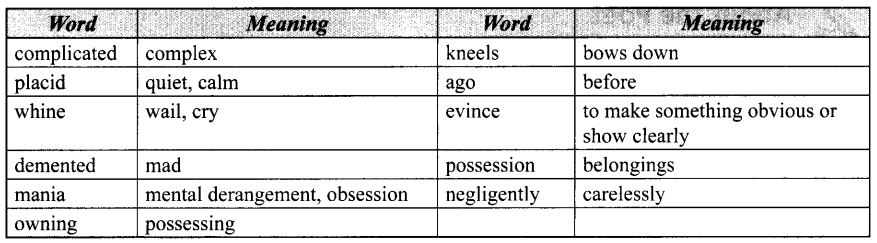
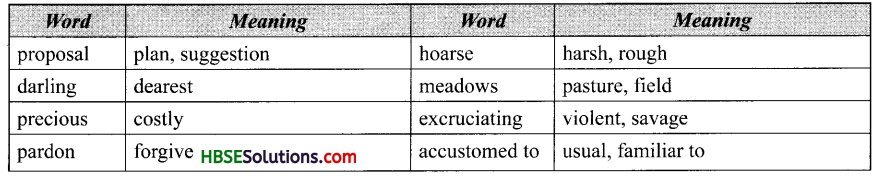
Animals Word-Meanings

HBSE 10th Class English Solutions First Flight Poem 7 Animals 1

HBSE 10th Class English Solutions First Flight Poem 7 Animals Read More ┬╗

HBSE 10th Class English Solutions First Flight Poem 6 Amanda

Haryana State Board┬аHBSE 10th Class English Solutions First Flight Poem 6 Amanda Textbook Exercise Questions and Answers.

Haryana Board 10th Class English Solutions First Flight Poem 6 Amanda

HBSE 10th Class English Amanda Textbook Questions and Answers

Thinking about the Poem

1. How old do you think Amanda is? How do you know this?
Answer:
Amanda is a school going girl. She may be about 9-10 years old. It is apparent from the instructions given to her not to bite her nails or to do homework.

2. Who do you think is speaking to her?
Answer:
It seems that the poet is speaking to her.

3. Why are Stanzas 2,4 and 6 given in parenthesis? тАЮ
Answer:
Stanzas 2, 4 and 6 are given in parenthesis because they are the thoughts of the child. And these are given in different conditions.

4. Who is the speaker in Stanzas 2, 4 and 6? Do you think this speaker is listening to the speaker in Stanzas 1, 3, 5 and 7?
Answer:
In Stanzas 2,4 and 6, the speaker is the child, Amanda. No, she is not listening to the speaker in Stanzas 1,3,5 and 7. She is lost in her thoughts and she is clearly not listening to anybody.

HBSE 10th Class English Solutions First Flight Poem 6 Amanda

5. What could Amanda do if she were a mermaid?
Answer:
If Amanda were a mermaid, she would have drifted slowly on a languid emerald sea. She would be the sole inhabitant of the relaxed green sea.

6. Is Amanda an orphan? Why does she say so?
Answer:
No, Amanda is not an orphan. She says so because she wants to be alone. She wants to roam around the street alone. She finds silence тАШgoldenтАЩ and freedom тАШsweetтАЩ. It is for this reason that she calls herself an orphan.

7. Do you know the story of Rapunzel? Why does she want to be Rapunzel?
Answer:
Rapunzel was a fairy. Amanda wants to be Rapunzel because she wants to live alone. Rapunzel lived alone in a tall tower and had long, beautiful hair. She was held captive by her grandmother, who came up the tower by climbing her long hair. The girl also wants to live alone in a tower as she would not have to care about anything as life in a tower would be tranquil, peaceful and rare. However, she also decided that she would never throw down her hair for anyone to come up as she wanted to live alone always.

8. What does the girl yearn for? What does this poem tell you about Amanda?
Answer:
The girl yearns for freedom. She wants to stay alone. If she were a mermaid, she would have wanted to drift slowly on a calm sea where she would be the only inhabitant. She imagines herself to be an orphan, roaming the street in silence and freedom. She also wishes to be Rapunzel though she would not let her hair down for anybody to climb up. This shows that she is fed up with the continuous scolding she receives from her mother. She wants to go away from her home to some place where she would not be constantly teased or rebuked by anybody and would be able to live peacefully.

9. Read the last stanza. Do you think Amanda is sulking and is moody?
Answer:
It does not seem that she is sulking, though she could be moody. She is completely lost in her thoughts. She is not even listening to her mother. Her mother perceives her to be sulking as she does not react to her instructions at all. Since Amanda does not listen to her, she concludes that she is very moody and continues to nag her.

HBSE 10th Class English Amanda Important Questions and Answers

I. Short Answer Type Questions (20-30 words & 2 marks each)

Question 1.
What does Amanda imagine herself to be while day-dreaming and reaching the sea?
Answer:
While reaching the sea in her daydream, Amanda imagines of being a mermaid. She finds the sea relaxed and peaceful as she dreams of drifting on the waves blissfully.

Question 2.
What sort of instructions did Amanda get?
Answer:
Amanda is instructed not to bite her nail, complete her homework and clean her room. She is even asked not to hunch her shoulders. She is told to sit only in a straight manner.

HBSE 10th Class English Solutions First Flight Poem 6 Amanda

Question 3.
What can you depict of AmandaтАЩs nature?
Answer:
Amanda is a moody girl. She is nagged most of the time. She often escapes from reality, which makes her moody and uninterested.

Question 4.
How does Amanda describe herself as an orphan?
Answer:
Amanda says that she is an orphan. She roams the street freely. There is dust under her bare feet. With her bare feet, she creates patterns on the dust. Silence is golden and freedom is sweet.

Question 5.
Why is Amanda told not to eat chocolates?
Answer:
Amanda is told not to eat chocolates because she had been suffering from acne. Eating more chocolates will cause pimples on her face. That is why she is told so.

II. Short Answer Type Questions (40-50 words & 3 marks each)

Question 1.
What is the importance of punctuation in a language? Why has the poet used the exclamation mark after Amanda in the title of the poem?
Answer:
Punctuation in a language makes the sense of a text clear. It helps in conveying the message with clarity. It is further used to structure and organise a piece of writing. The exclamation mark used in the title тАЩAmandaтАЩ is to show the motherтАЩs surprise on seeing Amanda. Amanda is a moody girl and this trait of hers upsets her mother.

Question 2.
Who is instructing Amanda? Is he/she constantly giving instructions fulfilling some-thing?
Answer:
AmandaтАЩs mother is instructing Amanda. When she keeps on instructing her, Amanda sulks and becomes moody. Her mother intends to make her well-behaved by constantly giving instructions to her but Amanda doesnтАЩt care much and nor can she ignore her mother, so she sulks down rather than executing all the instructions.

Question 3.
Despite imagining to be Rapunzel, Amanda does not want to do what Rapunzel did. Why?
Answer:
Amanda wants to be Rapunzel to live a peaceful life in a tower. But she does not intend to
elope with a prince because she does not want to depart from the peaceful life on the top of the tower.

Question 4.
Why does Amanda seem moody most of the times?
Answer:
Amanda seems moody because she is constantly trying to make an escape from her reality where she is instructed all the time. It is indeed a sorry state for a little kid like Amanda to bear. Here, the only solution she finds to escape this reality is her imaginary world. Therefore, it makes her look moody and indifferent towards her motherтАЩs instructions.

III. Long Answer Type Questions (100-120 words & 5 marks each)

Question 1.
Why does Amanda want to escape into the dreamy world of mermaids and fairies? Discuss it on the basis of the poem тАШAmandaтАЩ.
Answer:
In this world, each one (including child, young, old, etc.) wants to lead the life of freedom. Amanda also like other child loves freedom. She does not want to be a pampered child. Amanda does not want that her parents should control and guide her activities. She wants to do the activity of her own choice. She does not want to be dictated by anyone. She creates a world of her own choice. Amanda wants to live in the dreamy world of mermaids and fairies. She wants to enjoy freedom roaming around the streets like an orphan. Like Rapunzel, Amanda wants to live in an imaginary tower. She does not like the nagging of her mother. This way Amanda wants to escape into the dreamy world of mermaids and fairies.

Question 2.
How has the poet discussed the importance of proper upbringing with reference to the poem, тАШAmandaтАЩ?
Answer:
Every child is bom with some innate quality. Their upbringing plays an important role in sharpening their personality. It is the moral duty of the parents to instil good values and moral principles in a growing child. Amanda shows how a child feels trapped in instructions. She is instmcted to do numerous things. Amanda is very frustrated. She wishes to be an orphan. She is even instmcted not to eat chocolate because it causes acne. She wants to live alone and lead a carefree life. So, children should be reared up with proper care.

HBSE 10th Class English Solutions First Flight Poem 6 Amanda

Question 3.
State the value points in the poem тАШAmandaтАЩ.
Answer:
Every child is unique in its own way. There are some positive and negative aspects in each child. It requires a great deal of patience and love to make them understand this. Parents should impart proper education to children, as they leam through experiences as well. If children do leam some bad habits, it requires great level of understanding and right approach to rectify them. Children cannot be taught everything in one day. They should be told to behave properly. It is natural for a child like Amanda to seek freedom at her place. Growing up of child should not be about doтАЩs and donтАЩts only. The fact is that Amanda is forbidden to do anything without seeking permission. She canтАЩt sit lazily around. She canтАЩt eat chocolate because it could cause acne. Life of Amanda is very suffocating and limited in itself. She desires for more freedom and choice. The fact is that Amanda is innocent and naive. She is too small to understand the benefits of advice. That is why Amanda wishes to be an orphan. That is why she wants to be free.

Question 4.
I am an orphan, roaming the street
I pattern soft dust with my hushed bare feet.
The silence is golden, the freedom is sweet.
What does Amanda imagine herself to be? What does the poet want to convey through this?
Answer:
Through this paragraph, the poet has tried to depict the state of a little girlтАЩs mind and also instructs her to do something good and change her habit. When the poet tells her so, she assumes that had she been an orphan, she would have roamed into the street. She would have made design on the soft dust with her feet quietly. According to her, silence is golden and freedom is the sweetest thing in the world. She wants to lead the life of freedom not of bondage. Through golden silence, the poet estimates the worth of silence. Amanda seeks peace and calmness. It is absent in her reality. Through this paragraph, the poet wants to say that freedom is the sweetest thing in the world. Not only the girl like Amanda but all living beings want freedom.

Reference To Context

Read the extracts given below and answer the questions that follow:

1. DonтАЩt bite your nails, Amanda!
DonтАЩt hunch your shoulders, Amanda!
Stop that slouching and sit up straight,
Amanda!

Paraphrase: In this paragraph, the mother is instructing Amanda not to bite her nails because it is considered to be a bad habit. She even tells her to sit straight in right posture without bending her shoulders.

Choose the correct option:

(a) What was Amanda biting?
(i) A piece of cake
(ii) Bread crumbs
(iii) Strawberry
(iv) Nails
Answer:
(iv) Nails

HBSE 10th Class English Solutions First Flight Poem 6 Amanda

(b) What does the poet mean by тАШsit up straightтАЩ?
(i) The poet tells Amanda to straighten up her hair.
(ii) The poet tells Amanda not to bend while sitting.
(iii) The poet tells Amanda to go straight.
(iv) The poet tells Amanda to bend down.
Answer:
(ii) The poet tells Amanda not to bend while sitting.

(c) The poet tells Amanda to stop .
(i) telling
(ii) walking
(iii) slouching
(iv) writing
Answer:
(iii) slouching

(d) What does her mother consider it?
(i) Good habit
(ii) Bad habit
(iii) Both (i) and (ii)
(iv) None of these
Answer:
(ii) Bad habit

(e) To whom is the mother instructing here?
(i) Amanda
(ii) Her friend
(iii) Her father
(iv) None of these
Answer:
(i) Amanda

2. (There is a languid, emerald sea,
where the sole inhabitant is meтАФ
a mermaid, drifting blissfully.)

Paraphrase: Amanda imagines herself to be sitting near a calm and small island. She wants to be the only resident of the beautiful green sea. She imagines herself like a mermaid who leads her life in a relaxing way.

Choose the correct option:

(a) What is emerald here?
(i) The poet
(ii) The girl
(iii) The sea
(iv) Gemstone
Answer:
(iii) The sea

(b) What does Amanda imagine her to be?
(i) An actor
(ii) A chef
(iii) A fish
(iv) A mermaid
Answer:
(iv) A mermaid

(c) The poet uses brackets to present the
(i) trust
(ii) imagination
(iii) disappointment
(iv) None of these
Answer:
(ii) imagination

(d) What does Amanda want?
(i) She wants to be the only resident of the beautiful Green Sea.
(ii) She does not want anything.
(iii) She only wants to play.
(iv) None of these
Answer:
(i) She wants to be the only resident of the beautiful Green Sea.

(e) What type of life does Amanda want to lead?
(i) Disappointing
(ii) Relaxing
(iii) Miserable
(iv) None of these
Answer:
(ii) Relaxing

HBSE 10th Class English Solutions First Flight Poem 6 Amanda

3. Did you finish your homework, Amanda?
Did you tidy your room, Amanda?
I thought I told you to clean your shoes,
Amanda!

Paraphrase: Amanda was enquired whether she had finished her homework or not. She was even enquired whether she had cleaned her room or not. She was even instructed to clean her shoes.

Choose the correct option:

(a) What was Amanda asked to clean?
(i) The house
(ii) The dishes
(iii) The room
(iv) The curtains
Answer:
(iii) The room

(b) What did the poet think about Amanda?
(i) She thought that she had told her to clean her shoes.
(ii) She thought that she had asked her to buy grocery.
(iii) She thought that she had told her to tidy her room.
(iv) She thought that she had told her to watch out for birds.
Answer:
(i) She thought that she had told her to clean her shoes.

(c) Amanda is a very girl.
(i) careful
(ii) careless
(iii) stupid
(iv) none of these
Answer:
(ii) careless

(d) What did her mother enquire first?
(i) About the completion of homework
(ii) About her imagination
(iii) About her dirty habits
(iv) None of these
Answer:
(i) About the completion of homework

(e) What does AmandaтАЩs mother want from her?
(i) To learn bad habits
(ii) To learn good habits
(iii) To speak fitiently
(iv) None of these
Answer:
(ii) To learn good habits

4. (I am an orphan, roaming the street.
I pattern soft dust with my hushed, bare feet.
The silence is golden, the freedom is sweet.)

Paraphrase: Amanda imagines herself to be an orphan who is roaming into the street. It implies that had she been without parents she would have wandered freely into the street. She is barefoot. She would have made designs on the soft dust with her bare feet quietly. In her opinion, silence is golden and freedom is the sweetest thing in the world.

Choose the correct option:

(a) What kind of silence does Amanda envision?
(i) Amazing
(ii) Silver
(iii) Sweet
(iv) Golden
Answer:
(iv) Golden

HBSE 10th Class English Solutions First Flight Poem 6 Amanda

(b) What does Amanda do with her feet?
(i) Makes design on the deposited dust
(ii) Hushes the little puppies
(iii) Runs along the road
(iv) Roam in the street
Answer:
(i) Makes design on the deposited dust

(c) Amanda wants to roam like a/an
(i) dishonest
(ii) honest
(iii) orpan
(iv) stupid
Answer:
(iii) orpan

(d) What is golden here?
(i) Silence
(ii) Conversation
(iii) custom
(iv) Tradition
Answer:
(i) Silence

(e) What is the sweetest thing in the world?
(i) Passion
(ii) Freedom
(iii) Imagination
(iv) None of these
Answer:
(ii) Freedom

5. DonтАЩt eat that chocolate, Amanda!
Remember your acne, Amanda!
Will you please look at me when IтАЩm speaking to you,
Amanda!

Paraphrase: AmandaтАЩs mother is instructing her not to eat chocolates. She reminds of her pimples which she has due to eating chocolates. She even reminds her for not paying attention to what her mother says.

Choose the correct option:

(a) What is Amanda asked to do?
(i) To look into the mirror
(ii) To look at the narrator
(iii) To look inside the tidy room
(iv) To look before crossing the road
Answer:
(ii) To look at the narrator

(b) When does the narrator want Amanda to look at her?
(i) When she is speaking to her
(ii) When she needs a make up.
(iii) When she asks a question.
(iv) When she waves at her.
Answer:
(i) When she is speaking to her

(c) Amanda should not eat chocolate because it will cause .
(i) disappointment
(ii) irritation
(iii) acne
(iv) none of these
Answer:
(iii) acne

HBSE 10th Class English Solutions First Flight Poem 6 Amanda

(d) AmandaтАЩs mother is instructing her not to eatтАФ
(i) cake
(ii) chocolates
(iii) fruits
(iv) none of these
Answer:
(ii) chocolates

(e) What does her mother remind her of?
(i) For not paying attention to her advice
(ii) For studies
(iii) For playing
(iv) All of these
Answer:
(i) For not paying attention to her advice

6. (I am Rapunzel, I have not a care;
life in a tower is tranquil and rare;
IтАЩll certainly never let down my bright hair!)

Paraphrase: Amanda only imagines herself to be Rapunzel, (a character from a fairy tale), who lives in a tower. But Amanda does not care for anybody. She wants to live alone in a quiet and calm tower. She also tells that she will never let her hair down to anyone so that nobody could come to her in the tower.

Choose the correct option:

(a) Who does Amanda envision to be?
(i) Snow-white
(ii) Cinderella
(iii) Rapunzel
(iv) Sleeping beauty
Answer:
(iii) Rapunzel

(b) What legend is related with Rapunzel?
(i) Long-bright hair
(ii) Missing sandal
(iii) Beauty and the Beast
(iv) Magic mirror
Answer:
(i) Long-bright hair

(c) The life of Rapunzel in a tower is .
(i) disturbing
(ii) calm and quiet
(iii) illusory
(iv) none of these
Answer:
(ii) calm and quiet

(d) Who is Rapunzel?
(i) A character-from–the Ramayana
(ii) A character from the fairy tale
(iii) A character from the folk tale
(iv) None of these
Answer:
(ii) A character from the fairy tale

(e) Why does Amanda not care for anybody?
(i) Because she wants to live alone.
(ii) Because she is not interested in studies.
(iii) Because she does not want to do any work.
(iv) All of these
Answer:
(i) Because she wants to live alone.

HBSE 10th Class English Solutions First Flight Poem 6 Amanda

7. Stop that sulking at once, Amanda!
YouтАЩre always so moody, Amanda!
Anyone would think that I nagged at you,
Amanda!

Paraphrase: AmandaтАЩs mother warns her not to feel unhappy and disappointed. She should be more happy. Amanda is very moody. She is of unstable nature. Her mother tells her to remain cheerful, otherwise her mother will be blamed for harassing her.

Choose the correct option:

(a) Who would think that the narrator is nagging at her?
(i) Anyone
(ii) Amanda
(iii) Poet
(iv) Her friends
Answer:
(i) Anyone

(b) AmandaтАЩs nature is said to be
(i) moody and happy
(ii) sulky and moody
(iii) cheerful and excited
(iv) calm and composed
Answer:
(ii) sulky and moody

(c) The narrator tells Amanda to stop .
(i) talking
(ii) sulking
(iii) walking
(iv) writing
Answer:
(ii) sulking

(d) What does her mother advise her?
(i) She tells her to remain cheerful.
(ii) She tells her to talk agressive.
(iii) Does not say anything
(iv) All of these
Answer:
(i) She tells her to remain cheerful.

(e) Who will be blamed for harassing her?
(i) AmandaтАЩs father
(ii) AmandaтАЩs mother
(iii) AmandaтАЩs sister
(iv) AmandaтАЩs friends
Answer:
(ii) AmandaтАЩs mother

HBSE 10th Class English Solutions First Flight Poem 6 Amanda

Amanda Summary

Amanda Introduction

About the Poet

  • Robin Klein was bom on 28 February, 1936, in Kempsey, New South Wales, Australia.
  • She wrote more than 40 books, including Hating Alison Ashley, Halfway Across the Galaxy and Turn Left and Came Back to Show You I Could Fly.
  • She left school at the age of 15 and did several jobs to establish herself as a writer.
  • She won the CBCA Children s Book of the Year Award in both the Younger Readers and the Older Readers categories, and a Human Rights Award for Literature in 1989.
  • Klein is considered one of the most prolific and beloved authors of Australia.

Central Idea of the Poem

тАШAmandaтАЩ is the poem of a young girl who does one thing after other but she is instructed not to do so, by the poet. It is the ardent desire of every child to enjoy the beauty of the dreamy world of childhood. The instructions given by the poet curtail her freedom. As the poet tells her not to eat chocolates, she considers it to be an infringement of her freedom. She only wants to remain in fantasy. Amanda does not want to grow up. She wants to remain a child now.

Amanda Summary

The poem тАШAmandaV depicts the state of a little girlтАЩs mind. She is constantly instructed about doтАЩs and donтАЩts by her elders. The narrator scolds and instructs her. She is told not to bite her nails. She is told not to hunch her shoulders and to sit up straight. The girl imagines that she is in an emerald sea. She is told to finish her homework and tidy her room. She is an orphan, that is why she roams in the street. She is forbidden from eating a chocolate because she has acne on her face. But all the time, the little girl Amanda keeps dreaming of a life of freedom in the open. She dreams of mermaids in the sea, of roaming barefoot in the dusty street and of the golden-haired Rapunzel who lived alone in a high tower. She takes no note of what is being said to her. Then she is rebuked for being moody and sulking all the time. This way the girl has been advised.

Poem at a Glance

  • This poem is about a girl, Amanda who bites her nails.
  • The poet asks her not to do so and also sit straight.
  • The girl is lost in the world of dreams and fantasy.
  • She imagines as if she were a mermaid.
  • Amanda lives in a peaceful emerald sea all alone.
  • She roams all around freely like a mermaid.
  • Amanda lives in a peaceful emerald sea all alone.
  • She roams all around freely like a mermaid.
  • The poet asks if she has finished her homework and cleaned the room.
  • She is told to clean her shoes but she has not done so.
  • She does not care for all the things.
  • Amanda wants to walk on the dust with her bare feet.
  • She is told not to eat chocolates as it might cause her some problem.
  • Amanda is told to inculcate good manners. But she ignores all these things.
  • Amanda imagines herself as Rapunzel living in a tower.
  • There is the atmosphere of peace and tranquillity here.
  • The poet calls Amanda moody.
  • She asks her not to be unhappy.

HBSE 10th Class English Solutions First Flight Poem 6 Amanda

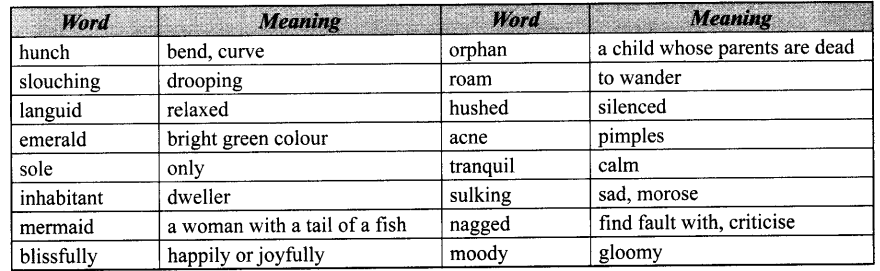
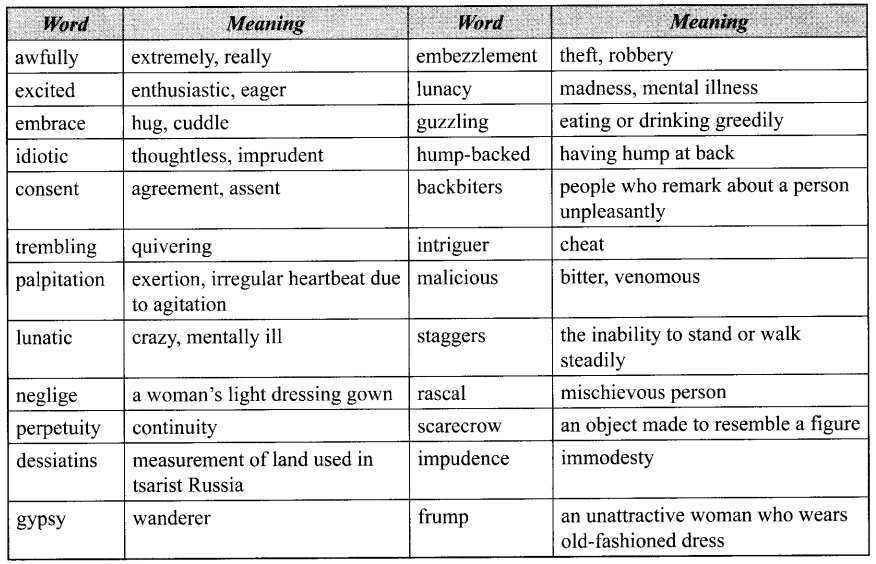
Amanda Word-Meanings

HBSE 10th Class English Solutions First Flight Poem 6 Amanda 1

HBSE 10th Class English Solutions First Flight Poem 6 Amanda Read More ┬╗

HBSE 10th Class English Solutions First Flight Poem 5 The Ball Poem

Haryana State Board┬аHBSE 10th Class English Solutions First Flight Poem 5 The Ball Poem Textbook Exercise Questions and Answers.

Haryana Board 10th Class English Solutions First Flight Poem 5 The Ball Poem

HBSE 10th Class English The Ball Poem Textbook Questions and Answers

Thinking about the Poem

1. Why does the poet say, тАЬI would not intrude on himтАЭ? Why doesnтАЩt he offer him money to buy another ball?
Answer:
The poet says so because the boy has lost his ball. He is quite unhappy. He wants the boy to learn the meaning of loss on his own. He does not offer him money to buy another ball because according to him, money or another ball is worthless. The boy was trying to understand his responsibility because he had lost something, which could not be brought back.

2. staring down/All his young days into the harbour where/His ball went…тАЭ
Do you think the boy has had the ball for a long time? Is it linked to the memories of days when he played with it?
Answer:
Yes, it seems like the boy has had the ball for a long time. He had more affection with the ball. When it bounced into the water, all his memories of the childhood days flashed in his mind. This led to a realisation that those moments would not come back, just like the ball. He can buy new balls but the moments which had gone would never come again.

HBSE 10th Class English Solutions First Flight Poem 5 The Ball Poem

3. What does тАЬin the world of possessionsтАЭ mean?
Answer:
тАЬIn the world of possessionsтАЭ means the materialistic world. Here everything and every action is made to possess something, whether it is the possession of land, property, money, or anything else. This would make the boy realise that this is the world of possessions where one can possess more things by buying them. One cannot buy what has been lost.

HBSE 10th Class English Solutions First Flight Poem 5 The Ball Poem

4. Do you think the boy has lost anything earlier? Pick out the words that suggest the answer.
Answer:
No, it seems that the boy has not lost anything earlier. The words that suggest so are тАШHe senses first responsibility, in the world of possessionsтАЩ.

5. What does the poet say the boy is learning from the loss of the ball? Try to explain this in your own words.
Answer:
The poet suggests that from the loss of the ball, the boy is just learning about the loss and how it hurts. The boy gets upset with this loss. The boy is learning what it means to lose something. Every man has to stand up after such losses. The boy too will learn how to stand up and leave the losses behind as he would have understood the true meaning and nature of loss.

6. Have you ever lost something you liked very much? Write a paragraph describing how you felt then, and saying whether тАФ and how тАФ you got over your loss.
Answer:
Yes, I have lost numerous things, but the loss of a dictionary really shocked me. The price of money does not matter here but the dictionary of Dr. Kamil Bulke – from English to Hindi really was an indispensable book to me, because I had leamt a lot of words and their uses from it. It not only enriched my vocabulary but also helped me learn idioms and phrases. I had bought it by saving my pocket money, that is why I really liked it much. Finally my loss was compensated. One of my friends suggested me to go to the store where I got an old piece of dictionary. I got really happy and purchased it. This way I overcome the loss.

HBSE 10th Class English The Ball Poem Important Questions and Answers

I. Short Answer Type Questions (20-30 words & 2 marks each)

Question 1.
How was the ball valuable for the boy?
Answer:
The ball was valuable for the boy is obvious from his reaction after losing it. He was much disappointed, dejected, shocked, fixed and stared at the place constantly where the ball had fallen.

Question 2.
What responsibility is the poet referring to?
Answer:
The poet is referring to the responsibility of the boy, who lost his ball and then stands up and bears the loss through self-understanding.

Question 3.
Write the sum and substance of the poem тАШThe Ball PoemтАЩ.
Answer:
The poet, John Berryman tells us how quickly our childhood can go, like the pace at which the ball is lost in the poem and how at times we must face the hardships like loss unsuspectingly in our life.

Question 4.
What is the boyтАЩs state of mind at the loss of his ball?
Answer:
The boy is very disturbed at the loss of his ball. He keeps staring at the ball with his desperate eyes.

HBSE 10th Class English Solutions First Flight Poem 5 The Ball Poem

II. Short Answer Type Questions (40-50 words & 3 marks each)

Question 1.
тАЬAnd no one buys a ball back. Money is external.тАЭ What does these lines denote?
Answer:
These lines denote that no one can buy something that is lost for good. Here, the poet has compared money with an external thing. Nobody can buy the boy that very ball which he has lost. Money is a medium of possessing things. Even money cannot buy a ball back to the boy. The poet wants to make the boy aware of the loss.

HBSE 10th Class English Solutions First Flight Poem 5 The Ball Poem

Question 2.
What message does the poet want to convey through тАШThe Ball PoemтАЩ?
Answer:
The poet has given a very positive message through the poem. He has tried to convey that gain and loss are the part and parcel of life. But one must be aware about the knowledge of loss. We may repent over the losses we have suffered from. But one must try to face even the adverse circumstances with good stead.

Question 3.
How did the boy react to the loss of the ball or was he fearful of something? Explain on the basis of the poem.
Answer:
When the ball of the boy lost, he was very upset. He was not fearful of anyone. He was really shocked, grief-stricken and disappointed. The ball might be a little thing and easily available, but the loss of the ball taught a lesson to the boy. Money can give only external happiness and satisfaction. It can not give us emotional satisfaction.

Question 4.
Write the theme of the poem, тАШThe Ball PoemтАЩ.
Answer:
Each individual has fascination for something. But if we lose something that we love, we
should not feel disappointed, desperate and dejected. We should just try to bear the loss through our understanding. This is what the poem is all about.

Question 5.
Why does the poet say, тАЬBalls will be lost alwaysтАЭ?
Answer:
Here, balls symbolise manтАЩs possession. These are dearer to us than the others. But nothing is permanent in this world. Everything is transitory. When we lose something, we suffer from a sense of loss. It happens in everyoneтАЩs life. That is why the poet says the ball will always be lost.

Question 6.
Why did the poet not console the boy?
Answer:
There are two reasons behind it. Firstly, the boy was too shocked and grief-stricken to know about the loss of the ball. Secondly, the boy was trying to bear the loss on his own through self-understanding which is much more lasting. Due to these reasons, the poet did not console the boy.

III. Long Answer Type Questions (100-120 words & 5 marks each)

Question 1.
What is the epistemology of loss in this world of possessions? How far has the child learned to stand up in life? Substantiate it on the basis of the poem.
Answer:
The poet has tried to show that gain or loss are the part and parcel of life. These are the two facets of the same coin. At the loss of his ball, the boy is very depressed and dejected. It is not only the matter of an ordinary ball but the boyтАЩs association and memories with the ball. The ball once lost will be lost for ever. But what is the ultimate solution to this problem? In this materialistic world, it is the notion of people that money can buy everything. But this notion is totally wrong. Money has its own limitations. It can compensate the financial losses to certain extent but it can not compensate the losses that a person suffers emotionally or internally. No money can buy back that ball that has been lost for good. It cannot buy even the lost childhood. But even in the adverse circumstances, the boy will have to stand in good stead. He must not repent over the losses. On the contrary, he should have to go ahead in his life.

Question 2.
Elaborate the idea that тАЬone should learn to accept and let go and not stick to something that we can not have.тАЭ
Answer:
It is important for everyone to experience to accept the loss and be bold and get on with life. Staying strong is the only way to survive. One should understand that the past is gone and will never come back. Sometimes loss helps us to grow up and we are able to face hardships like loss. We also leam to accept and let go and not to stick to something which we can not have.

HBSE 10th Class English Solutions First Flight Poem 5 The Ball Poem

HBSE 10th Class English Solutions First Flight Poem 5 The Ball Poem

Question 3.
Why is it important for everyone to experience loss and to stand up after it?
Answer:
It is important for everyone to experience loss and to stand up after it in order to be strong and to get on with life. One must be strong irrespective of how much it hurts inside. Staying strong is the only way to survive. Moreover, one needs to leam to accept and let go and not cling to something that they can never have. One should understand that the past is gone and it will never come back. Sometimes loss helps us to grow up and face hardships. So, we must look at it with positive perspective.

Question 4.
I would not intrude on him,
A time, another ball, is worthless. Now
He senses first responsibility
In a world of possession.
On the basis of the given passage, what message does the poet want to convey through this?
Answer:
Through this, the poet has tried to convey that this world is materialistic. The boy who has lost his ball must understand the profoundness or intensity of loss. Although the ball is a small thing and it does not matter if it gets lost, he must understand to take the responsibility from the very beginning of his life. Another ball is worthless for the boy. Because he has lost something dear to him. He suffers from a sense of loss. He senses responsibility when his possessed ball is lost. The main thing that the poet wants to convey to us is that money cannot compensate for the loss of boy. Through this the poet also realises what is his first responsibility in such a world. The boy must inculcate the value of loss or gain from his childhood because then only he can become a sensible and rational man in the latter part of his life.

HBSE 10th Class English Solutions First Flight Poem 5 The Ball Poem

Reference To Context

Read the extracts given below and answer the questions that follow:

1. What is the boy now, who has lost his ball,
What, what is he to do? I saw it go
Merrily bouncing, down the street, and then
Merrily over – there it is in the water!

Paraphrase: In this paragraph, the poet is talking about a boy who has lost his ball while playing. He wants to know about him and his reaction after losing his ball. He said that the ball was bouncing and jumping up and down into the street. The ball skipped from the hands of the boy and lost into the water for ever.

Choose the correct option:

(a) Which thing was bouncing merrily down the street?
(i) Ball
(ii) Water
(iii) Poet
(iv) Boy
Answer:
(i) Ball

(b) Where did the ball go ultimately?
(i) Rooftop
(ii) Water
(iii) Road
(iv) Pit
Answer:
(ii) Water

(c) After bouncing, the ball went down the
(i) street
(ii) corner
(iii) home
(iv) nowhere
Answer:
(i) street

HBSE 10th Class English Solutions First Flight Poem 5 The Ball Poem

(d) тАЬMerrily bouncing, down the street, and then
Merrily over-there it is in the water!тАЭ
Which literary device has been used here?
(i) Metaphor
(ii) Alliteration
(iii) Simile
(iv) Anaphora
Answer:
(iv) Anaphora

(e) About whom does the poet talk about?
(i) A boy who has lost his ball.
(ii) A boy who has lost his memory
(iii) A boy who has lost his pen.
(iv) A boy who has lot his school bag
Answer:
(i) A boy who has lost his ball.

2. No use to say тАШO there are other ballsтАЩ:
An ultimate shaking grief fixes the boy
As he stands rigid, trembling, staring down
All his young days into the harbour where
His ball went.

Paraphrase: There is no advantage of consoling the boy by saying that he will get another ball in lieu of the lost ball. The boy is very disappointed. He is shaking with grief. He is trembling with fear. He is staring at the ball that has gone into the harbour. The loss of the ball reminds him of his childhood days that have been lost in the harbour.

Choose the correct option:

(a) What fixes the boy unlimitedly?
(i) Happiness
(ii) Grief
(iii) Madness
(iv) Calmness
Answer:
(ii) Grief

(b) How is the boy standing?
(i) Laughing
(ii) Rigid
(iii) Fearful
(iv) Joking
Answer:
(ii) Rigid

(c) The boy is in because his ball has been lost.
(i) bad mood
(ii) anger
(iii) imagination
(iv) grief
Answer:
(iv) grief

HBSE 10th Class English Solutions First Flight Poem 5 The Ball Poem

(d) Where has the ball gone?
(i) Into the harbour
(ii) Into the room
(iii) Into the field
(iv) Nowhere
Answer:
(i) Into the harbour

(e) What is the condition of the boy?
(i) He is very happy.
(ii) He trembles with fear
(iii) He is in high temper.
(iv) All of these
Answer:
(ii) He trembles with fear

3. I would not intrude on him;
A dime, another ball, is worthless. Now
He senses first responsibility
In a world of possessions.

HBSE 10th Class English Solutions First Flight Poem 5 The Ball Poem

Paraphrase: The poet does not want to intrude on the boy. He cannot console the boy saying that he can buy him another ball. He says so because the new ball will not bring the sense of belonging to the boy. It is the time for the boy to learn the responsibility of taking care of the things. He must realise what is his first responsibility in this world.

Choose the correct option:

(a) What does the boy sense?
(i) Taste of ice-cream
(ii) A gust of wind
(iii) Presence of a dog in bushes
(iv) First responsibility
Answer:
(iv) First responsibility

HBSE 10th Class English Solutions First Flight Poem 5 The Ball Poem

(b) What is worthless here?
(i) Another bottle of milk
(ii) A dime for another ball
(iii) Company of friends
(iv) Putting efforts in something
Answer:
(ii) A dime for another ball

(c) The тАШworld of possessionsтАЩ depicts that the world is .
(i) transient
(ii) materialistic
(iii) spiritual
(iv) none of these
Answer:
(ii) materialistic

(d) What should the boy realise?
(i) His first responsibility
(ii) His first priority
(iii) Both (i) and (ii)
(iv) None of these
Answer:
(i) His first responsibility

(e) What will the new ball not bring?
(i) Attitude
(ii) Belongingness
(iii) Manners
(iv) All of these
Answer:
(ii) Belongingness

4. People will take
Balls, balls will be lost always, little boy.
And no one buys a ball back. Money is external.
He is learning, well behind his desperate eyes,
The epistemology of loss, how to stand up
Knowing what every man must one day know
And most know many days, how to stand up.

Paraphrase: In this materialistic world, many of his belongings will be lost. The poet says that the boy is learning how to withstand the sense of losses. Once a ball has been lost, it can be replaced with another one. Here money is external. It can buy us ball but not the memories and emotions related with it. The boy with his hopeless eyes sees the nature of loss and also thinks how to come out of that situation. The poet says that one must learn to accept the miseries of life and stand up again. This is the truth of life.

Choose the correct option:

(a) What is the boy learning?
(i) How to gain
(ii) The epistemology of loss
(iii) How to become passive
(iv) How to compensate
Answer:
(ii) The epistemology of loss

(b) What must every person learn at the end of the day?
(i) To run away
(ii) To stand up even in odds
(iii) To cook
(iv) To laugh
Answer:
(ii) To stand up even in odds

(c) The boy sees this loss with _________ eyes.
(i) desperate
(ii) optimistic
(iii) gazing
(iv) all of these
Answer:
(i) desperate

HBSE 10th Class English Solutions First Flight Poem 5 The Ball Poem

(d) What is external here?
(i) Ball
(ii) Money
(iii) Harbour
(iv) None of these
Answer:
(ii) Money

(e) What does the poet say?
(i) One must accept the miseries of life.
(ii) One must not accept the miseries of life.
(iii) One must be ignorant from all these.
(iv) None of these
Answer:
(i) One must accept the miseries of life.

The Ball Poem Summary

The Ball Poem Introduction

About the Poet

  • John Berryman was bom on October 25, 1914 in McAlester, Oklahoma in America. He was a renowned scholar and famous American poet.
  • He was concerned with the literary movement, viz., Confessional Poetry.
  • The Dream SongsтАЩ is one of his notable works. It is an intensely personal sequence of 385 poems.
  • He was bestowed with Pulitzer Prize for Poetry, Bollingen Prize, etc.
  • He died on January 7, 1972.

Central Idea of the Poem

In this poem, the poet has described the grief of a boy over the loss of his ball. This is the world of materialism. In this materialistic world, the things which you love will not always remain with you. In this life, you will be forced to do things that you do not want to do and you will have to give up the things which you love the most. All these may happen due to circumstances. In spite of all the circumstances, you must have to stand in good stead. It does not matter how much does it hurt. It teaches us to leam to accept and do not cling onto something that you can never have.

The Ball Poem Summary

In тАШ The Ball Poem тАЩ, the poet has narrated the desperation and disappointment of a boy who has lost his ball. It was more lovable to him. For a common man, the loss of a ball is of minor significance. But to a little boy, this is not so. Money is external; it cannot buy back our love. It can also not replace the things that we love. The loss of the ball will teach the boy a lesson. This way he will leam how to accept the loss with tolerance and pleasure. Everyone has to lose something or the other in this world if he has to survive and fulfil his obligations. It is the part and parcel of life. But if you lose something you will have to stand up to be strong and get on with your life.

Poem at a Glance

  • This poem is about a boy who lost his ball while playing.
  • He saw the ball bouncing down the street.
  • But ultimately it fell down into the river and lost for good.
  • All the incidents occur before the boy but he is unable to do anything.
  • He only repents at the loss of a ball.
  • Although the loss of a ball is considered to be an ordinary incident but the poet has given a deep thought to it.
  • According to the poet, the loss of the ball is the loss of childhood and his dreams.
  • If it is lost once, it never comes back again.
  • The child is sad that the ball he has lost cannot be brought back.
  • At last, change comes in the life of a boy.
  • He draws this conclusion that loss is a part of human life.
  • One should not grieve over oneтАЩs loss.
  • The loss cannot break oneтАЩs spirits.
  • One should face such losses with courage and determination.

HBSE 10th Class English Solutions First Flight Poem 5 The Ball Poem

The Ball Poem Word-Meanings

HBSE 10th Class English Solutions First Flight Poem 5 The Ball Poem 1

HBSE 10th Class English Solutions First Flight Poem 5 The Ball Poem Read More ┬╗

HBSE 10th Class English Solutions First Flight Poem 3 A Tiger in the Zoo

Haryana State Board┬аHBSE 10th Class English Solutions First Flight Poem 3 A Tiger in the Zoo Textbook Exercise Questions and Answers.

Haryana Board 10th Class English Solutions First Flight Poem 3 A Tiger in the Zoo

HBSE 10th Class English A Tiger in the Zoo Textbook Questions and Answers

Thinking about the Poem

1. Read the poem again and work in pairs or groups to do the following tasks.
(i) Find the words that describe the movements and actions of the tiger in the cage and in the wild. Arrange them in two columns.
(ii) Find the words that describe the two places, and arrange them in two columns.
Now try to share ideas about how the poet uses words and images to contrast the two situations.
Answer:
table

(i) Movements and actions of Tiger in the cage | Movements and actions of Tiger in the wild Stalking
Lurking Hearing
Snarling Staring
Baring his white fangs Ignoring
Sliding, Terrorising
A Tiger in the Zoo
359

(ii)
Places in the cage Few steps of his cage Concrete cell
, Places in the wild Long grass Water hole Houses at the jungle’s edge
Locked
Behind bars
Village

HBSE 10th Class English Solutions First Flight Poem 3 A Tiger in the Zoo

2. Notice the use of a word repeated in lines such as these:
(i) On pads of velvet quiet,
In his quiet rage.
(ii) And stares with his brilliant eyes
At the brilliant stars.
What do you think is the effect of this repetition?
Answer:
Repetition is a poetic device used by the poet in order to enhance the beauty of the poem.
тАШVelvet quiet’ refers to the quiet velvet pads of the tiger’s paws. He can only walk around the limited space in the cage. The use of quiet rageтАЩsymbolises the anger and ferocity of the tiger. He wants to run out into the forest and hunt a deer, but his rage is quiet because he is caged and can not come out in the open. The use of ‘quiet’ has brought immense beauty to the poem. Similarly, the use of тАЬbrilliant for the tiger’s eyes as well as the stars also bring out the magnificence of these lines.

3. Read the following two poems – one about a tiger and the other about a panther. Then discuss:
Are zoos necessary for the protection or conservation of some species of animals? Are they useful for educating the public? Are there alternatives to zoos?

The Tiger
The tiger behind the bars of his cage growls,
The tiger behind the bars of his cage snarls,
The tiger behind the bars of his cage roars.
Then he thinks.
It would be nice not to be behind bars all
The time
Because they spoil my view
I wish I were wild, not on show.
But if I were wild, hunters might shoot me,
But if I were wild, food might poison me,
But if I were wild, water might drown me.
Then he stops thinking
And…
The tiger behind the bars of his cage growls,
The tiger behind the bars of his cage snarls,
The tiger behind the bars of his cage roars.
– PETER NIBLETT

The Panther

His vision, from the constantly passing bars,
has grown so weary that it cannot hold
anything else. It seems to him there are
a thousand bars; and behind the bars, no world.
As he paces in cramped circles, over and over,
the movement of his powerful soft strides
is like a ritual dance around a centre
in which a mighty will stand paralysed.
Only at times, the curtain of the pupils
lifts, quietly. An image enters in,
rushes down through the tensed, arrested muscles,
plunges into the heart and is gone.
– RAINER MARIA RILKE
Answer:
To some extent, zoos are necessary for the protection or conservation of some species of
animals. In the forest, they might be hunted down, poisoned by some wild food, or could be drowned in water. But, a zoo is not the correct alternative to a forest. In a zoo, an animal feels caged and bound. They cannot roam freely as in the wild. Only due to this reason, wildlife sanctuaries and national parks have been made in order to conserve several endangered species. These places provide protection as well as natural surroundings to these species. They can roam freely in their habitats and are safe too. The public can visit these parks and get educated about the animals and their lifestyles. The parks and sanctuaries are run using a strict set of rules, the most prominent being the ban on hunting. If animals roam in the open, visitors would not be able to feed them and would not misbehave or try to play with them as they are under strict supervision. Such incidents have been recorded in zoos where people irritate and tease the animals. Hence, a wildlife sanctuary is a good alternative for animals to be safe as well as free to move in their natural surroundings. Yes, they are quite useful for educating the public. The public may get proper information about them.

HBSE 10th Class English Solutions First Flight Poem 3 A Tiger in the Zoo

4. Take a point of view for or against zoos, or even consider both points of view and write a couple of paragraphs or speak about this topic for a couple of minutes in class.
Answer:
Hints:
тАв Teaches about the importance of nature.
тАв Provides recreation to the visitors.
тАв Scientists do study about wild animals.
тАв Saves from danger of extinction.

On the hints given above, the students may develop their views accordingly.

HBSE 10th Class English A Tiger in the Zoo Important Questions and Answers

I. Short Answer Type Questions (20-30 words & 2 marks each)

Question 1.
Enlist some of the activities of the tiger, as described in the poem.
Answer:
Some of the activities of the tiger are тАУ walking along the cage, hearing the patrolling of cars, ignoring visitors and staring at the brilliant stars of the sky.

Question 2.
Why does the tiger express his anger quietly?
Answer:
The tiger expresses his anger quietly, because he is helpless. He can do nothing from behind the bars. He is no longer independent in the cage the way he was in the forest.

Question 3.
How does the tiger terrify the villagers?
Answer:
The tiger growls at the villagers who pass through that way. He also shows his white sharp teeth and ferocious claws to the villagers to terrify them.

Question 4.
Why does the tiger not take much interest in the visitors?
Answer:
The tiger is imprisoned in the cage. He feels uncomfortable and is in a rage. He wants to enjoy freedom. That is why the tiger does not take much interest in the visitors.

Question 5.
Why are the eyes of the tiger said to be brilliant? What is common between the tiger’s eyes and the stars?
Answer:
The eyes of the tiger shine brightly in the darkness of night. That is why they are said to be brilliant. And it is this brilliance that is common between the tiger’s eyes and the stars.

II. Short Answer Type Questions (40-50 words & 3 marks each)

Question 1.
Is living in the wild safe for tigers these days?
Answer:
It is ideal for tigers to live in the wild. But looking at today’s jungles where poachers are always on the hunt of innocent animals, frequent forest fires caused by men are on the rise, it is becoming less viable for wildlife to thrive in natural habitat.

Question 2.
How does the tiger hunt in his natural habitat, i.e., jungle?
Answer:
The ferocious tiger roams freely in his natural habitat. He is wary of catching his prey. He waits for his prey lurking invisibly in the shadow of trees. He slides through the long grass stealthily and unnoticed. He comes to the water hole where he can hunt his favourite prey, i.e., plump deer.

HBSE 10th Class English Solutions First Flight Poem 3 A Tiger in the Zoo

Question 3.
Why should the tiger snarl around houses at the edge of the forest?
Answer:
The tiger should snarl around houses at the edge of the forest so that the villagers do not disturb the peace of the forest and they do not kill the wild animals to fulfil their selfish motive.

Question 4.
What message does the poet want to convey through the poem, тАШA Tiger in the Zoo’?
Answer:
All creatures of the earth, i.e., human beings, animals, etc., want freedom. It is quite unwise and cruel to keep the wild animals in the zoo. They feel angry, and irritated there. So, their freedom should not be caged. The tiger should be allowed to live only in forests not in cages.

Question 5.
How does the poet make a contrast between the tiger in the cage with tiger in the forest?
Answer:
The poet makes a very beautiful contrast between the tiger in the cage with tiger in the forest.
In the cage, the tiger is not free. He is quite angry and irritated. While the tiger in the forest remains free and lives with ease. The tiger walks in the tall grass and hunts the deer that passes by the water hole.

III. Long Answer Type Questions (100-120 words & 5 marks each)

Question 1.
Love for freedom is the natural instinct of every living being. Comment.
Answer:
It is absolutely true that love for freedom is the natural instinct of every living being. Everyone prefers to live without restrictions and tends to deny any kind of confinement. Likewise, the caged tiger also longed for freedom. He was so fed up that he even ignored the visitors who would always be awestruck looking at him. He took to and fro steps inside the cage as if looking for an opportunity to escape the captivity. God has made all living beings equal and therefore the animals too have the right to freedom. They are not supposed to be caged. It is their right to enjoy their natural habitat in the wild. Hence, humans should not cage them out of sheer selfishness and respect them as well.

Question 2.
Do you agree that wild animals should be caged? Comment with reference to the poem.
Answer:
Wild animals should not be caged at any cost. This is a well-known fact that tiger is a royal species. They are on the verge of extinction. In ancient times, tigers moved around freely in the forests. But today, they are caged and left in the zoo for the entertainment of people. In fact, they are not meant for confinement only. The result is that their offsprings also do not learn how to hunt, when they are caged. Caging wild animals also leads to disturbance of ecological balance. So, wild animals should be left free. They belong to the forest. Cages are not meant for any wild animal, specially a tiger.

Question 3.
тАЬCaptivity is the greatest curse one suffers from. No creature likes to stay behind the bars.тАЭ Discuss with reference to the poem, тАШA Tiger in the Zoo’.
Answer:
Since the evolution of human civilization on the earth, we have been finding that man has tried to exploit others for his own benefit. The weak have been enslaved and made to bow before the master. A bird also does not want to live in a caged nest but wants to live and sing freely under the sky. Leslie Norris, the poet has depicted the irony of the situation for the tiger. A ferocious animal like tiger has to satisfy itself by moving in the closed bars. His strength is behind the bars where instead of terrorising, he himself is being terrorised.

Question 4.
But he’s locked in concrete cell, His strength behind bars, Stalking the length of his cage, Ignoring visitors. On the basis of the given passage, explain how the tiger looks like from the outside of the cage. What does the poet want to convey through this?
Answer:
The poet, Neslie Norris has given a vivid description of a tiger in the zoo. In the zoo, the tiger can’t lead his natural life. He remains helpless there. He remains locked in a cage, i.e., a concrete cell. His strength is locked behind bars. The tiger moves slowly and quietly along the length of the cage. He walks to and fro in utter helplessness. The tiger also ignores the visitors because he considers them devoid of feelings. Nobody tries to help him come out of the cage. He is under the strict surveillance of the curator. Actually, this is not the natural habitat of the tiger in which he is living. He is really helpless in the cage and draws pity for his condition. Through this, the poet wants to convey that everybody loves freedom whether it is a human being or an animal. Nobody wants to lead the life of bondage and slavery. God has made all living beings free. So their right to freedom must not be snatched at any cost.

Reference To Context

Read the extracts given below and answer the questions that follow:

1. He stalks in his vivid stripes
The few steps of his cage,
On pads of velvet quiet,
In his quiet rage.

Paraphrase: The poet has given a vivid description of the tiger. The tiger is confined in the zoo and roams in the cage. The stripes are visible on his skin. He walks quietly on the pads of velvet in his cage without showing his anger.

Choose the correct option:

(a) What does the tiger do in his cell?
(i) Hunts
(ii) Hides
(iii) Stalks
(iv) None of these
Answer:
(iii) Stalks

(b) How is the cage?
(i) It is very small.
(ii) It is very big.
(iii) Both (i) and (ii)
(iv) None of these
Answer:
(i) It is very small.

(c) The tiger stalks in his vivid
(i) zoo
(ii) cage
(iii) stripes
(iv) None of these
Answer:
(iii) stripes

HBSE 10th Class English Solutions First Flight Poem 3 A Tiger in the Zoo

(d) Why can one not hear the footsteps of tiger?
(i) Because the tiger has no feet.
(ii) Because he has very soft feet.
(iii) Because there is problem in his feet.
(iv) None of these
Answer:
(ii) Because he has very soft feet.

(e) What does the tiger do to control his anger?
(i) The tiger does nothing.
(ii) The tiger barks violently.
(iii) The tiger walks quietly in the limited area of his cage.
(iv) Both (ii) and (iii)
Answer:
(iii) The tiger walks quietly in the limited area of his cage.

2. He should be lurking in shadow,
Sliding through long grass
Near the water hole
Where plump deer pass.

Paraphrase: According to the poet, had this tiger been free, he would have hid himself behind the long grass near the waterbodies and could have easily caught a deer in order to have its prey. But the tiger is not in a position to do so, because he is entrapped in a cage.

Choose the correct option:

(a) How should the tiger walk through the grass?
(i) Sliding through long grass
(ii) Jumping through long grass
(iii) Walking through bushes
(iv) Both (ii) and (iii)
Answer:
(i) Sliding through long grass

(b) Who passes by the water hole?
(i) Tiger
(ii) Rabbit
(iii) Langur
(iv) The plump deer
Answer:
(iv) The plump deer

(c) The tiger lurks in shadow to wait for his
(i) friend
(ii) prey
(iii) mother
(iv) none of these
Answer:
(ii) prey

(d) What is the rhyming scheme of the above stanza?
(i) aabb
(ii) abab
(iii) abcb
(iv) none of these
Answer:
(iii) abcb

HBSE 10th Class English Solutions First Flight Poem 3 A Tiger in the Zoo

(e) Had the tiger been free what would he have done?
(i) He would have hid himself behind the long grass.
(ii) He would have done nothing.
(iii) He would have attacked on the animals of the forest.
(iv) Both (ii) and (iii)
Answer:
(i) He would have hid himself behind the long grass.

3. He should be snarling around houses
At the jungle’s edge,
Baring his white fangs, his claws,
Terrorising the village!

Paraphrase: The poet says that if the tiger would have been free, he would have roamed around freely. The tiger would have been snarling around houses on the outskirts of the jungles. He would terrorise the village people with his sharp teeth and claws.

Choose the correct option:

(a) Whom does the tiger terrorise?
(i) The zoo people
(ii) The town people
(iii) The villagers
(iv) All of these
Answer:
(iii) The villagers

(b) How will the tiger terrorise the people?
(i) With sharp teeth and claws
(ii) With his nails
(iii) By roaring
(iv) By attacking upon them
(i) He would have hid himself behind the long grass.
Answer:
(i) With sharp teeth and claws

(c) The tiger should be snarling around the
(i) forests
(ii) zoos
(iii) houses
(iv) fields
Answer:
(iii) houses

(d) How would the village people feel?
(i) They would be scared.
(ii)They would be in panic.
(iii) They would feel happy.
(iv) They would be sad.
Answer:
(ii)They would be in panic.

(e) What are the тАШwhite fangs’ referred to?
(i) Claws
(ii) Jaws
(iii) Teeth
(iv) Nails
Answer:
(iii) Teeth

4. But he’s locked in a concrete cell,
His strength behind bars,
Stalking the length of his cage,
Ignoring visitors.

Paraphrase: The tiger is inside the cage. He is confined in a concrete cell. His strength and ferociousness is also hidden behind the bars. He is stalked in the cage. The tiger is locked in
the cage, so he does not pay heed to the visitors.

Choose the correct option:

(a) Where is the tiger locked?
(i) Concrete cell
(ii) In the house of a hunter
(iii) In the forest
(iv) None of these
Answer:
(i) Concrete cell

(b) What is found behind the bars of cage here?
(i) Criminals
(ii) Children
(iii) Tiger’s strength
(iv) None of these
Answer:
(iii) Tiger’s strength

HBSE 10th Class English Solutions First Flight Poem 3 A Tiger in the Zoo

(c) The tiger is stalked in the
(i) cage
(ii) wall
(iii) waterfall
(iv) none of these
Answer:
(i) cage

(d) Along with the tiger what is also behind bars?
(i) Tiger’s ferociousness
(ii) Tiger’s nature
(iii) Tiger’s weaknesses
(iv) None of these
Answer:
(i) Tiger’s ferociousness

(e) Whom does the tiger ignore?
(i) Friends
(ii) Relatives
(iii) Visitors
(iv) All of these
Answer:
(iii) Visitors

5. He hears the last voice at night,
The patrolling cars,
And stares with his brilliant eyes
At the brilliant stars.

Paraphrase: The tiger hears the sounds of the patrolling cars at night. He gazes at the shining stars with his eyes. It shows that the tiger is sad and he is confined in the cage.

Choose the correct option:

(a) With which eyes does the tiger stare?
(i) Tired
(ii) Sleepy
(iii) Ferocious
(iv) Brilliant
Answer:
(iv) Brilliant

(b) Where is the tiger staring at?
(i) Stars in the sky
(ii) Walls of the cage
(iii) Television screen
(iv) Visitors
Answer:
(i) Stars in the sky

(c) The tiger hears the voice of the
(i) animals
(ii) trains
(iii) human beings
(iv) patrolling cars
Answer:
(iv) patrolling cars

(d) How is the mood of the tiger?
(i) Happy
(ii) Sad
(iii) Nostalgic
(iv) None of these
Answer:
(ii) Sad

HBSE 10th Class English Solutions First Flight Poem 3 A Tiger in the Zoo

(e) What is the rhyming scheme of the above stanza?
(i) aabb
(ii) abab
(iii) abcb
(iv) none of these
Answer:
(iii) abcb

A Tiger in the Zoo Summary

A Tiger in the Zoo Introduction

About the Poet

  • George Leslie Norris (May 21, 1921 – April 6, 2006), was a famous poet and short story writer. He was born in Merthyr Tydfil, South Wales. He is considered one of the most important Welsh writers of the post-war period.
  • Norris published his first poem in 1938. By 1943, he published his first book of poetry. His first collection of poetry was Finding
  • Gold that was published in 1967. By 1980, Norris published three volumes in the Phoenix Living Poets.
  • The Loud Winder, Sliding, The Girl from Cardigan, Holy Places, etc., are some of his important works.
  • He was bestowed with Cholmondeley Poetry Prize, the Katherine Mansfield Memorial Award, the AML Award for poetry and many more awards. He was also a Fellow of the Royal Society of Literature and the Welsh Academy.
  • Leslie died on April 6, 2006 in Provo.

Central Idea of the Poem

The poem ‘A Tiger in the Zoo’ deals with the feelings of a tiger inside the cage. He is not free to move freely as he is restricted to its boundaries. The animals, like tiger is meant to roam in the open terrorising the village with his paws and roars. He never harms anyone until provoked. He yearns to get out of the cage while watching the stars at night. The tiger values his freedom like humans do and we should not earn out livelihood at the expense of the freedom of animals.

A Tiger in the Zoo Summary

DO In the poem, тАШA Tiger in the ZooтАЩ, the poet has presented a contrast between a tiger when it is in its natural habitat and when it is imprisoned in a zoo. The poet sees a tiger in a zoo on a starry night. The tiger moves slowly up and down in his cage. He is full of anger. The poet says that the tiger should have been in the jungle. He should have been lurking quietly in the shadows near some water hole, and waiting for a plump deer to pass that way. But he is locked in a concrete cell. He does not take cognizance of the visitors and is looking at the brilliant stars with his brilliant eyes. Now he is content with merely looking at the stars. He is no longer free to move in his natural habitat and look at the brilliant stars from there.

HBSE 10th Class English Solutions First Flight Poem 3 A Tiger in the Zoo

Poem at a Glance

The tiger is not free to roam.
It is confined to a caged habitat in a zoo.
There are dark spots on the skin of a tiger. It is visible from a distance.
The tiger walks quietly with his velvety soft feet.
But in the forest, the tiger terrorises the villagers by opening his white fangs, long teeth and the claws.
But the tiger has no intention of terrorising the villagers.
A lot of visitors come to see him in the zoo but he does not like the stares of the visitors.
He does not take much cognizance of the visitors.
Now, the tiger limits his movements only to the caged habitat.
Late night, he hears the noise of the patrolling cars moving around the zoo.
The tiger looks at the shining stars in the night.
He just watches the shining stars standing in the caged habitat.

A Tiger in the Zoo Word-Meanings

HBSE 10th Class English Solutions First Flight Poem 3 A Tiger in the Zoo 1

HBSE 10th Class English Solutions First Flight Poem 3 A Tiger in the Zoo Read More ┬╗

HBSE 10th Class English Solutions First Flight Poem 2 Fire and Ice

Haryana State Board┬аHBSE 10th Class English Solutions First Flight Poem 2 Fire and Ice Textbook Exercise Questions and Answers.

Haryana Board 10th Class English Solutions First Flight Poem 2 Fire and Ice

HBSE 10th Class English Fire and Ice Textbook Questions and Answers

Thinking about the Poem

1. There are many ideas about how the world will тАШend’. Do you think the world will end some day? Have you ever thought what would happen if the sun got so hot that it тАШburst’, or grew colder and colder?
Answer:
The poet has presented two ideas about the end of this world. Nothing is permanent in this world and everything will perish one day. If the sun gets too hot, each and everything will turn into ashes. And, on the contrary, if the sun grows colder and colder, life from the universe will vanish. Nothing will remain in this world as the Sun is the source of life.

2. For Frost, what do тАШfire’ and `ice’ stand for? Here are some ideas:

greed
avarice
cruelty
lust
conflict
fury
intolerance
rigidity
insensitivity
coldness
indifference
hatred.
Answer:
тАЬFire’ stands for greed, avarice, lust, conflict and fury.
‘Ice’stands for cruelty, insensitivity, coldness, indifference and hatred.

HBSE 10th Class English Solutions First Flight Poem 2 Fire and Ice

3. What is the rhyme scheme of the poem? How does it help in bringing out the contrasting ideas in the poem?
Answer:
The rhyme scheme of the poem is as follows:
1st stanza: a b a a
2nd stanza: a b a b a

The contrasting ideas of ‘fire’ and `iceтАЩare presented using this rhyme scheme. He mentions that both fire and ice are probable ends of this world. While he talks about how fire represents desire and can, therefore, be a cause of the end of the world, he also mentions ice in the poem to symbolise that the coldness and indifference towards one another will also be enough to end the world. In the second stanza, he says that he knows enough of hate in the world to be sure that even destruction through ice would be sufficient to bring about the end of the world.

HBSE 10th Class English Fire and Ice Important Questions and Answers

I. Short Answer Type Questions (20-30 words & 2 marks each)

Question 1.
Which underlying idea is represented in the poem тАШFire and Ice’?
Answer:
The poet compares fire to ‘desireтАЩand ice to тАШhatred’. Both of these are surging exponentially. If we don’t keep a check on their rapid growth, the world will perish. Therefore, we must control our desires and hatred.

Question 2.
Why did the poet say about the world perishing twice?
Answer:
The poet said about the world perishing twice because, at first if some parts of the world are left out of apocalypse through fire, the remaining parts would definitely be destroyed by ice.

Question 3.
How is ice sufficient to bring destruction?
Answer:
In the poem, тАШiceтАЩ denotes hatred. It does not matter what type of hatred it is. There is much hatred in this world. It will certainly destroy.

II. Short Answer Type Questions (40-50 words & 3 marks each)

Question 1.
What do тАШfire’ and `ice’ stand for and what is the general opinion regarding the world?
Answer:
Fire stands for fury, hatred, anger, cruelty; ice stands for insensitivity, coldness and intolerance. In general, it is the opinion of some people that fire will destroy the world while some say that ice will destroy it.

HBSE 10th Class English Solutions First Flight Poem 2 Fire and Ice

Question 2.
What does the poet say regarding the end of the world?
Answer:
It is a universal truth that everything has a beginning and it will certainly come to an end. Either тАШfire’ or ‘ice’may cause the end of the world. Some day the existing world will certainly end.

III. Long Answer Type Questions (100-120 words & 5 marks each)

Question 1.
Why does the poet say he is in favour of fire ending the world?
Answer:
In this poem, the poet has used an analogy between fire and greed. In his opinion, the nature of fire is just like that of desire, greed, lust or avarice. The more we try to satisfy these, the more they grow. They spread like fire spreading throughout a forest and embracing trees, animals in its agony and leaving nothing but the ash. Likewise, the never-ending desires of humans pose a danger to this world. It can be seen from the past trends. The forest cover has been shrinking. Since the inception of Industrial Revolution, many animal species have become extinct and some are in endangered category. All this happened and is still happening because of human’s never satisfying greed. The poet could visualise the ramifications of uncontrolled desires and this is why he is in favour of fire ending the world.

Question 2.
How can ice end the world?
Answer:
The word ‘iceтАЩ is a metaphor representing cruelty, hate, coldness, unkind nature and rigidity. Time has seen it all, how a feeling of hatred in one person spreads to thousands of them, wiping out an entire generation or a community, e.g., Hitler’s hatred for a particular faith inspired him for his infamous atrocities. There had been wars to become the ultimate superpower and the intention to carry out such cowardly acts was based on unkind nature of an individual.
So, considering all this in mind, the poet referred ice as a way of ending this world.

Question 3.
Is it possible to avoid the end of the world? How can we prevent the fire and ice to carry out the ending of this world? Answer:
Yes, it is possible to avoid the apocalypse. If we humans are responsible for the catasrophe so far, we also have the capability to deter. To save this world from fire and ice, we must act upon our necessities and not desires. We must go for inner engineering to know, observe, analyse and learn the ways this nature works. Moral education should be inculcated at a young age, knowledge about feeling of being content should be imparted, to control the feelings of anger, lust, hatred, we must practise meditation. All these little steps will produce a large return towards the benefit of
humankind and thus deter our world from evils.

Question 4.
Some say the world will end in
fire some say in ice.
From what I’ve tasted of desire
I hold with those who favour fire.
On the basis of the given passage, explain how will the world end? Substantiate.
Answer:
Through the given passage, the poet wants to convey two things about the world. According to some people, the world will end in fire. But some people also opine that the world will end in ice. Both of these are the contradictory opinions. But one similar thing between them is that both of them would destroy everything in the world. In the poem, fire stands for desire and ice stands for hatred.

So, the poet gives a clear message to us that nothing is eternal in this world. Everything will perish either in fire or ice. Hatred and desire will end this world. This fire of passions and desire will lead the end of the world. Cold reasoning and hate will lead this world to destruction. But the poet is with those who think that fire of passions and desires will lead to the destruction of this world.

HBSE 10th Class English Solutions First Flight Poem 2 Fire and Ice

Reference To Context

Read the extracts given below and answer the questions that follow:

1. Some say the world will end in fire
Some say in ice.
From what I’ve tasted of desire
I hold with those who favour fire.

Paraphrase: The poet expresses that the world would end in two ways – either by ice or by fire. It is the opinion of some people that the world would end in fire. It denotes that fiery desires and passion will lead to the destruction of the world. On the other hand, some people opine that the world would end in ice. Hatred, jealousy etc. will lead to the destruction of this world.

Choose the correct option:

(a) Who are тАШsome’ in the given stanze?
(i) Aliens
(ii) Martians
(iii) Humans
(iv) All of these
Answer:
(iii) Humans

(b) What does тАШfire’ here symbolise?
(i) Hatred
(ii) Desire
(iii) Satisfaction
(iv) None of these
Answer:
(ii) Desire

(c) The world would end in either of ways.
(i) one
(ii) two
(iii) three
(iv) none of these
Answer:
(ii) two

(d) What does the poet compare fire and ice with?
(i) Constructive features of human emotions
(ii) Destructive features of human emotions
(iii) Both (i) and (ii)
(iv) Neither (i) nor (ii)
Answer:
(ii) Destructive features of human emotions

(e) What is the rhyming scheme of the given extract?
(i) aaab
(ii) abab
(iii) aabb
(iv) abaa
Answer:
(iv) abaa

2. But if it had to perish twice,
I think I know enough of hate
To say that for destruction ice
Is also great
And would suffice

Paraphrase: If this world has to perish twice, ice would be stronger or more effective in doing this work. Hatred will lead towards the destruction of this world. Ice is sufficient enough to cause the destruction of this world.

Choose the correct option:

(a) What would be more effective in the end of this world?
(i) Fire
(ii) Ice
(iii) Fury
(iv) Intolerance
Answer:
(ii) Ice

HBSE 10th Class English Solutions First Flight Poem 2 Fire and Ice

(b) What poetic device has the poet used in the line, тАЬTo say that for destruction, ice is also greatтАЭ?
(i) Imagery
(ii) Alliteration
(iii) Oxymoron
(iv) Metaphor
Answer:
(i) Imagery

(c) _______ is also good for destruction.
(i) Belief
(ii) Ice
(iii) Honesty
(iv) None of these
Answer:
(ii) Ice

(d) What would be a better option to end the earth?
(i) Ice
(ii) Fire
(iii) Both (i) and (ii)
(iv) None of these
Answer:
(iii) Both (i) and (ii)

(e) What would be the consequences if we don’t control our emotions?
(i) It will lead us on the verge of destruction.
(ii) It will lead us on the verge of death.
(iii) It will lead to chaos.
(iv) None of these
Answer:
(i) It will lead us on the verge of destruction.

Fire and Ice Summary

Fire and Ice Introduction

Central Idea of the Poem

It is a universal truth that nothing is permanent in this world. On the one hand, some people think that the world will end in fire while on the other hand, some people think that the world will end in ice. The poet equates the fire with desire and ice with hate. As the ice destroys the world melting slowly, in the same way hatred will also destroy the world. Because greed, hatred, strife, intolerance, etc., bring much destruction to the society. So, human beings should live peacefully.

Fire and Ice Summary

‘Fire and Ice’ is a short poem by Robert Frost. In this poem, the poet refers to two predictions of how the world will end. Some say it will end in fire whereas others say it will end in ice. According to the poet, ‘fire’ stands for desire, greed, avarice or lust. The more you try to satisfy them, the more they grow. There is no end to it. They spread rapidly like fire and engulf your whole life. One becomes selfish and sometimes cruel too. On the other hand, тАШice’ according to the poet, stands for hatred, coldness and rigidity. One becomes insensitive and indifferent towards the feelings of others. The poet says that both fire and ice are growing with such a rapid pace that the world would soon perish either way, in fire or in ice.

Poem at a Glance

  • It is the perception of poet that the world will certainly come to an end.
  • This world will end either in fire or in ice.
  • Fire has been compared to human emotion of desire or passions.
  • Ice has been compared to hate.
  • Fire or ice can destroy the world once but hatred can destroy it twice.
  • So, we should try to live peacefully in this world.

HBSE 10th Class English Solutions First Flight Poem 2 Fire and Ice

Fire and Ice Word-Meanings

HBSE 10th Class English Solutions First Flight Poem 2 Fire and Ice 1 HBSE 10th Class English Solutions First Flight Poem 2 Fire and Ice 2

HBSE 10th Class English Solutions First Flight Poem 2 Fire and Ice Read More ┬╗

HBSE 10th Class English Solutions First Flight Poem 1 Dust of Snow

Haryana State Board┬аHBSE 10th Class English Solutions First Flight Poem 1 Dust of Snow Textbook Exercise Questions and Answers.

Haryana Board 10th Class English Solutions First Flight Poem 1 Dust of Snow

HBSE 10th Class English Dust of Snow Textbook Questions and Answers

Thinking about the Poem

1. What is a тАЬdust of snowтАЭ? What does the poet say has changed his mood? How has the poet’s mood changed?
Answer:
A тАЬdust of snowтАЭ means particles of snow. The poet’s mood changed because of shaking down of something from the hemlock tree. He was holding the day in regret when this dust of snow fell on him and this simple little thing brought him some joy.

2. How does Frost present nature in this poem? The following questions may help you to think of an answer.
(i) What are the birds that are usually named in poems? Do you think a crow is often mentioned in poems? What images come to your mind when you think of a crow?
(ii) Again, what is тАЬa hemlock treeтАЭ? Why doesn’t the poet write about a more ‘beautiful tree such as a maple, or an oak, or a pine?
(iii) What do the тАЬcrow’ and ‘hemlock’ represent тАУ joy or sorrow? What does the dust of snow that the crow shakes off a hemlock tree stand for?
Answer:
(i) In poems, usually birds like nightingales and sparrows are mentioned. Frost has presented nature in quite an unconventional manner. The poet has used a crow in this poem. A crow is usually not mentioned in poems. A crow is usually considered to be dark, black and foreboding. That is why other poets usually mention singing nightingales or beautiful white doves in their poems.
(ii) A hemlock tree is a poisonous tree with small white flowers. The poet has not written about a more beautiful tree such as a maple, or oak, or pine because these trees symbolise beauty and happiness. Frost wanted to symbolise the feelings of sadness, despondency and regretfulness, that is why he has used a hemlock tree.
(iii) The crow and the hemlock tree represent sorrow and grief. The dust of snow that is shaken off by the crow stands for joy that Frost experiences. He has, therefore, used an unconventional tree and bird in order to contrast them with joy in the form of snow.

HBSE 9th Class English Solutions First Flight Poem 1 Dust of Snow

3. Have there been times when you felt depressed or hopeless? Have you experienced a similar moment that changed your mood that day?
Answer:
Several times I felt depressed or hopeless. One day, one of my classmates told me that I had got only 40 marks in English out of 80. At that time, I felt depressed and dejected. But after an hour, the result was announced and I got 75 out of 80. The English teacher also congratulated me on my success, and after this, I felt relaxed and happy.

HBSE 10th Class English Dust of Snow Important Questions and Answers

I. Short Answer Type Questions (20-30 words & 2 marks each)

Question 1.
What is the underlying message for us in our hectic life with reference to the poem, ‘Dust of Snow’?
Answer:
The underlying message for us in our hectic life is that we should enjoy nature more often and should have a positive attitude even towards simple acts because they can lead to the learning of greater lessons of enjoying life.

Question 2.
Why does the poet say that he had saved some part of the day he had rued?
Answer:
In the morning, the poet was sad and listless. He thought that the entire day would go waste. But, the falling of dust of snow on him changed his mood suddenly. It brought a ray of hope in him. This way he felt that he had saved some part of the day.

II. Short Answer Type Questions (40-50 words & 3 marks each)

Question 1.
Why did the poet use poetically uncommon bird and tree?
Answer:
The poet appears to be in a depressive and sorrowful mood. In this kind of state, one can not look at the beautiful things which nature has to offer, only gloomy and miserable thoughts strike in one’s mind. Therefore, the poet has used the poetically uncommon bird and tree which reflect his depressed state of mind.

Question 2.
Does the poet present a bright and pleasant side of nature in the poem?
Answer:
No, the poet does not present a bright and pleasant side of nature in the poem. He presented the situation as a dull and depressive cold day. The fall of fine dust of snow does bring a sudden change in the mood of the poet by uplifting his spirits and refreshing his mind.

Question 3.
What message does the poet want to convey through the poem ‘Dust of Snow’?
Answer:
The poet conveys that sadness, hopelessness and disappointment do come into the life of mankind. It makes them feel dejected and depressed. But there is always happiness behind sadness. If sadness comes, happiness is bound to come in our life. As the poet was sad and low in spirits in the morning but the falling of dust of snow on him brought a sudden change in his mood. So, we should not get disheartened in any circumstance.

III. Long Answer Type Questions (100-120 words & 5 marks each)

Question 1.
No matter how ordinary or unimportant an incident may be, it’s the reaction or the response that matters. Taking inspiration from the poet’s reaction write how inherent values can be picked up and learnt. Mention any two lessons for students like you that could be useful.
Answer:
Yes, response matters a lot. Inherent values can be picked up by adopting a positive attitude towards nature, because nature is a great teacher. Each little thing in nature can teach us some important lessons at times and even a small flake of snow has its own significance. We should not judge anything by its appearance. Although crow and hemlock tree are considered as bad omen but even then they can bring cheerfulness in uplifting poet’s mood. So nothing is useless in nature. Nature is very beautiful. One should live one’s present cheerfully.

Question 2.
Robert Frost opens before us a new world in which at times evil doer by chance do a good act before us. Discuss the philosophy of life with reference to the poem ‘Dust of Snow’.
Answer:
Robert Frost opened a different world before us through the poem ‘Dust of Snow’. It gives us a philosophy of life that at times when we are completely dejected and in bad mood, we get surprised. In fact, it also depicts his philosophy of life through which he passed. In the poem, ‘Dust of Snow’ the poet is wandering in a dejected mood. The whole mood changes when bad omen of crow is shown. Snow falls from the hemlock tree and mood of the poet changes. So evil is released by good luck.

HBSE 9th Class English Solutions First Flight Poem 1 Dust of Snow

Question 3.
In life, people feel sad and frustrated. It is his thinking that things will never change.
But suddenly change occurs in his life and his sadness is converted into happiness.
Discuss it on the basis of the poem, тАШDust of Snow’.
Answer:
Life is full of miseries. The circumstances in life never remain the same. They keep on changing with the passage of time. So far the poem is concerned, the poet is in sad and frustrated mood. At the beginning of the day, he feels sad. He feels that his entire day has been wasted. But, it does not happen. The falling of the fine dust of snow on him brings a sudden change in his mood. He realises that all is not lost. Although he has lost the most part of the day. The change of landscape has changed his mood. His spirits are not listless. The sudden change has changed his heart and mood. So, we should not be sad and disappointed.
Life is a cycle. Happiness and sorrow are its two wheels.

Question 4.
Has given my heart
A change of mood
And saved some part
of a day I had rued.
What type of change in the mood does the poet talk about? Discuss it with reference to the given passage.
Answer:
The famous poet, Robert Frost has given a vivid description about the change of his mood. The arrival of a crow and its sitting on the hemlock tree is not a very big incident. It is a very ordinary incident. The poet has used symbolism here. Here crow denotes an тАШill omenтАЩ and hemlock tree symbolises ‘PoisonтАЩ. But these things create a deep impression on the mind of the poet. According to the poet, this is a dull and disappointing day and it is not good for him.

But the falling of flakes and dust of snow on him are good or welcome signs for the poet. This phenomenon has suddenly changed the mood of the poet. His mood is now better and spirits are highly enthusiastic. He realises that the whole day has not gone waste. The moment the snow falls on him is the most happiest moment of the day. They lift up his mood and also gladden his heart. Ultimately, he realises that at least some part of the day has been spent happily. Now the moment of disappointment has changed into a happier one.

Reference To Context

Read the extracts given below and answer the questions that follow:

1. The way a crow
Shook down on me
The dust of snow
From a hemlock tree

Paraphrase: The poet was walking by a hemlock tree in the morning hour. He was perhaps in a bad mood. Hemlock tree is considered to be a poisonous tree. As he was walking, a crow threw some dust of snow on him. The тАЬcrow’ and ‘hemlock tree’ denote тАЬsadness’ and тАШgloomтАЩ. The poet thought that day was not good for him.

Choose the correct option:

(a) Which tree is covered with snow?
(i) Acacia
(ii) Hemlock
(iii) Areca palm
(iv) None of these
Answer:
(ii) Hemlock

(b) Which bird shook down the tree?
(i) Sparrow
(ii) Ostrich
(iii) Crow
(iv) None of these
Answer:
(iii) Crow

(c) The crow was on a …………………. tree.
(i) hemlock
(ii) palm
(iii) coconut
(iv) mango
Answer:
(i) hemlock

HBSE 9th Class English Solutions First Flight Poem 1 Dust of Snow

(d) What is the rhyme scheme of the given extract?
(i) abab
(ii) cdcd
(iii) abcd
(iv) Free Verse
Anwer:
(i) abab

(e) What does тАЬDust of SnowтАЭ represent?
(i) The cool weather
(ii) The healing power of nature
(iii) The nature of mankind
(iv) The particles of snow
Answer:
(ii) The healing power of nature

2. Has given my heart
A change of mood
And saved some part
Of a day I had rued.

Paraphrase: The falling of the snow on the poet’s head made his mood upbeat. Till now, he had spent his day in a bad mood but now his mood had changed and also saved some part of the day. The poet here emphasises that inauspicious things can also bring joy and happiness to us.

Choose the correct option:

(a) What did lift the mood of the poet instantly?
(i) Falling of the snow on his head
(ii) Falling of the leaves of trees on his head
(iii) Drizzling on his body
(iv) All of these
Answer:
(i) Falling of the snow on his head

(b) What does the poet talk about here?
(i) Change of his mood
(ii) Change of his nature
(iii) Change of his habits
(iv) All of these
Answer:
(i) Change of his mood

HBSE 9th Class English Solutions First Flight Poem 1 Dust of Snow

(c) The poet saved same part of the ……………… being rued.
(i) night
(ii) day
(iii) life
(iv) all of these
Answer:
(ii) day

(d) What can inauspicious things even bring too?
(i) Only sadness
(ii) Joy and happiness
(iii) Nothing
(iv) Our past memories
Answer:
(ii) Joy and happiness

(e) What does the poet suggest through this?
(i) Dust of snow is very useful.
(ii) Crow is an insignificant bird.
(iii) Hemlock tree has a lot of importance.
(iv) Small things can bring big changes in life.
Answer:
(iv) Small things can bring big changes in life.

Dust of Snow Summary

Dust of Snow Introduction

About the Poet

Robert Frost was born on March 26, 1874 in San Francisco, California, to journalist William Prescott Frost, Jr., and Isabelle Moodie. His mother was a Scottish immigrant, and his father descended from Nicholas Frost of Tiverton, Devon, England, who had sailed to New Hampshire in 1634 on the Wolfrana. Frost was a descendant of Samuel Appleton, one of the early settlers of Ipswich, Massachusetts, and Rev. George Phillips, one of the early settlers of Watertown, Massachusetts. His notable works are A Boy’s Will, North of Boston, etc. Frost’s father was a teacher and later an editor of the San Francisco Evening Bulletin (which later merged with The San Francisco Examiner), and an unsuccessful candidate for city tax collector. After his death on May 5, 1885, the family moved across the country to Lawrence, Massachusetts, under the patronage of Robert’s grandfather William Frost, Sr., who was an overseer at a New England mill. Frost graduated from Lawrence High School in 1892. Frost’s mother joined the Swedenborgian church and had him baptized in it, but he left it as an adult. Although known for his later association with rural life, Frost grew up in the city, and he published his first poem in his high school’s magazine. He attended Dartmouth College for two months, long enough to be accepted into the Theta Delta Chi fraternity. Frost returned home to teach and to work at various jobs, including helping his mother teach her class of unruly boys, delivering newspapers, and working in a factory maintaining carbon arc lamps. He did not enjoy these jobs, feeling his true calling was poetry. Frost was honoured frequently during his lifetime, receiving four of his Pulitzer Prizes for Poetry for his book тАЬNew Hampshire’. He became one of America’s rare тАЬpublic literary figures, almost an artistic institution.тАЭ He was awarded the Congressional Gold Medal in 1960 for his poetic works. On July 22, 1961, Frost was named poet laureate of Vermont. He died on January 29, 1963 at the age of 88 in Boston.

Central Idea of the Poem

Through this poem, the poet conveys that worst time often comes in the life of mankind. But a little good thing can change the entire course of action. The crow, dust and the hemlock tree symbolise bad things which make the people believe that something wrong is bound to happen. The poet is in quite disappointed mood. When he comes out of his home to wander in the snow, a crow shakes and snow falls on him. It makes him quite happy. So, the poet conveys that one should hope for the best even in the worst situation.

Dust of Snow Summary

The short poem by Robert Frost throws light upon the unimaginable healing power of nature and tiny things. From a bad mood to ill-health, there is nothing that can’t be cured by nature. The poet was experiencing one such bad day when a crow’s movement near a hemlock tree dusted snow upon him. The soft and cold touch of snow changes the poet’s mood from despondency to happiness. He starts feeling soothed and refreshed. In this way, a simple moment proves to be very significant and saves the rest of the day of the poet from being wasted and held in regret. The black crow is a symbol of death and fear.

Since the crow is not associated with goodness, it is ironic that in this poem, it is doing a good deed by shaking off the snow. The poet uses the elements of the fearsome crow and poisonous hemlock tree to do something good – shake the white, pure snow off the branches.

The poem, тАЬDust of Snow’ reiterates that the little things in life can make huge changes in our future. It also shows that if we can take the hard times of life in stride, eventually something will happen to change our situation into happier times. The simple things we do for others can make all the difference. Just think about those random acts of kindness we do and how much they brighten our day and sometimes change our future.

HBSE 9th Class English Solutions First Flight Poem 1 Dust of Snow

Poem at a Glance

On a winter day, the poet was quite upset and sitting under the hemlock tree.
Suddenly, a crow alighted on the hemlock tree.
The snowflakes fell down on the poet while he was sitting under the tree.
The falling of snowflakes on the poet made a tremendous effect on him.
Now, he was feeling refreshed.
It changed the mood of the poet and also his mental state.
A little thing saved the entire day of the poet.

Dust of Snow Word-Meanings

HBSE 10th Class English Solutions First Flight Poem 1 Dust of Snow 1 HBSE 10th Class English Solutions First Flight Poem 1 Dust of Snow 2

HBSE 10th Class English Solutions First Flight Poem 1 Dust of Snow Read More ┬╗

HBSE 10th Class English Solutions First Flight Chapter 11 The Proposal

Haryana State Board┬аHBSE 10th Class English Solutions First Flight Chapter 11 The Proposal Textbook Exercise Questions and Answers.

Haryana Board 10th Class English Solutions First Flight Chapter 11 The Proposal

HBSE 10th Class English The Proposal Textbook Questions and Answers

Before You Read┬а

Activity

1. The word ‘proposal has several meanings. Can you guess what sort of proposal the play is about?
(i) a suggestion, plan or scheme for doing something
(ii) an offer for a possible plan or action
(iii) the act of asking someone’s hand in marriage
Answer:
(iii) The act of asking someone’s hand in marriage

2. Do you think Indian and Russian weddings have any customs in common? With the help of a partner, fill in the table below.

Customs similar to Indian onesCustoms different from Indian ones

Answer:

Customs similar to Indian onesCustoms different from Indian ones
1. ReceptionNo fight by the groom to get bride
2. Ring ceremonyNo need to answer any question
3. Organising contestsNo stealing of bride’s shoes
4. Wedding lasts for two days

HBSE 10th Class English Solutions First Flight Chapter 11 The Proposal

Thinking about the Play

1. What does Chubukov at first suspect that Lomov has come for? Is he sincere when he later says тАЬAnd I’ve always loved you, my angel, as if you were my own sonтАЭ? Find reasons for your answer from the play.
Answer:
Chubukov suspects that Lomov has come to borrow money. He is not at all sincere when he says so. He has decided that he will not give Lomov any money if he tries borrowing from him. If he had truly meant what he has said, then he would not have thought of not giving him money. He said so only because Lomov had come with the proposal to marry his daughter.

2. Chubukov says of Natalya: тАЬ… as if she won’t consent! She’s in love; egad, she’s like a lovesick cat…тАЭ Would you agree? Find reasons for your answer.
Answer:
Chubukov thought that Lomov was a very suitable candidate for his daughter. He had been waiting for this proposal for a long time. When Lomov expressed his doubt regarding Natalya’s consent to the proposal, Chubukov immediately told him that she was in love with him. However, this was not true. Natalya did not seem to be in love with Lomov at any point in the play. It seemed that she was more attached to her land, meadows and dogs than to Lomov. Their argument of trivial matters suggests that neither Lomov nor Natalya was in love with each other.

3. (i) Find all the words and expressions in the play that the characters use to speak about each other, and the accusations and insults they hurl at each other. (For example, Lomov in the end calls Chubukov an intriguer; but earlier, Chubukov has himself called Lomov a “malicious, doublefaced intriguer.тАЭ Again, Lomov begins by describing Natalya as тАЬan excellent housekeeper, not bad-looking, well educated.тАЭ)
Answer:
(i) Lomov calls Chubukov тАУ Intriguer, grabber
(ii) Lomov calls Natalya тАУ Well educated, an excellent housekeeper, not bad-looking
(iii) Natalya calls Lomov тАУ the rascal, monster
(iv) Chubukov calls Lomov тАУ My precious

(ii) Then think of five adjectives or adjectival expressions of your own to describe each
character in the play.
Answer:
Chubukov тАУ cunning, mean, insensible
Lomov – weak, frail, stupid, simpleton
Natalya тАУ immature, foolish, parsimonious, miserly, mingy

(iii) Can you now imagine what these characters will quarrel about next?
Answer:
From the play, it is clear that they quarrel over petty matters and will do so even later on.

Thinking about Language

I. 1. This play has been translated into English from the Russian original. Are there any expressions or ways of speaking that strike you as more Russian than English? For example, would an adult man be addressed by an older man as my darling or my treasure in an English play?

1. Read through the play carefully, and find expressions that you think are not used in contemporary English, and contrast these with idiomatic modern English expressions that also occur in the play.
Answer:
Expressions not used in contemporary English

  1. тАЬmy darlingтАЭ; тАЬmy beautyтАЭ, тАЬmy preciousтАЭтАЬmy angelтАЭ (In this play, an older man is addressing to an adult man)
  2. тАЬ…and so on…тАЭ (It is used to complete a sentence)
  3. тАЬ…and all that sort of thing.”
  4. тАЬthe scarecrowтАЭ; тАЬthe stuffed sausageтАЭ; тАЬthe wizen-faced frumpтАЭ (derogatory remarks to insult each other)

Modern English expressions

  • тАЬMadamтАЭ, тАЬmy heart; тАЬhonoured Natalya StepanovnaтАЭ (used by Lomov for Natalya)
  • “Honoured Stepan StepanovitchтАЭ (used by Lomov for Chubukov)
  • тАЬMy dear fellowтАЭ (Chubukov addressing Lomov)
  • тАЬmalicious, double-faced intriguerтАЭ; тАЬfoolтАЭ (Chubukov insulting Lomov)

2. Look up the following words in a dictionary and find out how to pronounce them. Pay attention to how many syllables there are in each word, and find out which syllable is stressed, or said more forcefully.

palpitations
interfere
implore
thoroughbred
pedigree
principle
evidence
misfortune
malicious
embezzlement
architect
neighbours
accustomed
temporary
behaviour
documents
Answer:
Do it yourself.

HBSE 10th Class English Solutions First Flight Chapter 11 The Proposal

3. Look up the following phrases in a dictionary to find out their meaning, and then use each in a sentence of your own.
(i) You may take it that
(ii) He seems to be coming round
(iii) My foot’s gone to sleep
Answer:
(i) You may take it that I am lying, but in fact it will help you in the long run.
(ii) He seems to be coming round after the trauma of his father’s death.
(iii) After the three hour long yoga session, my foot’s gone to sleep.

II. Reported Speech

A sentence in reported speech consists of two parts: a reporting clause, which contains the reporting verb, and the reported clause. Look at the following sentences.

(a) тАЬI went to visit my grandma last week,тАЭ said Mamta.
(b) Mamta said that she had gone to visit her grandma the previous week.

In sentence (a), we have Mamta’s exact words. This is an example of direct speech. In sentence (b), someone is reporting what Mamta said. This is called indirect speech or reported speech. A sentence in reported speech is made up of two parts тАФ a reporting clause and a reported clause.

In sentence (b), Mamta said is the reporting clause containing the reporting verb said. The other clause тАФ that she had gone to visit her grandma last week тАФ is the reported clause.
Notice that in sentence (b) we put the reporting clause first. This is done to show that we are not speaking directly, but reporting someone else’s words. The tense of the verb also changes; past tense (went) becomes past perfect (had gone).

Here are some pairs of sentences in direct and reported speech. Read them carefully, and do the task that follows:

1. (i) LOMOV : Honoured Stepan Stepanovitch, do you think I may count on her
consent? (Direct Speech)
(ii) Lomov asked Stepan Stepanovitch respectfully if he thought he might count on her
consent. (Reported Speech)
2. (i) LOMOV : I’m getting a noise in my ears from excitement. (Direct Speech)
(ii) Lomov said that he was getting a noise in his ears from excitement. (Reported Speech)
3. (i) NATALYA : Why haven’t you been here for such a long time? (Direct Speech)
(ii) Natalya Stepanovna asked why he hadn’t been there for such a long time. (Reported Speech)
4. (i) CHUBUKOV : What’s the matter? (Direct Speech)
(ii) Chubukov asked him what the matter was. (Reported Speech)
5. (i) NATALYA : My mowers will be there this very day! (Direct Speech)
(ii) Natalya Stepanovna declared that her mowers would be there that very day. (Reported Speech)

You must have noticed that when we report someone’s exact words, we have to make some changes in the sentence structure. In the following sentences fill in the blanks to list the changes that have occurred in the above pairs of sentences. One has been done for you.

1. To report a question, we use the reporting verb…………….asked……………. (as in Sentence Set 1).
2. To report a statement, we use the reporting verb
3. The adverb of place here changes to
4. When the verb in direct speech is in the present tense, the verb in reported speech is in the…………….tense (as in Sentence Set 3).
5. If the verb in direct speech is in the present continuous tense, the verb in reported speech changes to ……………. tense. For example, changes to was getting.
6. When the sentence in direct speech contains a word denoting respect, we add the adverb ……………. in the reporting clause (as in Sentence Set 1).
7. The pronouns I, me, our and mine, which are used in the first person in direct speech, change according to the subject or object of the reporting verb such as ……………., ………………. or ………….. in reported speech.
Answer:
1. To report a question, we use the reporting verb asked.
2. To report a statement, we use the reporting verb declared.
3. The adverb of place here changes to there.
4. When the verb in direct speech is in the present tense, the verb in reported speech is in the past tense.
5. If the verb in direct speech is in the present continuous tense, the verb in reported speech changes to past continuous tense. For example, am getting changes to was getting.
6. When the sentence in direct speech contains a word denoting respect, we add the adverb respectfully in the reporting clause.
7. The pronouns I, me, our and mine, which are used in the first person in direct speech, change according to the subject or object of the reporting verb such as he/she, him/her, their or his/her in reported speech.

III. Here is an excerpt from an article from the Times of India dated 27 August 2006.
Rewrite it, changing the sentences in direct speech into reported speech. Leave the other sentences unchanged.

тАЬWhy do you want to know my age? If people know I am so old, I won’t get work!тАЭ laughs 90-year-old A. K. Hangal, one of Hindi cinema’s most famous character actors. For his age, he is rather energetic. тАЬWhat’s the secret?тАЭ we ask. тАЬMy intake of everything is in small quantities. And I walk a lot,тАЭ he replies. тАЬI joined the industry when people retire. I was in my 40s. So I don’t miss being called a star. I am still respected and given work, when actors of my age are living in poverty and without work. I don’t have any complaints,тАЭ he says, adding, тАЬbut yes, I have always been underpaid.тАЭ Recipient of the Padma Bhushan, Hangal never hankered after money or materialistic gains. тАЬNo doubt I am content today, but money is important. I was a fool not to understand the value of money earlier,тАЭ he regrets.
Answer:
90-year-old A.K. Hangal, one of Hindi cinema’s most famous character actors, asked why we wanted to know his age. If people knew he was that old, he would not get work. For his age, he is rather energetic. We asked him what the secret was. He replied that his intake of everything was in small quantities and he walked a lot. He said that he had joined the industry when people retired. He had been in his 40s. So he did not miss being called a star. He was still respected and given work, when actors of his age were living in poverty and without work. He said he did not have any complaints, adding that he had always been underpaid. Recipient of the Padma Bhushan, Hangal never hankered after money or materialistic gains. He said that no doubt he was content at present, but money was important. He said regretfully that he was a fool not to understand the value of money before.

Speaking and Writing

1. Anger Management: As adults, one important thing to learn is how to manage our temper. Some of us tend to get angry quickly, while others remain calm. Can you think of three ill-effects that result from anger? Note them down. Suggest ways to avoid losing your temper in such situations. Are there any benefits from anger?
Answer:
Anger is a basic human emotion. It is usually experienced as an unpleasant feeling. When it gets out of control, it can lead to numerous problems, like ill-effects to health, tension, accidents, etc.

  • Anger can result in domestic violence.
  • It affects rational thinking. Hence, it leads to wrong decisions.
  • It reduces emotional feelings and causes physiological arousal.

Tips to prevent Anger

Certainly, there is no benefit from anger. Following tips can be helpful.

  • Meditation
  • Sense of discipline
  • Improve your analytical capacity
  • Be sociable
  • Be tolerant

HBSE 10th Class English Solutions First Flight Chapter 11 The Proposal

2. In pairs, prepare a script based on the given excerpt from The Home and the World by Rabindranath Tagore. You may write five exchanges between the characters with other directions such as movements on stage and way of speaking, etc.

One afternoon, when I happened to be specially busy, word came to my office room that Bimala had sent for me. I was startled.
тАЬWho did you say had sent for me?тАЭ I asked the messenger.
тАЬThe Rani MotherтАЭ.
тАЬThe Bara Rani?тАЭ
тАЬNo, sir, the Chota Rani Mother.тАЭ

The Chota Rani! It seemed a century since I had been sent for by her. I kept them all waiting there, and went off into the inner apartments. When I stepped into our room I had another shock of surprise to find Bimala there with a distinct suggestion of being dressed up. The room, which from persistent neglect, had latterly acquired an air of having grown absentminded, had regained something of its old order this afternoon. I stood there silently, looking enquiringly at Bimala.

She flushed a little and the fingers of her right hand toyed for a time with the bangles on her left arm. Then she abruptly broke the silence. тАЬLook here! Is it right that ours should be the only market in all Bengal which allows foreign goods?тАЭ

тАЬWhat, then, would be the right thing to do?тАЭ I’asked.
тАЬOrder them to be cleared out!”
тАЬBut the goods are not mine.”
тАЬIs not the market yours?тАЭ
тАЬIt is much more theirs who use it for trade.тАЭ
тАЬLet them trade in Indian goods, then.тАЭ
тАЬNothing would please me better. But suppose they do not?тАЭ
тАЬNonsense! How dare they be so insolent? Are you not…”
тАЬI am very busy this afternoon and cannot stop to argue it out. But I must refuse to tyrannise.”
“It would not be tyranny for selfish gain, but for the sake of the country.тАЭ
тАЬTo tyrannise for the country is to tyrannise over the country. But that I am afraid you will never understand.тАЭ With this I came away.
Answer:
Sahib is sitting in his office room. It is afternoon. He seems to be very busy. All of a sudden, a messenger comes to him and says that Bimla had sent a message for him. Hearing this, he gets surprised.

Sahib asked the messenger suddenly. тАЬWho did you had sent for me? The messenger speaks hesitatingly that the Rani Mother has sent me. Sahib tells Bara Rani? Messenger says, no, the Chota Rani Mother.

It seems that the Chota Rani had been sent for by her since ages. When the messenger entered the room, he gets surprised and asks Bimla to get dressed. The room was not properly arranged. The messenger stood there silently and enquired about Bimla.

Bimla flushed a little and the fingers of her right hand toyed with the bangles on her left arm. She broke the silence and told that it should be the only market in Bengal which allows foreign goods.

Sahib asked, тАЬWhat would be the right thing to do?тАЭ The Rani Sahib ordered them to be cleared out. Sahib told that goods do not belong to him. It seems to be the trade done by the English merchants. But, let them sell Indian goods. Sahib does not approve it. He advocates for the traders. He seems a bit confused how to convey his thoughts to Rani Mother. He can’t stop selling foreign goods in Bengal. The Rani advocates for the country. But Sahib thinks it would be selfish to drive away the traders though he prefers тАШSwadeshi goods. Sahib fails to communicate and convey his feelings. Above all, he was busy and had no time to discuss over the matter for a long time. Taking an excuse he left the place, immediately.

3. In groups, discuss the qualities one should look for in a marriage partner. You might consider the following points.
Personal qualities
– Appearance or looks
– Attitudes and beliefs
– Sense of humour

Value system
– Compassion and kindness
– Tolerance, ambition
– Attitude to money and wealth

Education and professional background
Answer:
Marriage partner should be co-operative, compassionate, tolerant and kind. She should have
sense of humour. Education also plays a significant role. She should be professional, rational and active. Money and wealth also should be taken into consideration. Honesty and integrity, respect and affection, etc. should be there.

4. Are there parts of the play that remind you offilm scenes from romantic comedies? Discuss this in groups, and recount to the rest of the class episodes similar to those in the play.
Answer:
Do it yourself.

HBSE 10th Class English Solutions First Flight Chapter 11 The Proposal

HBSE 10th Class English The Proposal Important Questions and Answers

Short Answer Type Questions (20-30 words & 2 marks each)

Question 1.
What was Chubukov’s reaction when Lomov told him the reason of his coming home?
Answer:
Lomov visited Chubukov to ask for her daughter’s hand for marriage. Listening that, Chubukov became overwhelmed with joy. He embraced and kissed Lomov and told him that he had expected that to happen. He further told Lomov that he had always loved him as his own son.

Question 2.
Why did Lomov want to marry Natalya despite knowing that Natalya was not his real love?
Answer:
Though Natalya was not Lomov’s real love, he still wanted to marry her. It was so because he was already at a critical age of 35 and wanted to lead a quiet and regular life. Moreover, he would never get married if he kept looking for an ideal love and also Natalya was beautiful and educated.

Question 3.
Who is Lomov and why does he visit Chubukov?
Answer:
Lomov is a landowner in Russia. He is about thirty-five years old which is a critical age for marriage. He visits Chubukov’s house in his best dress to put his proposal for Natalya. But Chubukov thought that he had come here to borrow money.

Question 4.
What did Lomov say to Nataya and Chubukov to prove that he is the rightful owner of Meadows?
Answer:
Lomov told Nataya and Chubukov that his aunt’s grandmother had given the Meadows for free use of Chubukov’s grandfather’s peasants on temporary basis. That is why he is the rightful owner of Meadows.

Short Answer Type Questions (40-50 words & 3 marks each)

Question 1.
Was Lomov a quarrelsome person?
Answer:
Yes, Lomov was a quarrelsome person. He came to Chubukov’s house to ask Natalya’s hand for marriage but started arguing about the meadow. Later, he kept on proving that his dog Squeezer was better than Chubukov’s dog Guess. During all this, he did not care of his health and his proposal of getting married to Natalya.

Question 2.
How was Natalya not convinced that Oxen Meadows were owned by Lomov?
Answer:
When Lomov said that his Oxen Meadows touched NatalyaтАЩs birchwoods, a verbal duel started between them. Natalya asserted that they owned Oxen Meadows for nearly 300 years. It was ridiculous if somebody else claimed it to be his own. Natalya’s father, Chubukov also joined the quarrel.

Question 3.
Why did the marriage proposal remain unmade during Lomov’s first visit?
Answer:
The proposal of Lomov remained unmade during his visit to Chubukov’s house as he was very nervous. He did not understand how to put forward his proposal of marriage. But, somehow he told about it to Natalya’s father. When Natalya came, they began to quarrel on a piece of land. He got very much excited and left the room, cursing and threatening the old
man and his daughter. In this chaos, he forgot everything about his proposal.

Question 4.
What happened when Lomov was thought to be almost dead?
Answer:
Lomov had come with the proposal of marrying Natalya. When he fell unconscious in an armchair, both the father and the daughter got worried. Natalya started crying thinking Lomov to be dead. Chubukov called for a doctor and he threatned to shoot himself or cut his throat. When Lomov became conscious, Chubukov grabbed the opportunity to bless them for a happy married life.

Question 5.
What was the matter of controversy about dogs?
Answer:
Natalya claims that Squeezer, her dog, is better than Guess, who is the dog of Lomov. He claims that Guess is a first rate dog. Each one wants to dominate the other on dog. Lomov says that Squeezer is overshot. His lower jaw is shorter than the upper. But Natalya says that Guess is very old and ugly. This was the only matter of controversy. 6. What do you learn about Natalya from the play, тАЬThe Proposal?? Ans. Natalya is the only daughter of the landowner, Chubukov. She was very possessive about her land. She was a short-tempered lady. She used to quarrel with anyone even on petty matters. She always pinpointed the amount of help she had offered to her neighbours. She did not want to give a part of it to anyone.

HBSE 10th Class English Solutions First Flight Chapter 11 The Proposal

Essay Type Question

Question 1.
Justify the title of the play ‘The Proposal’.
Answer:
The title of the play тАШThe Proposal is very appropriate.A thirty-five year old bachelor, Lomov wants
to propose Natalya for marriage. He goes to her house with the same purpose. Being confused, he doesn’t propose at once. He beats about the bush. He talks irrelevantly. As Natalya doesn’t know that he has come to propose her, she thinks that he has come to claim Oxen Meadows as his own. She starts quarrelling. This results in one after another quarrel. After ChubukovтАЩs interference, Natalya comes to know that he has come to propose her. Then atonce she forgets the issue of fighting. Then the proposal is made and accepted. Finally, they getengaged. Thus, it can be said that the title of the play is quite apt.

Question 2.
‘Discussions and disputes seldom solve a problem’. Describe the dispute between Natalya and Lomov over the dogs and their superiority.
Answer:
Natalya and Lomov had a hot discussion over the superiority of their dogs тАУ Squeezer and Guess. Lomov was aware of the fact that despite many qualities, Guess had two major defects, i.e., the dog was old and short in the muzzle. Lomov was proud of his dog’s pure breed and its well sprung ribs. It was also a good hunter. On the other hand, NatalyaтАЩs Squeezer was a bad hunter. Natalya pointed out that her dog Squeezer was better than Guess. She remarked that Guess was old, ugly and a worn out cab horse. She also called Guess a lame dog. Though Lomov had come there to propose Natalya as he wanted to marry her, they involved themselves in silly arguments тАУ that also over petty issues. Their main purpose was sidelined in the dispute. But such petty arguments should never come in the way of matrimony. Rather it is the attribute of tolerance and acceptance that paves the way to good relationship.

Question 3.
What are the main points of pleading between Chubukov and Lomov over Oxen Meadows?
Answer:
On hearing about quarrel between Natalya and Lomov, Chubukov comes at the spot.
Immediately Natalya asks her father about the ownership of Oxen Meadows. Chubukov too pleaded that these were the properties of theirs. But Lomov denied their ownership. He pointed out that it was his aunt’s grandmother who gave the meadows to the peasants of Chubukov’s grandfather on the pretext that they would prepare bricks for his aunt. 4. Neighbours must have a cordial relationship which Lomov and Natalya do not have.

Question 4.
Describe the first fight between them.
Answer:
Lomov and Natalya were next-door neighbours. One day, Lomov came to Natalya to propose
her. Natalya, who didn’t know that he had come to propose her, thought that he had come to claim Oxen Meadows as his own. When Chubukov, Natalya’s father, interfered with them and also pleaded that the Oxen Meadows were the properties of Chubukov, the fight aggravated. For a few moments, Lomov’s real purpose was overshadowed by that issue and he continued the bias that meadows belonged to his aunt’s grandmother who gave them to the peasants of Chubukov’s grandfather on the condition that they would prepare bricks for her. So how it would be considered as Natalya’s property. Though both Lomov and Chubukov, Natalya’s father, were very rich landlords, they quarrelled over a tiny piece of land, called, тАЬOxen Meadows. But that was not the end of quarrel. Natalya didn’t agree with Lomov’s explanation. Instead, she offered to make a present of it to Lomov who, in turn, rejected the suggestion. And the quarrel continued endlessly. Such first meeting of Lomov and Natalya had in itself seeds of things (quarrels over petty issues)
to be expected in their married life.

Question 5.
Natalya and Lomov lose their temper on trivial issues. It shows their poor skills at anger management. Suggest some ways that help you in maintaining cordial relationship with people around you.
Answer:
Anger is a basic human emotion. Someone controls over anger but someone gets outburst
within a very short span of time. Angry people even lose their temper on trivial issues. But anger should be controlled. It always leads to destruction. In the play, Natalya and Lomov lose their temper on petty issues. It could somehow be controlled by them. Some ways that help us in maintaining cordial relationships with people around us are:

  • good behaviour
  • etiquette
  • manners
  • give due respect to others
  • be co-operative
  • patience

Question 6.
тАЬIn the first place, I’m already 35-a critical age, so to speak. In the second place, I ought to lead a quiet and regular life. I suffer from palpitations. I’m excitable and always in my right eyebrow. But the very worst of all is the way I sleep.тАЭ On the basis of the passage given what does the author want to say through this?
Answer:
Through this passage, the author wants to highlight the physical features and mental state of Lomov. This is conversation between Lomov and Chubukov. Lomov was a funny man. He was physically weak but economically sound. He was a rich bachelor and he wanted to marry Natalya. He was 35 years old. He wanted to lead a quiet and regular life. But the worst things about him was the way he slept. He always suffered from palpitations. Sometimes he got upset. His tips also trembled with fear. At this critical age, be would never get married if he kept looking for an ideal life. So, the only intention of Lomov was to get married at any cost because he was just on verge of expiry of marriage. After getting married he wanted to lead a quiet and regular life.

Question 7.
тАЬDon’t excite yourself, my precious one. Allow me, your Guess certainly has his good points. He’s purebred, firm on his feet, has well spring ribs, and all that. But, my dear man, if you want to know the truth, that dog has two defects he is old and he’s short in the muzzle.тАЭ In the given passage, what has been discussed here?
Answer:
Through this passage, the author has discussed the merits and defects of Guess, the dog.
Chubukov tells that Guess has numerous merits. He has certainly some good points. His bred is pure. He has very firm or strong feet on which he can stand at stretch. He has well-spring ribs. But that is not the reality of the dog. There are two defects in dog. The dog is short and old in the muzzle. So, Chubukov asks Lomov not to excite himself. Guess is loyal and obedient to his master. He keeps a strict vigil on his master’s house. His master also likes him and takes proper care of the dog. This way Guess is a the good and loyal servant to his master. Except a few defects, Guess is a fit and fine.

HBSE 10th Class English Solutions First Flight Chapter 11 The Proposal

Reference To Context

Read the extracts given below and answer the questions that follow:

1. CHUBUKOV : [aside] HeтАЩs come to borrow money. Shan’t give him any!
[aloud] What is it, my beauty?
LOMOV : You see, Honoured Stepanitch… I beg pardon Stepan Honouritch… I
mean, I’m awfully excited, as you will please notice… In short, you alone can help me, though I don’t deserve it, of course… and haven’t any right to count on your assistance….

Choose the correct option:

(a) What does Lomov need?
(i) Money
(ii) Help
(iii) Property
(iv) All of these
Answer:
(ii) Help

(b) Who has been referred to as ‘beautyтАЩin the above extract?
(i) Lomov
(ii) Money
(iii) Natalya
(iv) None of these
Answer:
(iii) Natalya

(c) Lomov stutters while speaking to Chubukov because he is awfully.
(i) sad
(ii) excited
(iii) depressed
(iv) none of these
Answer:
(ii) excited

(d) Who does not rely on anyone’s assistance?
(i) Lomov
(ii) Chubukov
(iii) Natalya
(iv) Stepanitch
Answer:
(i) Lomov

(e) Find out a word from the passage similar in meaning to ‘support.’
(i) contradict
(ii) oppose
(iii) helpless
(iv) assistance
Answer:
(iv) assistance

2. I’ve been hoping for it for a long time. It’s been my continual desire. [Sheds a tear] And I’ve always loved you, my angel, as if you were my own son. May God give you both тАУ His help and His love and so on, and so much hope… What am I behaving in this idiotic way for? I’m off my balance with joy, absolutely off my balance! Oh, with all my soul… I’ll go and call Natalya, and all that.

Choose the correct option:

(a) For how long has Chubukov been hoping?
(i) For 1 minute
(ii) For a long time
(iii) For 1 hour
(iv) None of these
Answer:
(ii) For a long time

(b) Who considers himself behaving in an idiotic way?
(i) Lomov
(ii) Natalya
(iii) Chubukov
(iv) None of these
Answer:
(iii) Chubukov

(c) Natalya getting married to Lomov has been Chubukov’s continual
(i) dejection
(ii) desire
(iii) inspiration
(iv) none of these
Answer:
(ii) desire

HBSE 10th Class English Solutions First Flight Chapter 11 The Proposal

(d) Who is referred to as тАЬangle’ here?
(i) Chubukov
(ii) Lomov
(iii) Natalya
(iv) Stepanitch
Answer:
(ii) Lomov

(e) Find out a word from the passage opposite in meaning to тАЬdespair.’
(i) decide
(ii) reject
(iii) hope
(iv) degrade
Answer:
(iii) hope

3. Natalya Stepanovna is an excellent housekeeper, not bad-looking, well-educated. What more
do I want? But I’m getting a noise in my ears from excitement. [Drinks] And it’s impossible for me not to marry. In the first place, I’m already 35 тАФ a critical age, so to speak. In the second place, I ought to lead a quiet and regular life. I suffer from palpitations, I’m excitable and always getting awfully upset; at this very moment my lips are trembling, and there’s a twitch in my right eyebrow. But the very worst of all is the way I sleep. I no sooner get into bed and begin to go off, when suddenly something in my left side gives a pull, and I can feel it in my shoulder and head… I jump up like a lunatic, walk about a bit and lie down again, but as soon as I begin to get off to sleep there’s another pull! And this may happen twenty times…

Choose the correct option:

(a) Who is Natalya Stepanovna?
(i) An excellent orator
(ii) An excellent housekeeper
(iii) A good scholar
(iv) A good sportswoman
Answer:
(ii) An excellent housekeeper

(b) How old is Lomov?
(i) Twenty-five years old
(ii) Thirty years old
(iii) Thirty-five years old
(iv) Forty years old
Answer:
(iii) Thirty-five years old

(c) Lomov suffers from
(i) palpitations
(ii) asthma
(iii) influenza
(iv) none of these
Answer:
(i) palpitations

(d) What happens with Lomov while he goes for sleeping?
(i) He faints from time to time.
(ii) He gets one pull after another.
(iii) Both (i) and (ii)
(iv) Neither (i) nor (ii)
Answer:
(ii) He gets one pull after another.

(e) Find out a word from the passage similar in meaning to тАШmaniac’.
(i) sensible
(ii) reasonable
(iii) sane
(iv) lunatic
Answer:
(iv) lunatic

4. But you can see from the documents, honoured Natalya Stepanovna. Oxen Meadows, it’s true, were once the subject of dispute, but now everybody knows that they are mine. There’s nothing to argue about. You see my aunt’s grandmother gave the free use of these Meadows in perpetuity to the peasants of your father’s grandfather, in return for which they were to make bricks for her. The peasants belonging to your father’s grandfather had the free use of the Meadows for forty years, and had got into the habit of regarding them as their own, when it happened that…

Choose the correct option:

(a) What were once the subject of dispute?
(i) Oxen Meadows
(ii) Oxen Shadows
(iii) Sea Springs
(iv) None of these
Answer:
(i) Oxen Meadows

HBSE 10th Class English Solutions First Flight Chapter 11 The Proposal

(b) Oxen Meadows belongs to whom?
(i) Natalya
(ii) Lomov
(iii) Ivan Vassilevitch
(iv) None of these
Answer:
(ii) Lomov

(c) The peasants belonging to Natalya’s father’s grandfather made ………….. for her in return.
(i) bricks
(ii) cement
(iii) iron
(iv) plastic
Answer:
(i) bricks

(d) How many years did they make free use of the Meadows?
(i) Twenty years
(ii) Twenty-five years
(iii) Forty years
(iv) Fifty years
Answer:
(iii) Forty years

(e) Find out a word from the passage similar in meaning to тАЬpermanently’.
(i) temporarily
(ii) perpetuity
(iii) momentary
(iv) transitory
Answer:
(ii) perpetuity

5. What a surprise! We’ve had the land for nearly three hundred years, and then we’re suddenly told that it isn’t ours! Ivan Vassilevitch, I can hardly believe my own ears. These meadows aren’t worth much to me. They only come to five dessiatins, and are worth perhaps 300 roubles, but I can’t stand unfairness. Say what you will, I can’t stand unfairness.

Choose the correct option:

(a) What can the speaker not tolerate?
(i) People
(ii) Fairness
(iii) Unfairness
(iv) None of these
Answer:
(iii) Unfairness

(b) What is the cost of these meadows?
(i) 300 roubles
(ii) 400 roubles
(iii) 500 roubles
(iv) None of these
Answer:
(i) 300 roubles

(c) …………….. can hardly believe her own ears.
(i) Natalya
(ii) Lomov
(iii) Vassilevitch
(iv) Stepanitch
Answer:
(i) Natalya

(d) What is тАШdessiatins’?
(i) A unit of land measurement in Russia
(ii) A unit of land measurement in England
(iii) Both (i) and (ii)
(iv) None of these
Answer:
(i) A unit of land measurement in Russia

(e) Find out a word from the passage similar in meaning to ‘value.’
(i) frugal
(ii) worth
(iii) worthless
(iv) insignificant
Answer:
(ii) worth

6. I can make you a present of them myself, because they’re mine! Your behaviour, Ivan Vassilevitch, is strange, to say the least! Up to this we have always thought of you as a good neighbour, a friend; last year we lent you our threshing-machine, although on that account we had to put off our own threshing till November, but you behave to us as if we were gypsies. Giving me my own land, indeed! No, really, that’s not at all neighbourly! In my opinion, it’s even impudent, if you want to know.

Choose the correct option:

(a) What is the matter of dispute between both the characters?
(i) Land
(ii) Meadows
(iii) Cows
(iv) None of these
Answer:
(ii) Meadows

HBSE 10th Class English Solutions First Flight Chapter 11 The Proposal

(b) Till which month did the narrator put off their own threshing?
(i) October
(ii) November
(iii) December
(iv) None of these
Answer:
(ii) November

(c) Last year Natalya lent Lomov their
(i) threshing-machine
(ii) binding-machine
(iii) washing-machine
(iv) all of these
Answer:
(i) threshing-machine

(d) How is the behaviour of Ivan Vassilevitch?
(i) Rude
(ii) Strange
(iii) Good
(iv) Ill-tempered
Answer:
(ii) Strange

(e) Find out a word from the passage opposite in meaning to тАЬrespectful.’
(i) impudent
(ii) sycophant
(iii) dissident
(iv) satisfied
Answer:
(i) impudent

7. Don’t excite yourself, my precious one. Allow me. Your Guess certainly has his good points.
He’s purebred, firm on his feet, has well-sprung ribs, and all that. But, my dear man, if you want to know the truth, that dog has two defects: he’s old and he’s short in the muzzle.

Choose the correct option:

(a) What are the major defects of Guess, according to the speaker?
(i) Old and short in the muzzle
(ii) Young and stout
(iii) Short and thin
(iv) None of these
Answer:
(i) Old and short in the muzzle

(b) What kind of breed is the dog?
(i) Purebred
(ii) Mixedbred
(iii) Monobred
(iv) None of these
Answer:
(i) Purebred

HBSE 10th Class English Solutions First Flight Chapter 11 The Proposal

(c) Chubukov asks Lomov not to himself.
(i) oppress
(ii) enthuse
(iii) incite
(iv) excite
Answer:
(iv) excite

(d) What are the good points of Guess?
(i) Weak feet and well sprung ribs
(ii) Firm feet and well sprung ribs
(iii) Flexible feet and inflexible ribs
(iv) All of these
Answer:
(ii) Firm feet and well sprung ribs

(e) Find out a word from the passage similar in meaning to definitely’.
(i) excitedly
(ii) uncertainly
(iii) certainly
(iv) roughly
Answer:
(iii) certainly

The Proposal Summary

The Proposal Introduction

  • Anton Pavlovich Chekhov (29 January, 1860 — 15 July, 1904) is considered one of the greatest writers of short fiction in history.
  • He completed his school education in 1879.
  • He was a physician, short-story writer and playwright of Russia.
  • тАЬThe SeagullтАЩ, тАШUncle Vanya’, ‘The Three Sisters’ and ‘The Cherry Orchard are some of his notable plays.
  • He was bestowed with the coveted Pushkin Prize for the best literary production.

Gist of the Lesson

In тАШThe Proposal, the author Anton Chekhov has given a detailed description of the marriage. Its theme is based on two people who love each other by fighting. It is a story about Stepanovitch Chubukov and his neighbour Lomov. Natalya is the daughter of Chubukov. The main purpose of the play is to increase their estates and land properties.

Lomov enters the house of Chubukov with a request. Chubukov thinks that Lomov has come to take some money. But that is not true. Instead Lomov has come to ask for Natalya’s hand. At this, Chubukov gets happy and embraces Lomov. Chubukov gives his consent and also tells him that Natalya is also in love with him. Natalya is beautiful and educated. So he wants to lead a happy and married life with Natalya.

When Natalya comes and asks about his visit, he changes the track of conversation. Lomov tells that he has great respect for his family. When Lomov talks about Oxen Meadows, birchwoods, there starts a verbal duel between the two. At this, Natalya refuses Lomov’s claim.

Lomov calls Chubukov a land grabber and threatens to drag Chubukov into the court. They start abusing each other. Chubukov calls Lomov the villain and the scarecrow. Natalya calls Lomov ‘a rascal’. They also quarrel over their dogs. They also want to prove each other’s dog superior. Lomov’s heart starts palpitating. But after a few moment, he regains his consciousness and Chubok tells him that Natalya is ready to marry. But ultimately they tie a nupital knot. And they start leading their married life.

The Proposal Summary

Lomov and Chubukov meet: Lomov in a formal evening dress comes to visit Chubukov. He is so excited about the purpose of his visit that he beats around the bushes rather than saying his purpose.

Lomov asks for Natalya’s hand: After gathering courage, Lomov finally speaks up to Chubukov that he has come to ask for Natalya, his daughter’s hand in marriage.

Chubukov calls Natalya: Chubukov becomes very happy at the proposal of Lomov and calls Natalya. Lomov asks Chubukov whether she will accept his proposal. Chubukov consoles him by saying that she is like a lovesick cat and will accept his proposal.

Lomov’s thoughts about Natalya: Lomov thinks that Natalya is an amazing house-keeper, educated and beautiful. He should not miss this opportunity of getting married at the age of thirtyfive.

Lomov’s reasons of getting married: Lomov suffers from serious diseases like palpitation, excitement and insomnia. Therefore, he wants to settle down and have a peaceful married life.

Natalya enters the drawing-room: Natalya sees Lomov in drawing-room and welcomes him. She compliments his dress which excites Lomov before he can tell his proposal.

Lomov’s claim of Oxen Meadows: Lomov starts talking how their families had good relations over many decades and also his Oxen Meadows touch their birchwoods.

Lomov and Natalya quarrel: Natalya opposes Lomov’s claim of calling Oxen Meadows his as the meadows belongs to her family. They both quarrel over the ownership of the Oxen Meadows. Lomov goes out after listening to the insults of her family.

Natalya gets to know the proposal: Chubukov enters the drawing room and gets angry on how Lomov dared to come with marriage proposal for his daughter and insulted him afterwards.

Natalya feels sad: After knowing about the proposal, Natalya becomes sad and repents for the fight she picked up with Lomov. Chubukov goes out to call Lomov.

Natalya pacifies Lomov: Natalya calms down Lomov by saying that the Oxen Meadows belongs to him. But Lomov is still disturbed and therefore, he starts praising his dog Guess, that he purchased for 125 roubles.

Another fight between Lomov and Natalya: Natalya says that her dog, Squeezer which she purchased for 85 roubles, is better than his dog Guess. They both start fighting over the qualities of their dogs.

Lomov falls unconscious: Chubukov also sides with his daughter rather than ending their quarrel. While throwing abuses at each other, Lomov falls into the armchair. Both Chubukov and Natalya think he is dead. She laments that her chance of getting married to Lomov has gone.

HBSE 10th Class English Solutions First Flight Chapter 11 The Proposal

Lomov and Natalya decide to marry: After a few moments, Lomov regains his consciousness and without missing this opportunity, Chubukov tells him that Natalya is ready to marry him. He asks them to kiss each other. Later, they playfully debate over their dogs’ qualities again.

Lesson at a Glance

  • Chubukov and Lomov are neighbours. They both are landowners.
  • Lomov is thirty-five years old and he wants to live a peaceful married life.
  • Lomov goes to Chubukov’s house to ask for his daughter Natalya’s hand in marriage.
  • In Lomov’s opinion, Natalya is an amazing housekeeper and not bad looking either.
  • After coming to her house, he forgets the purpose of his visit and starts fighting with Natalya over the ownership of Oxen Meadows.
  • Chubukov enters and asks what the matter is about. He supports his daughter in the quarrel.
  • Lomov threatens them to go to the court. They further abuse one another.
  • Later, Natalya comes to know about the marriage proposal Lomov has come up with. She is annoyed with her father that he did not tell her about the proposal.
  • She asked her father to bring Lomov back, else she would end her life.
  • Lomov comes back and this time they start quarrelling over their dogs.
  • Natalya asserts that her dog Squeezer is better than Lomov’s dog Guess.
  • Chubukov also takes his daughter’s side and says that Squeezer is the best dog in the district.
  • In between all this fighting, Lomov becomes excited and his palpitations start rising.
  • He falls down in the chair and loses his consciousness.
  • Chubukov gets confused and threatens to cut his throat or shoot himself.
  • Gradually, Lomov regains his consciousness and Chubukov tells them to get married soon.

Character Sketch

Lomov: Lomov was a funny man. He was physically weak but economically sound. He was a rich bachelor who wanted to marry Natalya. He was not really in love with Natalya but wanted to marry her because he thought that she was a good-housekeeper and beautiful. Lomov said if he had desired for an ideal or real love, he would never have got married. It was his feeling that at the age of 35, he must lead a quiet and regular life. When he went to propose her, Natalya thought that he had come to claim Oxen Meadows as his own. That is why quarrel took place between them. They even quarrelled over their dogs. Before finally proposing to her, he fainted and after that shouted a lot but finally succeeded to get acceptance.

Chubukow: Chubukov was a landowner. He loved his daughter a lot. He was in search ofa good match for his daughter. He called Lomov, angel, treasure etc. He was a cunning man. Whenever Chubukov fought with Natalya, he supported his daughter. He even abused Lomov and told him to leave his house.

Natalya: Natalya was a very short-tempered girl. She was much concerned about the honour of her family and land. She had even hot discussion with Lomov about the ownership of Oxen Meadows and her dog, Squeezer. She was also ready to tie a nupital knot.

Word-Meanings

HBSE 10th Class English Solutions First Flight Chapter 11 The Proposal 1 HBSE 10th Class English Solutions First Flight Chapter 11 The Proposal 2

HBSE 10th Class English Solutions First Flight Chapter 11 The Proposal Read More ┬╗

HBSE 10th Class English Solutions First Flight Chapter 9 Madam Rides the Bus

Haryana State Board┬аHBSE 10th Class English Solutions First Flight Chapter 9 Madam Rides the Bus Textbook Exercise Questions and Answers.

Haryana Board 10th Class English Solutions First Flight Chapter 9 Madam Rides the Bus

HBSE 10th Class English Madam Rides the Bus Textbook Questions and Answers

Activity

1. Look at the words and phrases given below. Then put a tick against the ones you think you will find in the text.

______ a set of passengers
______ get on the bus
______ get off the bus
______ platform
______ Tickets, please
______ a roar and a rattle
______ a row of seats
______ slowing down to a crawl
______ blowing a whistle
Answer:
a set of passengers
get on the bus
get off the bus
a roar and a rattle

HBSE 10th Class English Solutions First Flight Chapter 9 Madam Rides the Bus

2. You must have travelled by bus more than once. What can you see from a fast-moving bus ? Given below are some suggestions. Speak briefly about some of these scenes, or about other such scenes that you have seen; or write a sentence or two about them.

rivers
roadside shops
moving trains
a crowd
green fields
market places
vehicles on the road
clothes in shops
hills
railway tracks
trees
animals
Answer:
Usually the following scenes can be seen from a fast-moving bus :

тАв green fields
тАв roadside shops
тАв market places
тАв grazing animals
тАв moving trees
тАв a crowd
тАв vehicles on the road
тАв crops in fields
тАв people walking on the road
тАв factories
тАв distant hills
тАв rivers
тАв valleys

The above scenes are generally visible when the bus is moving in the plains and passing through cities. When the bus leaves the city, we can see green fields on both side of the road. In these fields we can see the grazing animals, standing crops, etc. We also see the trees moving towards us when the bus runs. We also see factories and the people walking on the road. When the bus passes through the cities, we can see market places, crowds of people and roadside shops. But when the bus passes through a hilly area, we can see hills, far off mountains, rivers, valleys, etc. All these things look very charming and beautiful.

HBSE 10th Class English Solutions First Flight Chapter 9 Madam Rides the Bus

Oral Comprehension Check (Page 119)

1. What was Valli’s favourite pastime ? (рд╡рд▓реНрд▓реА рдХрд╛ рдкреНрд░рд┐рдп рд╢реМрдХ рдХреНрдпрд╛ рдерд╛?)
Answer:
Valli’s favourite pastime was to stand in the doorway of her house and watch what was happening in the street outside.
(рдЕрдкрдиреЗ рдШрд░ рдХреЗ рд╕рд╛рдордиреЗ рд╡рд╛рд▓реЗ рджрд░рд╡рд╛рдЬреЗ рдкрд░ рдЦрдбрд╝реЗ рд╣реЛрдХрд░ рдЧрд▓реА рдореЗрдВ рдШрдЯ рд░рд╣реА рдШрдЯрдирд╛рдУрдВ рдХреЛ рджреЗрдЦрдирд╛ рд╡рд▓реНрд▓реА рдХрд╛ рдкреНрд░рд┐рдп рд╢реМрдВрдХ рдерд╛ред)

2. What was a source of unending joy for Valli ? What was her strongest desire ?
(рд╡рд▓реНрд▓реА рдХреЗ рд▓рд┐рдП рдкреНрд░рд╕рдиреНрдирддрд╛ рдХрд╛ рдХрднреА рд╕рдорд╛рдкреНрдд рди рд╣реЛрдиреЗ рд╡рд╛рд▓рд╛ рд╕реНрд░реЛрдд рдХреНрдпрд╛ рдерд╛? рдЙрд╕рдХреА рд╕рдмрд╕реЗ рдордЬрд╝рдмреВрдд рдЗрдЪреНрдЫрд╛ рдХреНрдпрд╛ рдереА?)
Answer:
The sight of the bus filled each time with a new set of passengers was a source of unending joy for Valli. Her strongest desire was to enjoy a ride on that bus.
(рд╣рд░ рдмрд╛рд░ рдирдП рдпрд╛рддреНрд░рд┐рдпреЛрдВ рдХреЗ рд╕рдореВрд╣ рд╕реЗ рднрд░реА рд╣реБрдИ рдмрд╕ рдХрд╛ рджреГрд╢реНрдп рд╡рд▓реНрд▓реА рдХреЗ рд▓рд┐рдП рдХрднреА рд╕рдорд╛рдкреНрдд рди рд╣реЛрдиреЗ рд╡рд╛рд▓рд╛ рдкреНрд░рд╕рдиреНрдирддрд╛ рдХрд╛ рд╕реНрд░реЛрдд рдерд╛ред . рдЙрд╕рдХреА рд╕рдмрд╕реЗ рдЕрдзрд┐рдХ рдордЬрд╝рдмреВрдд рдЗрдЪреНрдЫрд╛ рдЙрд╕ рдмрд╕ рдкрд░ рд╕рд╡рд╛рд░ рд╣реЛрдХрд░ рд╕рдлрд░ рдХрд░рдиреЗ рдХреА рдереАред)

3. What did Valli find out about the bus journey ? How did she find out these details ? (рдмрд╕ рдпрд╛рддреНрд░рд╛ рдХреЗ рдмрд╛рд░реЗ рдореЗрдВ рд╡рд▓реНрд▓реА рдХреЛ рдХреНрдпрд╛ рдЬрд╛рдирдХрд╛рд░реА рд╣рд╛рд╕рд┐рд▓ рд╣реБрдИ? рдЙрд╕рдиреЗ рдпреЗ рдЬрд╛рдирдХрд╛рд░рд┐рдпрд╛рдБ рдХреИрд╕реЗ рд╣рд╛рд╕рд┐рд▓ рдХреА?)
Answer:
Valli found out about the bus journey that the bus fare was thirty paise one way.The town was six miles from the village. She found out these details after hearing the conversation between her neighbours and those who had travelled by the bus.
(рд╡рд▓реНрд▓реА рдХреЛ рдмрд╕ рдпрд╛рддреНрд░рд╛ рдХреЗ рдмрд╛рд░реЗ рдореЗрдВ рдкрддрд╛ рдЪрд▓ рдЧрдпрд╛ рдХрд┐ рдмрд╕ рдпрд╛рддреНрд░рд╛ рдХрд╛ рдПрдХ рддрд░рдл рдХрд╛ рдХрд┐рд░рд╛рдпрд╛ рддреАрд╕ рдкреИрд╕реЗ рдерд╛ред рдХрд╕реНрдмрд╛ рдЧрд╛рдБрд╡ рдореЗрдВ рдЫрд╣ рдореАрд▓ рдХреА рджреВрд░реА рдкрд░ рдерд╛ред рдЙрд╕рдиреЗ рдпреЗ рдЬрд╛рдирдХрд╛рд░рд┐рдпрд╛рдБ рдЕрдкрдиреЗ рдкрдбрд╝реЛрд╕рд┐рдпреЛрдВ рдФрд░ рдЙрди рд▓реЛрдЧреЛрдВ рдХреА рдмрд╛рддрдЪреАрдд рд╕реЗ рд╣рд╛рд╕рд┐рд▓ рдХреА рдереАрдВ рдЬреЛ рдмрд╕ рдХреА рдпрд╛рддреНрд░рд╛ рдХрд░ рдЪреБрдХреЗ рдереЗред)

4. What do you think Valli was planning to do? (рдЖрдкрдХреЗ рд╡рд┐рдЪрд╛рд░ рдореЗрдВ рд╡рд▓реНрд▓реА рдХреНрдпрд╛ рдХрд░рдиреЗ рдХреА рдпреЛрдЬрдирд╛ рдмрдирд╛ рд░рд╣реА рдереА?)
Answer:
She was planning to save money so that she could ride on the bus. She could take the one-o’clock afternoon bus, reach the town at one forty-five and be back home by about two forty-five.
(рд╡рд╣ рдкреИрд╕реЗ рдмрдЪрд╛рдиреЗ рдХреА рдпреЛрдЬрдирд╛ рдмрдирд╛ рд░рд╣реА рдереА рддрд╛рдХрд┐ рд╡рд╣ рдмрд╕ рдкрд░ рд╕рд╡рд╛рд░ рд╣реЛ рд╕рдХреЗред рд╡рд╣ рджреЛрдкрд╣рд░ рдмрд╛рдж рдПрдХ рдмрдЬреЗ рд╡рд╛рд▓реА рдмрд╕ рд▓реЗ рд╕рдХреЗ, рдПрдХ рдмрдЬрдХрд░ рдкреИрдВрддрд╛рд▓рд┐рд╕ рдорд┐рдирдЯ рдкрд░ рдХрд╕реНрдмреЗ рдореЗрдВ рдкрд╣реБрдБрдЪ рд╕рдХреЗ рдФрд░ рджреЛ рдкреИрдВрддрд╛рд▓рд┐рд╕ рдкрд░ рдЕрдкрдиреЗ рдШрд░ рд▓реМрдЯ рд╕рдХреЗред)

Oral Comprehension Check (Page 122)

1. Why does the conductor call Valli ‘madam’?
(рдкрд░рд┐рдЪрд╛рд▓рдХ рд╡рд▓реНрд▓реА рдХреЛ ‘рдореИрдбрдо’ рдХреНрдпреЛрдВ рдХрд╣рддрд╛ рд╣реИ?) ред
Answer:
The conductor was amused to see the self-confidence of Valli. She behaved like a grown up woman. She was quick in her answers to the conductor’s questions. So he addresses Valli as ‘madam.’
(рдкрд░рд┐рдЪрд╛рд▓рдХ рд╡рд▓реНрд▓реА рдХреЗ рдЖрддреНрдорд╡рд┐рд╢реНрд╡рд╛рд╕ рд╕реЗ рдЕрддрд┐ рдкреНрд░рд╕рдиреНрди рдерд╛ред рд╡рд╣ рдПрдХ рд╕рдпрд╛рдиреА рдорд╣рд┐рд▓рд╛ рдХреА рддрд░рд╣ рд╡реНрдпрд╡рд╣рд╛рд░ рдХрд░ рд░рд╣реА рдереАред рд╡рд╣ рдкрд░рд┐рдЪрд╛рд▓рдХ рдХреЗ рдкреНрд░рд╢реНрдиреЛрдВ рдХрд╛ рддреЗрдЬреА рдХреЗ рд╕рд╛рде рдЙрддреНрддрд░ рджреЗ рд░рд╣реА рдереАред рдЗрд╕рд▓рд┐рдП рд╡рд╣ рд╡рд▓реНрд▓реА рдХреЛ ‘рдореИрдбрдо’ рдХрд╣рддрд╛ рд╣реИред)

2. Why does Valli stand up on the seat ? What does she see now ? (рд╡рд▓реНрд▓реА рд╕реАрдЯ рдкрд░ рдХреНрдпреЛрдВ рдЦрдбрд╝реА рд╣реЛ рдЬрд╛рддреА ? рдЕрдм рд╡рд╣ рдХреНрдпрд╛ рджреЗрдЦрддреА рд╣реИ?)
Answer:
Valli stands up on the seat because she couldn’t see outside as the bus curtain had covered the lower part of her window. Now she sees the outside scenes and is filled with wonder.
(рд╡рд▓реНрд▓реА рд╕реАрдЯ рдкрд░ рдЦрдбрд╝реА рд╣реЛ рдЬрд╛рддреА рд╣реИ рдХреНрдпреЛрдВрдХрд┐ рд╡рд╣ рдмрд╕ рд╕реЗ рдмрд╛рд╣рд░ рдирд╣реАрдВ рджреЗрдЦ рд╕рдХрддреА рд╣реИ рдХреНрдпреЛрдВрдХрд┐ рдмрд╕ рдореЗрдВ рд▓рдЧреЗ рдкрд░реНрджреЛ рдиреЗ рдЙрд╕рдХреА рдЦрд┐рдбрд╝рдХреА рдХреЗ рдирд┐рдЪрд▓реЗ рднрд╛рдЧ рдХреЛ рдврдХ рд░рдЦрд╛ рд╣реИред рдЕрдм рд╡рд╣ рдмрд╛рд╣рд░ рдХреЗ рджреГрд╢реНрдпреЛрдВ рдХреЛ рджреЗрдЦрддреА рд╣реИ рдФрд░ рдЖрд╢реНрдЪрд░реНрдп рд╕реЗ рднрд░ рдЬрд╛рддреА рд╣реИред)

3. What does Valli tell the elderly man when he calls her a child ? (рд╡рд▓реНрд▓реА рд╡реГрджреНрдз рдЖрджрдореА рдХреЛ рдХреНрдпрд╛ рдмрддрд╛рддреА рд╣реИ рдЬрдм рд╡рд╣ рдЙрд╕реЗ рдмрдЪреНрдЪреА рдХрд╣рдХрд░ рдкреБрдХрд╛рд░рддрд╛ рд╣реИ?)
Answer:
Valli feels angry when the elderly man calls her a child. She tells him that she is not a child and that she has a full ticket for the bus journey.
(рд╡рд▓реНрд▓реА рдХреНрд░реЛрдзрд┐рдд рд╣реЛ рдЬрд╛рддреА рд╣реИ рдЬрдм рд╡реГрджреНрдз рдЖрджрдореА рдЙрд╕реЗ рдмрдЪреНрдЪреА рдХрд╣рдХрд░ рдкреБрдХрд╛рд░рддрд╛ рд╣реИред рд╡рд╣ рдЙрд╕реЗ рдмрддрд╛рддреА рд╣реИ рдХрд┐ рд╡рд╣ рдмрдЪреНрдЪреА рдирд╣реАрдВ рд╣реИ рдФрд░ рдЙрд╕рдХреЗ рдкрд╛рд╕ рдмрд╕ рдпрд╛рддреНрд░рд╛ рдХрд╛ рдкреВрд░рд╛ рдЯрд┐рдХрдЯ рд╣реИред)

4. Why didn’t Valli want to make friends with the elderly woman ? (рд╡рд▓реНрд▓реА рд╡реГрджреНрдз рдорд╣рд┐рд▓рд╛ рдХреЗ рд╕рд╛рде рдорд┐рддреНрд░рддрд╛ рдХреНрдпреЛрдВ рдирд╣реАрдВ рдХрд░рдирд╛ рдЪрд╛рд╣рддреА рдереА?)
Answer:
Valli did not want to make friends with the elderly woman because she looked ‘repulsive’ and ‘smelled foul.’
(рд╡рд▓реНрд▓реА рд╡реГрджреНрдз рдорд╣рд┐рд▓рд╛ рдХреЗ рд╕рд╛рде рдорд┐рддреНрд░рддрд╛ рдирд╣реАрдВ рдХрд░рдирд╛ рдЪрд╛рд╣рддреА рдереА рдХреНрдпреЛрдВрдХрд┐ рд╡рд╣ ‘рдШреГрдгрд┐рдд’ рд▓рдЧ рд░рд╣реА рдереА рдФрд░ рдЙрд╕рд╕реЗ ‘рдмреБрд░реА рдЧрдВрдз’ рдЖ рд░рд╣реА рдереАред)

HBSE 10th Class English Solutions First Flight Chapter 9 Madam Rides the Bus

Oral Comprehension Check (Page 125)

1. How did Valli save up money for her first journey ? Was it easy for her ?
(рд╡рд▓реНрд▓реА рдиреЗ рдЕрдкрдиреА рдкрд╣рд▓реА рдпрд╛рддреНрд░рд╛ рдХреЗ рд▓рд┐рдП рдзрди рдХреИрд╕реЗ рдмрдЪрд╛рдпрд╛? рдХреНрдпрд╛ рдпрд╣ рдЙрд╕рдХреЗ рд▓рд┐рдП рдЖрд╕рд╛рди рдерд╛?)
Answer:
Valli saved up money for her first journey by resisting the temptation to buy peppermints, toys, balloons, etc. It was difficult for her. She even suppressed her desire to enjoy a merry-go-round at the village fair.
(рд╡рд▓реНрд▓реА рдиреЗ рдкрд┐рдкрд░рдорд┐рдВрдЯ рдХреА рдЧреЛрд▓рд┐рдпрд╛рдБ, рдЦрд┐рд▓реМрдиреЗ, рдЧреБрдмреНрдмрд╛рд░реЗ рдЗрддреНрдпрд╛рджрд┐ рдЦрд░реАрджрдиреЗ рд╕реЗ рдЕрдкрдиреЗ рдЖрдкрдХреЛ рд░реЛрдХрдХрд░ рдзрди рдмрдЪрд╛рдпрд╛ред рдпрд╣ рдЙрд╕рдХреЗ рд▓рд┐рдП рдХрдард┐рди рдерд╛ред рдЙрд╕рдиреЗ рдЧрд╛рдБрд╡ рдХреЗ рдореЗрд▓реЗ рдореЗрдВ рдЭреВрд▓реЗ рдХрд╛ рдЖрдирдиреНрдж рд▓реЗрдиреЗ рдХреА рдЕрдкрдиреА рдЗрдЪреНрдЫрд╛ рдХреЛ рднреА рджрдмрд╛рдпрд╛ред)

2. What did Valli see on her way that made her laugh ? (рд╡рд▓реНрд▓реА рдиреЗ рд░рд╛рд╕реНрддреЗ рдореЗрдВ рдХреНрдпрд╛ рджреЗрдЦрд╛ рдЬрд┐рд╕рд╕реЗ рд╡рд╣ рд╣рдБрд╕рдиреЗ рд▓рдЧреА?)
Answer:
Suddenly a cow which came before the bus with her raised tail. The driver sounded the horn. But more he honked, the animal became more frightened and the faster it galloped. This made Valli laugh.
(рдЕрдЪрд╛рдирдХ рд╣реА рдПрдХ рдЧрд╛рдп рдЬрд┐рд╕рдиреЗ рдЕрдкрдиреА рдкреВрдБрдЫ рдЙрдард╛ рд░рдЦреА рдереА рдмрд╕ рдХреЗ рдЖрдЧреЗ рдЖ рдЧрдИред рдЪрд╛рд▓рдХ рдиреЗ рд╣реЙрд░реНрди рдмрдЬрд╛рдпрд╛ред рд▓реЗрдХрд┐рди рдЬрд┐рддрдирд╛ рдЬреНрдпрд╛рджрд╛ рд╡рд╣ рд╣реЙрд░реНрди рдмрдЬрд╛рддрд╛ рдерд╛, рдЬрд╛рдирд╡рд░ рдЙрддрдирд╛ рдЬреНрдпрд╛рджрд╛ рдбрд░ рдЬрд╛рддрд╛ рдерд╛ рдФрд░ рддреЗрдЬреА рд╕реЗ рднрд╛рдЧрдиреЗ рд▓рдЧ рдЬрд╛рддрд╛ рдерд╛ред рдЗрд╕рд╕реЗ рд╡рд▓реНрд▓реА рд╣рдБрд╕ рдкрдбрд╝реАред)

3. Why didn’t she get off the bus at the bus station? (рд╡рд╣ рдмрд╕ рд╕реНрдЯреЗрд╢рди рдкрд░ рдмрд╕ рд╕реЗ рдиреАрдЪреЗ рдХреНрдпреЛрдВ рдирд╣реАрдВ рдЙрддрд░реА?)
Answer:
Valli didn’t get off the bus at the bus station because she was going back on the same bus. So she gave the money to the conductor for the ticket for her return journey.
(рдмрд╕ рд╕реНрдЯреИрдгреНрдб рдкрд░ рд╡рд▓реНрд▓реА рдмрд╕ рд╕реЗ рдиреАрдЪреЗ рдирд╣реАрдВ рдЙрддрд░реА рдХреНрдпреЛрдВрдХрд┐ рд╡рд╣ рдЙрд╕реА рдмрд╕ рд╕реЗ рд╡рд╛рдкрд╕ рдЬрд╛ рд░рд╣реА рдереАред рдЗрд╕рд▓рд┐рдП рдЙрд╕рдиреЗ рдЪрд╛рд▓рдХ рдХреЛ рдЙрд╕рдХреА рд╡рд╛рдкрд╕реА рдХреА рдпрд╛рддреНрд░рд╛ рдХреЗ рдЯрд┐рдХрдЯ рдХреЗ рдкреИрд╕реЗ рджреЗ рджрд┐рдПред)

4. Why didn’t Valli want to go to the stall and have a drink? What does this tell you about her?
(рд╡рд▓реНрд▓реА рджреБрдХрд╛рди рдкрд░ рдЬрд╛рдХрд░ рд╢реАрддрд▓ рдкреЗрдп рдХреНрдпреЛрдВ рдирд╣реАрдВ рдкреАрдирд╛ рдЪрд╛рд╣рддреА рдереА? рдЗрд╕рд╕реЗ рдЖрдкрдХреЛ рдЙрд╕рдХреЗ рдмрд╛рд░реЗ рдореЗрдВ рдХреНрдпрд╛ рдЬрд╛рдирдХрд╛рд░реА рдорд┐рд▓рддреА рд╣реИ?)
Answer:
Valli did not want to go to the stall and have a drink because she didn’t have the money for that. The conductor offered to pay for her. But she declined this offer. It tells that she was a wise and confident girl.
(рд╡рд▓реНрд▓реА рджреБрдХрд╛рди рдкрд░ рдирд╣реАрдВ рдЬрд╛рдирд╛ рдЪрд╛рд╣рддреА рдереА рдФрд░ рдкреЗрдп рдкрджрд╛рд░реНрде рдирд╣реАрдВ рд▓реЗрдирд╛ рдЪрд╛рд╣рддреА рд░реЛ рдХреНрдпреЛрдВрдХрд┐ рдЙрд╕рдХреЗ рдкрд╛рд╕ рдЗрд╕рдХреЗ рд▓рд┐рдП рдзрди рдирд╣реАрдВ рдерд╛ред рдкрд░рд┐рдЪрд╛рд▓рдХ рдиреЗ рдЗрд╕рдХреЗ рд▓рд┐рдП рдкреИрд╕реЗ рджреЗрдиреЗ рдХреА рдкреЗрд╢рдХрд╢ рдХреАред рд▓реЗрдХрд┐рди рдЙрд╕рдиреЗ рдЗрд╕ рдкреЗрд╢рдХрд╢ рдХреЛ рдЗрдВрдХрд╛рд░ рдХрд░ рджрд┐рдпрд╛ред рдЗрд╕рд╕реЗ рдкрддрд╛ рдЪрд▓рддрд╛ рд╣реИ рдХрд┐ рд╡рд╣ рдПрдХ рдмреБрджреНрдзрд┐рдорд╛рди рдФрд░ рд╡рд┐рд╢реНрд╡рд╕реНрдд рд▓рдбрд╝рдХреА рдереАред)

Thinking about the Text

1. What was Valli’s deepest desire ? Find the words and phrases in the story that tell you this.
(рд╡рд▓реНрд▓реА рдХреА рддреАрд╡реНрд░рддрдо рдЗрдЪреНрдЫрд╛ рдХреНрдпрд╛ рдереА? рдХрд╣рд╛рдиреА рдореЗрдВ рд╕реЗ рд╡реЗ рд╢рдмреНрдж рдпрд╛ рд╡рд╛рдХреНрдпрд╛рдВрд╢ рдЫрд╛рдБрдЯрд┐рдП рдЬреЛ рдЗрд╕рдХреЗ рдмрд╛рд░реЗ рдореЗрдВ рдЖрдкрдХреЛ рдмрддрд╛рддреЗ рд╣реИрдВред)
Answer:
Valli’s deepest desire was to ride on the bus which ran from her village to the nearby town. The words and phrases which tell this are : ‘Day after day she watched the bus’, ‘she wanted to ride on that bus’, “This wish became stronger and stronger.’ ‘until it was an overwhelmin
(рд╡рд▓реНрд▓реА рдХреА рддреАрд╡реНрд░рддрдо рдЗрдЪреНрдЫрд╛ рдереА рдХрд┐ рд╡рд╣ рдЕрдкрдиреЗ рдЧрд╛рдБрд╡ рд╕реЗ рдирд┐рдХрдЯрддрдо рдХрд╕реНрдмреЗ рдореЗрдВ рдЬрд╛рдиреЗ рд╡рд╛рд▓реА рдмрд╕ рдХреА рд╕рд╡рд╛рд░реА рдХрд░реЗред рдЬреЛ рд╢рдмреНрдж рдпрд╛ рд╡рд╛рдХреНрдпрд╛рдВрд╢ рд╣рдореЗрдВ рдЗрд╕рдХреЗ рдмрд╛рд░реЗ рдореЗрдВ рдмрддрд╛рддреЗ рд╣реИрдВ рдХрд┐-‘рджрд┐рди-рдкреНрд░рддрд┐рджрд┐рди рд╡рд╣ рдмрд╕ рдХреЛ рдирд┐рд╣рд╛рд░рддреА рдереА’, ‘рд╡рд╣ рдмрд╕ рдкрд░ рд╕рдлрд░ рдХрд░рдирд╛ рдЪрд╛рд╣рддреА рдереА’, ‘рдпрд╣ рдЗрдЪреНрдЫрд╛ рдордЬрд╝рдмреВрдд-рд╕реЗ-рдордЬрдмреВрдд рд╣реЛрддреА рдЧрдИ’, ‘рдЬрдм рддрдХ рдХрд┐ рдпрд╣ рдПрдХ рдЕрдирд┐рдпрдВрддреНрд░рд┐рдд рдЗрдЪреНрдЫрд╛ рдирд╣реАрдВ рдмрди рдЧрдИред)

HBSE 10th Class English Solutions First Flight Chapter 9 Madam Rides the Bus

2. How did Valli plan her bus ride? What did she find out about the bus, and how did she save up the fare?
(рд╡рд▓реНрд▓реА рдиреЗ рдЕрдкрдиреА рдмрд╕ рдХреА рдпрд╛рддреНрд░рд╛ рдХреА рдпреЛрдЬрдирд╛ рдХреИрд╕реЗ рдмрдирд╛рдИ? рдЙрд╕рдиреЗ рдмрд╕ рдХреЗ рдмрд╛рд░реЗ рдореЗрдВ рдХреНрдпрд╛ рдЬрд╛рдирдХрд╛рд░реА рд╣рд╛рд╕рд┐рд▓ рдХреА, рдФрд░ рдЙрд╕рдиреЗ рдХрд┐рд░рд╛рдпрд╛ рдХреИрд╕реЗ рдмрдЪрд╛рдпрд╛?)
Answer:
Valli planned her bus ride after knowing all the related facts like the fare, the time it took to reach the town, when it started to and fro. She found out all these details by listening carefully to conversation between her neighbours and the persons who had travelled by the bus. :
(рд╡рд▓реНрд▓реА рдиреЗ рдмрд╕ рдХреЗ рдмрд╛рд░реЗ рдореЗрдВ рд╕рд╛рд░реЗ рддрдереНрдпреЛрдВ; рдЬреИрд╕реЗ рдХрд┐рд░рд╛рдпрд╛, рд╢рд╣рд░ рдкрд╣реБрдБрдЪрдиреЗ рдореЗрдВ рд▓рд┐рдпрд╛ рдЬрд╛рдиреЗ рд╡рд╛рд▓рд╛ рд╕рдордп, рдпрд╣ рдпрд╣рд╛рдБ рдФрд░ рд╡рд╣рд╛рдБ рд╕реЗ рдХрд┐рд╕ рд╕рдордп рдЪрд▓рддреА рдереА рдЬрд╛рдирдиреЗ рдХреЗ рдмрд╛рдж рдЕрдкрдиреА рдмрд╕ рдпрд╛рддреНрд░рд╛ рдХреА рдпреЛрдЬрдирд╛ рдмрдирд╛рдИред рдЙрд╕рдиреЗ рдпреЗ рд╕рд╛рд░реА рдЬрд╛рдирдХрд╛рд░рд┐рдпрд╛рдБ рдЕрдкрдиреЗ рдкрдбрд╝реЛрд╕рд┐рдпреЛрдВ рдФрд░ рдЙрди рд▓реЛрдЧреЛрдВ рдХреА рдмрд╛рддрдЪреАрдд рдХреЛ рдЬреЛ рдмрд╕ рдХреА рдпрд╛рддреНрд░рд╛ рдХрд░ рдЪреБрдХреЗ рдереЗ рдзреНрдпрд╛рди рд╕реЗ рд╕реБрдирдХрд░ рд╣рд╛рд╕рд┐рд▓ рдХреА рдереАрдВред)

3. What kind of a person is Valli? To answer this question, pick out the following sentences from the text and fill in the blanks. The words you fill in are the clues to your answer.
(рд╡рд▓реНрд▓реА рдХрд┐рд╕ рдкреНрд░рдХрд╛рд░ рдХреА рд▓рдбрд╝рдХреА рд╣реИ? рдЗрд╕ рдкреНрд░рд╢реНрди рдХреЗ рдЙрддреНрддрд░ рдХреЗ рд▓рд┐рдП рдкрд╛рда рд╕реЗ рдирд┐рдореНрдирд▓рд┐рдЦрд┐рдд рд╡рд╛рдХреНрдп рд▓реЛ рдФрд░ рдЦрд╛рд▓реА рд╕реНрдерд╛рди рдХреЛ рднрд░реЛред рдЬреЛ рд╢рдмреНрдж рдЖрдк рднрд░реЗрдВрдЧреЗ рд╡рд╣реА рдЖрдкрдХреЗ рдЙрддреНрддрд░ рдХреЗ рд▓рд┐рдП рд╕рдВрдХреЗрдд рд╣реЛрдВрдЧреЗред)
(i) тАЬStop the bus ! Stop the bus!” And a tiny hand was raised
(ii) тАЬYes,I .go to town,тАЭ said Valli, still standing outside the bus.
(iii) тАЬThere’s nobody here ______.тАЭ she said haughtily.тАЬI’ve paid my thirty paise like everyone else.тАЭ
(iv) тАЬNever mind,тАЭ she said, тАЬI can ____ . You don’t have to help me. I’m not a child, I tell you,тАЭ she said,
(v) тАЬYou needn’t bother about me. I _____________. “Valli said, turning her face toward the window and staring out.
(vi) Then she turned to the conductor and said, тАЬWell, sir, I hope ____.”
Answer:
(i) commandingly
(ii) simply have to
(iii) who’s a child
(iv) get on by myself
(v) can take care of myself
(vi) to see you again

4. Why does the conductor refer to Valli as ‘madam’ ?
(рдкрд░рд┐рдЪрд╛рд▓рдХ рд╡рд▓реНрд▓реА рдХреЛ рдореИрдбрдо рдХреНрдпреЛрдВ рдХрд╣рддрд╛ рд╣реИ?)
Answer:
The conductor was impressed by Valli’s self-confidence. She behaved like a grown up woman. She was quick in her answers to the conductor’s questions. She was self-dependent. So he addressed Valli as ‘madam.’

(рдкрд░рд┐рдЪрд╛рд▓рдХ рд╡рд▓реНрд▓реА рдХреЗ рдЖрддреНрдорд╡рд┐рд╢реНрд╡рд╛рд╕ рд╕реЗ рдЕрддрд┐ рдкреНрд░рд╕рдиреНрди рдерд╛ред рд╡рд╣ рдПрдХ рд╕рдпрд╛рдиреА рдорд╣рд┐рд▓рд╛ рдХреА рддрд░рд╣ рд╡реНрдпрд╡рд╣рд╛рд░ рдХрд░ рд░рд╣реА рдереАред рд╡рд╣ рдкрд░рд┐рдЪрд╛рд▓рдХ рдХреЗ рдкреНрд░рд╢реНрдиреЛрдВ рдХрд╛ рддреЗрдЬреА рдХреЗ рд╕рд╛рде рдЙрддреНрддрд░ рджреЗ рд░рд╣реА рдереАред рд╡рд╣ рдЖрддреНрдо-рдирд┐рд░реНрднрд░ рдереАред рдЗрд╕рд▓рд┐рдП рд╡рд╣ рд╡рд▓реНрд▓реА рдХреЛ ‘рдореИрдбрдо’ рдХрд╣рддрд╛ рд╣реИред) .

5. Find the lines in the text which tell you that Valli was enjoying her ride on the bus. (рдЕрдзреНрдпрд╛рдп рдореЗрдВ рд╕реЗ рдкрдВрдХреНрддрд┐рдпрд╛рдБ рдЫрд╛рдБрдЯрд┐рдП рдЬреЛ рдЖрдкрдХреЛ рдмрддрд╛рддреА рд╣реИрдВ рдХрд┐ рд╡рд▓реНрд▓реА рдЕрдкрдиреА рдпрд╛рддреНрд░рд╛ рдХрд╛ рдЖрдирдиреНрдж рд▓реЗ рд░рд╣реА рдереАред)
Answer:
The following lines tell us that Valli was enjoying the bus ride : тАШSuddenly Valli clapped her hands with glee,’ ‘Somehow this was very funny to Valli,’ ‘She laughed and laughed …,’ ‘Struck dumb with wonder, Valli gaped at everything.’

6. Why does Valli refuse to look out of the window on her way back ? (рдШрд░ рд╡рд╛рдкрд╕реА рдореЗрдВ рд╡рд▓реНрд▓реА рдЦрд┐рдбрд╝рдХреА рд╕реЗ рдмрд╛рд╣рд░ рджреЗрдЦрдиреЗ рд╕реЗ рдХреНрдпреЛрдВ рдордирд╛ рдХрд░ рджреЗрддреА рд╣реИ?)
Answer:
On her way back, Valli sees the dead cow. It makes her sad. So she refuses to look out of the window on her way back because what was so beautiful a little while ago now looked so horrible. The memory of the dead cow haunts her. It dampens her enthusiasm.
(рд╡рд╛рдкрд╕реА рдореЗрдВ, рд╡рд▓реНрд▓реА рдПрдХ рдореГрдд рдЧрд╛рдп рдХреЛ рджреЗрдЦрддреА рд╣реИред рдЗрд╕рд╕реЗ рд╡рд╣ рдЙрджрд╛рд╕ рд╣реЛ рдЬрд╛рддреА рд╣реИред рдЗрд╕рд▓рд┐рдП рдШрд░ рд╡рд╛рдкрд╕реА рдкрд░ рд╡рд╣ рдЦрд┐рдбрд╝рдХреА рд╕реЗ рдмрд╛рд╣рд░ рджреЗрдЦрдиреЗ рд╕реЗ рдордирд╛ рдХрд░ рджреЗрддреА рд╣реИ рдХреНрдпреЛрдВрдХрд┐ рдереЛрдбрд╝реА рджреЗрд░ рдкрд╣рд▓реЗ рдЬреЛ рдХреБрдЫ рдЗрддрдирд╛ рд╕реБрдиреНрджрд░ рдерд╛ рдЕрдм рдЗрддрдирд╛ рднрдпрд╛рдирдХ рд▓рдЧ рд░рд╣рд╛ рдерд╛ред рдореГрдд рдЧрд╛рдп рдХреА рдпрд╛рдж рдЙрд╕реЗ рдкрд░реЗрд╢рд╛рди рдХрд░ рд░рд╣реА рд╣реИред рдпрд╣ рдЙрд╕рдХреЗ рдЙрддреНрд╕рд╛рд╣ рдХреЛ рдардВрдбрд╛ рдХрд░ рд░рд╣реА рд╣реИред)

7. What does Valli mean when she says, тАЬI was just agreeing with what you said about things happening without our knowledge.тАЭ
(рд╡рд▓реНрд▓реА рдХрд╛ рдХреНрдпрд╛ рднрд╛рд╡ рд╣реИ рдЬрдм рд╡рд╣ рдХрд╣рддреА рд╣реИ тАЬрдореИрдВ рддреЛ рд╕рд┐рд░реНрдл рдЖрдкрдХреА рдмрд╛рдд рд╕реЗ рд╕рд╣рдордд рд╣реЛ рд░рд╣реА рдереА рдЬреЛ рд╣рдорд╛рд░реА рдЬрд╛рдирдХрд╛рд░реА рдХреЗ рдмрд┐рдирд╛ рдЪреАрдЬреЛрдВ рдХреЗ рдШрдЯрд┐рдд рд╣реЛрдиреЗ рдХреЗ рд╡рд┐рд╖рдп рдореЗрдВ рдЖрдк рдиреЗ рдХрд╣рд╛ рдерд╛ред”)
Answer:
Valli means to say that many things happen in our midst and in the world outside. We do not know about them all. Even if we know them, we can’t understand them completely.
(рд╡рд▓реНрд▓реА рдХреЗ рдХрд╣рдиреЗ рдХрд╛ рднрд╛рд╡ рд╣реИ рдХрд┐ рд╣рдорд╛рд░реЗ рдмреАрдЪ рдореЗрдВ рдФрд░ рдмрд╛рд╣рд░ рд╕рдВрд╕рд╛рд░ рдореЗрдВ рдмрд╣реБрдд-рд╕реА рдЪреАрдЬреЗрдВ рдШрдЯрд┐рдд рд╣реЛрддреА рд╣реИрдВред рд╣рдо рдЙрдирдХреЗ рдмрд╛рд░реЗ рдореЗрдВ рд╕рдм рдХреБрдЫ рдирд╣реАрдВ рдЬрд╛рдирддреЗред рдпрджрд┐ рд╣рдо рдЙрдирдХреЗ рдмрд╛рд░реЗ рдореЗрдВ рдЬрд╛рдирддреЗ рднреА рд╣реИрдВ рддреЛ рд╣рдо рдЙрдиреНрд╣реЗрдВ рдкреВрд░реНрдгрддрдпрд╛ рд╕рдордЭ рдирд╣реАрдВ рд╕рдХрддреЗ рд╣реИрдВред)

HBSE 10th Class English Solutions First Flight Chapter 9 Madam Rides the Bus

8. The author describes the things that Valli sees from an eight-year-old’s point of view. Can you find evidence from the text for this statement ?
(рд▓реЗрдЦрдХ рдЪреАрдЬрд╝реЛрдВ рдХрд╛ рд╡рд░реНрдгрди рдЙрд╕ рд░реВрдк рдореЗрдВ рдХрд░рддрд╛ рд╣реИ рдЬрд┐рд╕ рд░реВрдк рдореЗрдВ рдПрдХ рдЖрда рд╕рд╛рд▓ рдХреА рд▓рдбрд╝рдХреА рд╡рд▓реНрд▓реА рдЙрдиреНрд╣реЗрдВ рджреЗрдЦрддреА рд╣реИред рдХреНрдпрд╛ рдЖрдк рдЕрдзреНрдпрд╛рдп рд╕реЗ рдХреБрдЫ рдкреНрд░рдорд╛рдг рдвреВрдБрдв рд╕рдХрддреЗ рд╣реИрдВ рдЬреЛ рдЗрд╕ рдХрдерди рдХреА рдкреБрд╖реНрдЯрд┐ рдХрд░рддреЗ рд╣реИрдВ?)
Answer:
The following evidence from the text tells us that the poet describes the things that Valli sees from an eight-year old’s point of view :
тАЬThe most fascinating thing of all was the bus that travelled between her village and the nearest town,’
“Valli devoured everything with her eyes,’
‘Oh, it was all so wonderful!’ palm trees, grassland, distant mountains, and the blue, blue sky,”
тАШValli’s stands to look outside as the bus curtain covers the lower part of her window,’
‘Somehow this was very funny to Valli’ (seeing the cow run ahead of the bus),
тАЬShe laughed and laughed until there were tears in her eyes.

Speaking

This story has a lot of people talking in it. The conductor jokes and laughs with Valli, some passengers try to show their concern for her, and her mother and her aunt spend time chatting.
Read the conversations carefully. Then think of similar people, or similar situations that you have experienced. Mimic a person or persons who spoke to you, saying what they said, along with your replies.
Answer:
I often travel by a bus. The memory of one such journey is till fresh in my mind. The conductor of the bus was a very jolly person. He was perhaps a man who could never be sad. He replied to every question in a humorous way. I saw the bus stand. I went near it asked the conductor where the bus would go. He looked at me and said, тАЬHow can the bus go? Do you find any legs attached to the bus?тАЭ Everyone laughed. I too enjoyed the joke. In the meantime someone had told me that the bus was going to Delhi. It was the right bus so I boarded it. After sometime a person asked the conductor as to what was the last stop of the bus. At this conductor replied, тАЬThe last stop of every bus is the junk dealer’s shop.тАЭ Again everybody laughed. At next stop, an old man boarded the bus. He was a stammered while talking. He said something to the conductor, who replied, тАЬSir, applying the brakes is the driver’s job. Why do you apply brakes when speaking?тАЭ Thus the conductor kept making humorous remarks. As a result, I and the other passengers had a good time.

Writing

Write a pageтАФabout three paragraphs on one of the following topics.

1. Have you ever planned something entirely on your own, without taking grown-ups into your
confidence ? What did you plan, and how ? Did you carry out your plan ?
Answer:
What I Planned Entirely on My Own

I remember that once I planned a visit to the International book fair on my town, without taking any elders into confidence. I am a book lover. When I learnt that an international book fair was being held in Delhi, I could not resist the temptation of visiting it. I told my father that I wanted to visit my uncle who lived in Delhi. After some hesitation, my father agreed. A few days ago I had won a cash prize at a declamation contest held in our school. So I had money in my pocket for the books. My father gave me the bus fare. I was very happy. On reaching Delhi, I boarded a local bus for the Pragati Maidan. After one hour, I reached the book fair site. I was thrilled to see so many book stalls there. I kept money only for the return fare and spent the rest of money on the books. I purchased some very good books. I shall always remember that visit.

HBSE 10th Class English Solutions First Flight Chapter 9 Madam Rides the Bus

2. Have you made a journey that was unforgettable in some way? What made it memorable ?
Answer:
My Unforgettable Journey

Once I went to Ludhiana by bus. That journey will always remain fresh in my mind. Everything went wrong from the start to the finish. First of all I was late for the bus. I hired an auto-rickshaw for the bus stand. But the auto-rickshaw struck an electric pole and turned over. Luckily I escaped without any injury. I rushed to the bus stand and found the bus just leaving. I ran very hard and was able to catch it. But as I entered the bus, I collided against a lady who was standing. She asked me if I was blind. Everyone laughed at me. I was red in the face. Then the bus broke down on the way. After waiting for one hour for the bus to be repaired, I finally took another bus. I reached Ludhiana at night. Then I forgot the adder’s of my friend. I kept wandering in his colony. However, all is well that ends well. Luckily I found my friend coming in the street. I went to his room and heaved a sigh of relief.

3. Are you concerned about traffic and road safety ? What are your concerns ? How would you
make road travel safer and more enjoyable ?
Answer:
My Concern about Traffic and Road Safety

I am concerned about the traffic and the road safety. In India, the traffic rules are very commonly ignored. As a result, there are many accidents in which numerous people lose their lives.

We must follow the traffic rules for our own and others’ safety. We should keep to the left while driving on the road. We should use the zebra crossing while crossing the road. When we are driving a vehicle, we must slow it when we approach the zebra crossing. The most important thing is that public should be educated about traffic rules and traffic safety. The police must check the traffic violations strictly. Those who violate the traffic rules should be punished severely.

HBSE 10th Class English Solutions First Flight Chapter 9 Madam Rides the Bus

HBSE 10th Class English Madam Rides the Bus Important Questions and Answers

Very Short Answer Type Questions

Question 1.
Who was Valli?
Answer:
Valli was an eight years old village girl.

Question 2.
What was Valli’s favourite pastime ?
Answer:
Her favourite pastime was standing in the front doorway of her house, watching what was happening in the street outside.

Question 3.
How old was Valli ?
Answer:
Valli was eight years old.

Question 4.
Who did Valli live with ?
Answer:
Valli lived with her mother.

Question 5.
What was the most fascinating thing for Valli ?
Answer:
The sight of the bus, filled each time with a new set of passengers was the most fascinating thing for Valli.

Question 6.
When would Valli be jealous ?
Answer:
Valli would be jealous when one of her friends described the sight of the town to her.

Question 7.
What did Valli carefully listen to ?
Answer:
Valli carefully listened to conversations of her neighbours who used the bus regularly.

Question 8.
How far was the town from the village ?
Answer:
It was at a distance of six miles.

Question 9.
What type of a man was the bus conductor ?
Answer:
The bus conductor was a jolly and fun loving type of person.

Question 10.
How much money did Valli save for the bus ride ?
Answer:
She saved sixty paisa for the bus ride.

Question 11.
What made Valli sad ?
Answer:
The sight of the dead cow made Valli sad.

Question 12.
What was Valli’s deepest desire?
Answer:
Valli’s deepest desire was to have a bus ride to the town.

Question 13.
What does the bus conductor call Valli?
Answer:
The bus conductor calls her тАШmadam’.

Question 14.
What did Valli buy from the town?
Answer:
She bought nothing from the town.

HBSE 10th Class English Solutions First Flight Chapter 9 Madam Rides the Bus

Short Answer Type Questions

Question 1.
Write down the conductor’s advice to Valli?
(рдкрд░рд┐рдЪрд╛рд▓рдХ рдХреЗ рджреНрд╡рд╛рд░рд╛ рд╡рд▓реНрд▓реА рдХреЛ рджреА рдЧрдИ рд╕рд▓рд╛рд╣ рд▓рд┐рдЦрд┐рдПред)
Answer:
Calling Valli a child, the conductor requested her to sit down. It will make her comfortable. Standing up again and again can make her fall and get hurt because the bus can make a sharp turn.
(рд╡рд▓реНрд▓реА рдХреЛ рдмрдЪреНрдЪреА рдХрд╣рддреЗ рд╣реБрдП, рдкрд░рд┐рдЪрд╛рд▓рдХ рдиреЗ рдЙрд╕реЗ рдиреАрдЪреЗ рдмреИрда рдЬрд╛рдиреЗ рдХреЛ рдХрд╣рд╛ред рдЗрд╕рд╕реЗ рд╡рд╣ рдЖрд░рд╛рдорджрд╛рдпрдХ рд░рд╣реЗрдЧреАред рдмрд╛рд░-рдмрд╛рд░ рдЦрдбрд╝реЗ рд╣реЛрдиреЗ рд╕реЗ рд╡рд╣ рдЧрд┐рд░ рд╕рдХрддреА рд╣реИ рдФрд░ рдЙрд╕реЗ рдЪреЛрдЯ рд▓рдЧ рд╕рдХрддреА рд╣реИ рдХреНрдпреЛрдВрдХрд┐ рдмрд╕ рдХреЛ рддреАрд╡реНрд░ рдореЛрдбрд╝ рдХрд╛рдЯрдиреЗ рдкрдбрд╝рддреЗ рд╣реИрдВред)

Question 2.
How did Valli manage to leave the house?
(рд╡рд▓реНрд▓реА рдиреЗ рдШрд░ рд╕реЗ рдЬрд╛рдиреЗ рдХрд╛ рдкреНрд░рдмрдВрдз рдХреИрд╕реЗ рдХрд┐рдпрд╛?)
Answer:
Valli knew that after lunch her mother would nap for about one to four or so. It was Valli’s habit to engage these hours for her excursions and move outside the village.
(рд╡рд▓реНрд▓реА рдЬрд╛рдирддреА рдереА рдХрд┐ рджреЛрдкрд╣рд░ рдХрд╛ рдЦрд╛рдирд╛ рдЦрд╛рдиреЗ рдХреЗ рдмрд╛рдж рдЙрд╕рдХреА рдорд╛рдБ рдПрдХ рдмрдЬреЗ рд╕реЗ рд▓реЗрдХрд░ рдЪрд╛рд░ рдмрдЬреЗ рддрдХ рд╣рд▓реНрдХреА рдиреАрдВрдж рд▓реЗрддреА рдереАред рд╡рд▓реНрд▓реА рдХреА рдЖрджрдд рдереА рдХрд┐ рд╡рд╣ рдЗрди рдШрдВрдЯреЛрдВ рдХрд╛ рдкреНрд░рдпреЛрдЧ рднреНрд░рдордг рдХрд░рдиреЗ рдпрд╛ рдЧрд╛рдБрд╡ рдореЗрдВ рдЗрдзрд░-рдЙрдзрд░ рдШреВрдордиреЗ рдореЗрдВ рдХрд░рддреА рдереАред)

Question 3.
What did Valli calculate and plan?
(рд╡рд▓реНрд▓реА рдиреЗ рдХреНрдпрд╛ рдЧрдгрдирд╛ рдХреА рдФрд░ рдХреНрдпрд╛ рдпреЛрдЬрдирд╛ рдмрдирд╛рдИ?)
Answer:
Valli calculated and planned that if she took one o’clock afternoon bus, she would reach the town at one forty-five. On reaching town if she stayed in her seat and paid another thirty paise she could return home by the same bus by about two forty-five.
(рд╡рд▓реНрд▓реА рдиреЗ рдЧрдгрдирд╛ рдХреА рдФрд░ рдпреЛрдЬрдирд╛ рдмрдирд╛рдИ рдХрд┐ рдпрджрд┐ рдЙрд╕рдиреЗ рджреЛрдкрд╣рд░ рдмрд╛рдж рдПрдХ рдмрдЬреЗ рд╡рд╛рд▓реА рдмрд╕ рдкрдХрдбрд╝ рд▓реА рддреЛ рд╡рд╣ рдПрдХ рдкреИрдВрддрд╛рд▓рд┐рд╕ рдкрд░ рд╢рд╣рд░ рдкрд╣реБрдБрдЪ рдЬрд╛рдПрдЧреАред рд╢рд╣рд░ рдкрд╣реБрдБрдЪрдХрд░ рдпрджрд┐ рд╡рд╣ рдЕрдкрдиреА рд╕реАрдЯ рдкрд░ рд╣реА рдмреИрдареА рд░рд╣реА рдФрд░ рдЕрддрд┐рд░рд┐рдХреНрдд рддреАрд╕ рдкреИрд╕реЗ рдХрд╛ рднреБрдЧрддрд╛рди рдХрд░ рджрд┐рдпрд╛ рддреЛ рд╡рд╣ рдЙрд╕реА рдмрд╕ рд╕реЗ рджреЛ рдмрдЬрдХрд░ рдкреИрдВрддрд╛рд▓рд┐рд╕ рдорд┐рдирдЯ рддрдХ рдШрд░ рдкрд╣реБрдВрдЪ рдЬрд╛рдПрдЧреАред)

Question 4.
What type of person was the conductor?
(рдкрд░рд┐рдЪрд╛рд▓рдХ рдХрд┐рд╕ рдкреНрд░рдХрд╛рд░ рдХрд╛ рд╡реНрдпрдХреНрддрд┐ рдерд╛?)
Answer:
The conductor was very wise man and knew how to tackle and talk with the passengers. He was fond of jokes and in his jolly tone interrogated Valli many times.
(рдкрд░рд┐рдЪрд╛рд▓рдХ рдмрд╣реБрдд рд╣реА рдмреБрджреНрдзрд┐рдорд╛рди рд╡реНрдпрдХреНрддрд┐ рдерд╛ рдФрд░ рдЬрд╛рдирддрд╛ рдерд╛ рдХрд┐ рдпрд╛рддреНрд░рд┐рдпреЛрдВ рд╕реЗ рдХрд┐рд╕ рддрд░рд╣ рд╡реНрдпрд╡рд╣рд╛рд░ рдХрд┐рдпрд╛ рдЬрд╛рдирд╛ рдЪрд╛рд╣рд┐рдПред рд╡рд╣ рдордЬрд╛рдХ рдкрд╕рдВрдж рдХрд░рдиреЗ рд╡рд╛рд▓рд╛ рдерд╛ рдФрд░ рдЙрд╕рдиреЗ рдХрдИ рдмрд╛рд░ рдордЬрд╛рдХ рдХреА рдореБрджреНрд░рд╛ рдореЗрдВ рд╡рд▓реНрд▓реА рд╕реЗ рдмрд╛рдд рдХреАред)

Question 5.
What did Valli’s mother say about the things happening without our knowledge?
(рд╡рд▓реНрд▓реА рдХреА рдорд╛рдБ рдиреЗ рд╣рдорд╛рд░реА рдЬрд╛рдирдХрд╛рд░реА рдХреЗ рдмрд┐рдирд╛ рдШрдЯрд┐рдд рд╣реЛрдиреЗ рд╡рд╛рд▓реА рдЪреАрдЬрд╝реЛрдВ рдХреЗ рдмрд╛рд░реЗ рдореЗрдВ рдХреНрдпрд╛ рдХрд╣рд╛?) ред
Answer:
Valli’s mother said that so many things happen amidst us and in the world outside. We cannot know about everything. Even when we know about something we often can’t understand it completely.
(рд╡рд▓реНрд▓реА рдХреА рдорд╛рдБ рдиреЗ рдХрд╣рд╛ рдХрд┐ рдХрд┐рддрдиреА рд╕рд╛рд░реА рдЪреАрдЬреЗрдВ рд╣рдорд╛рд░реЗ рдмреАрдЪ рдореЗрдВ рдФрд░ рд╣рдорд╛рд░реЗ рд╕реЗ рдмрд╛рд╣рд░ рдХреА рджреБрдирд┐рдпрд╛ рдореЗрдВ рдШрдЯрд┐рдд рд╣реЛрддреА рд╣реИрдВред рд╣рдо рдкреНрд░рддреНрдпреЗрдХ рдЪреАрдЬрд╝ рдХреЗ рдмрд╛рд░реЗ рдореЗрдВ рдирд╣реАрдВ рдЬрд╛рди рд╕рдХрддреЗ рд╣реИрдВред рдпрд╣рд╛рдБ рддрдХ рдХрд┐ рдпрджрд┐ рд╣рдо рдХрднреА рдХрд┐рд╕реА рдЪреАрдЬрд╝ рдХреЗ рдмрд╛рд░реЗ рдореЗрдВ рдЬрд╛рди рднреА рд▓реЗрддреЗ рд╣реИрдВ рддреЛ рд╣рдо рдЙрд╕реЗ рдкреВрд░реНрдг рд░реВрдк рд╕реЗ рд╕рдордЭ рдирд╣реАрдВ рд╕рдХрддреЗ рд╣реИрдВред)

Essay Type Question

Question 1.
Who was Valli? What was her overwhelming desire?
(рд╡рд▓реНрд▓реА рдХреМрди рдереА? рдЙрд╕рдХреА рддреАрд╡реНрд░ рдЗрдЪреНрдЫрд╛ рдХреНрдпрд╛ рдереА?)
or
Who was valli? What was her favourite pastime?
(рд╡рд▓реНрд▓реА рдХреМрди рдереА? рдЙрд╕рдХрд╛ рдкреНрд░рд┐рдп рд╢реМрдВрдХ рдХреНрдпрд╛ рдерд╛?)
Answer:
Valli was an eight-year old girl. She was a curious girl. She wanted to know many things. She did not have playmates of her own age. Her favourite pastime was standing in the front doorway of her house to see what was happening outside. The most fascinating thing of all was the bus that passed through the street each hour. The bus travelled between her village and the nearest town. The sight of the bus was a source of unending joy for Valli. It was a great joy for her to watch new sets of passengers everytime the bus passed through the street. As she watched the bus day after day, she developed a wish to have a ride on that bus. Her wish became stronger and stronger until it was an overwhelming desire.

(рд╡рд▓реНрд▓реА рдПрдХ рдЖрда рд╡рд░реНрд╖ рдХреА рд▓рдбрд╝рдХреА рдереАред рд╡рд╣ рдПрдХ рдЬрд┐рдЬреНрдЮрд╛рд╕реБ рд▓рдбрд╝рдХреА рдереАред рд╡рд╣ рдмрд╣реБрдд-рд╕реА рдЪреАрдЬреЗрдВ рдЬрд╛рдирдирд╛ рдЪрд╛рд╣рддреА рдереАред рдЙрд╕рдХреЗ рдкрд╛рд╕ рдЙрд╕рдХреА рдЙрдореНрд░ рдХреЗ рд╕рд╛рдереА рдирд╣реАрдВ рдереЗ рдЬрд┐рдирдХреЗ рд╕рд╛рде рд╡рд╣ рдЦреЗрд▓ рд╕рдХреЗред рдЙрд╕рдХрд╛ рдкреНрд░рд┐рдп рд╢реМрдХ рдерд╛ рдЕрдкрдиреЗ рдШрд░ рдХреЗ рд╕рд╛рдордиреЗ рд╡рд╛рд▓реЗ рджрд░рд╡рд╛рдЬреЗ рдореЗрдВ рдЦрдбрд╝реЗ рд╣реЛрдХрд░ рдЧрд▓реА рдореЗрдВ рд╣реЛ рд░рд╣реА рдШрдЯрдирд╛рдУрдВ рдХреЛ рдирд┐рд╣рд╛рд░рдирд╛ред рдЙрд╕рдХреЗ рд▓рд┐рдП рд╕рдмрд╕реЗ рдЖрдХрд░реНрд╖рдХ рдЪреАрдЬрд╝ рдереА рдЧрд▓реА рдореЗрдВ рд╕реЗ рд╣рд░ рдШрдВрдЯреЗ рдЧреБрдЬрд░рдиреЗ рд╡рд╛рд▓реА рдмрд╕ред рдпрд╣ рдмрд╕ рдЙрд╕рдХреЗ рдЧрд╛рдБрд╡ рдФрд░ рдирд┐рдХрдЯрддрдо рдХрд╕реНрдмреЗ рдХреЗ рдмреАрдЪ рдЪрд▓рддреА рдереАред рдмрд╕ рдХрд╛ рджреГрд╢реНрдп рд╡рд▓реНрд▓реА рдХреЗ рд▓рд┐рдП рдХрднреА рди рд╕рдорд╛рдкреНрдд рд╣реЛрдиреЗ рд╡рд╛рд▓реА рдкреНрд░рд╕рдиреНрдирддрд╛ рдХрд╛ рд╕реНрд░реЛрдд рдерд╛ред рдЬреИрд╕реЗ-рдЬреИрд╕реЗ рд╡рд╣ рдЧрд▓реА рдореЗрдВ рд╕реЗ рдкреНрд░рддрд┐рджрд┐рди рдмрд╕ рдХреЛ рдЧреБрдЬрд░рддреЗ рд╣реБрдП рджреЗрдЦрддреА рдЧрдИ рдмрд╕ рдореЗрдВ рд╕рд╡рд╛рд░ рд╣реЛрдиреЗ рдХреА рдЙрд╕рдХреА рдЗрдЪреНрдЫрд╛ рд╡рд┐рдХрд╕рд┐рдд рд╣реЛрддреА рд░рд╣реАред рдЙрд╕рдХреА рдЗрдЪреНрдЫрд╛ рдордЬрдмреВрдд-рд╕реЗ-рдордЬрдмреВрдд рд╣реЛрддреА рд░рд╣реА, рдЬрдм рддрдХ рдХрд┐ рд╡рд╣ рдЕрдирд┐рдпрдВрддреНрд░рд┐рдд рдЗрдЪреНрдЫрд╛ рдореЗрдВ рдирд╣реАрдВ рдмрджрд▓ рдЧрдИред)

HBSE 10th Class English Solutions First Flight Chapter 9 Madam Rides the Bus

Question 2.
How did Valli plan to have a bus ride?
(рд╡рд▓реНрд▓реА рдиреЗ рдмрд╕ рдХреА рдпрд╛рддреНрд░рд╛ рдХрд░рдиреЗ рдХреА рдпреЛрдЬрдирд╛ рдХреИрд╕реЗ рдмрдирд╛рдИ?)
or
How did Valli plan her visit to the town ?
(рд╡рд▓реНрд▓реА рдиреЗ рдЕрдкрдиреЗ рд╢рд╣рд░ рдЬрд╛рдиреЗ рдХреА рдпреЛрдЬрдирд╛ рдХреИрд╕реЗ рдмрдирд╛рдИ? рд╡реНрдпрд╛рдЦреНрдпрд╛ рдХрд░реЗрдВред).
Answer:
Valli carefully listened to the conversations between her neighbours and people who had travelled on the bus or who regularly used it. She asked some casual questions also. She came to know that the town was six miles away from her village. It took forty-five minutes to reach there. The fare was thirty paise for one way. Valli planned her journey to the town and back. It would be her first journey out of her village. She saved every paisa by resisting her desire to buy icecream, toys, balloons, etc. She had also killed her desire to visit the village fair and have a ride in the merry-go-round. When she had saved sixty paise, she was ready for her first bus journey. Then she planned how she would slip out of house. She knew that her mother slept daily after lunch. She decided to use these hours for her journey.

(рд╡рд▓реНрд▓реА рдЕрдкрдиреЗ рдкрдбрд╝реЛрд╕рд┐рдпреЛрдВ рддрдерд╛ рдЙрди рд▓реЛрдЧреЛрдВ рдХреЗ рд╡рд╛рд░реНрддрд╛рд▓рд╛рдк рдХреЛ рдмрдбрд╝реЗ рдзреНрдпрд╛рди рдХреЗ рд╕рд╛рде рд╕реБрдирддреА рдереА рдЬреЛ рдмрд╕ рдХреА рдпрд╛рддреНрд░рд╛ рдХрд░ рдЪреБрдХреЗ рдереЗ рдпрд╛ рдмрд╕ рдХрд╛ рдирд┐рдпрдорд┐рдд рд░реВрдк рд╕реЗ рдкреНрд░рдпреЛрдЧ рдХрд░рддреЗ рдереЗред рд╡рд╣ рдХреБрдЫ рд╕рд╛рдорд╛рдиреНрдп рдкреНрд░рд╢реНрди рднреА рдкреВрдЫрддреА рдереАред рдЙрд╕реЗ рдкрддрд╛ рдЪрд▓ рдЧрдпрд╛ рдерд╛ рдХрд┐ рдХрд╕реНрдмрд╛ рдЙрд╕рдХреЗ рдЧрд╛рдБрд╡ рд╕реЗ рдЫрд╣ рдореАрд▓ рдХреА рджреВрд░реА рдкрд░ рд╣реИред рд╡рд╣рд╛рдБ рдкрд╣реБрдБрдЪрдиреЗ рдореЗрдВ рдкреИрдВрддрд╛рд▓рд┐рд╕ рдорд┐рдирдЯ рд▓рдЧрддреЗ рд╣реИрдВред рдПрдХ рддрд░рдл рдХрд╛ рдХрд┐рд░рд╛рдпрд╛ рддреАрд╕ рдкреИрд╕реЗ рдерд╛ред рд╡рд▓реНрд▓реА рдиреЗ рд╢рд╣рд░ рдЬрд╛рдиреЗ рдФрд░ рд╡рд╛рдкрд╕ рдЖрдиреЗ рдХреА рдпреЛрдЬрдирд╛ рдмрдирд╛рдИред рдЧрд╛рдБрд╡ рд╕реЗ рдмрд╛рд╣рд░ рдХреА рдпрд╣ рдЙрд╕рдХреА рдкрд╣рд▓реА рдпрд╛рддреНрд░рд╛ рдереАред рдЙрд╕рдиреЗ рдЖрдИрд╕рдХреНрд░реАрдо рдЦрд╛рдиреЗ, рдЦрд┐рд▓реМрдиреЗ рдЦрд░реАрджрдиреЗ, рдЧреБрдмреНрдмрд╛рд░реЗ рдЦрд░реАрджрдиреЗ рдЗрддреНрдпрд╛рджрд┐ рдХреА рдЗрдЪреНрдЫрд╛ рдХреЛ рджрдмрд╛рдХрд░ рдкреИрд╕реЗ рдмрдЪрд╛рдПред рдЙрд╕рдиреЗ рдЧрд╛рдБрд╡ рдХреЗ рдореЗрд▓реЗ рдореЗрдВ рдЬрд╛рдиреЗ рдФрд░ рдЭреВрд▓рд╛ рдЭреВрд▓рдиреЗ рдХреА рдЗрдЪреНрдЫрд╛ рдХреЛ рднреА рджрдмрд╛ рджрд┐рдпрд╛ред рдЬрдм рдЙрд╕рдиреЗ рд╕рд╛рда рдкреИрд╕реЗ рдмрдЪрд╛ рд▓рд┐рдП, рддреЛ рд╡рд╣ рдЕрдкрдиреА рдкрд╣рд▓реА рдмрд╕ рдпрд╛рддреНрд░рд╛ рдХреЗ рд▓рд┐рдП рддреИрдпрд╛рд░ рдереАред рддрдм рдЙрд╕рдиреЗ рдпреЛрдЬрдирд╛ рдмрдирд╛рдИ рдХрд┐ рд╡рд╣ рдШрд░ рд╕реЗ рдмрд╛рд╣рд░ рдХреИрд╕реЗ рдирд┐рдХрд▓реЗрдЧреАред рд╡рд╣ рдЬрд╛рдирддреА рдереА рдХрд┐ рдЙрд╕рдХреА рдорд╛рдБ рджреЛрдкрд╣рд░ рдХрд╛ рдЦрд╛рдирд╛ рдЦрд╛рдиреЗ рдХреЗ рдмрд╛рдж рд╕реЛрддреА рд╣реИред рдЙрд╕рдиреЗ рдЗрди рдШрдВрдЯреЛрдВ рдХрд╛ рдкреНрд░рдпреЛрдЧ рдЕрдкрдиреА рдпрд╛рддреНрд░рд╛ рдХреЗ рд▓рд┐рдП рдХрд░рдиреЗ рдХрд╛ рдирд┐рд░реНрдгрдп рд▓рд┐рдпрд╛ред)

Question 3.
What did Valli notice after she boarded the bus? (рдмрд╕ рдореЗрдВ рд╕рд╡рд╛рд░ рд╣реЛрдиреЗ рдХреЗ рдкрд╢реНрдЪрд╛рддреН рд╡рд▓реНрд▓реА рдиреЗ рдХреНрдпрд╛ рджреЗрдЦрд╛?)
Answer:
Valli looked around in the bus. It had soft and comfortable seats. It had a beautiful clock above the wind screen. The overhead bars shone like silver. Then she tried to look outside. She found her view cut off by a curtain that covered the lower part of her window. So she stood on her seat to enjoy the outside scene. The bus was going along the bank of a canal. She saw palm trees, mountains and the blue sky. On the other side, there were green fields. Suddenly an elderly man warned Valli not to stand on the seat. He called her a child and said that she could fall and get hurt. But Valli did not care for him. She told him proudly that she was not a ‘child’. She had paid the full fare like the others. The conductor told the man that Valli was a grown up madam. Valli looked at the conductor angrily and said that she was not a madam.

(рд╡рд▓реНрд▓реА рдиреЗ рдмрд╕ рдореЗрдВ рдЪрд╛рд░реЛрдВ рдУрд░ рджреЗрдЦрд╛ред рдЗрд╕рдореЗрдВ рдирд░рдо рдФрд░ рдЖрд░рд╛рдорджрд╛рдпрдХ рд╕реАрдЯреЗрдВ рдереАрдВред рд╣рд╡рд╛ рд░реЛрдХрдиреЗ рд╡рд╛рд▓реЗ рд╢реАрд╢реЗ рдХреЗ рдКрдкрд░ рдПрдХ рд╕реБрдиреНрджрд░ рдШрдбрд╝реА рд▓рдЧреА рд╣реБрдИ рдереАред рдКрдкрд░ рд▓рдЧреА рд╣реБрдИ рд╕рд▓рд╛рдЦреЗрдВ рдЪрд╛рдБрджреА рдХреА рддрд░рд╣ рдЪрдордХ рд░рд╣реА рдереАрдВред рддрдм рдЙрд╕рдиреЗ рдмрд╛рд╣рд░ рджреЗрдЦрдиреЗ рдХрд╛ рдкреНрд░рдпрд╛рд╕ рдХрд┐рдпрд╛ред рдЙрд╕рдиреЗ рдкрд╛рдпрд╛ рдХрд┐ рдЙрд╕рдХреА рдЦрд┐рдбрд╝рдХреА рдХреЗ рдирд┐рдЪрд▓реЗ рднрд╛рдЧ рдкрд░ рд▓рдЧрд╛ рд╣реБрдЖ рдкрд░реНрджрд╛ рдЙрд╕рдХреЗ рдмрд╛рд╣рд░ рджреЗрдЦрдиреЗ рдореЗрдВ рдмрд╛рдзрд╛ рдмрдирд╛ рд╣реБрдЖ рдерд╛ред рдЗрд╕рд▓рд┐рдП рд╡рд╣ рдЕрдкрдиреА рд╕реАрдЯ рдкрд░ рдЦрдбрд╝реА рд╣реЛрдХрд░ рдмрд╛рд╣рд░ рдХреЗ рджреГрд╢реНрдпреЛрдВ рдХрд╛ рдЖрдирдиреНрдж рд▓реЗрдиреЗ рд▓рдЧреАред рдмрд╕ рдПрдХ рдирд╣рд░ рдХреЗ рдХрд┐рдирд╛рд░реЗ-рдХрд┐рдирд╛рд░реЗ рдЬрд╛ рд░рд╣реА рдереАред рдЙрд╕рдиреЗ рдЦрдЬреВрд░ рдХреЗ рд╡реГрдХреНрд╖, рдкрд░реНрд╡рдд рдФрд░ рдиреАрд▓рд╛ рдЖрд╕рдорд╛рди рджреЗрдЦреЗред рджреВрд╕рд░реА рдУрд░ рд╣рд░реЗ рд╡реГрдХреНрд╖ рдереЗред рдЕрдЪрд╛рдирдХ рд╣реА рдПрдХ рд╡реГрджреНрдз рдЖрджрдореА рдиреЗ рд╡рд▓реНрд▓реА рдХреЛ рд╕реАрдЯ рдкрд░ рдЦрдбрд╝рд╛ рди рд╣реЛрдиреЗ рдХреА рдЪреЗрддрд╛рд╡рдиреА рджреАред рдЙрд╕рдиреЗ рдЙрд╕реЗ рдмрдЪреНрдЪреА рдХрд╣рдХрд░ рд╕рдореНрдмреЛрдзрд┐рдд рдХрд┐рдпрд╛ рдФрд░ рдХрд╣рд╛ рдХрд┐ рд╡рд╣ рдЧрд┐рд░ рдЬрд╛рдПрдЧреА рдФрд░ рдЪреЛрдЯ рдЦрд╛ рд▓реЗрдЧреАред рд▓реЗрдХрд┐рди рд╡рд▓реНрд▓реА рдиреЗ рдЙрд╕рдХреА рдмрд╛рдд рдкрд░ рдзреНрдпрд╛рди рдирд╣реАрдВ рджрд┐рдпрд╛ред рдЙрд╕рдиреЗ рдЙрд╕реЗ рдЧрд░реНрд╡ рд╕реЗ рдХрд╣рд╛ рдХрд┐ рд╡рд╣ ‘рдмрдЪреНрдЪреА’ рдирд╣реАрдВ рд╣реИред рдЙрд╕рдиреЗ рднреА рджреВрд╕рд░реЛрдВ рдХреА рднрд╛рдБрддрд┐ рдкреВрд░рд╛ рдЯрд┐рдХрдЯ рдЦрд░реАрджрд╛ рд╣реИред рдкрд░рд┐рдЪрд╛рд▓рдХ рдиреЗ рдЙрд╕ рдЖрджрдореА рдХреЛ рдмрддрд╛рдпрд╛ рдХрд┐ рд╡рд▓реНрд▓реА рдПрдХ рд╕рдордЭрджрд╛рд░ рдореИрдбрдо рд╣реИред рд╡рд▓реНрд▓реА рдиреЗ рдкрд░рд┐рдЪрд╛рд▓рдХ рдХреА рдУрд░ рдХреНрд░реЛрдзрдкреВрд░реНрд╡рдХ рджреЗрдЦрд╛ рдФрд░ рдХрд╣рд╛ рдХрд┐ рд╡рд╣ рдореИрдбрдо рдирд╣реАрдВ рд╣реИред)

Question 4.
Describe Valli’s return journey. (рд╡рд▓реНрд▓реА рдХреА рд╡рд╛рдкрд╕реА рдпрд╛рддреНрд░рд╛ рдХрд╛ рд╡рд░реНрдгрди рдХрд░реЛред) .
Answer:
The bus resumed its return journey. There were the same wonderful sights. Valli enjoyed the scene again. But suddenly she saw a young cow lying dead, by the roadside. It had been struck by a fast moving vehicle. She asked the conductor if it was the same cow they saw earlier. The conductor nodded. Valli became sad. It had been a lovable, beautiful creature just a little ago. But now the cow was without its charm and its life. The bus moved on. The memory of the dead cow haunted Valli. She no longer wanted to see out of the window. She kept sitting on her seat until her village came. She got down and wished the conductor to see him again. The conductor smiled. He told Valli that whenever she felt like riding the bus she could come and join them.

(рдмрд╕ рдиреЗ рдЕрдкрдиреА рд╡рд╛рдкрд╕реА рдХреА рдпрд╛рддреНрд░рд╛ рдЖрд░рдореНрдн рдХреАред рд░рд╛рд╕реНрддреЗ рдореЗрдВ рд╡рд╣реА рдЕрджреНрднреБрдд рджреГрд╢реНрдп рдереЗред рд╡рд▓реНрд▓реА рдиреЗ рдкреБрдирдГ рджреГрд╢реНрдпреЛрдВ рдХрд╛ рдЖрдирдиреНрдж рд▓рд┐рдпрд╛ред рд▓реЗрдХрд┐рди рдЕрдЪрд╛рдирдХ рд╣реА рдЙрд╕рдиреЗ рдПрдХ рдЫреЛрдЯреА рдЧрд╛рдп рдХреЛ рд╕рдбрд╝рдХ рдХреЗ рдХрд┐рдирд╛рд░реЗ рдореГрдд рдкрдбрд╝реЗ рд╣реБрдП рдкрд╛рдпрд╛ред рдЗрд╕рдХреЛ рдХрд┐рд╕реА рддреЗрдЬ рдЧрддрд┐ рд╡рд╛рд▓реЗ рд╡рд╛рд╣рди рдиреЗ рдЯрдХреНрдХрд░ рдорд╛рд░ рджреА рдереАред рдЙрд╕рдиреЗ рдкрд░рд┐рдЪрд╛рд▓рдХ рд╕реЗ рдкреВрдЫрд╛ рдХрд┐ рдХреНрдпрд╛ рдпрд╣ рд╡рд╣реА рдЧрд╛рдп рд╣реИ рдЬреЛ рдЙрдиреНрд╣реЛрдВрдиреЗ рдкрд╣рд▓реЗ рджреЗрдЦреА рдереАред рдкрд░рд┐рдЪрд╛рд▓рдХ рдиреЗ рд╣рд╛рдБ рдореЗрдВ рд╕рд┐рд░ рд╣рд┐рд▓рд╛рдпрд╛ред рд╡рд▓реНрд▓реА рдЙрджрд╛рд╕ рд╣реЛ рдЧрдИред рдереЛрдбрд╝реА рджреЗрд░ рдкрд╣рд▓реЗ рддреЛ рд╡рд╣ рдПрдХ рдкреНрдпрд╛рд░рд╛, рд╕реБрдиреНрджрд░ рдЬреАрд╡ рдерд╛ред рд▓реЗрдХрд┐рди рдЕрдм рдЧрд╛рдп рдЕрдкрдиреЗ рдЖрдХрд░реНрд╖рдг рдФрд░ рдЬреАрд╡рди рдХреЗ рдмрд┐рдирд╛ рдереАред рдмрд╕ рдЖрдЧреЗ рдмрдврд╝ рдЧрдИред рдореГрдд рдЧрд╛рдп рдХреА рдпрд╛рдж рд╡рд▓реНрд▓реА рдХреЛ рдкрд░реЗрд╢рд╛рди рдХрд░ рд░рд╣реА рдереАред рдЕрдм рд╡рд╣ рдЦрд┐рдбрд╝рдХреА рд╕реЗ рдмрд╛рд╣рд░ рдирд╣реАрдВ рджреЗрдЦрдирд╛ рдЪрд╛рд╣рддреА рдереАред рдЬрдм рддрдХ рдЙрд╕рдХрд╛ рдЧрд╛рдБрд╡ рдирд╣реАрдВ рдЖрдпрд╛ рд╡рд╣ рд╕реАрдЯ рдкрд░ рд╣реА рдмреИрдареА рд░рд╣реАред рд╡рд╣ рдмрд╕ рд╕реЗ рдиреАрдЪреЗ рдЙрддрд░реА рдФрд░ рдкрд░рд┐рдЪрд╛рд▓рдХ рд╕реЗ рдкреБрдирдГ рдорд┐рд▓рдиреЗ рдХреА рдХрд╛рдордирд╛ рдХреАред рдкрд░рд┐рдЪрд╛рд▓рдХ рдореБрд╕реНрдХрд░рд╛рдпрд╛ред рдЙрд╕рдиреЗ рд╡рд▓реНрд▓реА рдХреЛ рдмрддрд╛рдпрд╛ рдХрд┐ рдЬрдм рднреА рдЙрд╕рдХрд╛ рджрд┐рд▓ рдмрд╕ рдХреА рд╕рд╡рд╛рд░реА рдХрд░рдиреЗ рдХреЛ рдХрд░реЗ рддреЛ рд╡рд╣ рдЙрдирдХреЗ рдкрд╛рд╕ рдЖ рдЬрд╛рдПред)

Question 5.
Why does Valli refuse to look out of the window on her way back?
(рдШрд░ рд▓реМрдЯрддреЗ рд╕рдордп рд╡рд▓реНрд▓реА рдЦрд┐рдбрд╝рдХреА рд╕реЗ рдмрд╛рд╣рд░ рджреЗрдЦрдиреЗ рд╕реЗ рдХреНрдпреЛрдВ рдордирд╛ рдХрд░ рджреЗрддреА рд╣реИ?)
Answer:
On her way to the town Valli laughed heartily to see a young cow running at high speed in the middle of the road just in front of their bus. But on her way back, she saw a young cow lying dead near the road. She asked the bus conductor if it was the same cow that was running in front of the bus. The bus conductor nodded. She was shocked and sad. So she refuses to look out of the window on her way back because what was so beautiful a little while ago now looked so horrible. The memory of the dead cow haunts her. It dampens her enthusiasm.

(рд╢рд╣рд░ рдЬрд╛рддреЗ рд╕рдордп рд╡рд▓реНрд▓реА рдЕрдкрдиреА рдмрд╕ рдХреЗ рдЖрдЧреЗ-рдЖрдЧреЗ рд╕рдбрд╝рдХ рдХреЗ рдмреАрдЪ рдореЗрдВ рддреЗрдЬ рдЧрддрд┐ рд╕реЗ рднрд╛рдЧрддреА рд╣реБрдИ рдПрдХ рдпреБрд╡рд╛ рдЧрд╛рдп рдХреЛ рджреЗрдЦрдХрд░ рдЦреВрдм рдЬреЛрд░ рд╕реЗ рд╣рдБрд╕реАред рд▓реЗрдХрд┐рди рдШрд░ рд▓реМрдЯрддреЗ рд╕рдордп рдЙрд╕рдиреЗ рдПрдХ рдпреБрд╡рд╛ рдЧрд╛рдп рдХреЛ рд╕рдбрд╝рдХ рдХрд┐рдирд╛рд░реЗ рдореГрдд рдкрдбрд╝реЗ рдкрд╛рдпрд╛ред рдЙрд╕рдиреЗ рдмрд╕ рдХрдВрдбрдХреНрдЯрд░ рд╕реЗ рдкреВрдЫрд╛ рдХрд┐ рдХреНрдпрд╛ рдпрд╣ рд╡рд╣реА рдЧрд╛рдп рд╣реИ рдЬреЛ рдмрд╕ рдХреЗ рдЖрдЧреЗ рджреМрдбрд╝ рд░рд╣реА рдереАред рдмрд╕ рдХрдВрдбрдХреНрдЯрд░ рдиреЗ рд╣рд╛рдБ рдореЗрдВ рд╕рд┐рд░ рд╣рд┐рд▓рд╛рдпрд╛ред рдЙрд╕реЗ рдЖрдШрд╛рдд рд▓рдЧрд╛ рдФрд░ рд╡рд╣ рдЙрджрд╛рд╕ рд╣реЛ рдЧрдИред рдЕрддрдГ рд╡рд╣ рдШрд░ рд▓реМрдЯрддреЗ рд╕рдордп рдмрд╕ рд╕реЗ рдмрд╛рд╣рд░ рджреЗрдЦрдиреЗ рд╕реЗ рднреА рдордирд╛ рдХрд░ рджреЗрддреА рд╣реИ рдХреНрдпреЛрдВрдХрд┐ рдереЛрдбрд╝реА рджреЗрд░ рдкрд╣рд▓реЗ рдЬреЛ рдЪреАрдЬ рдЗрддрдиреА рд╕реБрдВрджрд░ рд▓рдЧ рд░рд╣реА рдереА рдЕрдм рд╡рд╣ рдмрд╣реБрдд рджрд░реНрджрдирд╛рдХ рджрд┐рдЦ рд░рд╣реА рдереАред рдореГрдд рдЧрд╛рдп рдХреА рдпрд╛рдж рдЙрд╕реЗ рдкрд░реЗрд╢рд╛рди рдХрд░ рд░рд╣реА рд╣реИред рдпрд╣ рдЙрд╕рдХреЗ рдЙрддреНрд╕рд╛рд╣ рдХреЛ рдардВрдбрд╛ рдХрд░ рд░рд╣реА рд╣реИред)

Multiple Choice Questions

Question 1.
How old was Valli ?
(A) eight years
(B) ten years
(C) twelve years
(D) fourteen years
Answer:
(A) eight years

HBSE 10th Class English Solutions First Flight Chapter 9 Madam Rides the Bus

Question 2.
Valli’s favourite pastime was :
(A) riding the bus
(B) visiting the town
(C) standing at her door
(D) all of the above
Answer:
(C) standing at her door

Question 3.
How far was the town from Valli’s village ?
(A) four miles
(B) six miles
(C) eight miles
(D) ten miles
Answer:
(B) six miles

Question 4.
Who did Valli live with ?
(A) her father
(B) her mother
(C) her aunt
(D) all of the above
Answer:
(B) her mother

Question 5.
What type of a man was the bus conductor ?
(A) jolly
(B) wise
(C) fun loving
(D) all of the above
Answer:
(D) all of the above

Question 6.
Valli had the strongest desire of :
(A) swimming
(B) riding on the bus
(C) playing
(D) dancing
Answer:
(B) riding on the bus

Question 7.
How much time the bus takes from her village to the town?
(A) forty-five minutes
(B) one hour
(C) an hour and half
(D) two hours
Answer:
(A) forty-five minutes

Question 8.
The conductor called Valli as :
(A) child
(B) madam
(C) baby
(D) auntie
Answer:
(B) madam

Question 9.
Who did Valli find in her home when she returned from the town?
(A) her father
(B) her teacher
(C) her aunt
(D) all of the above
Answer:
(C) her aunt

Question 10.
What did Valli buy from the town ?
(A) a set of bangles
(B) cold drinks
(C) a frock
(D) nothing
Answer:
(D) nothing

HBSE 10th Class English Solutions First Flight Chapter 9 Madam Rides the Bus

Question 11.
What made Valli sad?
(A) the cow running in front of the bus
(B) the dead cow
(C) the sights in the town
(D) all of the above
Answer:
(B) the dead cow

Question 12.
Who is the author of the lesson тАШMadam Rides the Bus’?
(A) Gavin Maxwell
(B) Vallikkannan
(C) Anton Chekov
(D) Arup Kumar Datta
Answer:
(B) Vallikkannan

Madam Rides the Bus Important Passages for Comprehension

Read the following passages and answer the questions that follow :

PASSAGE 1

There was a girl named Valliammai who was called Valli for short. She was eight years old and very curious about things. Her favourite pastime was standing in the front doorway of her house, watching what was happening in the street outside. There were no playmates of her own age on her street, and this was about all she had to do.
But for Valli, standing at the front door was every bit as enjoyable as any of the elaborate games other children played. Watching the street gave her many new unusual experiences.
The most fascinating thing of all was the bus that travelled between her village and the nearest town. It passed through her street each hour, once going to the town and once coming back. The sight of the bus, filled each time with a new set of passengers, was a source of unending joy for Valli.

Word-meanings : Curious = eager (рдЙрд╕реНрддреБрдХ); pastime = hobby (рд╢реМрдХрд╛); elaborate = detailed (рд╡рд┐рд╕реНрддреГрдд)

Questions :
(a) Name the chapter and its author.
(b) What was full name of Valli.
(c) What was Valli’s favourite pastime ?
(d) How many playmates of her age did Valli have ?
(e) Find words from the passage which mean the same as : (a) eager, (b) hobby.
Answers :
(a) Chapter : Madam Rides the Bus, Author : Vallikkannan.
(b) The full name of Valli was ‘Valliammai’.
(c) Valli’s favourite pastime was standing in the front doorway of her house, watching what was happening in the street outside.
(d) She had no playmates of her own age
(e) (a) curious, (b) pastime.

PASSAGE 2

Day after day she watched the bus, and gradually a tiny wish crept into her head and grew there: she wanted to ride on that bus, even if just once. This wish became stronger and stronger, until it was an overwhelming desire. Valli would stare wistfully at the people who got on or off the bus when it stopped at the street corner. Their faces would kindle in her longings, dreams and hopes. If one of her friends happened to ride the bus and tried to describe the sights of the town to her, Valli would be too jealous to listen and would shout, in English: тАШProud ! proudтАЭ Neither she nor her friends really understood the meaning of the word, but they used it often as a slang expression of disapproval.

Word-meanings : Gradually = slowly (рдзреАрд░реЗ рдзреАрд░реЗ); overwhelming = strong (рдордЬрдмреВрдд); wistfully = with longing (рдЗрдЪрд╛рд╕реЗ); disapproval = refusal (рдЕрд╕рд╣рдорддрд┐).

HBSE 10th Class English Solutions First Flight Chapter 9 Madam Rides the Bus

Questions :
(a) What was Valli’s ‘tiny wish’?
(b) What would Valli wistfully stare at?
(c) When were Valli’s longings, hopes and dreams kindled?
(d) When would Valli be jealous?
(e) Find a word from the passage which means тАЬexcite’.
Answers :
(a) Valli’s tiny wish was to travel by a bus.
(b) She would stare wistfully at the people who got on or off the bus.
(c) The sight of the bus passengers would kindle in her longings, dreams and hopes.
(d) She felt jealous when one of her friends described the sights of the town to her.
(e) тАЬkindle.

PASSAGE 3

Over many days and months Valli listened carefully to conversations between her neighbours and people who regularly used the bus, and she also asked a few discreet questions here and there. This way she picked up various small details about the bus journey. The town was six miles from her village. The fare was thirty paise one wayтАФ тАЬwhich is almost nothing at all,тАЭ she heard one well-dressed man say, but to Valli, who scarcely saw that much money from one month to the next, it seemed a fortune. The trip to the town took forty-five minutes. On reaching town, if she stayed in her seat and paid another thirty paise, she could return home on the same bus. This meant that she could take the one-o’clock afternoon bus, reach the town at one forty-five, and be back home by about two forty-five …

Word-meanings : Discreet = quiet (рд╢рд╛рдВрдд); various = many (рдХрдИ); scarcely = hardly (рдореБрд╢реНрдХрд┐рд▓ рд╕реЗ )

Questions :

(a) What did Valli carefully listen to?
(b) What seemed тАШa fortune’ to Valli ?
(c) How much time did the bus take from Valli’s village to the city?
(d) How far was the town from the village?
(e) Find a word from the passage which means ‘hardly.’
Answers :
(a) Valli listened carefully to conversations of her neighbours who used the bus regularly.
(b) “Thirty paise’ seemed ‘a fortune’ to Valli.
(c) It took forty-five minutes.
(d) It was six miles away.
(e) ‘scarcely.’

PASSAGE 4

The conductor was a jolly sort, fond of joking. тАЬOh, please don’t be angry with me, my fine madam,” he said. тАЬHere, have a seat right up there in front. Everybody move aside please – make way for madam.тАЭ.
It was the slack time of day, and there were only six or seven passengers on the bus. They were all looking at Valli and laughing with the conductor. Valli was overcome with shyness. Avoiding everyone’s eyes, she walked quickly to an empty seat and sat down.

“May we start now, madam?тАЭ the conductor asked, smiling. Then he blew his whistle twice, and the bus moved forward with a roar.
It was a new bus, its outside painted a gleaming white with some green stripes along the sides. Inside, the overhead bars shone like silver. Directly in front of Valli, above the windshield, there was a beautiful clock. The seats were soft and luxurious.

Word-meanings : Slack time = when there is not much work ( рдЬрдм рдЕрдзрд┐рдХ рдХрд╛рдо рди рд╣реЛ); luxurious = comfortable (рдЖрд░рд╛рдорджрд╛рдХрд╛рдпрд╛))!

Questions :

(a) How does the author describe the conductor?
(b) By what name did the conductor call Valli?
(c) What does the author mean by ‘the slack time of day’ ?
(d) How were the seats of the bus?
(e) Find a word from the passage which is the opposite of ‘serious’.
Answers :
(a) The conductor was a jolly sort of man.
(b) He called Valli ‘madam’.
(c) The author means that there were not many passengers riding the bus at that time.
(d) The bus had soft and luxurious seats.
(e) тАЬjolly’.

PASSAGE 5

Valli devoured everything with her eyes. But when she started to look outside, she found her view cut off by a canvas blind that covered the lower part of her window. So she stood up on the seat and peered over the blind.
The bus was now going along the bank of a canal. The road was very narrow. On one side there was the canal and, beyond it, palm trees, grassland, distant mountains, and the blue, blue sky. On the other side was a deep ditch and then acres and acres of green fieldsтАФgreen, green, green, as far as the eye could see. Oh, it was all so wonderful!

Word-meanings : Devoured = looked attentively (рдзреНрдпрд╛рди рд╕реЗ рджреЗрдЦрдирд╛); peered over = looked over (рдКрдкрд░ рджреЗрдЦрдирд╛); ditch = pot hole (рдЦрдбреНрдбрд╛) !

Questions :

(a) How was Valli’s view cut off?
(b) Why did Valli stand up on the seat?
(c) There were fields on one side of the road. What was there on the other side?
(d) Was the road wide?
(e) Find a word from the passage which means ‘curtain’.
Answers :
(a) Vallli’s view was cut off by a canvas curtain.
(b) She stood up on the seat because a canvas blind cut off the view for her.
(c) There was a canal on the other side.
(d) No, the road was narrow.
(e) ‘blind.’

HBSE 10th Class English Solutions First Flight Chapter 9 Madam Rides the Bus

PASSAGE 6

An elderly woman came and sat beside her. тАЬAre you all alone, dear?тАЭ she asked Valli as the bus started again.
Valli found the woman absolutely repulsive тАУ such big holes she had in her ear lobes, and such ugly earrings in them! And she could smell the betel nut the woman was chewing and see the betel juice that was threatening to spill over her lips at any moment. Ugh! – who could be sociable with such a person?

тАЬYes, I’m travelling alone,тАЭ she answered curtly. тАЬAnd I’ve got a ticket too.тАЭ тАЬYes, she’s on her way to town,тАЭ said the conductor. тАЬWith a thirty-paise ticket.тАЭ
тАЬOh, why don’t you mind your own business,тАЭ said Valli. But she laughed all the same, and the conductor laughed too.

Word-meanings : Absolutely = compulsive (рдкреВрд░реА рддрд░рд╣ рд╕реЗ); ugly = dirty (рдЧрдВрджреА); betel = a chewing leaf (рдкрд╛рди); spill over = fall (рдЧрд┐рд░рдирд╛)

Questions :

(a) What did the elderly woman ask Valli?
(b) How were the woman’s ear lobes and earrings?
(c) What was the woman chewing?
(d) Did Valli like the elderly woman sitting beside her?
(e) Find a word in the passage which means тАЬcompletely’.
Answers :
(a) She asked Valli if she was travelling all alone.
(b) Her ear lobes had big holes and her earrings were ugly.
(c) She was chewing a betel nut.
(d) ‘No, she found the woman repulsive.
(e) тАЬabsolutely.

PASSAGE 7

After she had enough money saved, her next problem was how to slip out of the house without her mother’s knowledge. But she managed this without too much difficulty. Every day after lunch her mother would nap from about one to four or so. Valli always used these hours for her тАЬexcursions’ as she stood looking from the doorway of her house or sometimes even ventured out into the village; today, these same hours could be used for her first excursion outside the village.

Word-meanings : Slip out = go to secretly (рдЪреБрдкрдХреЗ рд╕реЗ рдЬрд╛рдирд╛), excursion = a short journey (рд╕реИрд░), ventured ont = going somewhere (рдмрд╣рд╛рд░ рдирд┐рдХрд▓рдирд╛)

Questions :

(a) What was her next problem?
(b) What time did she use for her excursions?
(c) What was Valli’s first excursion outside the village?
(d) Find the word from the passage which means ‘went cautiously’.
(e) Name the chapter and its author.
Answers :
(a) Her next problem was how to slip out of the house without her mother’s knowledge.
(b) When her mother would nap from about one to four or so.
(c) Going to the town by bus was her first excursion outside the village.
(d) Ventured
(e) Chapter : Madam Rides the Bus, Author : Vallikkannan.

PASSAGE 8

Sometimes the bus seemed on the point of gobbling up another vehicle that was coming towards them or a pedestrian crossing the road. But lo! somehow it passed on smoothly, leaving all obstacles safely behind.

Trees came running towards them but then stopped as the bus reached them and simply stood there helpless for a moment by the side of the road before rushing away in the other direction.
Suddenly Valli clapped her hands with glee. A young cow, tail high in the air, was running very fast, right in the middle of the road, right in front of the bus. The bus slowed to a crawl, and the driver sounded his horn loudly again and again. But the more he honked, the more frightened the animal became and the faster it galloped тАУ always right in front of the bus.

Word-meanings : obstacles = hindrances (рд░реБрдХрд╛рд╡рдЯреЗрдВ); honked = sounded (рдмрдЬрд╛рдпрд╛); galloped = ran (рднрд╛рдЧреА) :

Questions :
(a) Name the chapter.
(b) What did the bus seem on the point of gobbling up ?
(c) Why did Valli clap her hands with glee?
(d) Why did the driver sound the horn again and again ?
(e) Find a word from the passage similar in meaning of ‘gobbling up.’
Answers :
(a) The name of the chapter is тАШMadam Rides the Bus’.
(b) The bus seemed on the point of gobbling up another vehicle that was coming up towards them.
(c) Valli clapped her hands with glee to see a young cow, tail high in the air, running fast in the middle of the road just in front of the bus.
(d) The driver sounded the horn again and again for the cow to get away.
(e) Swallow.

HBSE 10th Class English Solutions First Flight Chapter 9 Madam Rides the Bus

Madam Rides the Bus Summary in English

Madam Rides the Bus Introduction in English

This is a story about the first bus journey of an eight year old girl, Valli. She was a curious girl. She had a strong desire to go to the nearest town by riding on a bus. She saves money for this purpose. When she has money for the ticket, she boards the bus. She enjoys her first bus journey. She does not get down the bus in the town. She remains sitting at her seat. She pays another thirty paise for the ticket and reaches home back.

Madam Rides the Bus Summary in English

This is a story about the first bus journey of an eight-year old girl. Her name was Valliammai. She was called Valli for short. She was a curious girl. She wanted to know many things. She did not have playmates of her own age. Her favourite pastime was standing in the front doorway of her house to see what was happening outside.

Watching the happenings in the street gave her many new unusual experiences. The most fascinating thing of all was the bus that passed through the street each hour. The bus travelled between her village and the nearest town: The sight of the bus was a source of unending joy for Valli. It was a great joy for her to watch new sets of passengers everytime the bus passed through the street. As she watched the bus day after day, she developed a wish to have a ride on that bus. Her wish became stronger and stronger until it was an overwhelming desire.

Valli carefully listened to the conversations between her neighbours and people who had travelled on the bus or who regularly used it. She asked some casual questions also. In this way, she learnt about small details about the journey. She came to know that the town was six miles away from her village. It took fortyfive minutes to reach there. The fare was thirty paise for one way. One could keep sitting in the bus and return to the village by paying another thirty paise. Valli planned her journey to the town and back. It would be her first journey out of her village. She saved every paisa by resisting her desire to buy ice cream, toys, balloons, etc. She had also killed her desire to visit the village fair and have a ride in the merry-go-round. When she had saved sixty paise, she was ready for her first bus journey.

Then she planned how she would slip out of house. She knew that her mother slept daily after lunch. She decided to use these hours for her journey. She decided to board the bus at one o’clock so that she could be back by two forty-five. So one fine spring day Valli boarded the bus. The conductor was surprised; but seeing her confidence, he allowed her to board the bus. He was a jolly fellow. He understood that Valli spoke with pride. He called her Madam and offered a seat. He asked others to make way for the тАШmadamтАЩ. There were only six or seven passengers in the bus. They were all looking at Valli. They and the conductor were laughing. Valli overcame her shyness, quickly walked to an empty seat and sat down.

Valli looked around her in the bus. The bus had a fine painting of green stripes on the white. It had soft and comfortable seats. It had a beautiful clock above the wind screen. The overhead bars shone like silver. Then she tried to look outside. She found her view cut off by a curtain that covered the lower part of her window. So she stood on her seat to enjoy the outside scene. The bus was going along the bank of a canal. She saw palm trees, mountains and the blue sky. On the other side, there were green fields. Suddenly an elderly man warned Valli not to stand on the seat. He called her a child and said that she could fall and get hurt. But Valli did not care for him. She told him proudly that she was not a child’. She had paid the full fare like the others. The conductor told the man that Valli was a grown up madam. Valli looked at the conductor angrily and said that she was not a madam. The conductor told her that she should not stand on the seat. She could fall when the bus took sharp turns. But Valli ignored his remarks also.

On the way bus stopped and some new passengers got on. Afraid of losing her seat, Valli finally sat down. An elderly woman came and sat beside her. Valli looked at the woman. She found her repulsive. She had big and ugly earrings. She was chewing a betel. Valli could see that the betel juice was likely to spill over her lips. That woman asked Valli whether she was travelling all alone. Valli told her that she was alone and she had got a ticket too. Then the old woman asked her if it was proper for a child to travel alone. She also asked whether Valli knew exactly where she was going in town. Valli told the old woman that she need not bother about her. Then she turned her face towards the window.

The bus moved on across a bare landscape. Valli enjoyed the outside scene. Trees came running towards them. Sometimes, the bus seemed to strike the oncoming vehicle. But both passed safely. Suddenly Valli clapped her hands with joy. A cow was running in the middle of the road, in front of the bus. The bus slowed down. The driver sounded the horn again and again. But the cow became more frightened and continued running before the bus. Valli laughed and laughed until there were tears in her eyes. At last the cow moved off the road. The bus passed by the side of a railway crossing. Valli enjoyed the scene of trains. Then the bus entered the city area. There were huge crowds of people. Valli looked at different things with surprise. Then the bus reached the city bus stand and stopped. Everybody got off the bus except Valli. The conductor asked Valli to get down.

But she told him that she was going back on the same bus. He was surprised and asked her why she had come to the city. She replied that she just wanted to take a ride on the bus. He asked Valli if she would like to have look at the sights outside the bus. Valli said that she was afraid of that. He asked to have a cold drink. Valli said that she had not enough money for that. The conductor offered to pay for her drink. But Valli did not accept the offer.

The bus resumed its return journey. There were the same wonderful sights. Valli enjoyed the scene again. But suddenly she saw a young cow lying dead, by the roadside. It had been struck by a fast moving vehicle. She asked the conductor if it was the same cow they saw earlier. The conductor nodded. Valli became sad. It had been a lovable, beautiful creature just a little ago. But now the cow was without its charm and its life. The bus moved on. The memory of the dead cow haunted Valli. She no longer wanted to see out of the window. She kept sitting on her seat until her village came. She got down and wished the conductor to see him again. The conductor smiled. He told Valli that whenever she felt like riding the bus she could come and join them.

Valli reached home. She found her mother was awake. She was talking to her aunt who lived in the South Street. She was a chatterbox. She asked Valli where she had been. But Valli just smiled. Her mother and the aunt were discussing about the things outside the world. Her mother said that no one could know about everything. At this Valli remarked that there were many things happening without our knowledge. Her mother asked her what she meant. Valli’s aunt called her a chit of a girl She took interest in things which did not concern her. She behaved as if she were a grown up lady. Valli smiled to herself. She didn’t want them to understand her smile.

HBSE 10th Class English Solutions First Flight Chapter 9 Madam Rides the Bus

A Letter to God Summary in Hindi

Madam Rides the Bus Introduction in Hindi

(рдпрд╣ рдПрдХ рдЖрда рд╡рд░реНрд╖реАрдп рд╡рд▓реНрд▓реА рдирд╛рдо рдХреА рд▓рдбрд╝рдХреА рдХреА рдкрд╣рд▓реА рдмрд╕ рдпрд╛рддреНрд░рд╛ рдХреА рдХрд╣рд╛рдиреА рд╣реИред рд╡рд╣ рдПрдХ рдЬрд┐рдЬреНрдЮрд╛рд╕реБ рд▓рдбрд╝рдХреА рдереАред рдЙрд╕рдХреА рддреАрд╡реНрд░ рдЗрдЪреНрдЫрд╛ рдереА рдХрд┐ рд╡рд╣ рдмрд╕ рдореЗрдВ рд╕рд╡рд╛рд░ рд╣реЛрдХрд░ рдирд┐рдХрдЯрддрдо рдХрд╕реНрдмреЗ рдХреА рдпрд╛рддреНрд░рд╛ рдХрд░реЗред рдЗрд╕ рдЙрджреНрджреЗрд╢реНрдп рдХреЗ рд▓рд┐рдП рд╡рд╣ рдкреИрд╕реЗ рдПрдХрддреНрд░ рдХрд░рддреА рд╣реИред рдЬрдм рдЙрд╕рдХреЗ рдкрд╛рд╕ рдЯрд┐рдХрдЯ рдХреЗ рдкреИрд╕реЗ рд╣реЛ рдЬрд╛рддреЗ рд╣реИрдВ, рддреЛ рд╡рд╣ рдмрд╕ рдореЗрдВ рд╕рд╡рд╛рд░ рд╣реЛ рдЬрд╛рддреА рд╣реИред рд╡рд╣ рдмрд╕ рдХреА рдЕрдкрдиреА рдкрд╣рд▓реА рдпрд╛рддреНрд░рд╛ рдХрд╛ рдЖрдирдВрдж рд▓реЗрддреА рд╣реИред рд╡рд╣ рдХрд╕реНрдмреЗ рдореЗрдВ рдмрд╕ рд╕реЗ рдиреАрдЪреЗ рдирд╣реАрдВ рдЙрддрд░рддреА рд╣реИред рд╡рд╣ рдЕрдкрдиреА рд╕реАрдЯ рдкрд░ рдмреИрдареА рд░рд╣рддреА рд╣реИред рд╡рд╣ рдЯрд┐рдХрдЯ рдХреЗ рд▓рд┐рдП рдФрд░ рддреАрд╕ рдкреИрд╕реЗ рдХрд╛ рднреБрдЧрддрд╛рди рдХрд░рддреА рд╣реИ рддрдерд╛ рд╡рд╛рдкрд╕ рдШрд░ рдкрд╣реБрдБрдЪ рдЬрд╛рддреА рд╣реИред)

Madam Rides the Bus Summary in Hindi

рдпрд╣ рдХрд╣рд╛рдиреА рдЖрда рд╕рд╛рд▓ рдХреА рдПрдХ рд▓рдбрд╝рдХреА рдХреА рдкрд╣рд▓реА рдмрд╕ рдпрд╛рддреНрд░рд╛ рдХреА рд╣реИред рдЙрд╕рдХрд╛ рдирд╛рдо рд╡рд▓рд┐рдпрд╛рдорд╛рдпреА рдерд╛ред рдЙрд╕реЗ рд╕рдВрдХреНрд╖реЗрдк рдореЗрдВ рд╡рд▓реНрд▓реА рдХрд╣рд╛ рдЬрд╛рддрд╛ рдерд╛ред рд╡рд╣ рдПрдХ рдЬрд┐рдЬреНрдЮрд╛рд╕реБ рд▓рдбрд╝рдХреА рдереАред рд╡рд╣ рдмрд╣реБрдд-рд╕реА рдЪреАрдЬрд╝реЛрдВ рдХреЗ рдмрд╛рд░реЗ рдореЗрдВ рдЬрд╛рдирдирд╛ рдЪрд╛рд╣рддреА рдереАред рдЙрд╕рдХреЗ рдЕрдкрдиреА рдЙрдореНрд░ рдХреЗ рдЦреЗрд▓ рдХреЗ рд╕рд╛рдереА рдирд╣реАрдВ рдереЗред рдЙрд╕рдХрд╛ рдкрд╕рдВрджреАрджрд╛ рд╢реМрдХ рдерд╛ рдЕрдкрдиреЗ рдШрд░ рдХреЗ рджрд░рд╡рд╛рдЬреЗ рдореЗрдВ рдЦрдбрд╝рд╛ рд╣реЛ рдЬрд╛рдирд╛ рдФрд░ рджреЗрдЦрдирд╛ рдХрд┐ рдмрд╛рд╣рд░ рдХреНрдпрд╛ рд╣реЛ рд░рд╣рд╛ рд╣реИред

рдЧрд▓реА рдХреА рдШрдЯрдирд╛рдУрдВ рдХреЛ рджреЗрдЦрдиреЗ рд╕реЗ рдЙрд╕реЗ рдмрд╣реБрдд-рд╕реЗ рдЕрд╕рд╛рдзрд╛рд░рдг рдЕрдиреБрднрд╡ рд╣реБрдПред рдЗрдирдореЗрдВ рд╕реЗ рд╕рдмрд╕реЗ рдЕрдзрд┐рдХ рдЖрдХрд░реНрд╖рдХ рдЪреАрдЬрд╝ рдереА рд╡рд╣ рдмрд╕ рдЬреЛ рдЧрд▓реА рдореЗрдВ рд╕реЗ рд╣рд░ рдШрдВрдЯреЗ рдмрд╛рдж рдЧреБрдЬрд╝рд░рддреА рдереАред рд╡рд╣ рдмрд╕ рдЙрд╕рдХреЗ рдЧрд╛рдБрд╡ рдФрд░ рдирдЬрджреАрдХ рдХреЗ рд╢рд╣рд░ рдХреЗ рдмреАрдЪ рдЪрд▓рддреА рдереАред рдмрд╕ рдХреЛ рджреЗрдЦрдирд╛ рд╡рд▓реНрд▓реА рдХреЗ рд▓рд┐рдП рдЕрд╕реАрдорд┐рдд рдкреНрд░рд╕рдиреНрдирддрд╛ рдХрд╛ рд╕реНрд░реЛрдд рдерд╛ред рдЬрдм рднреА рдмрд╕ рдЧрд▓реА рдореЗрдВ рд╕реЗ рдЧреБрдЬрд░рддреА рдереА рддреЛ рд╡рд▓реНрд▓реА рдХреЗ рд▓рд┐рдП рд╣рд░ рдмрд╛рд░ рдирдП рдкреНрд░рдХрд╛рд░ рдХреЗ рдпрд╛рддреНрд░рд┐рдпреЛрдВ рдХреЛ рдмрд╕ рдореЗрдВ рджреЗрдЦрдирд╛ рдПрдХ рдмрдбрд╝реА рдЦреБрд╢реА рдХреА рдмрд╛рдд рдереАред рдмрд╕ рдХреЛ рджрд┐рди-рдкреНрд░рддрд┐рджрд┐рди рджреЗрдЦрддреЗ рд░рд╣рдиреЗ рд╕реЗ рдЙрд╕рдХреЗ рдЕрдиреНрджрд░ рдПрдХ рдЗрдЪреНрдЫрд╛ рдкреИрджрд╛ рд╣реЛ рдЧрдИ рдХрд┐ рд╡рд╣ рднреА рдмрд╕ рдХреА рд╕рд╡рд╛рд░реА рдХрд░реЗред рдЙрд╕рдХреА рдпрд╣ рдЗрдЪреНрдЫрд╛ рдЕрдзрд┐рдХ рдордЬрд╝рдмреВрдд рд╣реЛрддреА рдЧрдИ рдФрд░ рдПрдХ рджрд┐рди рдпрд╣ рдмрд╣реБрдд рддреАрд╡реНрд░ рдЗрдЪреНрдЫрд╛ рдмрди рдЧрдИред

рд╡рд▓реНрд▓реА рдЕрдкрдиреЗ рдкрдбрд╝реЛрд╕рд┐рдпреЛрдВ рдФрд░ рдЙрди рд▓реЛрдЧреЛрдВ рдХреЗ рдмреАрдЪ рдХреА рдмрд╛рддрдЪреАрдд рдХреЛ рдзреНрдпрд╛рди рд╕реЗ рд╕реБрдирддреА рдереА рдЬреЛ рдмрд╕ рдореЗрдВ рд╕рдлрд░ рдХрд░ рдЪреБрдХреЗ рдереЗ рдпрд╛ рдЬреЛ рдирд┐рдпрдорд┐рдд рд░реВрдк рд╕реЗ рдЗрд╕рдХрд╛ рдкреНрд░рдпреЛрдЧ рдХрд░рддреЗ рдереЗред рдЙрд╕рдиреЗ рдХреБрдЫ рд╕рд╛рдорд╛рдиреНрдп рд╕реЗ рдкреНрд░рд╢реНрди рднреА рдкреВрдЫреЗред рдЗрд╕ рдкреНрд░рдХрд╛рд░, рдЙрд╕рдиреЗ рдпрд╛рддреНрд░рд╛ рдХреЗ рдмрд╛рд░реЗ рдореЗрдВ рдЫреЛрдЯреА-рдЫреЛрдЯреА рдмрд╛рддреЗрдВ рднреА рдЬрд╛рди рд▓реАрдВред рдЙрд╕реЗ рдкрддрд╛ рдЪрд▓рд╛ рдХрд┐ рд╢рд╣рд░ рдЧрд╛рдБрд╡ рд╕реЗ рдЫрд╣ рдореАрд▓ рджреВрд░ рд╣реИред рд╡рд╣рд╛рдБ рддрдХ рдкрд╣реБрдБрдЪрдиреЗ рдореЗрдВ рдкреИрдВрддрд╛рд▓рд┐рд╕ рдорд┐рдирдЯ рд▓рдЧрддреЗ рд╣реИрдВред рдПрдХ рддрд░рдл рдХрд╛ рдХрд┐рд░рд╛рдпрд╛ рддреАрд╕ рдкреИрд╕реЗ рд╣реИред рдХреЛрдИ рд╡реНрдпрдХреНрддрд┐ рдЪрд╛рд╣реЗ рддреЛ рддреАрд╕ рдкреИрд╕реЗ рдФрд░ рджреЗрдХрд░ рдмрд╕ рдореЗрдВ рдмреИрдард╛ рд░рд╣ рд╕рдХрддрд╛ рд╣реИ рдФрд░ рд╡рд╛рдкрд╕ рдЧрд╛рдБрд╡ рдореЗрдВ рдЖ рд╕рдХрддрд╛ рд╣реИред рд╡рд▓реНрд▓реА рдиреЗ рд╢рд╣рд░ рдЬрд╛рдиреЗ рдФрд░ рдлрд┐рд░ рд╡рд╣рд╛рдБ рд╕реЗ рд╡рд╛рдкрд╕ рдЖрдиреЗ рдХреА рдпрд╛рддреНрд░рд╛ рдХреА рдпреЛрдЬрдирд╛ рдмрдирд╛рдИред рдпрд╣ рдЙрд╕рдХреА рдЕрдкрдиреЗ рдЧрд╛рдБрд╡ рд╕реЗ рдмрд╛рд╣рд░ рдкрд╣рд▓реА рдпрд╛рддреНрд░рд╛ рд╣реЛрдЧреАред рдЙрд╕рдиреЗ рдЖрдИрд╕рдХреНрд░реАрдо, рдЦрд┐рд▓реМрдиреЗ, рдЧреБрдмреНрдмрд╛рд░реЗ рдЖрджрд┐ рдЦрд░реАрджрдиреЗ рдХреА рдЕрдкрдиреА рдЗрдЪреНрдЫрд╛ рдХреЛ рджрдмрд╛рдХрд░ рдкреНрд░рддреНрдпреЗрдХ рдкреИрд╕рд╛ рдмрдЪрд╛рдпрд╛ред рдЙрд╕рдиреЗ рдЧрд╛рдБрд╡ рдХреЗ рдореЗрд▓реЗ рдореЗрдВ рдЬрд╛рдиреЗ рдФрд░ рд╡рд╣рд╛рдБ рдкрд░ рдЭреВрд▓реЗ рдХрд╛ рдЖрдирдиреНрдж рдЙрдард╛рдиреЗ рдХреА рдЕрдкрдиреА рдЗрдЪреНрдЫрд╛ рдХреЛ рднреА рджрдмрд╛рдпрд╛ред рдЬрдм рдЙрд╕рдХреЗ рдкрд╛рд╕ рд╕рд╛рда рдкреИрд╕реЗ рдЗрдХрдЯреНрдареЗ рд╣реЛ рдЧрдП рддреЛ рд╡рд╣ рдЕрдкрдиреА рдкрд╣рд▓реА рдмрд╕ рдХреА рдпрд╛рддреНрд░рд╛ рдХрд░рдиреЗ рдХреЗ рд▓рд┐рдП рддреИрдпрд╛рд░ рдереАредред

рддрдм рдЙрд╕рдиреЗ рдпреЛрдЬрдирд╛ рдмрдирд╛рдИ рдХрд┐ рд╡рд╣ рдШрд░ рд╕реЗ рдмрд╛рд╣рд░ рдХреИрд╕реЗ рдирд┐рдХрд▓реЗрдЧреАред рд╡рд╣ рдЬрд╛рдирддреА рдереА рдХрд┐ рдЙрд╕рдХреА рдорд╛рддрд╛ рд░реЛрдЬрд╝ рджреЛрдкрд╣рд░ рдХреЗ рдЦрд╛рдиреЗ рдХреЗ рдмрд╛рдж рд╕реЛрддреА рд╣реИред рдЙрд╕рдиреЗ рдЙрди рдШрдВрдЯреЛрдВ рдХреЛ рдЕрдкрдиреА рдпрд╛рддреНрд░рд╛ рдХреЗ рд▓рд┐рдП рдкреНрд░рдпреЛрдЧ рдХрд░рдиреЗ рдХреА рдмрд╛рдд рд╕реЛрдЪреАред рдЙрд╕рдиреЗ рдлреИрд╕рд▓рд╛ рдХрд┐рдпрд╛ рдХрд┐ рд╡рд╣ рдмрд╕ рдореЗрдВ рдПрдХ рдмрдЬреЗ рд╕рд╡рд╛рд░ рд╣реЛрдЧреА рддрд╛рдХрд┐ рд╡рд╣ рджреЛ рдмрдЬрдХрд░ рдкреИрдВрддрд╛рд▓рд┐рд╕ рдорд┐рдирдЯ рддрдХ рд╡рд╛рдкрд╕ рд▓реМрдЯ рдЖрдПред рдЗрд╕ рдкреНрд░рдХрд╛рд░, рдмрд╕рдВрдд рдХреЗ рдПрдХ рд╕реБрдВрджрд░ рджрд┐рди рдХреЛ рд╡рд▓реНрд▓реА рдмрд╕ рдореЗрдВ рд╕рд╡рд╛рд░ рд╣реБрдИред рдкрд░рд┐рдЪрд╛рд▓рдХ рд╣реИрд░рд╛рди рд╣реЛ рдЧрдпрд╛; рдордЧрд░ рдЙрд╕рдХреЗ рд╡рд┐рд╢реНрд╡рд╛рд╕ рдХреЛ рджреЗрдЦрдХрд░, рдЙрд╕рдиреЗ рдЙрд╕реЗ рдмрд╕ рдореЗрдВ рд╕рдлрд░ рдХрд░рдиреЗ рджрд┐рдпрд╛ред рд╡рд╣ рдПрдХ рд╣рдБрд╕рдореБрдЦ рд╡реНрдпрдХреНрддрд┐ рдерд╛ред рд╡рд╣ рд╕рдордЭрддрд╛ рдерд╛ рдХрд┐ рд╡рд▓реНрд▓реА рдЧрд░реНрд╡ рд╕реЗ рдмреЛрд▓ рд░рд╣реА рд╣реИред рдЙрд╕рдиреЗ рд╡рд▓реНрд▓реА рдХреЛ ‘рдореИрдбрдо’ рдХрд╣рдХрд░ рдкреБрдХрд╛рд░рд╛ рдФрд░ рдЙрд╕реЗ рдПрдХ рд╕реАрдЯ рджреАред рдЙрд╕рдиреЗ рджреВрд╕рд░реЛрдВ рдХреЛ рднреА ‘рдореИрдбрдо’ рдХреЗ рд▓рд┐рдП рд░рд╛рд╕реНрддрд╛ рдмрдирд╛рдиреЗ рдХреЗ рд▓рд┐рдП рдХрд╣рд╛ред рдмрд╕ рдореЗрдВ рдХреЗрд╡рд▓ рдЫрд╣ рдпрд╛ рд╕рд╛рдд рдпрд╛рддреНрд░реА рд╣реА рдереЗред рд╡реЗ рд╕рднреА рд╡рд▓реНрд▓реА рдХреЛ рджреЗрдЦ рд░рд╣реЗ рдереЗред рд╡реЗ рдФрд░ рдкрд░рд┐рдЪрд╛рд▓рдХ рд╣рдБрд╕ ┬╖ рд░рд╣реЗ рдереЗред рд╡рд▓реНрд▓реА рдиреЗ рдЕрдкрдиреЗ рд╢рд░реНрдореАрд▓реЗрдкрди рдкрд░ рдХрд╛рдмреВ рдкрд╛рдпрд╛, рдЬрд▓реНрджреА рд╕реЗ рдПрдХ рдЦрд╛рд▓реА рд╕реАрдЯ рдкрд░ рдЧрдИ рдФрд░ рдмреИрда рдЧрдИред

рд╡рд▓реНрд▓реА рдиреЗ рдмрд╕ рдореЗрдВ рдЕрдкрдиреЗ рдЪрд╛рд░реЛрдВ рдУрд░ рджреЗрдЦрд╛ред рдмрд╕ рдореЗрдВ рд╕рдлреЗрдж рд░рдВрдЧ рдкрд░ рд╕реБрдВрджрд░ рд╣рд░реА рдзрд╛рд░рд┐рдпреЛрдВ рдХрд╛ рдкреЗрдВрдЯ рдХрд┐рдпрд╛ рд╣реБрдЖ рдерд╛ред рдЗрд╕рдХреА рд╕реАрдЯреЗрдВ рдирд░рдо рдФрд░ рдЖрд░рд╛рдорджрд╛рдпрдХ рдереАрдВред рд╣рд╡рд╛ рд░реЛрдХрдиреЗ рд╡рд╛рд▓реЗ рд╢реАрд╢реЗ рдХреЗ рдКрдкрд░ рдПрдХ рд╕реБрдВрджрд░ рджреАрд╡рд╛рд░ рдШрдбрд╝реА рд▓рдЧреА рд╣реБрдИ рдереАред рдКрдкрд░ рдХрд╛ рдбрдВрдбрд╛ рдЪрд╛рдБрджреА рдХреА рддрд░рд╣ рдЪрдордХ рд░рд╣рд╛ рдерд╛ред рддрдм рдЙрд╕рдиреЗ рдмрд╛рд╣рд░ рдЭрд╛рдБрдХрдиреЗ рдХрд╛ рдкреНрд░рдпрддреНрди рдХрд┐рдпрд╛ред рдЙрд╕рдиреЗ рджреЗрдЦрд╛ рдХрд┐ рдмрд╛рд╣рд░ рдХрд╛ рджреГрд╢реНрдп рдПрдХ рдкрд░реНрджреЗ рд╕реЗ рд░реБрдХрд╛ рд╣реБрдЖ рд╣реИ рдЬрд┐рд╕рдиреЗ рдЦрд┐рдбрд╝рдХреА рдХреЗ рдиреАрдЪреЗ рдХреЗ рднрд╛рдЧ рдХреЛ рдврдХ рд░рдЦрд╛ рдерд╛ред рдЗрд╕рд▓рд┐рдП рдмрд╛рд╣рд░ рдХреЗ рдирдЬрд╝рд╛рд░реЗ рдХреЛ рджреЗрдЦрдиреЗ рдХреЗ рд▓рд┐рдП рд╡рд╣ рдЕрдкрдиреА рд╕реАрдЯ рдкрд░ рдЦрдбрд╝реА рд╣реЛ рдЧрдИред рдмрд╕ рдПрдХ рдирд╣рд░ рдХреЗ рдХрд┐рдирд╛рд░реЗ рдХреЗ рд╕рд╛рде-рд╕рд╛рде рдЬрд╛ рд░рд╣реА рдереАред рдЙрд╕рдиреЗ рдЦрдЬреВрд░ рдХреЗ рд╡реГрдХреНрд╖реЛрдВ, рдкрд╣рд╛рдбрд╝реЛрдВ рдФрд░ рдиреАрд▓реЗ рдЖрд╕рдорд╛рди рдХреЛ рджреЗрдЦрд╛ред рджреВрд╕рд░реА рддрд░рдл, рд╣рд░реЗ рдЦреЗрдд рдереЗред рдЕрдЪрд╛рдирдХ рдПрдХ рд╡реГрджреНрдз рд╡реНрдпрдХреНрддрд┐ рдиреЗ рдЙрд╕реЗ рдЪреЗрддрд╛рд╡рдиреА рджреА рдХрд┐ рд╡рд╣ рд╕реАрдЯ рдкрд░ рдЦрдбрд╝реА рди рд╣реЛред рдЙрд╕рдиреЗ рдЙрд╕реЗ рдмрдЪреНрдЪреА рдХрд╣рдХрд░ рдкреБрдХрд╛рд░рд╛ рдФрд░ рдХрд╣рд╛ рдХрд┐ рд╡рд╣ рдЧрд┐рд░ рд╕рдХрддреА рд╣реИ рдФрд░ рдЙрд╕реЗ рдЪреЛрдЯ рд▓рдЧ рд╕рдХрддреА рд╣реИред рдордЧрд░ рд╡рд▓реНрд▓реА рдиреЗ рдЙрд╕рдХреА рдкрд░рд╡рд╛рд╣ рдирд╣реАрдВ рдХреАред рдЙрд╕рдиреЗ рдЙрд╕реЗ рдЧрд░реНрд╡ рд╕реЗ рдмрддрд╛рдпрд╛ рдХрд┐ рд╡рд╣ ‘рдмрдЪреНрдЪреА’ рдирд╣реАрдВ рд╣реИред рдЙрд╕рдиреЗ рдЕрдиреНрдп рд▓реЛрдЧреЛрдВ рдХреА рддрд░рд╣ рдкреВрд░рд╛ рдХрд┐рд░рд╛рдпрд╛ рджрд┐рдпрд╛ рд╣реИред рдкрд░рд┐рдЪрд╛рд▓рдХ рдиреЗ рдЙрд╕ рд╡реНрдпрдХреНрддрд┐ рдХреЛ рдмрддрд╛рдпрд╛ рдХрд┐ рд╡рд▓реНрд▓реА рдПрдХ рд╡рд┐рдХрд╕рд┐рдд рдореИрдбрдо рд╣реИред рд╡рд▓реНрд▓реА рдиреЗ рдкрд░рд┐рдЪрд╛рд▓рдХ рдХреЛ рдЧреБрд╕реНрд╕реЗ рд╕реЗ рджреЗрдЦрд╛ рдФрд░ рдХрд╣рд╛ рдХрд┐ рд╡рд╣ рдореИрдбрдо рдирд╣реАрдВ рд╣реИред рдкрд░рд┐рдЪрд╛рд▓рдХ рдиреЗ рдХрд╣рд╛ рдХрд┐ рдЙрд╕реЗ рд╕реАрдЯ рдкрд░ рдЦрдбрд╝реА рдирд╣реАрдВ рд╣реЛрдирд╛ рдЪрд╛рд╣рд┐рдПред рдЬрдм рдмрд╕ рдПрдХрджрдо рдореЛрдбрд╝ рд▓реЗрдЧреА рддреЛ рд╡рд╣ рдЧрд┐рд░ рд╕рдХрддреА рд╣реИред рдордЧрд░ рд╡рд▓реНрд▓реА рдиреЗ рдЙрд╕рдХреА рдмрд╛рддреЛрдВ рдХреА рднреА рдЙрдкреЗрдХреНрд╖рд╛ рдХрд░ рджреАред

рд░рд╛рд╕реНрддреЗ рдореЗрдВ рдмрд╕ рд░реБрдХреА рдФрд░ рдХреБрдЫ рдЕрдиреНрдп рдпрд╛рддреНрд░реА рд╕рд╡рд╛рд░ рд╣реБрдПред рдЕрдкрдиреА рд╕реАрдЯ рдХреЛ рдЦреЛ рджреЗрдиреЗ рдХреЗ рднрдп рд╕реЗ рд╡рд▓реНрд▓реА рдЖрдЦрд┐рд░ рдмреИрда рдЧрдИред рдПрдХ рдмреБрдЬреБрд░реНрдЧ рдорд╣рд┐рд▓рд╛ рдЖрдИ рдФрд░ рд╡рд▓реНрд▓реА рдХреЗ рдкрд╛рд╕ рдмреИрда рдЧрдИред рд╡рд▓реНрд▓реА рдиреЗ рдорд╣рд┐рд▓рд╛ рдХреЛ рджреЗрдЦрд╛ред рдЙрд╕реЗ рд╡рд╣ рдорд╣рд┐рд▓рд╛ рдШреГрдгрд┐рдд рд▓рдЧреАред рдЙрд╕рдиреЗ рдмрдбрд╝реА рдФрд░ рдЧрдВрджреА рдмрд╛рд▓рд┐рдпрд╛рдБ рдкрд╣рдиреА рд╣реБрдИ рдереАрдВред рд╡рд╣ рдкрд╛рди рдЪрдмрд╛ рд░рд╣реА рдереАред рд╡рд▓реНрд▓реА рдиреЗ рджреЗрдЦрд╛ рдХрд┐ рдкрд╛рди рдХреА рдкреАрдХ рдЙрд╕рдХреЗ рд╣реЛрдареЛрдВ рд╕реЗ рдХрднреА рднреА рдЧрд┐рд░ рд╕рдХрддреА рд╣реИред рдЙрд╕ рдорд╣рд┐рд▓рд╛ рдиреЗ рд╡рд▓реНрд▓реА рд╕реЗ рдкреВрдЫрд╛ рдХрд┐ рдХреНрдпрд╛ рд╡рд╣ рдЕрдХреЗрд▓реА рд╕рдлрд░ рдХрд░ рд░рд╣реА рд╣реИред рд╡рд▓реНрд▓реА рдиреЗ рдЙрд╕реЗ рдмрддрд╛рдпрд╛ рдХрд┐ рд╡рд╣ рдЕрдХреЗрд▓реА рд╣реИ рдФрд░ рдЙрд╕рдХреЗ рдкрд╛рд╕ рдЯрд┐рдХрдЯ рднреА рд╣реИред рддрдм рдЙрд╕ рдмреВрдврд╝реА рдорд╣рд┐рд▓рд╛ рдиреЗ рдкреВрдЫрд╛ рдХрд┐ рдХреНрдпрд╛ рдПрдХ рдмрдЪреНрдЪреА рдХреЗ рд▓рд┐рдП рдЕрдХреЗрд▓реЗ рд╕рдлрд░ рдХрд░рдирд╛ рдЙрдЪрд┐рдд рд╣реИред рдЙрд╕рдиреЗ рдпрд╣ рднреА рдкреВрдЫрд╛ рдХрд┐ рд╡рд▓реНрд▓реА рдЬрд╛рдирддреА рд╣реИ рдХрд┐ рд╢рд╣рд░ рдореЗрдВ рд╡рд╣ рдирд┐рд╢реНрдЪрд┐рдд рд░реВрдк рд╕реЗ рдХрд╣рд╛рдБ рдЬрд╛ рд░рд╣реА рд╣реИред рд╡рд▓реНрд▓реА рдиреЗ рдЙрд╕ рдмреВрдврд╝реА рдорд╣рд┐рд▓рд╛ рд╕реЗ рдХрд╣рд╛ рдХрд┐ рд╡рд╣ рдЙрд╕рдХреЗ рдмрд╛рд░реЗ рдореЗрдВ рдЪрд┐рдВрддрд╛ рди рдХрд░реЗред рддрдм рдЙрд╕рдиреЗ рдЕрдкрдирд╛ рдЪреЗрд╣рд░рд╛ рдЦрд┐рдбрд╝рдХреА рдХреА рдУрд░ рдХрд░ рд▓рд┐рдпрд╛ред

рдмрд╕ рдПрдХ рдЦрд╛рд▓реА рднреВ-рджреГрд╢реНрдп рдХреЗ рдмреАрдЪ рд╕реЗ рдЧреБрдЬрд░реАред рд╡рд▓реНрд▓реА рдиреЗ рдмрд╛рд╣рд░ рдХреЗ рджреГрд╢реНрдп рдХрд╛ рдЖрдирдВрдж рдЙрдард╛рдпрд╛ред рд╡реГрдХреНрд╖ рдЙрдирдХреА рддрд░рд╣ рднрд╛рдЧрддреЗ рд╣реБрдП рдкреНрд░рддреАрдд рд╣реЛрддреЗ рдереЗред рдХрдИ рдмрд╛рд░, рдРрд╕рд╛ рд▓рдЧрддрд╛ рдерд╛ рдХрд┐ рдмрд╕ рд╕рд╛рдордиреЗ рд╕реЗ рдЖрддреЗ рд╣реБрдП рдХрд┐рд╕реА рд╡рд╛рд╣рди рд╕реЗ рдЯрдХрд░рд╛рдиреЗ рд╡рд╛рд▓реА рд╣реИред рдордЧрд░ рд╡реЗ рджреЛрдиреЛрдВ рд╕реБрд░рдХреНрд╖рд┐рдд рдЧреБрдЬрд░ рдЬрд╛рддреЗ рдереЗред рдЕрдЪрд╛рдирдХ рд╡рд▓реНрд▓реА рдиреЗ рдЦреБрд╢реА рд╕реЗ рддрд╛рд▓рд┐рдпрд╛рдБ рдмрдЬрд╛рдИрдВред рдПрдХ рдЧрд╛рдп рдмрд╕ рдХреЗ рдЖрдЧреЗ-рдЖрдЧреЗ рд╕рдбрд╝рдХ рдХреЗ рдмреАрдЪреЛрдВ-рдмреАрдЪ рднрд╛рдЧ рд░рд╣реА рдереАред рдмрд╕ рдзреАрдореА рд╣реЛ рдЧрдИред рдбреНрд░рд╛рдЗрд╡рд░ рдиреЗ рдмрд╛рд░-рдмрд╛рд░ рд╣реЙрд░реНрди рдмрдЬрд╛рдпрд╛ред рдордЧрд░ рдЧрд╛рдп рдФрд░ рднреА рднрдпрднреАрдд рд╣реЛ рдЧрдИ рдФрд░ рдмрд╕ рдХреЗ рдЖрдЧреЗ рднрд╛рдЧрддреА рд░рд╣реАред рд╡рд▓реНрд▓реА рддрдм рддрдХ рд╣рдБрд╕рддреА рд░рд╣реА рдЬрдм рддрдХ рдЙрд╕рдХреА рдЖрдБрдЦреЛрдВ рдореЗрдВ рдЖрдБрд╕реВ рдирд╣реАрдВ рдЖ рдЧрдПред рдЖрдЦрд┐рд░ рдЧрд╛рдп рд╕рдбрд╝рдХ рд╕реЗ рд╣рдЯ рдЧрдИред рдмрд╕ рдПрдХ рд░реЗрд▓рд╡реЗ рдлрд╛рдЯрдХ рдХреЗ рдкрд╛рд╕ рд╕реЗ рдЧреБрдЬрд░реАред рд╡рд▓реНрд▓реА рдиреЗ рдЧрд╛рдбрд╝рд┐рдпреЛрдВ рдХреЗ рджреГрд╢реНрдп рдХрд╛ рдЖрдирдВрдж рд▓рд┐рдпрд╛ред рддрдм рдмрд╕ рдиреЗ рд╢рд╣рд░ рдХреЗ рдХреНрд╖реЗрддреНрд░ рдореЗрдВ рдкреНрд░рд╡реЗрд╢ рдХрд┐рдпрд╛ред рд╡рд╣рд╛рдБ рдкрд░ рд▓реЛрдЧреЛрдВ рдХреА рдмрд╣реБрдд рднреАрдбрд╝ рдереАред рд╡рд▓реНрд▓реА рдиреЗ рд╡рд┐рднрд┐рдиреНрди рд╡рд╕реНрддреБрдУрдВ рдХреЛ рд╣реИрд░рд╛рдиреА рд╕реЗ рджреЗрдЦрд╛ред рддрдм рдмрд╕ рд╢рд╣рд░ рдХреЗ рдмрд╕ рд╕реНрдЯреИрдВрдб рдкрд░ рдкрд╣реБрдБрдЪреА рдФрд░ рд░реБрдХ рдЧрдИред рд╡рд▓реНрд▓реА рдХреЗ рдЕрд▓рд╛рд╡рд╛ рд╣рд░ рд╡реНрдпрдХреНрддрд┐ рдмрд╕ рд╕реЗ рдЙрддрд░ рдЧрдпрд╛ред рдкрд░рд┐рдЪрд╛рд▓рдХ рдиреЗ рд╡рд▓реНрд▓реА рд╕реЗ рдЙрддрд░ рдЬрд╛рдиреЗ рдХреЛ рдХрд╣рд╛ред

HBSE 10th Class English Solutions First Flight Chapter 9 Madam Rides the Bus

рдордЧрд░ рдЙрд╕рдиреЗ рдЙрд╕реЗ рдмрддрд╛рдпрд╛ рдХрд┐ рд╡рд╣ рдЙрд╕реА рдмрд╕ рд╕реЗ рд╡рд╛рдкрд╕ рдЬрд╛ рд░рд╣реА рд╣реИред рд╡рд╣ рд╣реИрд░рд╛рди рд╣реЛ рдЧрдпрд╛ рдФрд░ рдкреВрдЫрд╛ рдХрд┐ рд╡рд╣ рд╢рд╣рд░ рдореЗрдВ рдХреНрдпреЛрдВ рдЖрдИ рд╣реИред рдЙрд╕рдиреЗ рдХрд╣рд╛ рдХрд┐ рд╡рд╣ рдХреЗрд╡рд▓ рдмрд╕ рдХреА рд╕рд╡рд╛рд░реА рдХрд░рдирд╛ рдЪрд╛рд╣рддреА рдереАред рдЙрд╕рдиреЗ рд╡рд▓реНрд▓реА рд╕реЗ рдкреВрдЫрд╛ рдХрд┐ рдХреНрдпрд╛ рд╡рд╣ рдмрд╕ рд╕реЗ рдмрд╛рд╣рд░ рдХреЗ рджреГрд╢реНрдпреЛрдВ рдХреЛ рджреЗрдЦрдирд╛ рдЪрд╛рд╣реЗрдЧреАред рд╡рд▓реНрд▓реА рдиреЗ рдХрд╣рд╛ рдХрд┐ рдЙрд╕реЗ рдЗрди рд╕рдмрд╕реЗ рдбрд░ рд▓рдЧрддрд╛ рд╣реИред рдЙрд╕рдиреЗ рдЙрд╕рд╕реЗ рдХрд╣рд╛ рдХрд┐ рд╡рд╣ рд╢реАрддрд▓ рдкреЗрдп рд▓реЗ рд▓реЗред рд╡рд▓реНрд▓реА рдиреЗ рдХрд╣рд╛ рдХрд┐ рдЙрд╕рдХреЗ рдкрд╛рд╕ рдЗрд╕рдХреЗ рд▓рд┐рдП рдкреИрд╕реЗ рдирд╣реАрдВ рд╣реИрдВред рдкрд░рд┐рдЪрд╛рд▓рдХ рдиреЗ рдЙрд╕рдХреЗ рдкреЗрдп рдХреЗ рд▓рд┐рдП рдкреИрд╕реЗ рджреЗрдиреЗ рдХреА рдкреЗрд╢рдХрд╢ рдХреАред рдордЧрд░ рд╡рд▓реНрд▓реА рдиреЗ рдЙрд╕рдХреА рдкреЗрд╢рдХрд╢ рдХреЛ рд╕реНрд╡реАрдХрд╛рд░ рдирд╣реАрдВ рдХрд┐рдпрд╛ред

рдмрд╕ рдиреЗ рд╡рд╛рдкрд╕реА рдХреА рдпрд╛рддреНрд░рд╛ рдЖрд░рдВрдн рдХреАред рд╡реЗ рдЕрджреНрднреБрдд рджреГрд╢реНрдп рдлрд┐рд░ рд╕реЗ рдЖрдПред рд╡рд▓реНрд▓реА рдиреЗ рджреГрд╢реНрдп рдХрд╛ рдлрд┐рд░ рд╕реЗ рдЖрдирдВрдж рдЙрдард╛рдпрд╛ред рдордЧрд░ рдЕрдЪрд╛рдирдХ рдЙрд╕рдиреЗ рд╕рдбрд╝рдХ рдХреЗ рдХрд┐рдирд╛рд░реЗ рдкрдбрд╝реА рдПрдХ рдорд░реА рд╣реБрдИ рдЧрд╛рдп рджреЗрдЦреАред рд╡рд╣ рдХрд┐рд╕реА рддреЗрдЬрд╝ рдЪрд▓рддреЗ рд╣реБрдП. рд╡рд╛рд╣рди рд╕реЗ рдЯрдХрд░рд╛ рдЧрдИ рдереАред рдЙрд╕рдиреЗ рдкрд░рд┐рдЪрд╛рд▓рдХ рд╕реЗ рдкреВрдЫрд╛ рдХрд┐ рдХреНрдпрд╛ рд╡рд╣ рд╡рд╣реА рдЧрд╛рдп рд╣реИ рдЬрд┐рд╕реЗ рдЙрдиреНрд╣реЛрдВрдиреЗ рдкрд╣рд▓реЗ рджреЗрдЦрд╛ рдерд╛ред рдкрд░рд┐рдЪрд╛рд▓рдХ рдиреЗ рд╣рд╛рдБ рдореЗрдВ рдЕрдкрдирд╛ рд╕рд┐рд░ рд╣рд┐рд▓рд╛рдпрд╛ред рд╡рд▓реНрд▓реА рдЙрджрд╛рд╕ рд╣реЛ рдЧрдИред рдХреЗрд╡рд▓ рдХреБрдЫ рд╕рдордп рдкрд╣рд▓реЗ рд╕реЗ рдпрд╣ рдПрдХ рдкреНрдпрд╛рд░реА рдФрд░ рд╕реБрдВрджрд░ рдкреНрд░рд╛рдгреА рдереАред рдордЧрд░ рдЕрдм рдпрд╣ рдЧрд╛рдп рдмрд┐рдирд╛ рдЖрдХрд░реНрд╖рдг рдФрд░ рдмрд┐рдирд╛ рдЬреАрд╡рди рдХреЗ рдереАред рдмрд╕ рдЪрд▓рддреА рд░рд╣реАред рдорд░реА рд╣реБрдИ рдЧрд╛рдп рдХреА рдпрд╛рдж рд╡рд▓реНрд▓реА рдХреЛ рдмрд╛рд░-рдмрд╛рд░ рдЖрддреА рд░рд╣реАред рдЕрдм рдЦрд┐рдбрд╝рдХреА рд╕реЗ рдмрд╛рд╣рд░ рджреЗрдЦрдиреЗ рдХреА рдЙрд╕рдХреА рдЗрдЪреНрдЫрд╛ рдирд╣реАрдВ рдереАред рд╡рд╣ рддрдм рддрдХ рдЕрдкрдиреА рд╕реАрдЯ рдкрд░ рдмреИрдареА рд░рд╣реА рдЬрдм рддрдХ рдХрд┐ рдЙрд╕рдХрд╛ рдЧрд╛рдБрд╡ рдирд╣реАрдВ рдЖ рдЧрдпрд╛ред рд╡рд╣ рдЙрддрд░ рдЧрдИ рдФрд░ рдЙрд╕рдиреЗ рдкрд░рд┐рдЪрд╛рд▓рдХ рдХреЛ рдХрд╣рд╛ рдХрд┐ рд╡реЗ рдлрд┐рд░ рдорд┐рд▓реЗрдВрдЧреЗред рдкрд░рд┐рдЪрд╛рд▓рдХ рдореБрд╕реНрдХрд░рд╛рдпрд╛ред рдЙрд╕рдиреЗ рд╡рд▓реНрд▓реА рдХреЛ рдмрддрд╛рдпрд╛ рдХрд┐ рдЬрдм рднреА рдЙрд╕рдХрд╛ рдмрд╕ рдореЗрдВ рд╕рдлрд░ рдХрд░рдиреЗ рдХрд╛ рдорди рдХрд░реЗ рддреЛ рд╡рд╣ рдЖ рд╕рдХрддреА рд╣реИред

рд╡рд▓реНрд▓реА рдШрд░ рдкрд╣реБрдБрдЪреАред рдЙрд╕рдиреЗ рджреЗрдЦрд╛ рдХрд┐ рдЙрд╕рдХреА рдорд╛рддрд╛ рдЬрд╛рдЧ рдЧрдИ рд╣реИред рд╡рд╣ рдЙрд╕рдХреА рдЪрд╛рдЪреА рд╕реЗ рдмрд╛рдд рдХрд░ рд░рд╣реА рд╣реИ рдЬреЛ рджрдХреНрд╖рд┐рдг рдЧрд▓реА рдореЗрдВ рд░рд╣рддреА рдереАред рд╡рд╣ рдмрд╣реБрдд рдмрд╛рддреВрдиреА рдереАред рдЙрд╕рдиреЗ рд╡рд▓реНрд▓реА рд╕реЗ рдкреВрдЫрд╛ рдХрд┐ рд╡рд╣ рдХрд╣рд╛рдБ рдереАред рдордЧрд░ рд╡рд▓реНрд▓реА рдХреЗрд╡рд▓ рдореБрд╕реНрдХрд░рд╛ рджреАред рдЙрд╕рдХреА рдорд╛рддрд╛ рдФрд░ рдЪрд╛рдЪреА рдмрд╛рд╣рд░ рдХреЗ рд╕рдВрд╕рд╛рд░ рдХреА рд╡рд╕реНрддреБрдУрдВ рдХреЗ рдмрд╛рд░реЗ рдореЗрдВ рдмрд╛рдд рдХрд░ рд░рд╣реА рдереАрдВред рдЙрд╕рдХреА рдорд╛рдБ рдиреЗ рдХрд╣рд╛ рдХрд┐ рдХреЛрдИ рднреА рд╣рд░ рдЪреАрдЬрд╝ рдХреЗ рдмрд╛рд░реЗ рдореЗрдВ рдирд╣реАрдВ рдЬрд╛рди рд╕рдХрддрд╛ред рдЗрд╕ рдкрд░ рд╡рд▓реНрд▓реА рдиреЗ рдХрд╣рд╛ рдХрд┐ рдРрд╕реА рдмрд╣реБрдд-рд╕реА рдмрд╛рддреЗрдВ рд╣реЛ рд░рд╣реА рд╣реИрдВ рдЬрд┐рдирдХрд╛ рд╣рдореЗрдВ рдЬреНрдЮрд╛рди рдирд╣реАрдВ рд╣реИред рдЙрд╕рдХреА рдорд╛рдБ рдиреЗ рдкреВрдЫрд╛ рдХрд┐ рдЙрд╕рдХрд╛ рдЕрднрд┐рдкреНрд░рд╛рдп рдХреНрдпрд╛ рд╣реИред рд╡рд▓реНрд▓реА рдХреА рдЪрд╛рдЪреА рдиреЗ рдХрд╣рд╛ рдХрд┐ рд╡рд╣ рддреЛ рдПрдХ рдЫреЛрдЯреА-рд╕реА рд▓рдбрд╝рдХреА рд╣реИред рд╡рд╣ рдРрд╕реА рдмрд╛рддреЛрдВ рдореЗрдВ рд░реБрдЪрд┐ рд▓реЗрддреА рд╣реИ рдЬрд┐рдирд╕реЗ рдЙрд╕рдХрд╛ рдХреЛрдИ рд╡рд╛рд╕реНрддрд╛ рдирд╣реАрдВ рд╣реИред рд╡рд╣ рдРрд╕реЗ рд╡реНрдпрд╡рд╣рд╛рд░ рдХрд░рддреА рд╣реИ рдЬреИрд╕реЗ рдХрд┐ рд╡рд╣ рдПрдХ рдмрдбрд╝реА рд╕реНрддреНрд░реА рд╣реЛред рд╡рд▓реНрд▓реА рдЕрдкрдиреЗ рдЖрдк рдореЗрдВ рдореБрд╕реНрдХрд░рд╛рдИред рд╡рд╣ рдирд╣реАрдВ рдЪрд╛рд╣рддреА рдереА рдХрд┐ рд╡реЗ рдЙрд╕рдХреА рдореБрд╕реНрдХрд░рд╛рд╣рдЯ рдХрд╛ рдЕрд░реНрде рд╕рдордЭреЗрдВред

Madam Rides the Bus Translation in Hindi

[Part I]

[PAGE 116] : рдпрд╣ рдЙрд╕рдХреЗ рдЬреАрд╡рди рдФрд░ рдореГрддреНрдпреБ рдХрд╛ рд░рд╣рд╕реНрдп рд╣реИред рд╡рд╣ рдЗрд╕ рдмрд╛рдд рдХреЗ рдЕрдВрддрд░ рдХреЛ рд╕рдордЭрддреА рд╣реИ рдХрд┐ рд╣рдо рдореМрдд рдХреЗ рдмрд╛рд░реЗ рдореЗрдВ рдХреНрдпрд╛ рдЬрд╛рдирддреЗ рд╣реИрдВ рдФрд░ рдХреНрдпрд╛ рд╕рдордЭрддреЗ рд╣реИрдВред

[PAGE 117] : рд╡рд▓рд┐рдпрд╛рдорд╛рдпреА рдирд╛рдо рдХреА рдПрдХ рд▓рдбрд╝рдХреА рдереА рдЬрд┐рд╕реЗ рд╕рдВрдХреНрд╖реЗрдк рдореЗрдВ рд╡рд▓реНрд▓реА рдХрд╣рддреЗ рдереЗред рд╡рд╣ рдЖрда рд╕рд╛рд▓ рдХреА рдереА рдФрд░ рдЪреАрдЬрд╝реЛрдВ рдХреЗ рдмрд╛рд░реЗ рдореЗрдВ рдмрд╣реБрдд рдЙрддреНрд╕реБрдХ рд░рд╣рддреА рдереАред рдЙрд╕рдХрд╛ рдкреНрд░рд┐рдп рд╢реМрдХ рдЕрдкрдиреЗ рдШрд░ рдХреЗ рд╕рд╛рдордиреЗ рд╡рд╛рд▓реЗ рджрд░рд╡рд╛рдЬреЗ рдореЗрдВ рдЦрдбрд╝реЗ рд╣реЛрдХрд░ рдпрд╣ рджреЗрдЦрдирд╛ рдерд╛ рдХрд┐ рдмрд╛рд╣рд░ рдЧрд▓реА рдореЗрдВ рдХреНрдпрд╛ рд╣реЛ рд░рд╣рд╛ рд╣реИред рдЙрд╕рдХреА рдЧрд▓реА рдореЗрдВ рдЙрд╕рдХреЗ рд╕рд╛рде рдЦреЗрд▓рдиреЗ рдХреЗ рд▓рд┐рдП рдЙрд╕рдХреА рдЙрдореНрд░ рдХреЗ рд╕рд╛рдереА рдирд╣реАрдВ рдереЗ рдФрд░ рд╡рд╣ рддреЛ рдмрд╕ рдпрд╣реА рдХрд░рддреА рдереАред
рд▓реЗрдХрд┐рди рд╡рд▓реНрд▓реА рдХреЗ рд▓рд┐рдП, рдЕрдкрдиреЗ рд╕рд╛рдордиреЗ рд╡рд╛рд▓реЗ рджрд░рд╡рд╛рдЬреЗ рдкрд░ рдЦрдбрд╝рд╛ рд╣реЛрдирд╛ рдЙрддрдирд╛ рд╣реА рдЖрдирдВрджрджрд╛рдпрдХ рдерд╛ рдЬрд┐рддрдирд╛ рдХрд┐ рдЕрдиреНрдп рд▓рдбрд╝рдХреЛрдВ рдХреЗ рд▓рд┐рдП рдХреЛрдИ рд╡рд┐рд╕реНрддреГрдд рдЦреЗрд▓ рдЦреЗрд▓рдирд╛ ред рдЧрд▓реА рдореЗрдВ рджреЗрдЦрдирд╛ рдЙрд╕реЗ рдмрд╣реБрдд-рд╕реЗ рдирдП рдЕрд╕рд╛рдзрд╛рд░рдг рдЕрдиреБрднрд╡реЛрдВ рдХрд╛ рдЬреНрдЮрд╛рди рдХрд░рд╛рддрд╛ рдерд╛ред

[PAGE 118] : рдЙрд╕рдХреЗ рд▓рд┐рдП рд╕рдмрд╕реЗ рдЕрдзрд┐рдХ рдЖрдХрд░реНрд╖рдХ рдЪреАрдЬрд╝ рд╡рд╣ рдмрд╕ рдереА рдЬреЛрдХрд┐ рдЙрд╕рдХреЗ рдЧрд╛рдБрд╡ рдФрд░ рдирд┐рдХрдЯрддрдо рдХрд╕реНрдмреЗ рдХреЗ рдмреАрдЪ рдЪрд▓рддреА рдереАред рдпрд╣ рд╣рд░ рдШрдВрдЯреЗ рдмрд╛рдж рдЙрд╕рдХреА рдЧрд▓реА рдореЗрдВ рд╕реЗ рдЧреБрдЬрд░рддреА рдереА, рдПрдХ рдмрд╛рд╣рд░ рдХрд╕реНрдмреЗ рдореЗрдВ рдЬрд╛рддреЗ рд╕рдордп рдФрд░ рдПрдХ рдмрд╛рд░ рд╡рд╣рд╛рдБ рд╕реЗ рд╡рд╛рдкрд╕ рдЖрддреЗ рд╕рдордп ред рд╣рд░ рдмрд╛рд░ рдирдП рдпрд╛рддреНрд░рд┐рдпреЛрдВ рд╕реЗ рднрд░реА рдЙрд╕ рдмрд╕ рдХрд╛ рджреГрд╢реНрдп, рд╡рд▓реНрд▓реА рдХреЗ рд▓рд┐рдП рдирд┐рд░рдВрддрд░ рдЖрдирдВрдж рдХрд╛ рд╕реНрд░реЛрдд рдерд╛ред

рджрд┐рди-рдкреНрд░рддрд┐рджрд┐рди рд╡рд╣ рдмрд╕ рджреЗрдЦрддреА рдереА, рдФрд░ рдзреАрд░реЗ-рдзреАрд░реЗ рдПрдХ рдЫреЛрдЯреА-рд╕реА рдЗрдЪреНрдЫрд╛ рдЙрд╕рдХреЗ рджрд┐рдорд╛рдЧ рдореЗрдВ рд░реЗрдВрдЧрдиреЗ рд▓рдЧреА рдФрд░ рд╡рд╣рд╛рдБ рдкреИрджрд╛ рд╣реЛ рдЧрдИред рд╡рд╣ рдмрд╕ рдкрд░ рд╕рд╡рд╛рд░ рд╣реЛрдирд╛ рдЪрд╛рд╣рддреА рдереА рдЪрд╛рд╣реЗ рд╕рд┐рд░реНрдл рдПрдХ рдмрд╛рд░ рд╣реАред рдпрд╣ рдЗрдЪреНрдЫрд╛ рдордЬрд╝рдмреВрдд-рд╕реЗ-рдордЬрд╝рдмреВрдд рд╣реЛрддреА рдЧрдИ, рдЬрдм рддрдХ рдХрд┐ рд╡рд╣ рдПрдХ рддреАрд╡реНрд░ рдЗрдЪреНрдЫрд╛ рдирд╣реАрдВ рдмрди рдЧрдИред рд╡рд▓реНрд▓реА рдмрд╣реБрдд рд╣реА рдЧрд╣рди рдЗрдЪреНрдЫрд╛ рдХреЗ рд╕рд╛рде рдПрдХрдЯрдХ рднрд╛рд╡ рд╕реЗ рд▓реЛрдЧреЛрдВ рдХреЛ рдмрд╕ рдореЗрдВ рдЪрдврд╝рддреЗ рдФрд░ рдЙрддрд░рддреЗ рд╣реБрдП рджреЗрдЦрддреА рдереА рддрдм рд╡рд╣ рдЧрд▓реА рдХреЗ рдХреЛрдиреЗ рдкрд░ рд░реБрдХрддреА рдереАред рдЙрдирдХреЗ рдЪреЗрд╣рд░реЗ рдЙрд╕рдХреА рдЗрдЪреНрдЫрд╛рдУрдВ, рд╕рдкрдиреЛрдВ рдФрд░ рдЖрд╢рд╛рдУрдВ рдХреЛ рдкреНрд░рдХрд╛рд╢рд┐рдд рдХрд░рддреЗ рдереЗред рдпрджрд┐ рдЙрд╕рдХреА рдХреЛрдИ рд╕рд╣реЗрд▓реА рдмрд╕ рдореЗрдВ рд╕рд╡рд╛рд░ рд╣реЛ рдЬрд╛рддреА рд╣реИ рдФрд░ рд╡рд╣ рдЙрд╕реЗ рд╢рд╣рд░ рдХреЗ рджреГрд╢реНрдпреЛрдВ рдХреЗ рдмрд╛рд░реЗ рдореЗрдВ рдмрддрд╛рддреА, рддреЛ рд╡рд▓реНрд▓реА рдХреЛ рдЙрд╕рд╕реЗ рдЗрддрдиреА рдИрд░реНрд╖реНрдпрд╛ рд╣реЛрддреА рдереА рдХрд┐ рд╡рд╣ рдЙрд╕рдХреА рдмрд╛рдд рдирд╣реАрдВ рд╕реБрдирддреА рдереА рдФрд░ рдЕрдВрдЧреНрд░реЗрдЬреА рдореЗрдВ рдЪрд┐рд▓реНрд▓рд╛ рдЙрдарддреА рдереА ‘рдШрдордВрдбреА! рдШрдордВрдбреА!’ рди рддреЛ рд╡рд╣ рд╕реНрд╡рдпрдВ рдФрд░ рди рд╣реА рдЙрд╕рдХреА рд╕рд╣реЗрд▓рд┐рдпрд╛рдБ рдЗрд╕ рд╢рдмреНрдж рдХрд╛ рдЕрд░реНрде рд╕рдордЭрддреА рдереАрдВ рд▓реЗрдХрд┐рди рд╡реЗ рдЕрд╕рд╣рдорддрд┐ рдХрд╛ рднрд╛рд╡ рдкреНрд░рдХрдЯ рдХрд░рдиреЗ рдХреЗ рд▓рд┐рдП рдЗрд╕ рд╢рдмреНрдж рдХрд╛ рдкреНрд░рдпреЛрдЧ рдХрд░рддреА рдереАрдВред

рдмрд╣реБрдд-рд╕реЗ рджрд┐рдиреЛрдВ рдФрд░ рдорд╣реАрдиреЛрдВ рддрдХ рд╡рд▓реНрд▓реА рд╕рд╛рд╡рдзрд╛рдиреАрдкреВрд░реНрд╡рдХ рдЕрдкрдиреЗ рдЙрди рдкрдбрд╝реЛрд╕рд┐рдпреЛрдВ рдФрд░ рд▓реЛрдЧреЛрдВ рдХреЗ рдмреАрдЪ рдХреА рдмрд╛рддрдЪреАрдд рдХреЛ рд╕реБрдирддреА рдереА рдЬреЛ рдирд┐рдпрдорд┐рдд рд░реВрдк рд╕реЗ рдмрд╕ рдореЗрдВ рд╕рдлрд░ рдХрд░рддреЗ рдереЗ рдФрд░ рдХрднреА-рдХрднрд╛рд░ рд╡рд╣ рдЙрдирд╕реЗ рдХреБрдЫ рд╢рд╛рдВрдд рд╕реЗ рд╕рд╡рд╛рд▓ рднреА рдкреВрдЫ рд▓рд┐рдпрд╛ рдХрд░рддреА рдереАред рдЗрд╕ рддрд░рд╣ рд╕реЗ рдмрд╕ рдХреА рдпрд╛рддреНрд░рд╛ рдХреЗ рдмрд╛рд░реЗ рдореЗрдВ рдЙрд╕рдиреЗ рдХрдИ рдЫреЛрдЯреА-рдЫреЛрдЯреА рдЬрд╛рдирдХрд╛рд░рд┐рдпрд╛рдБ рд╣рд╛рд╕рд┐рд▓ рдХрд░ рд▓реА рдереАред рдХрд╕реНрдмрд╛ рдЙрд╕рдХреЗ рдЧрд╛рдБрд╡ рд╕реЗ рдЫрд╣ рдореАрд▓ рдХреА рджреВрд░реА рдкрд░ рдерд╛ред рдПрдХ рддрд░рдл рдХрд╛ рдХрд┐рд░рд╛рдпрд╛ рддреАрд╕ рдкреИрд╕реЗ рдерд╛тАУтАЬрдЬреЛрдХрд┐ рд▓рдЧрднрдЧ рди рдХреЗ рдмрд░рд╛рдмрд░ рдерд╛тАЭ рдЙрд╕рдиреЗ рдПрдХ рдЕрдЪреНрдЫреА рдкреЛрд╢рд╛рдХ рдкрд╣рдиреЗ рд╣реБрдП рд╡реНрдпрдХреНрддрд┐ рдХреЛ рдХрд╣рддреЗ рд╕реБрдирд╛, рд▓реЗрдХрд┐рди рд╡рд▓реНрд▓реА рдиреЗ рдЗрддрдирд╛ рдЕрдзрд┐рдХ рдзрди рдХрднреА рдирд╣реАрдВ рджреЗрдЦрд╛ рдерд╛ред рдПрдХ рдорд╣реАрдиреЗ рд╕реЗ рджреВрд╕рд░реЗ рдорд╣реАрдиреЗ, рдЙрд╕рдХреЗ рд▓рд┐рдП рддреЛ рдпрд╣ рдмрдбрд╝реА рдзрди-рд╕рдореНрдкрддреНрддрд┐ рдерд╛ред рдХрд╕реНрдмреЗ рддрдХ рдХреА рдпрд╛рддреНрд░рд╛ рдореЗрдВ рдкреИрдВрддрд╛рд▓рд┐рд╕ рдорд┐рдирдЯ рд▓рдЧрддреЗ рдереЗред рд╢рд╣рд░ рдкрд╣реБрдБрдЪрдХрд░ рдпрджрд┐ рд╡рд╣ рдЕрдкрдиреА рд╕реАрдЯ рдкрд░ рдмреИрдареА рд░рд╣рддреА рдФрд░ рддреАрд╕ рдкреИрд╕реЗ рдХрд╛ рднреБрдЧрддрд╛рди рдХрд░ рджреЗрддреА, рддреЛ рд╡рд╣ рдЙрд╕реА рдмрд╕ рдкрд░ рдЧрд╛рдБрд╡ рд▓реМрдЯ рд╕рдХрддреА рдереАред рдЗрд╕рдХрд╛ рдЕрд░реНрде рдерд╛ рдХрд┐ рд╡рд╣ рдПрдХ рджреЛрдкрд╣рд░ рдмрд╛рдж рдПрдХ рдмрдЬреЗ рдХреА рдмрд╕ рд▓реЗ рд╕рдХрддреА рдереА рдФрд░ рдПрдХ рдмрдЬрдХрд░ рдкреИрдВрддрд╛рд▓рд┐рд╕ рдорд┐рдирдЯ рдкрд░ рдХрд╕реНрдмреЗ рдореЗрдВ рдкрд╣реБрдБрдЪ рд╕рдХрддреА рдереА рдФрд░ рд▓рдЧрднрдЧ рджреЛ рдмрдЬрдХрд░ рдкреИрдВрддрд╛рд▓рд┐рд╕ рдорд┐рдирдЯ рддрдХ рдШрд░ рд▓реМрдЯ рд╕рдХрддреА рдереА…редред
рдЬреИрд╕реЗ-рдЬреИрд╕реЗ рд╡рд╣ рдЧрдгрдирд╛ рдФрд░ рдкреБрдирд░реНрдЧрдгрдирд╛, рдпреЛрдЬрдирд╛ рдФрд░ рдкреБрдирд░реНрдпреЛрдЬрдирд╛ рдмрдирд╛рддреА рдЧрдИ рдЙрд╕рдХреЗ рдорди рдореЗрдВ рд╡рд┐рдЪрд╛рд░ рдЪрд▓рддреЗ рд░рд╣реЗред

[PART-II]

[PAGE 119] : рдмрд╕рдВрдд рдЛрддреБ рдореЗрдВ рдПрдХ рд╕реБрд╣рд╛рд╡рдиреЗ рджрд┐рди рдХреЛ рдЬрдм рджреЛрдкрд╣рд░ рдмрд╛рдж рд╡рд╛рд▓реА рдмрд╕ рдореЗрдВ рдЧрд╛рдБрд╡ рд╕реЗ рдЬрд╛рдиреЗ рд╣реА рд╡рд╛рд▓реА рдереА рдФрд░ рдореБрдЦреНрдп рдорд╛рд░реНрдЧ рдкрд░ рдореЛрдбрд╝ рдореБрдбрд╝рдиреЗ рд╣реА рд╡рд╛рд▓реА рдереА, рдПрдХ рдЫреЛрдЯреА-рд╕реА рдмрдЪреНрдЪреА рдХреЗ рдЪрд┐рд▓реНрд▓рд╛рдиреЗ рдХреА рдЖрд╡рд╛рдЬрд╝ рд╕реБрдирд╛рдИ рджреА, ‘рдмрд╕ рдХреЛ рд░реЛрдХреЛ! рдмрд╕ рдХреЛ рд░реЛрдХреЛ!’ рдФрд░ рдЖрджреЗрд╢рд╛рддреНрдордХ рдореБрджреНрд░рд╛ рдореЗрдВ рдПрдХ рдЫреЛрдЯрд╛-рд╕рд╛ рд╣рд╛рде рдЙрдард╛ред
рдмрд╕ рдХреА рдЧрддрд┐ рдзреАрдореА рд╣реЛ рдЧрдИ рдФрд░ рдкрд░рд┐рдЪрд╛рд▓рдХ рдиреЗ рджрд░рд╡рд╛рдЬреЗ рд╕реЗ рд╕рд┐рд░ рдмрд╛рд╣рд░ рдирд┐рдХрд╛рд▓рдХрд░ рдХрд╣рд╛, ‘рдЬрд▓реНрджреА рдХрд░реЛ! рдЬреЛ рдХреЛрдИ рднреА рдЖ рд░рд╣рд╛ рд╣реИ рдЙрд╕реЗ рдЬрд▓реНрджреА рдЖрдиреЗ рдХреЛ рдХрд╣реЛред’
‘рдпрд╣ рдореИрдВ рд╣реВрдБ,’ рд╡рд▓реНрд▓реА рдиреЗ рдЪрд┐рд▓реНрд▓рд╛рдХрд░ рдХрд╣рд╛, ‘рдореИрдВ рд╣реА рдЕрдХреЗрд▓реА рд╣реВрдБ, рдЬрд┐рд╕реЗ рдмрд╕ рдореЗрдВ рдЪрдврд╝рдирд╛ рд╣реИред’
рдЕрдм рддрдХ рдмрд╕ рд░реБрдХ рдЪреБрдХреА рдереА рдФрд░ рдкрд░рд┐рдЪрд╛рд▓рдХ рдиреЗ рдХрд╣рд╛, ‘рдУрд╣, рд╕рдЪрдореБрдЪ! рддреБрдо рдРрд╕рд╛ рдирд╣реАрдВ рдХрд╣рддреЗ!’
‘рд╣рд╛рдБ, рдореБрдЭреЗ рддреЛ рд╕рд┐рд░реНрдл рдХрд╕реНрдмреЗ рдореЗрдВ рдЬрд╛рдирд╛ рд╣реИ,’ рд╡рд▓реНрд▓реА рдиреЗ рдЕрднреА рднреА рдмрд╕ рд╕реЗ рдмрд╛рд╣рд░ рдЦрдбрд╝реЗ рд╣реБрдП рдХрд╣рд╛, ‘рдФрд░ рдпреЗ рдореЗрд░реЗ рдкреИрд╕реЗ рд╣реИрдВ’ рдЙрд╕рдиреЗ рдЙрд╕реЗ рдХреБрдЫ рд╕рд┐рдХреНрдХреЗ рджрд┐рдЦрд╛рдПред
‘рдареАрдХ рд╣реИ, рдареАрдХ рд╣реИ, рд▓реЗрдХрд┐рди рддреБрдо рдкрд╣рд▓реЗ рдмрд╕ рдкрд░ рддреЛ рдЪрдврд╝ рдЬрд╛рдУ’, рдкрд░рд┐рдЪрд╛рд▓рдХ рдиреЗ рдХрд╣рд╛ рдФрд░ рдЙрд╕рдиреЗ рдЙрд╕реЗ рдКрдкрд░ рдЪрдврд╝рд╛рдиреЗ рдореЗрдВ рдорджрдж рдХрд░рдиреЗ рдХреЗ рд▓рд┐рдП рдЕрдкрдирд╛ рд╣рд╛рде рдЖрдЧреЗ рдмрдврд╝рд╛рдпрд╛ред
‘рдЪрд┐рдиреНрддрд╛ рдордд рдХрд░реЛ, рдореИрдВ рд╕реНрд╡рдпрдВ рд╣реА рдмрд╕ рдореЗрдВ рдЪрдврд╝ рдЬрд╛рдКрдБрдЧреАред рдЖрдкрдХреЛ рдореЗрд░реА рдорджрдж рдХрд░рдиреЗ рдХреА рдЖрд╡рд╢реНрдпрдХрддрд╛ рдирд╣реАрдВ рд╣реИ,’ рдЙрд╕рдиреЗ рдХрд╣рд╛ред __ рдкрд░рд┐рдЪрд╛рд▓рдХ рдПрдХ рд╣рдБрд╕рдореБрдЦ рд╕реНрд╡рднрд╛рд╡ рдХрд╛ рдордЬрд╛рдХ рдХрд╛ рд╢реМрдХреАрди рд╡реНрдпрдХреНрддрд┐ рдерд╛, тАЬрдУрд╣, рдореЗрд░реА рд╕реБрдиреНрджрд░ рдореИрдбрдо рдХреГрдкрдпрд╛ рдореБрдЭрд╕реЗ рдирд╛рд░рд╛рдЬ рдордд рд╣реЛрдЗрдП’ рдЙрд╕рдиреЗ рдХрд╣рд╛, ‘рд╡рд╣рд╛рдБ рд╕рд╛рдордиреЗ рдПрдХ рд╕реАрдЯ рд▓реЗ рд▓реАрдЬрд┐рдПред рдХреГрдкрдпрд╛ рд╕рднреА рд░рд╛рд╕реНрддреЗ рд╕реЗ рд╣рдЯ рдЬрд╛рдЗрдПред рдореИрдбрдо рдХреЗ рд▓рд┐рдП рд░рд╛рд╕реНрддрд╛ рдмрдирд╛рдЗрдПред”

HBSE 10th Class English Solutions First Flight Chapter 9 Madam Rides the Bus

рдпрд╣ рджрд┐рди рдХрд╛ рдордВрджреА рд╡рд╛рд▓рд╛ рд╕рдордп рдерд╛ рдФрд░ рдмрд╕ рдореЗрдВ рдХреЗрд╡рд▓ рдЫрд╣ рдпрд╛ рд╕рд╛рдд рд╕рд╡рд╛рд░рд┐рдпрд╛рдБ рдереАрдВред рд╡реЗ рд╕рднреА рд╡рд▓реНрд▓реА рдХреА рдУрд░ рджреЗрдЦ рд░рд╣реА рдереА рдФрд░ рдкрд░рд┐рдЪрд╛рд▓рдХ рдХреЗ рд╕рд╛рде рд╣рдБрд╕ рд░рд╣реА рдереАрдВред рд╡рд▓реНрд▓реА рдХреЛ рд╢рд░реНрдо рдЖ рд░рд╣реА рдереАред рд╕рднреА рдХреА рдирдЬрд╝рд░реЛрдВ рд╕реЗ рдмрдЪрддреЗ рд╣реБрдП, рд╡рд╣ рддреЗрдЬреА рд╕реЗ рдПрдХ рдЦрд╛рд▓реА рд╕реАрдЯ рддрдХ рдЧрдИ рдФрд░ рдмреИрда рдЧрдИред

[PAGE 120] : “рдореИрдбрдо, рдХреНрдпрд╛ рдЕрдм рд╣рдо рдЪрд▓ рд╕рдХрддреЗ рд╣реИрдВ?” рдкрд░рд┐рдЪрд╛рд▓рдХ рдиреЗ рдореБрд╕реНрдХрд░рд╛рддреЗ рд╣реБрдП рдкреВрдЫрд╛ред рддрдм рдЙрд╕рдиреЗ рджреЛ рдмрд╛рд░ рдЕрдкрдиреА рд╕реАрдЯреА рдмрдЬрд╛рдИ рдФрд░ рдПрдХ рд╢реЛрд░ рдХреЗ рд╕рд╛рде рдмрд╕ рдЖрдЧреЗ рдЪрд▓ рджреАред
рдпрд╣ рдПрдХ рдирдИ рдмрд╕ рдереА, рдЗрд╕рдХреЗ рдмрд╛рд╣рд░ рдЪрдордХрджрд╛рд░ рд╕рдлреЗрдж рд░рдВрдЧ рд╣реБрдЖ рдерд╛ рдЬрд┐рд╕ рдкрд░ рд╣рд░реЗ рд░рдВрдЧ рдХреА рдХреБрдЫ рдкрдЯреНрдЯрд┐рдпрд╛рдБ рдмрдиреА рдереАрдВред рдЕрдВрджрд░ рдКрдкрд░ рд▓рдЧреА рд▓реЛрд╣реЗ рдХреА рд╕рд▓рд╛рдЦреЗрдВ рдЪрд╛рдБрджреА рдХреА рддрд░рд╣ рдЪрдордХ рд░рд╣реА рдереАрдВред рд╡рд▓реНрд▓реА рдХреЗ рдмрд┐рд▓реНрдХреБрд▓ рд╕рд╛рдордиреЗ рд╣рд╡рд╛ рд░реЛрдХрдиреЗ рд╡рд╛рд▓реЗ рд╢реАрд╢реЗ рдХреЗ рдКрдкрд░ рд╡рд╣рд╛рдБ рдПрдХ рд╕реБрдиреНрджрд░ рдШрдбрд╝реА рд▓рдЧреА рдереАред рд╕реАрдЯреЗрдВ рдирд░реНрдо рдФрд░ рдЖрд░рд╛рдорджрд╛рдпрдХ рдереАрдВред
рд╡рд▓реНрд▓реА рдиреЗ рдЕрдкрдиреА рдирдЬрд╝рд░реЛрдВ рд╕реЗ рд╕рдм рдХреБрдЫ рдЦреЛрдЬрд╛ред рд▓реЗрдХрд┐рди рдЬрдм рдЙрд╕рдиреЗ рдмрд╛рд╣рд░ рджреЗрдЦрдирд╛ рд╢реБрд░реБ рдХрд┐рдпрд╛, рдЙрд╕рдиреЗ рдкрд╛рдпрд╛ рдХрд┐ рдЙрд╕рдХреА рдирдЬрд╝рд░ рдХреЛ рдореЛрдЯреЗ рдХрдкрдбрд╝реЗ рд╕реЗ рдмрдиреЗ рдПрдХ рдкрд░реНрджреЗ рд╕реЗ рд░реБрдХрд╛рд╡рдЯ рдкреИрджрд╛ рд╣реЛ рд░рд╣реА рдереА рдЬреЛ рдЙрд╕рдХреА рдЦрд┐рдбрд╝рдХреА рдХреЗ рдирд┐рдЪрд▓реЗ рднрд╛рдЧ рдХреЛ рдврдХреЗ рд╣реБрдП рдерд╛ред рдЗрд╕рд▓рд┐рдП рд╡рд╣ рдЙрдардХрд░ рд╕реАрдЯ рдкрд░ рдЦрдбрд╝реА рд╣реЛ рдЧрдИ рдФрд░ рдкрд░реНрджреЗ рдХреЗ рдКрдкрд░ рд╕реЗ рдЭрд╛рдБрдХрдиреЗ рд▓рдЧреАред
рдЕрдм рдмрд╕ рдПрдХ рдирд╣рд░ рдХреЗ рдХрд┐рдирд╛рд░реЗ рдХреЗ рд╕рд╛рде-рд╕рд╛рде рдЬрд╛ рд░рд╣реА рдереАред рд╕рдбрд╝рдХ рдмрд╣реБрдд рддрдВрдЧ рдереАред рдЙрд╕рдХреЗ рдПрдХ рдУрд░ рддреЛ рдирд╣рд░ рдереА рддрдерд╛ рдЗрд╕рдХреЗ рдкрд╛рд░ рдЦрдЬреВрд░ рдХреЗ рдкреЗрдбрд╝, рдШрд╛рд╕ рдХреЗ рдореИрджрд╛рди, рджреВрд░реА рдкрд░ рдкрд░реНрд╡рдд рд╡ рдиреАрд▓рд╛-рдиреАрд▓рд╛ рдЖрд╕рдорд╛рди рдерд╛ред рджреВрд╕рд░реА рдУрд░ рдПрдХ рдЧрд╣рд░реА рдЦрд╛рдИ рдереА рдФрд░ рдлрд┐рд░ рдХрдИ рдПрдХрдбрд╝ рдореЗрдВ рдлреИрд▓реЗ рд╣рд░реЗ рдЦреЗрдд, рдЪрд╛рд░реЛрдВ рдУрд░ рдЬрд╣рд╛рдБ рддрдХ рдирдЬрд╝рд░ рдЬрд╛рддреА рдереА рд╣рд░рд┐рдпрд╛рд▓реА-рд╣реА-рд╣рд░рд┐рдпрд╛рд▓реА рдереАредред
‘рдУрд╣, рдпрд╣ рд╕рдм рдХреБрдЫ рдХрд┐рддрдирд╛ рдЕрджреНрднреБрдд рдерд╛ред
рдЕрдЪрд╛рдирдХ рд╣реА рд╡рд╣ рдПрдХ рдЖрд╡рд╛рдЬрд╝ рд╕реБрдирдХрд░ рдЪреМрдВрдХ рдкрдбрд╝реА, тАЬрд╕реБрдиреЛ, рдмрдЪреНрдЪреЗ,тАЭ рдЖрд╡рд╛рдЬрд╝ рдиреЗ рдХрд╣рд╛, тАЬрддреБрдореНрд╣реЗрдВ рдЗрд╕ рддрд░рд╣ рд╕реЗ рдЦрдбрд╝реЗ рдирд╣реАрдВ рд╣реЛрдирд╛ рдЪрд╛рд╣рд┐рдП, рдиреАрдЪреЗ рдмреИрда рдЬрд╛рдУред”ред

[PAGES 121-122] : рдиреАрдЪреЗ рдмреИрдарддреЗ рд╣реБрдП, рдЙрд╕рдиреЗ рдпрд╣ рджреЗрдЦрдиреЗ рдХрд╛ рдкреНрд░рдпрд╛рд╕ рдХрд┐рдпрд╛ рдХрд┐ рдХреМрди рдмреЛрд▓рд╛ рдерд╛ред рд╡рд╣ рдПрдХ рдмреВрдврд╝рд╛ рдЖрджрдореА рдерд╛ рдЬреЛ рд╕рдЪрдореБрдЪ рдореЗрдВ рдЙрд╕рдХреЗ рдкреНрд░рддрд┐ рдкрд░рд╡рд╛рд╣ рдХрд░ рд░рд╣рд╛ рдерд╛, рд▓реЗрдХрд┐рди рд╡рд╣ рдЙрд╕рдХреЗ рдзреНрдпрд╛рди рдХреА рд╡рдЬрд╣ рд╕реЗ рдирд╛рд░рд╛рдЬрд╝ рд╣реЛ рд░рд╣реА рдереАред
тАЬрдпрд╣рд╛рдБ рдРрд╕рд╛ рдХреЛрдИ рдирд╣реАрдВ рд╣реИ, рдЬреЛ рдмрдЪреНрдЪрд╛ рд╣реИ,тАЭ рдЙрд╕рдиреЗ рдШрдордВрдбрдкреВрд░реНрд╡рдХ рдХрд╣рд╛, тАЬрдореИрдВрдиреЗ рднреА рдЕрдиреНрдп рд╕рднреА рдХреА рддрд░рд╣ рддреАрд╕ рдкреИрд╕реЗ рдХрд╛ рднреБрдЧрддрд╛рди рдХрд┐рдпрд╛ рд╣реИред”
рдкрд░рд┐рдЪрд╛рд▓рдХ рдмреАрдЪ рдореЗрдВ рдмреЛрд▓ рдкрдбрд╝рд╛, тАЬрдЕрд░реЗ, рд╢реНрд░реАрдорд╛рди рдЬреА, рд▓реЗрдХрд┐рди рдпрд╣ рддреЛ рдПрдХ рдмрд╣реБрдд рд╣реА рд╡реНрдпрд╕реНрдХ рдореИрдбрдо рд╣реИред рдЖрдкрдХреЗ рд╡рд┐рдЪрд╛рд░ рдореЗрдВ рдХреНрдпрд╛ рдорд╛рддреНрд░ рдПрдХ рд▓рдбрд╝рдХреА рдЕрдкрдирд╛ рдХрд┐рд░рд╛рдпрд╛ рдЦреБрдж рджреЗ рд╕рдХрддреА рд╣реИ рдФрд░ рдмрд┐рд▓реНрдХреБрд▓ рдЕрдХреЗрд▓реА рд╢рд╣рд░ рдЬрд╛ рд╕рдХрддреА рд╣реИ?”
рд╡рд▓реНрд▓реА рдиреЗ рдХреНрд░реЛрдзрд┐рдд рдирдЬрд╝рд░реЛрдВ рд╕реЗ рдкрд░рд┐рдЪрд╛рд▓рдХ рдХреА рдУрд░ рджреЗрдЦрд╛ рдФрд░ рдХрд╣рд╛, ‘рдореИрдВ рдореИрдбрдо рдирд╣реАрдВ рд╣реВрдБред рдХреГрдкрдпрд╛ рдпрд╣ рдмрд╛рдд рдпрд╛рдж рд░рдЦрдирд╛ рдХрд┐ рдЖрдкрдиреЗ рдЕрднреА рддрдХ рдореБрдЭреЗ рдореЗрд░рд╛ рдЯрд┐рдХрдЯ рдирд╣реАрдВ рджрд┐рдпрд╛ рд╣реИред”
“рдореИрдВ рдпрд╛рдж рд░рдЦреВрдЧрд╛,тАЭ рдкрд░рд┐рдЪрд╛рд▓рдХ рдиреЗ рдЙрд╕рдХреА рдЖрд╡рд╛рдЬрд╝ рдХреА рдирдХрд▓ рдЙрддрд╛рд░рддреЗ рд╣реБрдП рдХрд╣рд╛ред рд╣рд░ рдХреЛрдИ рд╣рдБрд╕рдиреЗ рд▓рдЧрд╛ рдФрд░ рдзреАрд░реЗ-рдзреАрд░реЗ рд╡рд▓реНрд▓реА рднреА рд╣рдБрд╕реА рдореЗрдВ рд╢рд╛рдорд┐рд▓ рд╣реЛ рдЧрдИред
рдкрд░рд┐рдЪрд╛рд▓рдХ рдиреЗ рдПрдХ рдЯрд┐рдХрдЯ рдкрд░ рдирдореНрдмрд░ рдЫреЗрджреЗ рдФрд░ рдЙрд╕реЗ рд╡рд▓реНрд▓реА рдХреЛ рдкрдХрдбрд╝рд╛ рджрд┐рдпрд╛, тАЬрдЕрдм рдЖрд░рд╛рдо рд╕реЗ рдмреИрда рдЬрд╛рдУред рдЬрдм рддреБрдордиреЗ рд╕реАрдЯ рдХреЗ рдкреИрд╕реЗ рджреЗ рд░рдЦреЗ рд╣реИрдВ рддреЛ рддреБрдо рдЦрдбрд╝реА рдХреНрдпреЛрдВ рд╣реЛ?” .
тАЬрдХреНрдпреЛрдВрдХрд┐ рдореИрдВ рдЦрдбрд╝рд╛ рд╣реЛрдирд╛ рдЪрд╛рд╣рддреА рд╣реВрдБ,тАЭ рдЙрд╕рдиреЗ рдЙрддреНрддрд░ рджрд┐рдпрд╛, рдлрд┐рд░ рд╕реЗ рдЦрдбрд╝реА рд╣реЛрддреЗ рд╣реБрдПред
“рд▓реЗрдХрд┐рди рдпрджрд┐ рддреБрдо рд╕реАрдЯ рдХреЗ рдКрдкрд░ рдЦрдбрд╝реА рд╣реЛрддреА рд╣реЛ рддреЛ рддреБрдо рдЧрд┐рд░ рд╕рдХрддреА рд╣реЛ рдФрд░ рддреБрдореНрд╣реЗрдВ рдЪреЛрдЯ рд▓рдЧ рд╕рдХрддреА рд╣реИред рдЬрдм рдмрд╕ рдХреЛрдИ рддреЗрдЬ рдореЛрдбрд╝ рдХрд╛рдЯреЗрдЧреАред рдмрдЪреНрдЪреА рдпрд╣реА рдХрд╛рд░рдг рд╣реИ рдХрд┐ рд╣рдо рдЪрд╛рд╣рддреЗ рд╣реИрдВ рдХрд┐ рддреБрдо рдмреИрда рдЬрд╛рдУред” .
“рдореИрдВ рдПрдХ рдмрдЪреНрдЪреА рдирд╣реАрдВ рд╣реВрдБ, рдореИрдВ рдЖрдкрдХреЛ рдмрддрд╛ рджреЗрддреА рд╣реВрдБ”, рдЙрд╕рдиреЗ рдЪрд┐рдврд╝рддреЗ рд╣реБрдП рдХрд╣рд╛, тАЬрдореИрдВ рдЖрда рд╕рд╛рд▓ рдХреА рд╣реВрдБред” ‘рдирд┐рдГрд╕рдВрджреЗрд╣, рдирд┐рдГрд╕рдВрджреЗрд╣ред рдореИрдВ рднреА рдХрд┐рддрдирд╛ рдореВрд░реНрдЦ рд╣реВрдБ! рдЖрда рд╕рд╛рд▓! рд╣реЗ рднрдЧрд╡рд╛рди!’
рдмрд╕ рд░реБрдХ рдЧрдИ, рдХреБрдЫ рдирдП рдпрд╛рддреНрд░реА рдЕрдВрджрд░ рдЖрдП рдФрд░ рдереЛрдбрд╝реА рджреЗрд░ рдХреЗ рд▓рд┐рдП рдкрд░рд┐рдЪрд╛рд▓рдХ рд╡реНрдпрд╕реНрдд рд╣реЛ рдЧрдпрд╛ред рдЕрдкрдиреА рд╕реАрдЯ рдХреЗ рдЦреЛ рдЬрд╛рдиреЗ рдХреЗ рднрдп рд╕реЗ рд╡рд▓реНрд▓реА рдЕрдВрддрддрдГ рдиреАрдЪреЗ рдмреИрда рдЧрдИред
рдПрдХ рд╡реГрджреНрдз рдорд╣рд┐рд▓рд╛ рдЙрд╕рдХреЗ рдкрд╛рд╕ рдЖрдХрд░ рдмреИрда рдЧрдИред тАЬрдкреНрд░рд┐рдп, рдХреНрдпрд╛ рддреБрдо рдмрд┐рд▓реНрдХреБрд▓ рдЕрдХреЗрд▓реА рд╣реЛ?тАЭ рдЬреИрд╕реЗ рд╣реА рдмрд╕ рдкреБрдирдГ рдЪрд▓реА рдЙрд╕рдиреЗ рд╡рд▓реНрд▓реА рд╕реЗ рдкреВрдЫрд╛ред
рд╡рд▓реНрд▓реА рдХреЛ рд╡рд╣ рдФрд░рдд рдкреВрд░реНрдгрддрдпрд╛ рдШреГрдгрд╛рдЬрдирдХ рд▓рдЧреАред рдЙрд╕рдХреЗ рдХрд╛рдиреЛрдВ рдХреЗ рддрд▓рд╡реЛрдВ рдореЗрдВ рдХрд┐рддрдиреЗ рдмрдбрд╝реЗ-рдмрдбрд╝реЗ рд╕реБрд░рд╛рдЦ рдереЗ рдФрд░ рдЙрдирдореЗрдВ рдХрд┐рддрдиреА рднрджреНрджреА рдмрд╛рд▓рд┐рдпрд╛рдБ рдереАрдВ рддрдерд╛ рд╡рд╣ рдЙрд╕ рд╕реБрдкрд╛рд░реА рдХреА рдЧрдВрдз рд╕реВрдВрдШ рд╕рдХрддреА рдереА рдЬрд┐рд╕реЗ рд╡рд╣ рдорд╣рд┐рд▓рд╛ рдЪрдмрд╛ рд░рд╣реА рдереА рдФрд░ рдкрд╛рди рдХреЗ рдЙрд╕ рд░рд╕ рдХреЛ рджреЗрдЦ рд╕рдХрддреА рдереА рдЬреЛ рдХрд┐рд╕реА рднреА рдкрд▓ рдЙрд╕рдХреЗ рд╣реЛрдареЛрдВ рд╕реЗ рдЧрд┐рд░рдиреЗ рдХрд╛ рднрдп рдкреИрджрд╛ рдХрд░ рд░рд╣рд╛ рдерд╛ред рдУрд╣! рдЗрд╕ рддрд░рд╣ рдХреЗ рд╡реНрдпрдХреНрддрд┐ рдХреЗ рд╕рд╛рде рдХреМрди рдорд┐рд▓рдирд╕рд╛рд░ рд╣реЛ рд╕рдХрддрд╛ рд╣реИ?

[PAGE 122] : тАЬрд╣рд╛рдБ, рдореИрдВ рдмрд┐рд▓реНрдХреБрд▓ рдЕрдХреЗрд▓реА рдпрд╛рддреНрд░рд╛ рдХрд░ рд░рд╣реА рд╣реВрдБтАЭ рдЙрд╕рдиреЗ рддреАрдЦреЗ рд╕реНрд╡рд░ рдореЗрдВ рдЙрддреНрддрд░ рджрд┐рдпрд╛ред “рдФрд░ рдореИрдВрдиреЗ рдЯрд┐рдХрдЯ рднреА рд▓рд┐рдпрд╛ рд╣реИред” тАЬрд╣рд╛рдБ, рд╡рд╣ рд╢рд╣рд░ рдЬрд╛ рд░рд╣реА рд╣реИ’ рдкрд░рд┐рдЪрд╛рд▓рдХ рдиреЗ рдХрд╣рд╛, рддреАрд╕ рдкреИрд╕реЗ рдХрд╛ рдПрдХ рдЯрд┐рдХрдЯ рд▓реЗрдХрд░”ред тАЬрдУрд╣, рдЖрдк рдЕрдкрдиреЗ рдХрд╛рдо рдкрд░ рдзреНрдпрд╛рди рдХреНрдпреЛрдВ рдирд╣реАрдВ рджреЗрддреЗ рд╣реЛ?” рд╡рд▓реНрд▓реА рдиреЗ рдХрд╣рд╛ред рд▓реЗрдХрд┐рди рд╡рд╣ рдлрд┐рд░ рднреА рд╣рдБрд╕ рдкрдбрд╝реА рдФрд░ рдкрд░рд┐рдЪрд╛рд▓рдХ рднреА рд╣рдБрд╕рдиреЗ
рд▓рдЧрд╛ред
рд▓реЗрдХрд┐рди рдмреВрдврд╝реА рдФрд░рдд рдиреЗ рдЕрдкрдиреА рдмрдХрдмрдХ рдЬрд╛рд░реА рд░рдЦреАред тАЬрдХреНрдпрд╛ рдЗрддрдиреЗ рдЫреЛрдЯреЗ рд╡реНрдпрдХреНрддрд┐ рдХреЗ рд▓рд┐рдП рдЕрдХреЗрд▓реЗ рдпрд╛рддреНрд░рд╛ рдХрд░рдирд╛ рдЙрдЪрд┐рдд рд╣реИ? рдХреНрдпрд╛ рддреБрдореНрд╣реЗрдВ рд╕рд╣реА-рд╕рд╣реА рдкрддрд╛ рд╣реИ рдХрд┐ рддреБрдо рд╢рд╣рд░ рдореЗрдВ рдХрд╣рд╛рдБ рдЬрд╛ рд░рд╣реА рд╣реЛ? рдХреМрди-рд╕реА рдЧрд▓реА рд╣реИ? рдХреНрдпрд╛ рдордХрд╛рди рдирдореНрдмрд░ рд╣реИ?”
тАЬрдЖрдкрдХреЛ рдореЗрд░реЗ рдмрд╛рд░реЗ рдореЗрдВ рдЪрд┐рдВрддрд╛ рдХрд░рдиреЗ рдХреА рдЖрд╡рд╢реНрдпрдХрддрд╛ рдирд╣реАрдВ рд╣реИред рдореИрдВ рдЕрдкрдирд╛ рдЦреНрдпрд╛рд▓ рдЦреБрдж рд░рдЦ рд╕рдХрддреА рд╣реВрдБредтАЭ рд╡рд▓реНрд▓реА рдиреЗ рдЦрд┐рдбрд╝рдХреА рдХреА рдУрд░ рдЕрдкрдирд╛ рдЪреЗрд╣рд░рд╛ рдШреБрдорд╛рддреЗ рд╣реБрдП рдХрд╣рд╛ рдФрд░ рдмрд╛рд╣рд░ рджреЗрдЦрдиреЗ рд▓рдЧреАред

HBSE 10th Class English Solutions First Flight Chapter 9 Madam Rides the Bus

[PART-III]

рдЙрд╕рдХреА рдкрд╣рд▓реА рдпрд╛рддреНрд░рд╛ рдЗрд╕рдХреЗ рд▓рд┐рдП рдЙрд╕рдХреЛ рдХрд┐рддрдирд╛ рдзреНрдпрд╛рдирдкреВрд░реНрд╡рдХ, рдкрд░рд┐рд╢реНрд░рдо рдХреЗ рд╕рд╛рде рдФрд░ рд╕реЛрдЪ-рд╕рдордЭрдХрд░ рдпреЛрдЬрдирд╛рдПрдБ рдмрдирд╛рдиреА рдкрдбрд╝реА рдереАрдВ! рдЬреЛ рднреА рдЫреЛрдЯреЗ-рдЫреЛрдЯреЗ рд╕рд┐рдХреНрдХреЗ рдЙрд╕рдХреЗ рд╣рд╛рде рд▓рдЧ рдЬрд╛рддреЗ рдереЗ рдХрд┐рддрдиреА рдХрд┐рдлрд╛рдпрдд рдХреЗ рд╕рд╛рде рдЙрдиреНрд╣реЗрдВ рдмрдЪрд╛рдХрд░ рдХреЗ рд░рдЦрд╛ рдерд╛ рдФрд░ рдХреИрд╕реЗ рдЕрдкрдиреЗ-рдЖрдкрдХреЛ рдкреБрджреАрдиреЗ рдХреА рдЧреЛрд▓рд┐рдпрд╛рдБ, рдЦрд┐рд▓реМрдиреЗ, рдЧреБрдмреНрдмрд╛рд░реЗ рдФрд░ рдЗрд╕ рддрд░рд╣ рдХреА рдЕрдиреНрдп рдЪреАрдЬреЗрдВ рдЦрд░реАрджрдиреЗ рд╕реЗ рд░реЛрдХрдХрд░ рд░рдЦрд╛ рдерд╛ рдФрд░ рдЖрдЦрд┐рд░рдХрд╛рд░ рдЙрд╕рдиреЗ 60 рдкреИрд╕реЗ рдмрдЪрд╛ рд▓рд┐рдП рдереЗред рдпрд╣ рд╕рдм рдХреБрдЫ рдЙрд╕рдХреЗ рд▓рд┐рдП рдХрд┐рддрдирд╛ рдХрдард┐рди рдерд╛, рдЦрд╛рд╕рддреМрд░ рдкрд░ рдЧрд╛рдБрд╡ рдХреЗ рдореЗрд▓реЗ рд╡рд╛рд▓реЗ рджрд┐рди рд▓реЗрдХрд┐рди рдЙрд╕рдиреЗ рджреГрдврд╝ рдирд┐рд╢реНрдЪрдп рдХреЗ рд╕рд╛рде рдЭреВрд▓реЛрдВ рдкрд░ рд╕рд╡рд╛рд░ рд╣реЛрдиреЗ рдХреА рдЕрдкрдиреА рдЗрдЪреНрдЫрд╛ рдХреЛ рджрдмрд╛ рджрд┐рдпрд╛ рдерд╛, рдЬрдмрдХрд┐ рдЙрд╕рдХреЗ рдкрд╛рд╕ рдкреИрд╕реЗ рднреА рдереЗред

рдЙрд╕рдиреЗ рдкрд░реНрдпрд╛рдкреНрдд рдзрди рдмрдЪрд╛ рд▓рд┐рдпрд╛ рдерд╛, рдЙрд╕рдХреЗ рдмрд╛рдж рдЙрд╕рдХреА рдЕрдЧрд▓реА рд╕рдорд╕реНрдпрд╛ рдереА рдЕрдкрдиреА рдорд╛рдБ рдХреЛ рдмрд┐рдирд╛ рдмрддрд╛рдП рдХреИрд╕реЗ рдШрд░ рд╕реЗ рдмрд╛рд╣рд░ рдирд┐рдХрд▓реЗред рд▓реЗрдХрд┐рди рдмрд┐рдирд╛ рдХрд┐рд╕реА рдЕрдзрд┐рдХ рдХрдард┐рдирд╛рдИ рдХреЗ рдЙрд╕рдиреЗ рдЗрд╕рдХреА рд╡реНрдпрд╡рд╕реНрдерд╛ рдХрд░ рд▓реАред рджреЛрдкрд╣рд░ рдХрд╛ рднреЛрдЬрди рдХрд░рдиреЗ рдХреЗ рдкрд╢реНрдЪрд╛рддреН рдЙрд╕рдХреА рдорд╛рдБ рдПрдХ рдмрдЬреЗ рд╕реЗ рд▓реЗрдХрд░ рдЪрд╛рд░ рдмрдЬреЗ рддрдХ рд╣рд▓реНрдХреА рдиреАрдВрдж рд▓рд┐рдпрд╛ рдХрд░рддреА рдереАред рд╡рд▓реНрд▓реА рдЗрди рдШрдВрдЯреЛрдВ рдХрд╛ рдкреНрд░рдпреЛрдЧ рд╣рдореЗрд╢рд╛ рдЕрдкрдиреЗ ‘рд╕реИрд░-рд╕рдкрд╛рдЯреЗ’ рдХреЗ рд▓рд┐рдП рдХрд┐рдпрд╛ рдХрд░рддреА рдереАред рдЬрдм рд╡рд╣ рдЕрдкрдиреЗ рдШрд░ рдХреЗ рджрд░рд╡рд╛рдЬреЗ рдкрд░ рдЦрдбрд╝реА рд╣реЛрдХрд░ рдмрд╛рд╣рд░ рджреЗрдЦрддреА рдереА рдпрд╛ рдлрд┐рд░ рдХрдИ рдмрд╛рд░ рдЧрд╛рдБрд╡ рдореЗрдВ рднреА рдЬрд╛рдиреЗ рдХрд╛ рд╕рд╛рд╣рд╕ рдХрд░ рд▓реЗрддреА рдереАред рдЖрдЬ рд╡рд╣ рдЗрди рдШрдВрдЯреЛрдВ рдХрд╛ рдкреНрд░рдпреЛрдЧ рдЧрд╛рдБрд╡ рд╕реЗ рдмрд╛рд╣рд░ рдЙрд╕рдХреЗ рдкрд╣рд▓реЗ рднреНрд░рдордг рдХреЗ рд▓рд┐рдП рдХрд░реЗрдЧреАред

[PAGE 123] : рдХрднреА рдмрд╕ рдПрдХ рдкреЗрдбрд╝ рд░рд╣рд┐рдд рднреВрдорд┐ рдХреНрд╖реЗрддреНрд░, рдХрднреА рдХрд┐рд╕реА рдЫреЛрдЯреЗ-рд╕реЗ рдЧрд╛рдБрд╡ рд╕реЗ рднрд╛рдЧрддреА рд╣реБрдИ рддрдерд╛ рд░рд╛рд╕реНрддреЗ рдХреЗ рдХрд┐рдирд╛рд░реЗ рдмрдиреА рдХрд┐рд╕реА рджреБрдХрд╛рди рдХреЗ рдкрд╛рд╕ рд╕реЗ рдирд┐рдХрд▓рддреА рд╣реБрдИ рдЖрдЧреЗ рдмрдврд╝ рд░рд╣реА рдереАред рдХрдИ рдмрд╛рд░ рдРрд╕рд╛ рдкреНрд░рддреАрдд рд╣реЛрддрд╛ рдерд╛ рдХрд┐ рдмрд╕ рдЕрдкрдиреА рдУрд░ рдЖрддреЗ рд╣реБрдП рдХрд┐рд╕реА рджреВрд╕рд░реЗ рд╡рд╛рд╣рди рдЕрдерд╡рд╛ рд╕рдбрд╝рдХ рдкрд╛рд░ рдХрд░ рд░рд╣реЗ рдХрд┐рд╕реА рдкрдж рдпрд╛рддреНрд░реА рдХреЛ рдирд┐рдЧрд▓ рдЬрд╛рдПрдЧреАред рд▓реЗрдХрд┐рди рдпрд╣ рддреЛ рд╕рднреА рдмрд╛рдзрд╛рдУрдВ рдХреЛ рд╕реБрд░рдХреНрд╖рд┐рдд рднрдп рд╕реЗ рдкреАрдЫреЗ рдЫреЛрдбрд╝рддреЗ рд╣реБрдП рдЖрд░рд╛рдо рд╕реЗ рдирд┐рдХрд▓ рдЬрд╛рддреА рдереАред рд╡реГрдХреНрд╖ рдЙрдирдХреА рдУрд░ рднрд╛рдЧрддреЗ рд╣реБрдП рдкреНрд░рддреАрдд рд╣реЛрддреЗ рдереЗ рд▓реЗрдХрд┐рди рдЬрдм рдмрд╕ рдЙрдирдХреЗ рдкрд╛рд╕ рдкрд╣реБрдБрдЪрддреА рдереА рддреЛ рд╡реЗ рд╡рд╣реАрдВ рд░реБрдХ рдЬрд╛рддреЗ рдереЗ рдФрд░ рд╕рдбрд╝рдХ рдХреЗ рдПрдХ рдУрд░ рдПрдХ рдкрд▓ рдХреЗ рд▓рд┐рдП рдЕрд╕рд╣рд╛рдп рд╣реБрдП рдЦрдбрд╝реЗ рд░рд╣рддреЗ рдФрд░ рдлрд┐рд░ рджреВрд╕рд░реА рджрд┐рд╢рд╛ рдореЗрдВ рднрд╛рдЧрдиреЗ рд▓рдЧрддреЗред

рдЕрдЪрд╛рдирдХ рд╣реА рд╡рд▓реНрд▓реА рдиреЗ (рдЦреБрд╢реА рд╕реЗ) рдЕрдкрдиреЗ рджреЛрдиреЛрдВ рд╣рд╛рдереЛрдВ рд╕реЗ рддрд╛рд▓реА рдмрдЬрд╛ рджреАред рдПрдХ рдЫреЛрдЯреА-рд╕реА рдЧрд╛рдп рд╣рд╡рд╛ рдореЗрдВ рдЕрдкрдиреА рдкреВрдБрдЫ рдХреЛ рдЙрдард╛рдХрд░ рдмрд╣реБрдд рддреЗрдЬреА рд╕реЗ рднрд╛рдЧ рд░рд╣реА рдереА, рдмрд┐рд▓реНрдХреБрд▓ рд╕рдбрд╝рдХ рдХреЗ рдмреАрдЪ рдореЗрдВ, рдареАрдХ рдмрд╕ рдХреЗ рд╕рд╛рдордиреЗред рдмрд╕ рдХреА рдЧрддрд┐ рдзреАрдореА рд╣реЛ рдЧрдИ рдФрд░ рдЪрд╛рд▓рдХ рдмрд╛рд░-рдмрд╛рд░ рд╣реЙрд░реНрди рдмрдЬрд╛ рд░рд╣рд╛ рдерд╛ред рд▓реЗрдХрд┐рди рд╡рд╣ рдЬрд┐рддрдирд╛ рдЬреНрдпрд╛рджрд╛ рд╣реЙрд░реНрди рдмрдЬрд╛рддрд╛ рдкрд╢реБ рдЙрддрдирд╛ рдЕрдзрд┐рдХ рднрдпрднреАрдд рд╣реЛ рдЬрд╛рддрд╛ рддрдерд╛ рдФрд░ рддреЗрдЬреА рд╕реЗ рднрд╛рдЧрддрд╛ рд╣рдореЗрд╢рд╛ рдареАрдХ рдмрд╕ рдХреЗ рдЖрдЧреЗред

[PAGE 124] : рдпрд╣ рдмрд╛рдд рд╡рд▓реНрд▓реА рдХреЛ рдмрд╣реБрдд рдЕрдзрд┐рдХ рдордиреЛрд░рдВрдЬрдХ рд▓рдЧреАред рд╡рд╣ рддрдм рддрдХ рд╣рдБрд╕рддреА рд░рд╣реА рдЬрдм рддрдХ рдХрд┐ рдЙрд╕рдХреА рдЖрдБрдЦреЛрдВ рд╕реЗ рдЖрдБрд╕реВ рдирд╣реАрдВ рдЖ рдЧрдПред
‘рдЕрд░реЗ рдпреБрд╡рддреА, рдХреНрдпрд╛ рддреБрдо рдмрд╣реБрдд рдЬреНрдпрд╛рджрд╛ рдирд╣реАрдВ рд╣рдБрд╕ рд▓реА рд╣реЛ?’ рдкрд░рд┐рдЪрд╛рд▓рдХ рдиреЗ рдЖрд╡рд╛рдЬ рд▓рдЧрд╛рдИ, ‘рдмреЗрд╣рддрд░ рд╣реЛрдЧрд╛, рдХреБрдЫ рд╣рдБрд╕реА рдХрд▓ рдХреЗ рд▓рд┐рдП рдмрдЪрд╛рдХрд░ рд░рдЦ рд▓реЛред’
рдЕрдВрддрддрдГ рдЧрд╛рдп рд╕рдбрд╝рдХ рд╕реЗ рд╣рдЯ рдЧрдИ рдФрд░ рд╢реАрдШреНрд░ рд╣реА рдмрд╕ рдПрдХ рд░реЗрд▓рд╡реЗ рдХреНрд░реЙрд╕рд┐рдВрдЧ рдХреЗ рдкрд╛рд╕ рдЖ рдЧрдИред рджреВрд░ рд╕реЗ рд░реЗрд▓рдЧрд╛рдбрд╝реА рдПрдХ рдЫреЛрдЯреЗ-рд╕реЗ рдзрдмреНрдмреЗ рдХреЗ рд╕рдорд╛рди рджрд┐рдЦрд╛рдИ рджреЗ рд░рд╣реА рдереА, рдЬреИрд╕реЗ-рдЬреИрд╕реЗ рд╡рд╣ рдирд┐рдХрдЯ рдЖ рд░рд╣реА рдереА, рдмрдбрд╝реА рдФрд░ рдмрдбрд╝реА рд╣реЛрддреА рдЬрд╛ рд░рд╣реА рдереАред рддрдм рд╡рд╣ рдмрд╣реБрдд рдЕрдзрд┐рдХ рд╢реЛрд░ рдФрд░ рдЦрдЯ-рдЦрдЯ рдХреЗ рд╕рд╛рде рдХреНрд░реЙрд╕рд┐рдВрдЧ рдЧреЗрдЯ рдХреЛ рдкрд╛рд░ рдХрд░ рдЧрдИ, рдмрд╕ рдХреЛ рд╣рд┐рд▓рд╛рддреЗ рд╣реБрдПред рддрдм рдмрд╕ рдЪрд▓ рджреА рдФрд░ рдЙрд╕рдиреЗ рд╕реНрдЯреЗрд╢рди рдХреЛ рдкрд╛рд░ рдХрд┐рдпрд╛ред рд╡рд╣рд╛рдБ рд╕реЗ рдЙрд╕рдиреЗ рдПрдХ рдЕрдЪреНрдЫреА рддрд░рд╣ рд╕реЗ рд╕рдЬреА рд╣реБрдИ рджреБрдХрд╛рдиреЛрдВ рд╡рд╛рд▓реЗ рдмрд╛рдЬрд╛рд░ рдХреЛ рдкрд╛рд░ рдХрд┐рдпрд╛ рдФрд░ рдореБрдбрд╝рдиреЗ рдХреЗ рдмрд╛рдж рдПрдХ рдЕрдзрд┐рдХ рдЪреМрдбрд╝реЗ рд░рд╛рд╕реНрддреЗ рдкрд░ рдЖ рдЧрдИред рдЗрддрдиреА рдмрдбрд╝реА, рдЪрдордХрджрд╛рд░ рджреБрдХрд╛рдиреЗрдВред рд╡рд╕реНрддреНрд░реЛрдВ рддрдерд╛ рдмреЗрдЪрдиреЗ рдХреА рдЕрдиреНрдп рдЪреАрдЬрд╝реЛрдВ рдХрд╛ рдХрд┐рддрдирд╛ рдЪрдордХрджрд╛рд░ рдкреНрд░рджрд░реНрд╢рди рд╣реЛ рд░рд╣рд╛ рдерд╛ред рдЗрддрдиреА рдЬреНрдпрд╛рджрд╛ рднреАрдбрд╝!
рд╣реИрд░рд╛рдиреА рдХреЗ рдХрд╛рд░рдг рдореВрдХ рдмрдиреА рд╡рд▓реНрд▓реА рд╣рд░ рдЪреАрдЬрд╝ рдХреЛ рдореБрдБрд╣ рдЦреЛрд▓реЗ рджреЗрдЦрддреА рд░рд╣реАред ‘рд╣реЗ рдпреБрд╡рддреА,’ рдкрд░рд┐рдЪрд╛рд▓рдХ рдиреЗ рдХрд╣рд╛, ‘рдХреНрдпрд╛ рддреБрдо рдиреАрдЪреЗ рдЙрддрд░рдиреЗ рдХреЗ рд▓рд┐рдП рддреИрдпрд╛рд░ рдирд╣реАрдВ рд╣реЛ? рддреБрдореНрд╣рд╛рд░реЗ рддреАрд╕ рдкреИрд╕реЗ рддреБрдореНрд╣реЗрдВ рдпрд╣реАрдВ рддрдХ рд▓рд╛ рд╕рдХрддреЗ рдереЗред’
‘рдирд╣реАрдВ, рд╡рд▓реНрд▓реА рдиреЗ рдХрд╣рд╛, ‘рдореИрдВ рдЗрд╕реА рдмрд╕ рдкрд░ рд╡рд╛рдкрд╕ рдЬрд╛ рд░рд╣реА рд╣реВрдБред’ рдЙрд╕рдиреЗ рдЕрдкрдиреА рдЬреЗрдм рд╕реЗ рдФрд░ рддреАрд╕ рдкреИрд╕реЗ рдирд┐рдХрд╛рд▓реЗ рддрдерд╛ рд╕рд┐рдХреНрдХреЗ рдкрд░рд┐рдЪрд╛рд▓рдХ рдХреЛ рд╕реМрдВрдк рджрд┐рдПред
‘рдХреНрдпреЛрдВ, рдХреНрдпрд╛ рдХреБрдЫ рдмрд╛рдд рд╣реЛ рдЧрдИ рд╣реИ?’ ‘рдирд╣реАрдВ, рдХреЛрдИ рдмрд╛рдд рдирд╣реАрдВ рд╣реИред рдореИрдВ рддреЛ рд╕рд┐рд░реНрдл рдмрд╕ рдХреА рд╕рд╡рд╛рд░реА рдХрд░рдирд╛ рдЪрд╛рд╣рддреА рдереА рдФрд░ рд╡рд╣ рдореИрдВрдиреЗ рдХрд░ рд▓реАред’ ‘рдХреНрдпрд╛ рддреБрдо рдХреБрдЫ рджреГрд╢реНрдпреЛрдВ рдХреЛ рдирд╣реАрдВ рджреЗрдЦрдирд╛ рдЪрд╛рд╣реЛрдЧреА, рдЕрдм рддрдм рддреБрдо рдпрд╣рд╛рдБ рдЖ рд╣реА рдЧрдИ рд╣реЛред’ ‘рдмрд┐рд▓реНрдХреБрд▓ рдЕрдХреЗрд▓реА? рдЕрд░реЗ, рдореБрдЭреЗ рдмрд╣реБрдд рдЕрдзрд┐рдХ рдбрд░ рд▓рдЧреЗрдЧрд╛ред’
рд▓рдбрд╝рдХреА рдХреЗ рдмреЛрд▓рдиреЗ рдХреЗ рдврдВрдЧ рд╕реЗ рдЕрддреНрдпрдзрд┐рдХ рдкреНрд░рд╕рдиреНрди рд╣реЛрдХрд░ рдкрд░рд┐рдЪрд╛рд▓рдХ рдиреЗ рдХрд╣рд╛, ‘рд▓реЗрдХрд┐рди рддреБрдореНрд╣реЗрдВ рдмрд╕ рдореЗрдВ рдЖрддреЗ рд╕рдордп рддреЛ рдбрд░ рдирд╣реАрдВ рд▓рдЧрд╛ред
‘рдЙрд╕рдореЗрдВ рдбрд░ рд╡рд╛рд▓реА рдХреЛрдИ рдмрд╛рдд рдирд╣реАрдВ рдереА, рдЙрд╕рдиреЗ рдЙрддреНрддрд░ рджрд┐рдпрд╛ред ‘рдареАрдХ рд╣реИ, рддреЛ рдлрд┐рд░ рддреБрдо рд╡рд╣рд╛рдБ рдЙрд╕ рджреБрдХрд╛рди рдкрд░ рдЬрд╛рдХрд░ рдХреБрдЫ рдкреАрдирд╛ рдХреНрдпреЛрдВ рдирд╣реАрдВ рдЪрд╛рд╣реЛрдЧреА? рдЙрд╕рдореЗрдВ рддреЛ рдбрд░рдиреЗ рдХреА рднреА рдХреЛрдИ рдмрд╛рдд рдирд╣реАрдВ рд╣реИред’ ‘рдЕрд░реЗ рдирд╣реАрдВ, рдореИрдВ рдРрд╕рд╛ рдирд╣реАрдВ рдХрд░ рд╕рдХрддреА рд╣реВрдБред’ ‘рддреЛ рдареАрдХ рд╣реИ, рдореБрдЭреЗ рддреБрдореНрд╣рд╛рд░реЗ рд▓рд┐рдП рдПрдХ рд╢реАрддрд▓ рдкреЗрдп рд▓рд╛рдиреЗ рджреЛред’ .

[PAGES 125-126] : ‘рдирд╣реАрдВ, рдореЗрд░реЗ рдкрд╛рд╕ рдкрд░реНрдпрд╛рдкреНрдд рдкреИрд╕реЗ рдирд╣реАрдВ рд╣реИрдВред рдмрд╕ рдореБрдЭреЗ рддреЛ рдореЗрд░рд╛ рдЯрд┐рдХрдЯ рджреЗ рджреЛ, рдпрд╣реА рдХрд╛рдлреА рд╣реИред’ рдпрд╣ рдореЗрд░реА рддрд░рдл рд╕реЗ рджрд╛рд╡рдд рд░рд╣реЗрдЧреА рдФрд░ рдЗрд╕рдХрд╛ рддреБрдореНрд╣реЗрдВ рдХреЛрдИ рдЦрд░реНрдЪ рдирд╣реАрдВ рдХрд░рдирд╛ рдкрдбрд╝реЗрдЧрд╛ред ‘рдирд╣реАрдВ, рдирд╣реАрдВ’ рдЙрд╕рдиреЗ рджреГрдврд╝рддрд╛рдкреВрд░реНрд╡рдХ рдХрд╣рд╛, ‘рдХреГрдкрдпрд╛ рдирд╣реАрдВред’
рдкрд░рд┐рдЪрд╛рд▓рдХ рдиреЗ рдЕрдкрдиреЗ рдХрдВрдзреЗ рд╕рд┐рдХреЛрдбрд╝ рд▓рд┐рдП рддрдерд╛ рд╡реЗ рдкреНрд░рддреАрдХреНрд╖рд╛ рдХрд░рддреЗ рд░рд╣реЗ рдЬрдм рддрдХ рдХрд┐ рдмрд╕ рдХреА рд╡рд╛рдкрд╕реА рдХреА рдпрд╛рддреНрд░рд╛ рдХрд╛ рд╕рдордп рдирд╣реАрдВ рд╣реЛ рдЧрдпрд╛ред рджреЛрдмрд╛рд░рд╛ рдмрд╕ рдореЗрдВ рдлрд┐рд░ рд╕реЗ рдЕрдзрд┐рдХ рдпрд╛рддреНрд░реА рдирд╣реАрдВ рдереЗред

[PART-IV]

‘рдХреНрдпрд╛ рддреБрдореНрд╣рд╛рд░реА рдорд╛рдБ рддреБрдореНрд╣реЗрдВ рдвреВрдВрдв рдирд╣реАрдВ рд░рд╣реА рд╣реЛрдЧреА?’ рдкрд░рд┐рдЪрд╛рд▓рдХ рдиреЗ рдкреВрдЫрд╛ рдЬрдм рдЙрд╕рдиреЗ рдЙрд╕реЗ рдЯрд┐рдХрдЯ рджрд┐рдпрд╛ред ‘рдирд╣реАрдВ, рдХреЛрдИ рднреА рдореЗрд░реА рддрд▓рд╛рд╢ рдирд╣реАрдВ рдХрд░ рд░рд╣рд╛ рд╣реЛрдЧрд╛,’ рдЙрд╕рдиреЗ рдХрд╣рд╛ред рдмрд╕ рдЪрд▓ рджреА рдФрд░ рдлрд┐рд░ рд╕реЗ рд╡рд╣рд╛рдБ рд╡рд╣реАрдВ рдЕрджреНрднреБрдд рджреГрд╢реНрдп рдереЗред
рд╡рд▓реНрд▓реА рдХрд╛ рдорди рдмрд┐рд▓реНрдХреБрд▓ рднреА рдирд╣реАрдВ рдКрдмрд╛ рдФрд░ рд╡рд╣ рдкреНрд░рддреНрдпреЗрдХ рдЪреАрдЬрд╝ рдХрд╛ рдЙрд╕реА рдЙрддреНрд╕рд╛рд╣ рд╕реЗ рд╕реНрд╡рд╛рдЧрдд рдХрд░ рд░рд╣реА рдереА рдЬреИрд╕рд╛ рдкрд╣рд▓реА рдмрд╛рд░ рджреЗрдЦрдиреЗ рдкрд░ рдХрд┐рдпрд╛ рдерд╛ред рд▓реЗрдХрд┐рди рдЕрдЪрд╛рдирдХ рд╣реА рдЙрд╕рдиреЗ рдПрдХ рдЫреЛрдЯреА рдЧрд╛рдп рдХреЛ рд╕рдбрд╝рдХ рдХрд┐рдирд╛рд░реЗ рдореГрдд рдкрдбрд╝реЗ рд╣реБрдП рдкрд╛рдпрд╛, рдареАрдХ рдЙрд╕реА рд╕реНрдерд╛рди рдкрд░ рдЬрд╣рд╛рдБ рдХрд┐рд╕реА рддреЗрдЬ рд░рдлреНрддрд╛рд░ рд╡рд╛рд▓реЗ рд╡рд╛рд╣рди рдиреЗ рдЙрд╕реЗ рдЯрдХреНрдХрд░ рдорд╛рд░реА рдереАред
‘рдХреНрдпрд╛ рдпрд╣ рд╡рд╣реАрдВ рдЧрд╛рдп рдирд╣реАрдВ рд╣реИ рдЬреЛ рд╢рд╣рд░ рдЖрддреЗ рд╕рдордп рд╣рдорд╛рд░реА рдмрд╕ рдХреЗ рдЖрдЧреЗ рднрд╛рдЧ рд░рд╣реА рдереА?’ рдЙрд╕рдиреЗ рдкрд░рд┐рдЪрд╛рд▓рдХ рд╕реЗ рдкреВрдЫрд╛ред
рдкрд░рд┐рдЪрд╛рд▓рдХ рдиреЗ рд╣рд╛рдБ рдореЗрдВ рд╕рд┐рд░ рд╣рд┐рд▓рд╛рдпрд╛ рдФрд░ рдЙрд╕ рдкрд░ рдЙрджрд╛рд╕реА рдЫрд╛ рдЧрдИред рдХреБрдЫ рд╣реА рд╕рдордп рдкрд╣рд▓реЗ рдЬреЛ рдПрдХ рдкреНрдпрд╛рд░рд╛, рд╕реБрдиреНрджрд░ рдЬреАрд╡ рдерд╛ рдЕрдм рдЕрдЪрд╛рдирдХ рдЕрдкрдиреА рд╕реБрдиреНрджрд░рддрд╛ рдФрд░ рдЬреАрд╡рди рдЦреЛ рдЪреБрдХрд╛ рдерд╛ рдФрд░ рдЗрддрдирд╛ рднрдпрд╛рдирдХ рдФрд░ рдбрд░рд╛рд╡рдирд╛ рд▓рдЧ рд░рд╣рд╛ рдерд╛ред рдЬрдм рд╡рд╣ рд╡рд╣рд╛рдБ рдкрдбрд╝рд╛ рд╣реБрдЖ рдерд╛, рдЯрд╛рдБрдЧреЗрдВ рдлреИрд▓реА рд╣реБрдИрдВ, рдмреЗрдЬрд╛рди рдЖрдБрдЦреЛрдВ рдореЗрдВ рдПрдХ рд╕реНрдерд╛рдпреА рдЯрдХрдЯрдХреА рднрд░реЗ рд╣реБрдП рдФрд░ рд╕рдм рдЬрдЧрд╣ рдЦреВрди рдХреЗ рд╕рд╛рдеред
рдмрд╕ рдЖрдЧреЗ рдЪрд▓ рджреАред рдореГрдд рдЧрд╛рдп рдХреА рдпрд╛рдж рдЙрд╕реЗ рдкрд░реЗрд╢рд╛рди рдХрд░ рд░рд╣реА рдереА, рдЙрд╕рдХреЗ рдЙрддреНрд╕рд╛рд╣ рдХреЛ рдардВрдбрд╛ рдХрд░ рд░рд╣реА рдереАред рдЕрдм рд╡рд╣ рдЦрд┐рдбрд╝рдХреА рд╕реЗ рдмрд╛рд╣рд░ рдирд╣реАрдВ рджреЗрдЦрдирд╛ рдЪрд╛рд╣рддреА рдереАред
рд╡рд╣ рдЕрдкрдиреА рд╕реАрдЯ рдкрд░ рддрдм рддрдХ рдЪрд┐рдкрдХреА рд╣реБрдИ рдмреИрдареА рд░рд╣реА рдЬрдм рддрдХ рдХрд┐ рддреАрди рдЪрд╛рд▓реАрд╕ рдкрд░ рдмрд╕ рдЙрд╕рдХреЗ рдЧрд╛рдБрд╡ рдирд╣реАрдВ рдкрд╣реБрдВрдЪ рдЧрдИред рд╡рд╣ рдЙрдареА рдФрд░ рдЙрд╕рдиреЗ рдПрдХ рдЕрдВрдЧрдбрд╝рд╛рдИ рд▓реАред рддрдм рд╡рд╣ рдкрд░рд┐рдЪрд╛рд▓рдХ рдХреА рдУрд░ рдореБрдбрд╝реА рдФрд░ рдХрд╣рд╛, ‘рдЕрдЪреНрдЫрд╛ рд╢реНрд░реАрдорд╛рди рдЬреА, рдореИрдВ рдЖрдкрд╕реЗ рдлрд┐рд░ рдорд┐рд▓рдиреЗ рдХреА рдЖрд╢рд╛ рд░рдЦреВрдЧреАред’

[PAGE 126] : ‘рдареАрдХ рд╣реИ, рдореИрдбрдо,’ рдЙрд╕рдиреЗ рдЙрд╕реЗ рдореБрд╕реНрдХрд░рд╛рддреЗ рд╣реБрдП рдЙрддреНрддрд░ рджрд┐рдпрд╛, ‘рдЬрдм рдХрднреА рднреА рдмрд╕ рдХреА рд╕рд╡рд╛рд░реА рдХрд░рдиреЗ рдХреЛ рддреБрдореНрд╣рд╛рд░рд╛ рдорди рдХрд░реЗ, рддреЛ рд╣рдорд╛рд░реЗ рд╕рд╛рде рдЖ рдЬрд╛рдирд╛ рдФрд░ рдЕрдкрдирд╛ рдХрд┐рд░рд╛рдпрд╛ рд▓рд╛рдирд╛ рдордд рднреВрд▓рдирд╛ред’
рд╡рд╣ рд╣рдБрд╕реА рдФрд░ рдЙрд╕рдиреЗ рдмрд╕ рд╕реЗ рдЫрд▓рд╛рдБрдЧ рд▓рдЧрд╛ рджреАред рддрдм рд╡рд╣ рд╕реАрдзреА рдШрд░ рдХреА рдУрд░ рднрд╛рдЧ рдЧрдИред
рдЬрдм рд╡рд╣ рдШрд░ рдореЗрдВ рдШреБрд╕реА рддреЛ рдЙрд╕рдиреЗ рдЕрдкрдиреА рдорд╛рдБ рдХреЛ рдЬрд╛рдЧрд╛ рд╣реБрдЖ рдкрд╛рдпрд╛ рдФрд░ рджрдХреНрд╖рд┐рдгреА рдЧрд▓реА рдореЗрдВ рд░рд╣рдиреЗ рд╡рд╛рд▓реА рд╡рд▓реНрд▓реА рдХреА рдПрдХ рдореМрд╕реА рд╕реЗ рдмрд╛рддреЗрдВ рдХрд░рддреЗ рд╣реБрдП рдкрд╛рдпрд╛ред рд╡рд╣ рдореМрд╕реА рд╡рд╛рд╕реНрддрд╡ рдореЗрдВ рдПрдХ рдмрд╛рддреВрдиреА рдереА, рдпрджрд┐ рдПрдХ рдмрд╛рд░ рдмреЛрд▓рдирд╛ рд╢реБрд░реБ рдХрд░ рджреЗрддреА рдереА рддреЛ рдХрднреА рдЕрдкрдирд╛ рдореБрдБрд╣ рдмрдВрдж рдирд╣реАрдВ рдХрд░рддреА рдереАред
‘рдФрд░ рддреБрдо рдХрд╣рд╛рдБ рдереА?’ рдЙрд╕рдХреА рдореМрд╕реА рдиреЗ рдкреВрдЫрд╛ рдЬрдм рд╡рд▓реНрд▓реА рдЕрдВрджрд░ рдЖрдИред рд╡рд╣ рдмрд╣реБрдд рдмреЗрд░реБрдЦреА рд╕реЗ рдмреЛрд▓реА, рдЙрд╕реЗ рдЙрддреНрддрд░ рдХреА рдЖрд╢рд╛ рдирд╣реАрдВ рдереАред рдЗрд╕рд▓рд┐рдП рд╡рд▓реНрд▓реА рд╕рд┐рд░реНрдл рдореБрд╕реНрдХрд░рд╛рдИ рдФрд░ рдЙрд╕рдХреА рдорд╛рдБ рддрдерд╛ рдореМрд╕реА рдЕрдкрдиреЗ рд╡рд╛рд░реНрддрд╛рд▓рд╛рдк рдХреЛ рдЬрд╛рд░реА рд░рдЦрддреА рд░рд╣реАред
‘рд╣рд╛рдБ, рддреБрдо рдареАрдХ рд╣реЛ,’ рдЙрд╕рдХреА рдорд╛рдБ рдиреЗ рдХрд╣рд╛, ‘рдХрд┐рддрдиреА рд╕рд╛рд░реА рдЪреАрдЬреЗрдВ рд╣рдорд╛рд░реЗ рдореЗрдВ рдФрд░ рд╣рдорд╛рд░реЗ рд╕реЗ рдмрд╛рд╣рд░ рдХреА рджреБрдирд┐рдпрд╛ рдореЗрдВ рд╣реЛрддреА рд╣реИрдВред рд╣рдо рд╕рдВрднрд╡рддрдГ рд╣рд░ рдЪреАрдЬрд╝ рдХреЗ рдмрд╛рд░реЗ рдореЗрдВ рдХреИрд╕реЗ рдЬрд╛рди рд╕рдХрддреЗ рд╣реИрдВ рдФрд░ рдпрджрд┐ рд╣рдореЗрдВ рдХрд┐рд╕реА рдмрд╛рдд рдХреЗ рдмрд╛рд░реЗ рдореЗрдВ рдкрддрд╛ рднреА рдЪрд▓ рдЬрд╛рддрд╛ рд╣реИ рддреЛ рд╣рдо рдЙрд╕реЗ рдкреВрд░реНрдгрддрдпрд╛ рд╕рдордЭ рдирд╣реАрдВ рдкрд╛рддреЗ рд╣реИрдВ, рдХреНрдпрд╛ рд╕рдордЭ рдкрд╛рддреЗ рд╣реИрдВ?’
‘рдУрд╣, рд╣рд╛рдБ!’ рд╡рд▓реНрд▓реА рдиреЗ рд╕рд╛рдВрд╕ рд▓реЗрддреЗ рд╣реБрдП рдХрд╣рд╛ред
‘рдУрд╣, рд╡рд▓реНрд▓реА рдиреЗ рдХрд╣рд╛, ‘рдореИрдВ рддреЛ рдХреЗрд╡рд▓ рдЙрд╕ рдмрд╛рдд рд╕реЗ рд╕рд╣рдорддрд┐ рд╡реНрдпрдХреНрдд рдХрд░ рд░рд╣реА рдереА рдЬреЛ рдЖрдк рдХрд╣ рд░рд╣реА рдереА рд╣рдорд╛рд░реА рдЬрд╛рдирдХрд╛рд░реА рдХреЗ рдмрд┐рдирд╛ рдШрдЯрд┐рдд рд╣реЛрдиреЗ рд╡рд╛рд▓реА рдмрд╛рддреЛрдВ рдХреЗ рдмрд╛рд░реЗ рдореЗрдВред
‘рдПрдХ рдЫреЛрдЯреА-рд╕реА рд▓рдбрд╝рдХреА рд╣реИ рд╡рд╣,’ рдЙрд╕рдХреА рдореМрд╕реА рдиреЗ рдХрд╣рд╛ред
‘рдФрд░ рджреЗрдЦреЛ рд╡рд╣ рд╣рдорд╛рд░реА рдмрд╛рддрдЪреАрдд рдореЗрдВ рдмрд┐рдирд╛ рдХрд┐рд╕реА рдорддрд▓рдм рдХреЗ рдЕрдкрдиреА рдЯрд╛рдБрдЧ рдЕрдбрд╝рд╛ рд░рд╣реА рд╣реИ рдЬреИрд╕реЗрдХрд┐ рд╡рд╣ рдПрдХ рд╕рдордЭрджрд╛рд░ рдФрд░рдд рд╣реЛред’
рд╡рд▓реНрд▓реА рд╕реНрд╡рдпрдВ рдкрд░ рдореБрд╕реНрдХрд░рд╛рдИред рд╡рд╣ рдирд╣реАрдВ рдЪрд╛рд╣рддреА рдереА рдХрд┐ рд╡реЗ рдЙрд╕рдХреА рдореБрд╕реНрдХрд░рд╛рд╣рдЯ рдХрд╛ рдЕрд░реНрде рд╕рдордЭреЗрдВред рд▓реЗрдХрд┐рди рдлрд┐рд░ рдЗрд╕рдХреА рдХреЛрдИ рдЬреНрдпрд╛рджрд╛ рд╕рдореНрднрд╛рд╡рдирд╛ рднреА рдирд╣реАрдВ рдереА, рдХреНрдпрд╛ рдереА?

Madam Rides the Bus Word-Meanings in Hindi

[PART-I]

[PAGE 116] : Induction = entry (рдкреНрд░рд╡реЗрд╢); mystery = secret (рд░рд╣рд╕реНрдп); gap = difference (рдЕрдВрддрд░)ред
[PAGE 117] : Curious = eager (рдЙрддреНрд╕реБрдХ); pastime = hobby (рд╢реМрдХ); elaborate = detailed (рд╡рд┐рд╕реНрддреГрдд)ред
[PAGE 118] : Fascinating = attractive (рдЖрдХрд░реНрд╖рдХ); gradually = slowly (рдзреАрд░реЗ-рдзреАрд░реЗ); overwhelming = strong (рдордЬрд╝рдмреВрдд); stare = look fixedly (рдШреВрд░рдирд╛); wistfully = with longing (рдЗрдЪреНрдЫрд╛ рд╕реЗ); kindle = create (рдкреИрджрд╛ рдХрд░рдирд╛, рдЙрдХрд╕рд╛рдирд╛рдВ); longings = strong desires (рддреАрд╡реНрд░ рдЗрдЪреНрдЫрд╛рдПрдБ); slang = informal language (рдЕрдиреМрдкрдЪрд╛рд░рд┐рдХ рднрд╛рд╖рд╛); disapproval= refusal (рдЕрд╕рд╣рдорддрд┐); discreet = quiet (рд╢рд╛рдВрдд); various = many (рдХрдИ); scarcely = hardly (рдореБрд╢реНрдХрд┐рд▓ рд╕реЗ); calculated = made a count (рдЧрд┐рдирддреА рдХрд░рдирд╛)ред

HBSE 10th Class English Solutions First Flight Chapter 9 Madam Rides the Bus

HBSE 10th Class English Solutions First Flight Chapter 9 Madam Rides the Bus 1 HBSE 10th Class English Solutions First Flight Chapter 9 Madam Rides the Bus 2 HBSE 10th Class English Solutions First Flight Chapter 9 Madam Rides the Bus 3

HBSE 10th Class English Solutions First Flight Chapter 9 Madam Rides the Bus Read More ┬╗

HBSE 10th Class English Solutions First Flight Chapter 7 Glimpses of India

Haryana State Board┬аHBSE 10th Class English Solutions First Flight Chapter 7 Glimpses of India Textbook Exercise Questions and Answers.

Haryana Board 10th Class English Solutions First Flight Chapter 7 Glimpses of India

HBSE 10th Class English┬аGlimpses of India Textbook Questions and Answers

Part I: A Baker From Goa

Discuss in class

1. What images of people and of places come to your mind, when you think of our country ? (рдЬрдм рдЖрдк рдЕрдкрдиреЗ рджреЗрд╢ рдХреЗ рдмрд╛рд░реЗ рдореЗрдВ рд╕реЛрдЪрддреЗ рд╣реЛ рддреЛ рдЖрдкрдХреЗ рдорди рдореЗрдВ рд▓реЛрдЧреЛрдВ рдФрд░ рд╕реНрдерд╛рдиреЛрдВ рдХреА рдХреМрди-рдХреМрди рд╕реА рддрд╕реНрд╡реАрд░реЗрдВ рдЖрддреА рд╣реИрдВ?)
Answer:
When I think of my country the images of the variety of India come to my mind. I visualize people wearing different dresses, speaking different languages and having different customs. There is geographical variety also. I think of different places like snow-clad mountains, deserts, plains, forests, etc.
(рдЬрдм рдореИрдВ рдЕрдкрдиреЗ рджреЗрд╢ рдХреЗ рдмрд╛рд░реЗ рдореЗрдВ рд╕реЛрдЪрддрд╛ рд╣реВрдБ рддреЛ рднрд╛рд░рдд рдХреА рднрд┐рдиреНрди-рднрд┐рдиреНрди рддрд╕реНрд╡реАрд░реЗрдВ рдореЗрд░реЗ рджрд┐рдорд╛рдЧ рдореЗрдВ рдЖрддреА рд╣реИрдВред рдореИрдВ рд▓реЛрдЧреЛрдВ рдХреЛ рднрд┐рдиреНрди-рднрд┐рдиреНрди рддрд░рд╣ рдХреА рдкреЛрд╢рд╛рдХреЗрдВ рдкрд╣рдиреЗ, рднрд┐рдиреНрди-рднрд┐рдиреНрди рднрд╛рд╖рд╛рдПрдБ рдмреЛрд▓рддреЗ рдФрд░ рднрд┐рдиреНрди-рднрд┐рдиреНрди рд░реАрддрд┐-рд░рд┐рд╡рд╛рдЬрд╝ рдордирд╛рддреЗ рд╣реБрдП рджреЗрдЦрддрд╛ рд╣реВрдБред рдЗрд╕рдореЗрдВ рднреМрдЧреЛрд▓рд┐рдХ рд╡рд┐рднрд┐рдиреНрдирддрд╛ рднреА рд╣реИред рдореИрдВ рднрд┐рдиреНрди-рднрд┐рдиреНрди рд╕реНрдерд╛рдиреЛрдВ; рдЬреИрд╕реЗ рдмрд░реНрдл рд╕реЗ рдврдХреЗ рдкрд░реНрд╡рддреЛрдВ, рдорд░реБрд╕реНрдерд▓реЛрдВ, рдореИрджрд╛рдиреЛрдВ рдФрд░ рдЬрдВрдЧрд▓реЛрдВ рдЗрддреНрдпрд╛рджрд┐ рдХреЗ рдмрд╛рд░реЗ рдореЗрдВ рд╕реЛрдЪрддрд╛ рд╣реВрдБред)

HBSE 10th Class English Solutions First Flight Chapter 7 Glimpses of India

2. What parts of India have you lived in, or visited ? Can you name some popular tourist destinations?
(рдЖрдк рднрд╛рд░рдд рдХреЗ рдХрд┐рд╕ рднрд╛рдЧ рдореЗрдВ рд░рд╣ рдЪреБрдХреЗ рд╣реИрдВ рдпрд╛ рдпрд╛рддреНрд░рд╛ рдХрд░ рдЪреБрдХреЗ рд╣реИрдВ? рдХреНрдпрд╛ рдЖрдк рдХреБрдЫ рдкреНрд░рд╕рд┐рджреНрдз рдкрд░реНрдпрдЯрдХ рд╕реНрдерд▓реЛрдВ рдХреЗ рдирд╛рдо рдмрддрд╛ рд╕рдХрддреЗ рд╣реЛ?)
Answer:
I have lived in the north of India. There are many popular tourist destinations in this part of India. These are : The Baradari of Patiala, The Red Fort of Delhi, The Taj Mahal in Agra, Qutub Minar, Humayun Tomb, Raj Ghat, etc. Forts, palaces and other monuments in Gwalior, Jaipur, etc.
(рдореИрдВ рднрд╛рд░рдд рдХреЗ рдЙрддреНрддрд░ рдореЗрдВ рд░рд╣ рдЪреБрдХрд╛ рд╣реВрдБред рднрд╛рд░рдд рдХреЗ рдЗрд╕ рднрд╛рдЧ рдореЗрдВ рдмрд╣реБрдд-рд╕реЗ рдкреНрд░рд╕рд┐рджреНрдз рдкрд░реНрдпрдЯрдХ рд╕реНрдерд▓ рд╣реИрдВред рдпреЗ рд╣реИрдВ-рдкрдЯрд┐рдпрд╛рд▓рд╛ рдХреА рдмрд╛рд░рд╛рджрд░реА, рджрд┐рд▓реНрд▓реА рдХрд╛ рд▓рд╛рд▓ рдХрд┐рд▓рд╛, рдЖрдЧрд░рд╛ рдХрд╛ рддрд╛рдЬрдорд╣рд▓, рдХреБрддреБрдмрдореАрдирд╛рд░, рд╣реБрдорд╛рдпреБ рдХрд╛ рдордХрдмрд░рд╛, рд░рд╛рдЬрдШрд╛рдЯ рдЗрддреНрдпрд╛рджрд┐ ред рдЧреНрд╡рд╛рд▓рд┐рдпрд░ рдФрд░ рдЬрдпрдкреБрд░ рдХреЗ рдХрд┐рд▓реЗ, рдорд╣рд▓ рдФрд░ рдЕрдиреНрдп рдпрд╛рджрдЧрд╛рд░ рдЪреАрдЬреЗрдВред)

3. You may know that apart from the British, the Dutch and the French, the Portuguese have also played a part in the history of our country. Can you say which parts of India show French and Portuguese influences ?
(рдЖрдк рд╢рд╛рдпрдж рдЬрд╛рдирддреЗ рд╣реЛ рдХрд┐ рдЕрдВрдЧреНрд░реЗрдЬреЛрдВ рдХреЗ рдЕрд▓рд╛рд╡рд╛ рдбрдЪреЛрдВ, рдлреНрд░рд╛рдВрд╕реАрд╕рд┐рдпреЛрдВ рдФрд░ рдкреБрд░реНрддрдЧрд╛рд▓рд┐рдпреЛрдВ рдиреЗ рднреА рд╣рдорд╛рд░реЗ рджреЗрд╢ рдХреЗ рдЗрддрд┐рд╣рд╛рд╕ рдореЗрдВ рднреВрдорд┐рдХрд╛ рдирд┐рднрд╛рдИ рд╣реИред рдХреНрдпрд╛ рдЖрдк рдмрддрд╛ рд╕рдХрддреЗ рд╣реЛ рдХрд┐ рд╣рдорд╛рд░реЗ рджреЗрд╢ рдХреЗ рдХрд┐рди рднрд╛рдЧреЛрдВ рдкрд░ рдлреНрд░рд╛рдВрд╕реАрд╕рд┐рдпреЛрдВ рдФрд░ рдкреБрд░реНрддрдЧрд╛рд▓рд┐рдпреЛрдВ рдХрд╛ рдкреНрд░рднрд╛рд╡ рдерд╛?)
Answer:
We can see the French influence in Pondicherry because France ruled it for years. In the same way, we find the Portuguese influence in Goa as it was ruled by Portugal.
(рд╣рдо рдлреНрд░рд╛рдВрд╕реАрд╕реА рдкреНрд░рднрд╛рд╡ рдХреЛ рдкрд╛рдВрдбрд┐рдЪреЗрд░реА рдореЗрдВ рджреЗрдЦ рд╕рдХрддреЗ рд╣реИрдВ, рдХреНрдпреЛрдВрдХрд┐ рдлреНрд░рд╛рдВрд╕ рдиреЗ рдЙрд╕ рдкрд░ рд╡рд░реНрд╖реЛрдВ рддрдХ рд╢рд╛рд╕рди рдХрд┐рдпрд╛ рдерд╛ред рдЙрд╕реА рдкреНрд░рдХрд╛рд░ рд╕реЗ рд╣рдо рдкреБрд░реНрддрдЧрд╛рд▓реА рдкреНрд░рднрд╛рд╡ рдХреЛ рдЧреЛрдЖ рдореЗрдВ рджреЗрдЦ рд╕рдХрддреЗ рд╣реИрдВ, рдХреНрдпреЛрдВрдХрд┐ рдЧреЛрдЖ рдкрд░ рдкреБрд░реНрддрдЧрд╛рд▓ рдХрд╛ рд╢рд╛рд╕рди рдерд╛ред)

4. Can you say which parts of India grow (i) tea, (ii) coffee ? (рдХреНрдпрд╛ рдЖрдк рдмрддрд╛ рд╕рдХрддреЗ рд╣реЛ рдХрд┐ рднрд╛рд░рдд рдХреЗ рдХрд┐рди рднрд╛рдЧреЛрдВ рдореЗрдВ (i) рдЪрд╛рдп, (ii) рдХреЙрдлреА рдкреИрджрд╛ рд╣реЛрддреА рд╣реИ?)
Answer:
Assam and Darjeeling in the north-east grow tea and Western Ghats grow coffee.
(рдЙрддреНрддрд░-рдкреВрд░реНрд╡ рдореЗрдВ рдЖрд╕рд╛рдо, рджрд╛рд░реНрдЬрд┐рд▓рд┐рдВрдЧ рдореЗрдВ рдЪрд╛рдп рдХрд╛ рдЙрддреНрдкрд╛рджрди рд╣реЛрддрд╛ рд╣реИ рдФрд░ рдкрд╢реНрдЪрд┐рдореА рдШрд╛рдЯреЛрдВ рдкрд░ рдХреЙрдлреА рдХрд╛ рдЙрддреНрдкрд╛рджрди рд╣реЛрддрд╛ рд╣реИред)

Oral Comprehension Check (Page 86)

1. What are the elders in Goa nostalgic about?:
(рдЧреЛрдЖ рдХреЗ рдмреБрдЬреБрд░реНрдЧ рдХрд┐рд╕ рдмрд╛рдд рдХрд╛ рд╢реМрдХ рдХреЗ рд╕рд╛рде рд╡рд░реНрдгрди рдХрд░рддреЗ рд╣реИрдВ?)
Answer:
The elders of Goa are nostalgic about the Portuguese and their famous loaves of bread.
(рдЧреЛрдЖ рдХреЗ рдмреБрдЬреБрд░реНрдЧ рдкреБрд░реНрддрдЧрд╛рд▓рд┐рдпреЛрдВ рдФрд░ рдЙрдирдХреА рдкрд╛рд╡рд░реЛрдЯрд┐рдпреЛрдВ рдХрд╛ рд╢реМрдХ рдХреЗ рд╕рд╛рде рд╡рд░реНрдгрди рдХрд░рддреЗ рд╣реИрдВред)

2. Is bread-making still popular in Goa ? How do you know ?
(рдХреНрдпрд╛ рдкрд╛рд╡рд░реЛрдЯреА рдмрдирд╛рдирд╛ рдЧреЛрдЖ рдореЗрдВ рдЕрднреА рднреА рдкреНрд░рд╕рд┐рджреНрдз рд╣реИ? рдЖрдк рдХреИрд╕реЗ рдЬрд╛рдирддреЗ рд╣реЛ?)
Answer:
Yes, bread-making is still popular in Goa. The furnaces where bread is made still exist there. The thud and jingle of the traditional baker’s bamboo can still be heard in the morning. This is clear from the sentences, : ‘The fire in the furnaces has not yet been extinguished…’ ред
(рд╣рд╛рдБ, рдЧреЛрдЖ рдореЗрдВ рдкрд╛рд╡рд░реЛрдЯреА рдмрдирд╛рдпрд╛ рдЬрд╛рдирд╛ рдЕрднреА рднреА рдкреНрд░рд╕рд┐рджреНрдз рд╣реИред рднрдЯреНрдЯрд┐рдпрд╛рдБ, рдЬрд╣рд╛рдБ рдкрд╛рд╡рд░реЛрдЯреА рдмрдирд╛рдИ рдЬрд╛рддреА рд╣реИ, рдЧреЛрдЖ рдореЗрдВ рдЕрднреА рднреА рдкрд╛рдИ рдЬрд╛рддреА рд╣реИрдВред рдмреЗрдХрд░ рдХреА рдзрд╛рдиреА рдХреА рдардХ-рдардХ рдФрд░ рдЭрдВрдХрд╛рд░ рдкреНрд░рд╛рддрдГрдХрд╛рд▓ рдХреЗ рд╕рдордп рдореЗрдВ рдЕрднреА рднреА рд╕реБрдиреА рдЬрд╛ рд╕рдХрддреА рд╣реИред рдпрд╣ рдмрд╛рдд рдЗрд╕ рд╡рд╛рдХреНрдп рд╕реЗ рд╕реНрдкрд╖реНрдЯ рд╣реИ’рднрдЯреНрдЯреА рдХреА рдЖрдЧ рдЕрднреА рддрдХ рднреА рдирд╣реАрдВ рдмреБрдЭрд╛рдИ рдЬрд╛ рд╕рдХреА рд╣реИ…..ред’) .

3. What is the baker called ?
(рдмреЗрдХрд░ рдХреЛ рдХрд┐рд╕ рдирд╛рдо рд╕реЗ рдкреБрдХрд╛рд░рд╛ рдЬрд╛рддрд╛ рд╣реИ?)
Answer:
The baker is called pader in Goa.
(рдЧреЛрдЖ рдореЗрдВ рдмреЗрдХрд░ рдХреЛ рдкреЗрджрд░ рдХреЗ рдирд╛рдо рд╕реЗ рдкреБрдХрд╛рд░рд╛ рдЬрд╛рддрд╛ рд╣реИред)

4. When would the baker come everyday ? Why did the children run to meet him ?
(рдмреЗрдХрд░ рд╣рд░ рд░реЛрдЬ рдХрдм рдЖрддрд╛ рдерд╛? рдмрдЪреНрдЪреЗ рдЙрд╕рд╕реЗ рдорд┐рд▓рдиреЗ рдХреЗ рд▓рд┐рдП рдХреНрдпреЛрдВ рднрд╛рдЧрддреЗ рдереЗ?)
Answer:
He would come twice a day. Once in the morning and again after selling all his breads. The children ran to meet him because they were fond of the ‘bread-bangles’ sold by him.
(рдмреЗрдХрд░ рджрд┐рди рдореЗрдВ рджреЛ рдмрд╛рд░ рдЖрддрд╛ рдерд╛ред рдПрдХ рдмрд╛рд░ рддреЛ рд╡рд╣ рд╕реБрдмрд╣ рдХреЗ рд╕рдордп рдЖрддрд╛ рдерд╛ рдФрд░ рджреЛрдмрд╛рд░рд╛ рддрдм рдЖрддрд╛ рдерд╛ рдЬрдм рдЙрд╕рдХреА рд╕рд╛рд░реА рдкрд╛рд╡рд░реЛрдЯрд┐рдпрд╛рдБ рдмрд┐рдХ рдЬрд╛рддреА рдереАрдВред рдмрдЪреНрдЪреЗ рдЙрд╕рд╕реЗ рдорд┐рд▓рдиреЗ рдХреЗ рд▓рд┐рдП рджреМрдбрд╝рддреЗ рдереЗ, рдХреНрдпреЛрдВрдХрд┐ рд╡реЗ рдЙрд╕рдХреЗ рджреНрд╡рд╛рд░рд╛ рдмреЗрдЪреЗ рдЬрд╛рдиреЗ рд╡рд╛рд▓реЗ рдкрд╛рд╡рдЧрдЬрд░реЛрдВ рдХреЛ рдмрд╣реБрдд рдкрд╕рдВрдж рдХрд░рддреЗ рдереЗред)

HBSE 10th Class English Solutions First Flight Chapter 7 Glimpses of India

Oral Comprehension Check (Page 87)

1. Match the following. What is a must
(i) as marriage gifts ? – cakes and bolinhas
(ii) for a party or a feast ? – sweet bread called bol
(iii) for a daughter’s engagement ?- bread
(iv) for Christmas ? – sandwiches.
Answer:
(i) as marriage gifts – sweet bread called bol
(ii) for a party or a feast – bread
(iii) for a daughter’s engagement – sandwiches
(iv) for Christmas – cakes and bolinhas

2. What did the bakers wear : (i) in the Portuguese days, ?
(рдмреЗрдХрд░ рдХреНрдпрд╛ рдкрд╣рдирддреЗ рдереЗ? (i) рдкреБрд░реНрддрдЧрд╛рд▓рд┐рдпреЛрдВ рдХреЗ рджрд┐рдиреЛрдВ рдореЗрдВ?)
(ii) when the author was young?
(ii) рдЬрдм рд▓реЗрдЦрдХ рдЫреЛрдЯрд╛ рдерд╛?)
Answer:
(i) In the Portuguese days, the bakers wore the kabai. It was a single-piece long frock that reached down to the knees. (ii) When the author was young, the bakers wore a shirt and trousers which were shorter than full-length ones and longer than half pants.
(i) рдкреБрд░реНрддрдЧрд╛рд▓рд┐рдпреЛрдВ рдХреЗ рджрд┐рдиреЛрдВ рдореЗрдВ рдмреЗрдХрд░ рдХрдмрд╛рдИ рдкрд╣рдирддреЗ рдереЗред рдпрд╣ рдПрдХ рд╣реА рдХрдкрдбрд╝реЗ рд╕реЗ рдмрдиреА рд▓рдВрдмреА рдлреНрд░реЙрдХ рд╣реЛрддреА рдереА рдЬреЛ рдШреБрдЯрдиреЛрдВ рддрдХ рдкрд╣реБрдБрдЪрддреА рдереАред
(ii) рдЬрдм рд▓реЗрдЦрдХ рдЫреЛрдЯрд╛ рдерд╛ рддреЛ рдЙрди рджрд┐рдиреЛрдВ рдмреЗрдХрд░ рдХрдореАрдЬ рдФрд░ рдкреИрдВрдЯ рдкрд╣рдирддреЗ рдереЗ рдЬреЛрдХрд┐ рдкреВрд░реА рдкреИрдВрдЯ рдХреА рд▓рдореНрдмрд╛рдИ рд╕реЗ рдЫреЛрдЯреА рд╣реЛрддреА рдереА рдФрд░ рдирд┐рдХреНрдХрд░ рд╕реЗ рд▓рдореНрдмреА рд╣реЛрддреА рдереАред)

3. Who invites the comment тАФтАЬhe is dressed like a paderтАЭ ? Why? .
(рдХрд┐рд╕ рдкрд░ рдпрд╣ рдЯрд┐рдкреНрдкрдгреА рдХреА рдЬрд╛рддреА рд╣реИ “рдЙрд╕рдиреЗ рдкреЗрджрд░ рдЬреИрд╕реА рдкреЛрд╢рд╛рдХ рдкрд╣рди рд░рдЦреА рд╣реИ”? рдХреНрдпреЛрдВ?)
Answer:
Any one who wears a half pant which reaches just below the knees invites this comment because trousers like that used to be the typical dress of a baker or pader.
(рдХреЛрдИ рднреА рдЬреЛ рдШреБрдЯрдиреЛрдВ рд╕реЗ рдиреАрдЪреЗ рдЖрдиреЗ рд╡рд╛рд▓реА рдирд┐рдХреНрдХрд░ рдкрд╣рдирддрд╛ рд╣реИ, рдЙрд╕ рдкрд░ рдпрд╣ рдЯрд┐рдкреНрдкрдгреА рдХреА рдЬрд╛рддреА рд╣реИ рдХреНрдпреЛрдВрдХрд┐ рдЗрд╕ рддрд░рд╣ рдХреА рдкреИрдВрдЯреЗ рдмреЗрдХрд░ рдЕрд░реНрдерд╛рддреН рдкреЗрджрд░ рдХреЗ рджреНрд╡рд╛рд░рд╛ рдкрд╣рдиреА рдЬрд╛рддреА рдереАред)

4. Where were the monthly accounts of the baker recorded ?
(рдмреЗрдХрд░ рдХрд╛ рдорд╛рд╕рд┐рдХ рд╣рд┐рд╕рд╛рдм рдХрд╣рд╛рдБ рджрд░реНрдЬ рдХрд┐рдпрд╛ рдЬрд╛рддрд╛ рдерд╛?)
Answer:
They recorded the accounts on some wall in pencil.
(рд╡реЗ рд╣рд┐рд╕рд╛рдм рдХреЛ рдХрд┐рд╕реА рджреАрд╡рд╛рд░ рдкрд░ рдкреИрдВрд╕рд┐рд▓ рдХреЗ рд╕рд╛рде рджрд░реНрдЬ рдХрд░рддреЗ рдереЗред)

5. What does a jackfruit-like appearance’ mean?
(‘рдХрдЯрд╣рд▓ рдЬреИрд╕рд╛ рд▓рдЧрдиреЗ’ рдХрд╛ рдХреНрдпрд╛ рдЕрд░реНрде рд╣реИ?) ред
Answer:
It means fat and plump like the jackfruit itself.
(рдЗрд╕рдХрд╛ рдорддрд▓рдм рд╣реИ рдХрдЯрд╣рд▓ рдХреА рддрд░рд╣ рдореЛрдЯрд╛ рдФрд░ рдЧреЛрд▓-рдордЯреЛрд▓ рд╣реЛрдирд╛ред)

Thinking about the Text

1. Which of these statements are correct ?

(i) The pader was an important person in the village in old times.
(ii) Paders still exist in Goan villages.
(iii) The paders went away with the Portuguese.
(iv) The paders continue to wear a single-piece long frock.
(v) Bread and cakes were an integral part of Goan life in the old days.
(vi) Traditional bread-baking is still a very profitable business.
(vii) Paders and their families starve in the present times.
Answer:
(i) correct,
(ii) correct,
(iii) incorrect,
(iv) incorrect,
(v) correct,
(vi) incorrect,
(vii) incorrect.

2. Is bread an important part of Goan life ? How do you know this ?
(рдХреНрдпрд╛ рдкрд╛рд╡рд░реЛрдЯреА рдЧреЛрдЖ рдХреЗ рдЬреАрд╡рди рдХрд╛ рдПрдХ рдЕрднрд┐рдиреНрди рдЕрдВрдЧ рд╣реИ? рдЖрдк рдпрд╣ рдХреИрд╕реЗ рдЬрд╛рдирддреЗ рд╣реЛ?)
Answer:
Yes, bread is an important part of Goan life. It is clear from marriage gifts, cakes and bolinhas for Christmas, etc.
(рд╣рд╛рдБ, рдкрд╛рд╡рд░реЛрдЯреА рдЧреЛрдЖ рдХреЗ рдЬреАрд╡рди рдХрд╛ рдПрдХ рдЕрднрд┐рдиреНрди рдЕрдВрдЧ рд╣реИред рдпрд╣ рдмрд╛рдд рд╢рд╛рджреА рдХреЗ рдЙрдкрд╣рд╛рд░реЛрдВ, рдХреЗрдХ, рдмреЛрд▓рд┐рдирд╛рд╣, рдХреНрд░рд┐рд╕рдорд╕ рдЗрддреНрдпрд╛рджрд┐ рд╕реЗ рд╕реНрдкрд╖реНрдЯ рд╣реИред)

3. Tick the right answer. What is the tone of the author when he says the following ?

(i) The thud and the jingle of the traditional baker’s bamboo can still be heard in some places. (nostalgic, hopeful, sad)
(ii) Maybe the father is not alive but the son still carries on the family profession. (nostalgic, hopeful, sad)
(iii) I still recall the typical fragrance of those loaves. (nostalgic, hopeful, naughty)
(iv) The tiger never brushed his teeth. Hot tea could wash and clean up everything so nicely, after all. (naughty, angry, funny)
(v) Cakes and bolinhas are a must for Christmas as well as other festivals. (sad, hopeful, matter-of-fact)
(vi) The baker and his family never starved. They always looked happy and prosperous. (matter-of-fact, hopeful, sad)
Answer:
(i) nostalgic, (ii) hopeful, (iii) nostalgic, (iv) naughty, (v) matter-of-fact, (vi) matter-of-fact.

HBSE 10th Class English Solutions First Flight Chapter 7 Glimpses of India

Writing

I. In this extract, the author talks about traditional bread-baking during his childhood days. Complete the following table with the help of clues on the left. Then write a paragraph about the author’s childhood days.

CluesAuthor’s childhood days
the way bread was baked
the way the pader sold bread
what the pader wore
when the pader was paid
how the pader looked

Answer:

CluesAuthor’s childhood days
the way bread was bakedAge-old time-tested furnaces still exist. The fire still burns in them. The baker still arrives in some places with the old thud and jingle.
the way the pader sold breadThe pader made his musical entry with ‘jhang, jhang’ sound with his bamboo staff. He wished ‘Good morning’ and breads were sold in minutes.
what the pader woreHe wore kabai, a single-piece long frock reaching down to the knees.
when the pader was paidHe was paid at the end of the month
how the pader lookedHe looked fat and plump.

Author’s Childhood Days

The author remembers his childhood days. He recollects that the baker was an important part of the village in those days. He was called pader. He used to come twice a day to sell his bread. He carried a bamboo stick. With this stick he made a musical sound, jhang, jhang’ sound with his bamboo staff. He placed his basket on the vertical bamboo. He wished ‘Good morning’ to the lady of the house. The bread was usually bought by the maid servant of the house. The author as a child would climb a bench or the parapet to peep into his basket of loaves of bread. He and other children longed for bread-bangles which were sweet bread of special make. Bread was an essential part of every function. The bread-seller collected his bills at the end of the month. The accounts were generally written on a wall in pencil. The bread-sellers were well off. It was evident from their plump bodies.

II.

1. Compare the piece from the text (on the left below) with the other piece on Goan bakers (on the right). What makes the two texts so different ? Are the facts the same ? Do both writers give you a picture of the baker ?

Our elders are often heard reminiscing nostalgically about those good old Portuguese days, the Portuguese and their famous loaves of bread. Those eaters of loaves might have vanished but the makers are stIll there. We still have amongst us the mixers, the moulders and those who bake the loaves. Those age-old, time-tested furnaces still exist. The fire in the furnaces had not yet been extinguished. The thud and the jingle of the traditional bakerтАЩs bamboo, heralding his arrival in the morning, can still be heard in some places.

May be the father is not alive but the son still carries on the family profession.

After GoaтАЩs liberation, people used to say nostalgically that the Portuguese bread vanished with the paders. But the paders have managed to survive because they have perfected the art of door-to-door delivery service. The paders pick up the knowledge of bread-making from traditions in the family. The leavened, oven-baked bread is a gift of the Portuguese to india.

[Adaptedfrom Nandakumar Kama:┬а тАШThe Unsung Lives of Goan PadersтАЩ]

Answer:
The two texts tell about the Goan Paders. But they are different because they differently about the same thing. The first text tells us about paders and the things with which they make bread. The
second text emphasises the fact that Portuguese bread vanished when Goa was liberated and the ┬╖ Portugueses left Goa. The facts in both the texts relate to bread-making. The facts are almost the same. Both the writers give us a picture of the baker. But the first text gives a more elaborate picture than the one given by the second text.

2. Now find a travel brochure about a place you have visited. Look at the description in the brochure. Then write your own account, adding details from your own experience, to give the reader a picture of the place, rather than an impersonal, factual description.
Answer : For self-attempt.

HBSE 10th Class English Solutions First Flight Chapter 7 Glimpses of India

Group Discussion

1. In groups, collect information on how bakeries bake bread now and how the process has ┬╖ changed over time.
Answer:
For self-attempt.

2. There are a number of craft-based professions which are dying out. Pick one of the crafts below. Make a group presentation to the class about the skills required, and the possible reasons for the decline of the craft. Can you think of ways to revive these crafts ?
(i) Pottery,
(ii) Batik work
(iii) Dhurri (rug) weaving
(iv) Embroidery
(v) Carpentry
(vi) Bamboo weaving
(vii) Making jute products
(viii) Handloom
Answer:
For self-attempt.

Part II: Coorg

Thinking about the Text

1. Where is Coorg ?
(рдХреБрд░реНрдЧ рдХрд╣рд╛рдБ рдкрд░ рд╣реИ?)
Answer:
Coorg lies midway between Mysore and the coastal town of Mangalore. It is situated in the Karnatka state of India.
(рдХреБрд░реНрдЧ рдореИрд╕реВрд░ рдФрд░ рддрдЯреАрдп рдирдЧрд░ рдордВрдЧрд▓реМрд░ рдХреЗ рдордзреНрдп рдорд╛рд░реНрдЧ рдкрд░ рд╕реНрдерд┐рдд рд╣реИред рдпрд╣ рднрд╛рд░рдд рдХреЗ рдХрд░реНрдирд╛рдЯрдХ рд░рд╛рдЬреНрдп рдореЗрдВ рд╕реНрдерд┐рдд рд╣реИред)

2. What is the story about the Kodavu people’s descent ? [B.S.E.H. 2019
(рдХреЛрдбрд╛рд╡реБ рд▓реЛрдЧреЛрдВ рдХреЗ рд╡рдВрд╢ рдХреЗ рдмрд╛рд░реЗ рдореЗрдВ рдХреНрдпрд╛ рдХрд╣рд╛рдиреА рдкреНрд░рдЪрд▓рд┐рдд рд╣реИ?)
Answer:
According to the story, a part of Alexander’s army moved south along the coast. As their return became impractical, they settled there. They married among the locals..
(рдХрд╣рд╛рдиреА рдХреЗ рдЕрдиреБрд╕рд╛рд░, рд╕рд┐рдХрдиреНрджрд░ рдХреА рд╕реЗрдирд╛ рдХрд╛ рдПрдХ рднрд╛рдЧ рддрдЯ рдХреЗ рд╕рд╛рде-рд╕рд╛рде рджрдХреНрд╖рд┐рдг рдХреА рдУрд░ рдЪрд▓рд╛ рдЧрдпрд╛ред рдЬрдм рдЙрдирдХреА рд╡рд╛рдкрд╕реА рдЕрд╕рдВрднрд╡ рд╣реЛ рдЧрдИ, рддреЛ рд╡реЗ рд╡рд╣реАрдВ рдмрд╕ рдЧрдПред рдЙрдиреНрд╣реЛрдВрдиреЗ рд╕реНрдерд╛рдиреАрдп рд▓реЛрдЧреЛрдВ рдореЗрдВ рд╢рд╛рджреА рдХрд░ рд▓реАред)

3. What are some of the things you now know about
(i) the people of Coorg?
(ii) the main crop of Coorg?
(iii) the sports it offers to tourists ?
(iv) the animals you are likely to see in Coorg ?
(v) its distance from Bangalore, and how to get there?
(рдЖрдк рдЗрдирдХреЗ рдмрд╛рд░реЗ рдореЗрдВ рдЕрдм рдХреМрди-рдХреМрди рд╕реА рдмрд╛рддреЗрдВ рдЬрд╛рдирддреЗ рд╣реЛ?) (рдХреБрд░реНрдЧ рдХреЗ рд▓реЛрдЧ?) (рдХреБрд░реНрдЧ рдХреА рдореБрдЦреНрдп рдлрд╕рд▓?) (рдкрд░реНрдпрдЯрдХреЛрдВ рдХреЗ рд▓рд┐рдП рдпрд╣рд╛рдБ рдЬреЛ рдЦреЗрд▓ рд╣реИрдВ?) (рдЖрдк рдХреБрд░реНрдЧ рдореЗрдВ рдХреМрди-рд╕реЗ рдкрд╢реБ рджреЗрдЦ рдкрд╛рдУрдЧреЗ?) (рдмрдВрдЧрд▓реМрд░ рд╕реЗ рдЗрд╕рдХреА рджреВрд░реА рдФрд░ рдпрд╣рд╛рдБ рдкрд╣реБрдБрдЪрд╛ рдХреИрд╕реЗ рдЬрд╛рддрд╛ рд╣реИ?)
Answer:
I now know about all the things given from (i) to (v) here. The text gives the whole information in the following way:
(i) The people of Coorg are greatly independent. They are of Greek or Arabic descent.
(ii) The main crop of Coorg is coffee.
(iii) Coorg offers adventurous sports like river rafting, canoeing, rappelling, rock climbing and mountain biking to tourists.
(iv) The animals one is likely to see in Coorg are Macaques, Malabar squirrel, langurs and loris.
(v) The distance between Bangalore and Coorg is around 260 km. One can reach Coorg by Air, by Rail and by Road.

(рдореИрдВ рдЗрди рд╕рднреА рдЪреАрдЬрд╝реЛрдВ рдХреЗ рдмрд╛рд░реЗ рдореЗрдВ рдЬрд╛рдирддрд╛ рд╣реВрдБ рдЬреЛ рдпрд╣рд╛рдБ (i) рд╕реЗ (v) рддрдХ рджреА рдЧрдИ рд╣реИрдВред рдЕрдзреНрдпрд╛рдп рдореЗрдВ рдЗрди рд╕рднреА рдмрд╛рддреЛрдВ рдХреЗ рдмрд╛рд░реЗ рдореЗрдВ рдирд┐рдореНрдирд▓рд┐рдЦрд┐рдд рдЬрд╛рдирдХрд╛рд░реА рджреА рдЧрдИ рд╣реИ-

(i) рдХреБрд░реНрдЧ рд▓реЛрдЧ рдкреВрд░реНрдгрддрдпрд╛ рд╕реНрд╡рддрдВрддреНрд░ рд░рд╣рдиреЗ рд╡рд╛рд▓реЗ рд▓реЛрдЧ рд╣реИрдВред рд╡реЗ рдпреВрдирд╛рдирд┐рдпреЛрдВ рдФрд░ рдЕрд░рдмреЛрдВ рдХреЗ рд╡рдВрд╢рдЬ рд╣реИрдВред
(ii) missing
(iii) рдХреБрд░реНрдЧреЛрдВ рдХреЗ рд╕рд╛рд╣рд╕рд┐рдХ рдЦреЗрд▓ рд╣реИрдВ рдЬреИрд╕реЗ рд░рд┐рд╡рд░ рд░реИрдлреНрдЯрд┐рдВрдЧ, рдиреМрдХрд╛ рдЪрд▓рд╛рдирд╛, рд░рд╕реНрд╕рд┐рдпреЛрдВ рдХреЗ рд╕рд╣рд╛рд░реЗ рдкрд╣рд╛рдбрд╝рд┐рдпреЛрдВ рдкрд░ рдЪрдврд╝рдирд╛-рдЙрддрд░рдирд╛, рдЪрдЯреНрдЯрд╛рдиреЛрдВ рдкрд░ рдЪрдврд╝рдирд╛ рдФрд░ рдкрд░реНрд╡рддрд╛рд░реЛрд╣рдг рдЗрддреНрдпрд╛рджрд┐
(iv) рдХреБрд░реНрдЧ рдХреНрд╖реЗрддреНрд░ рдореЗрдВ рджрд┐рдЦрд╛рдИ рджрд┐рдП рдЬрд╛рдиреЗ рд╡рд╛рд▓реЗ рдкрд╢реБ рд╣реИрдВ-рдЕрдлреНрд░реАрдХреА рд▓рдВрдЧреВрд░, рдорд╛рд▓рд╛рдмрд╛рд░реА рдЧрд┐рд▓рд╣рд░рд┐рдпрд╛рдБ, рд▓рдВрдЧреВрд░ рдФрд░ рддреЛрддреЗред
(v) рдмрдВрдЧрд▓реМрд░ рдФрд░ рдХреБрд░реНрдЧ рдХреЗ рдмреАрдЪ рдХреА рджреВрд░реА рд▓рдЧрднрдЧ 260 рдХрд┐режрдореАреж рд╣реИред рдХреБрд░реНрдЧ рдореЗрдВ рд╣рд╡рд╛рдИ рдЬрд╣рд╛рдЬ рд╕реЗ, рд░реЗрд▓ рд╕реЗ рдФрд░ рд╕рдбрд╝рдХ рдорд╛рд░реНрдЧ рджреНрд╡рд╛рд░рд╛ рдЬрд╛рдпрд╛ рдЬрд╛ рд╕рдХрддрд╛ рд╣реИред)

4. Here are six sentences with some words in italics. Find phrases from the text that have the same meaning. (Look at the paragraphs indicated)
(i) During monsoons it rains so heavily that tourists do not visit Coorg. (para 2)
(ii) Some people say that Alexander’s army moved south along the coast and settled there. (para 3)
(iii) The Coorg people are always ready to tell stories of their sons’ and fathersтАЩ valour. (para 4)
(iv) Even people who normally lead an easy and slow life get smitten by the high-energy adventure sports of Coorg. (para 6)
(v) The theory of the Arab origin is supported by the long coat with embroidered waist-belt they wear. (para 3)
(vi) Macaques, Malabar squirrels observe you carefully from the tree canopy. (para 7)
Answer:
(i) to keep many visitors away.
(ii) as the story goes
(iii) more than willing to recount
(iv) the most laidback individuals become converts to
(v) draws support from
(vi) keep a watchful eye

HBSE 10th Class English Solutions First Flight Chapter 7 Glimpses of India

Thinking about Language

Collocations

Certain words тАШgo togetherтАЩ. Such тАШword friends’ are called collocations. The collocation of a word is “the company it keeps’. For example, look at the paired sentences and phrases below. Which is a common collocation, and which one is odd ? Strike out the odd sentence or phrase.
(a) ‘How old are you?’
‘How young are you ?’
(b) a pleasant person
a pleasant pillow

1. Here are some nouns from the text.
culture
monks
surprise
experience
weather
tradition

Work with a partner and discuss which of the nouns can collocate with which of the adjectives given below. The first one has been done for you.

unique
terrible
unforgettable
serious
ancient
wide
sudden

(i) culture : unique culture, ancient culture
(ii) monks ……………………
(iii) surprise ……………………
(iv) experience : ……………………
(v) weather : ……………………
(vi) tradition : ……………………
Answer:
The following shall collocate together :
(ii) monks z serious monks, unique monks
(iii) surprise : terrible surprise, sudden surprise
(iv) experience : unique experience, terrible experience, unforgettable experience.
(v) weather : pleasant weather, terrible weather, unique weather
(vi) tradition : unique tradition, ancient tradition.

2. Complete the following phrases from the text. For each phrase, can you find at least one other word that would fit into the blank ?

(i) tales of……………………
(ii) coastal ……………………
(iii) a piece of ……………………
(iv) evergreen ……………………
(v) Plantations
(vi) ……………………bridge
(vii) wild ……………………
You may add your own examples to this list.
Answer:
(i) tales of valour
(ii) coastal town
(iii) a piece of heaven
(iv) evergreen rainforests
(v) coffee plantations
(vi) rope bridge
(vii) wild elephants

Some other examples :

Tales of heroism
hilly areas/terrains
river beds
Tibetan settlements
adventure sports

Part III: Tea from Assam

Thinking about Language

I. 1. Look at these words : upkeep, downpour, undergo, dropout, walk-in. They are built up from┬аverb (keep, pour, go, drop, walk) and an adverb or a particle (up, down, under, out, in). Use these words appropriately in the sentences below. You may consult a dictionary.

(i) A heavy ___has been forecast due to low pressure in the Bay of Bengal.
(ii) Rakesh will ______major surgery tomorrow morning.
(iii) My brother is responsible for the ______of our family property.
(iv) The _______ rate for this accountancy course is very high.
(v) She went to the Enterprise Company to attend a _ ___ interview.
Answer:
(i) downpour
(ii) undergo
(iii) upkeep
(iv) dropout
(v) walk-in

2. Now fill in the blanks in the sentences given below by combining the verb given in brackets with one of the words from the box as appropriate.

over
by
through
out
updown

(i) The Army attempted unsuccessfully to ______ the Government. (throw)
(ii) Scientists are on the brink of a major ______ in cancer research. (break)
(iii) The State Government plans to build a ______ for Bhubaneshwar to speed up traffic on the main highway. (pass)
(iv) Gautama’s ______ on life changed when he realised that the world is full of sorrow.(look)
(v) Rakesh seemed unusually ______after the game. (cast)
Answer:
(1) overthrow (ii) breakthrough (iii) bypass (iv) outlook (v) downcast

II. Notice how these -ing and -ed adjectives are used.

(a) Chess is an interesting game. — I am very interested in chess.
(b) Going trekking in the Himalayas this summer is an exciting idea. — We are very excited about the trek.
(c) Are all your school books this boring? — He was bored as he had no friends there.

The -ing adjectives show the qualities that chess, trekking, or these books have : they cause interest, excitement, or boredom in you. The -ed/-en adjectives show your mental state, or your physical state: how you feel in response to ideas, events or things.

1. Think of suitable -ing or-ed adjectives to answer the following questions. You may also use words from those given above. How would you describe :

(i) a good detective serial on television ? _____
(ii) a debate on your favourite topic тАШHomework Should Be Banned’ ? _____
(iii) how you feel when you stay indoors due to incessant rain ? _____
(iv) how you feel when you open a present ? _____
(v) how you feel when you watch your favourite programme on television ? _____
(vi) the look on your mother’s face as you waited in a queue ? _____
(vii) how you feel when tracking a tiger in a tiger reserve forest ? _____
(viii) the story you have recently read, or a film you have seen ? _____
Answer:
(i) interesting
(ii) exciting
(iii) bored
(iv) thrilled
(v) excited
(vi) worrying
(vii) excited
(viii) interesting

HBSE 10th Class English Solutions First Flight Chapter 7 Glimpses of India

2. Now use the adjectives in the exercise above, as appropriate, to write a paragraph about Coorg.
Answer:
A visit to Assam was really interesting. It was an invigorating. The magnificent scenery was invigorating. I felt excited and thrilled to visit this beautiful place. I was thrilled when I read that Assam tea is the best in the world. The wildlife and the panoramic view of the entire misty landscape excited me. A walk among the hills was thrilling. But the idea that man is creating pollution here also made me worried. However, the whole scene of tea plantations was breathtaking.

1. Read the following passage about tea.

India and tea are so intertwined together that life without the brew is unimaginable. Tea entered our life only in the mid-nineteenth century when the British started plantations in Assam and Darjeeling! In the beginning though, Indians shunned the drink as they thought it was a poison that led to umpteen diseases. Ironically, tea colonised Britain where it became a part of their social diary and also led to the establishment of numerous tea houses. Today, scientific research across the world has attempted to establish the beneficial qualities of tea-a fact the Japanese and the Chinese knew anyway from ancient times, attributing to it numerous medicinal properties.
[Source : ‘History : Tea Anytime’, by Ranjit Biswas from Literary Review, The Hindu, 1 October 2006]

Collect information about tea, e.g. its evolution as a drink, its beneficial qualities. You can consult an encyclopedia or visit Internet websites. Then form groups of five and play the following roles. Imagine a meeting of a tea planter, a sales agent, a tea lover (consumer), a physician and a tea-shop owner. Each person in the group has to put forward his/her views about tea. You may use the following words and phrases.

  • I feel _
  • It is important to know_
  • I disagree with you _
  • I think that tea _
  • I would like you to know _
  • I agree with _
  • It is my feeling _
  • I suggest _
  • May I know why you _
  • I am afraid _

Answer:
For self-attempt at class level. Students should consult an encyclopedia or visit some Internet sites for getting this information. Then they may form groups and play these roles.

2. You are the sales executive of a famous tea company and you have been asked to draft an advertisement for the product. Draft the advertisement using the information you collected for the role play. You can
draw pictures or add photographs and make your advertisement colourful.
Answer:
For self-attempt as in case of Question 1 above.

BSE 10th Class English A Baker From Goa Important Questions and Answers

Part I: A Baker From Goa

Very Short Answer Type Questions

Question 1.
What do the elders of Goa remember nostalgically?
Answer:
They remember nostalgically the old Portuguese days and the loaves of bread.

Question 2.
What are the time tested things which still exit in Goa?
Answer:
The furnaces of the bakers of Goa are time tested things which still exist there.

Question 3.
When did the baker come daily?
Answer:
He came daily twice. Once in the morning when he set out for his selling and the other time after selling the breads.

Question 4.
What was the baker’s place in Goa is the author’s childhood days?
Answer:
In those days the baker was the friend, companion and guide.

HBSE 10th Class English Solutions First Flight Chapter 7 Glimpses of India

Question 5.
How is the entry of the baker described?
Answer:
The entry of the baker is described as musical.

Question 6.
What did the author and the other children do to look into the baker’s basket?
Answer:
They would climb a bench or the parapet to look into the baker’s basket.

Question 7.
What is the name of the dress worn by baker in olden days?
Answer:
It was known with the name of kabai.

Question 8.
What is the baker called in Goa?
Answer:
The baker is called ‘pader’in Goa.

Question 9.
What is the financial status of a baker of Goa?
Answer:
A bakes of Goa is mostly in a sound financially position.

Question 10.
What is a kabai?.
Answer:
A kabai is a type of frock made out of single piece of cloth.

Short Answer Type Questions

Question 1.
What are the childhood memories described by the author in this extract?
(рдЗрд╕ рдЕрдзреНрдпрд╛рдп рдореЗрдВ рд▓реЗрдЦрдХ рдХреЗ рджреНрд╡рд╛рд░рд╛ рдмрдЪрдкрди рдХреА рдХрд┐рди-рдХрд┐рди рдпрд╛рджреЛрдВ рдХрд╛ рд╡рд░реНрдгрди рдХрд┐рдпрд╛ рдЧрдпрд╛ рд╣реИ?)
Answer:
The author passed his childhood days in Goa. In this extract, he remembers his old days in Goa when the village baker occupied an important place in life. Although, with the passage of time, people do not . eat so much bread, yet the village bakers are still there.
(рд▓реЗрдЦрдХ рдиреЗ рдЕрдкрдиреЗ рдмрдЪрдкрди рдХреЗ рджрд┐рди рдЧреЛрдЖ рдореЗрдВ рдмрд┐рддрд╛рдП рдереЗред рдЗрд╕ рдЕрдзреНрдпрд╛рдп рдореЗрдВ рд╡рд╣ рдЧреЛрдЖ рдореЗрдВ рдЕрдкрдиреЗ рдмрдЪрдкрди рдХреЗ рджрд┐рдиреЛрдВ рдХреЛ рдпрд╛рдж рдХрд░рддрд╛ рд╣реИ рдЬрдм рдЧрд╛рдБрд╡ рдХреЗ рдмреЗрдХрд░ рдХрд╛ рдЬреАрд╡рди рдореЗрдВ рдорд╣рддреНрддреНрд╡рдкреВрд░реНрдг рд╕реНрдерд╛рди рд╣реЛрддрд╛ рдерд╛ред рдпрджреНрдпрдкрд┐ рд╕рдордп рдмреАрддрдиреЗ рдХреЗ рд╕рд╛рде-рд╕рд╛рде рд▓реЛрдЧреЛрдВ рдиреЗ рдкрд╛рд╡рд░реЛрдЯреА рдЦрд╛рдирд╛ рдХрдо рдХрд░ рджрд┐рдпрд╛ рд╣реИ, рдлрд┐рд░ рднреА рдЧреНрд░рд╛рдореАрдг рдмреЗрдХрд░ рд╡рд╣рд╛рдБ рдкрд░ рдкрд╛рдП рдЬрд╛рддреЗ рд╣реИрдВред) .

Question 2.
What marks of the Portuguese way of life can still be seen in Goa?
(рдкреБрд░реНрддрдЧрд╛рд▓реА рдЬреАрд╡рди рдХреЗ рддрд░реАрдХреЛрдВ рдХреЗ рдХреМрди-рдХреМрди рд╕реЗ рд╕рдВрдХреЗрдд рдЕрднреА рднреА рдЧреЛрдЖ рдореЗрдВ рджреЗрдЦреЗ рдЬрд╛ рд╕рдХрддреЗ рд╣реИрдВ?)
Answer:
Goa was once occupied by the Portuguese. They were famous for preparing the loaves of bread. They left Goa long ago. But the traditional work of the bakers can still be seen in Goa. The furnaces in which the bread was baked still exist there.
(рдЧреЛрдЖ рдкрд░ рдкреБрд░реНрддрдЧрд╛рд▓рд┐рдпреЛрдВ рдХрд╛ рдХрдмреНрдЬрд╛ рдерд╛ред рд╡реЗ рдкрд╛рд╡рд░реЛрдЯрд┐рдпрд╛рдБ рддреИрдпрд╛рд░ рдХрд░рд╡рд╛рдиреЗ рдХреЗ рд▓рд┐рдП рдкреНрд░рд╕рд┐рджреНрдз рдереЗред рд╡реЗ рдХрд╛рдлреА рд╕рдордп рдкрд╣рд▓реЗ рдЧреЛрдЖ рд╕реЗ рдЪрд▓реЗ рдЧрдПред рд▓реЗрдХрд┐рди рдЧреЛрд╡рд╛ рдореЗрдВ рдмреЗрдХрд░реЛрдВ рдХрд╛ рдкрд░рдВрдкрд░рд╛рдЧрдд рдХрд╛рдо рдЕрднреА рднреА рджреЗрдЦрд╛ рдЬрд╛ рд╕рдХрддрд╛ рд╣реИред рдЬрд┐рди рднрдЯреНрдЯрд┐рдпреЛрдВ рдореЗрдВ рдкрд╛рд╡рд░реЛрдЯреА рдкрдХрд╛рдИ рдЬрд╛рддреА рдереА рд╡реЗ рдЕрднреА рднреА рд╡рд╣рд╛рдБ рдкрд░ рд╣реИрдВред)

Question 3.
What does the author recall about the visit of the baker to his village?
(рд▓реЗрдЦрдХ рдЕрдкрдиреЗ рдЧрд╛рдБрд╡ рдореЗрдВ рдмреЗрдХрд░ рдХреА рдпрд╛рддреНрд░рд╛ рдХреЗ рдмрд╛рд░реЗ рдореЗрдВ рдХреНрдпрд╛ рдмрд╛рддреЗрдВ рдпрд╛рдж рдХрд░рддрд╛ рд╣реИ?)
Answer:
The author recalls that a baker used to visit the village twice a day. He used to be the author’s friend and guide. He used to carry a bamboo stick. The sound of this stick used to wake up the author and others from sleep.
(рд▓реЗрдЦрдХ рдпрд╛рдж рдХрд░рддрд╛ рд╣реИ рдХрд┐ рдПрдХ рдмреЗрдХрд░ рджрд┐рди рдореЗрдВ рджреЛ рдмрд╛рд░ рдЙрдирдХреЗ рдЧрд╛рдБрд╡ рдореЗрдВ рдЖрддрд╛ рдерд╛ред рд╡рд╣ рд▓реЗрдЦрдХ рдХрд╛ рдорд┐рддреНрд░ рдФрд░ рдорд╛рд░реНрдЧрджрд░реНрд╢рдХ рд╣реБрдЖ рдХрд░рддрд╛ рдерд╛ред рд╡рд╣ рдПрдХ рдмрд╛рдБрд╕ рдХрд╛ рдбрдВрдбрд╛ рдЙрдард╛рдП рд░рдЦрддрд╛ рдерд╛ред рдбрдВрдбреЗ рдХреА рдЖрд╡рд╛рдЬрд╝ рд▓реЗрдЦрдХ рдФрд░ рдЕрдиреНрдп рд▓реЛрдЧреЛрдВ рдХреЛ рдиреАрдВрдж рд╕реЗ рдЬрдЧрд╛ рджреЗрддреА рдереАред)

Question 4.
How was the village baker very important for special occasions in the village?
(рдЧрд╛рдБрд╡ рдореЗрдВ рд╡рд┐рд╢рд┐рд╖реНрдЯ рдЕрд╡рд╕рд░реЛрдВ рдкрд░ рдЧрд╛рдБрд╡ рдХрд╛ рдмреЗрдХрд░ рдЕрддрд┐ рдорд╣рддреНрддреНрд╡рдкреВрд░реНрдг рдХреИрд╕реЗ рд╣реЛ рдЬрд╛рддрд╛ рдерд╛?) .
Answer:
The village baker was specially important for festive occasions. The villagers were much fond of the sweet bread known as ‘bol’. Marriage gifts were meaningless without these sweet breads. Sandwiches, cakes and bolinhas were a must for Christmas as well as other festivals. These were made with the bread.
(рддреНрдпреЛрд╣рд╛рд░реЛрдВ рдХреЗ рдЕрд╡рд╕рд░реЛрдВ рдкрд░ рдЧрд╛рдБрд╡ рдХрд╛ рдмреЗрдХрд░ рдЕрддрд┐ рдорд╣рддреНрддреНрд╡рдкреВрд░реНрдг рд╣реЛ рдЬрд╛рддрд╛ рдерд╛ред рдЧрд╛рдБрд╡ рд╡рд╛рд▓реЗ рдЙрд╕рдХреА рдореАрдареА рдкрд╛рд╡рд░реЛрдЯреА ‘рдмреЛрд▓’ рдХреЗ рдмрд╣реБрдд рд╢реМрдХреАрди рдереЗред рдЗрди рдореАрдареА рдкрд╛рд╡рд░реЛрдЯрд┐рдпреЛрдВ рдХреЗ рдмрд┐рдирд╛ рд╢рд╛рджреА рдХреЗ рдЙрдкрд╣рд╛рд░ рдЕрд░реНрдерд╣реАрди рдереЗред рдХреНрд░рд┐рд╕рдорд╕ рдФрд░ рдЕрдиреНрдп рддреНрдпреЛрд╣рд╛рд░реЛрдВ рдХреЗ рд▓рд┐рдП рд╕реИрдВрдбрд╡рд┐рдЪ, рдХреЗрдХ рдФрд░ рдмреЛрд▓рд┐рдирд╛рд╣ рдЕрддрд┐ рдЖрд╡рд╢реНрдпрдХ рд╣реЛрддреЗ рдереЗред рдпреЗ рдкрд╛рд╡рд░реЛрдЯреА рд╕реЗ рдмрдирддреЗ рдереЗред)

HBSE 10th Class English Solutions First Flight Chapter 7 Glimpses of India

Question 5.
Describe the bread-seller’s dress. (рдкрд╛рд╡рд░реЛрдЯреА рд╡рд┐рдХреНрд░реЗрддрд╛ рдХреА рдкреЛрд╢рд╛рдХ рдХрд╛ рд╡рд░реНрдгрди рдХрд░реЗрдВред).
Answer:
The baker or the bread-seller wore a special, peculiar dress. It was known as the ‘kabai’. It was a single-piece long frock. It reached down to his knees. During narrator’s childhood Bakers wore trousers which were shorter than full-length and longer than half pants.
(рдмреЗрдХрд░ рдЕрд░реНрдерд╛рддреН рдкрд╛рд╡рд░реЛрдЯреА рд╡рд┐рдХреНрд░реЗрддрд╛ рдПрдХ рд╡рд┐рд╢реЗрд╖ рдФрд░ рд╡рд┐рдЪрд┐рддреНрд░ рдХрд┐рд╕реНрдо рдХреА рдкреЛрд╢рд╛рдХ рдкрд╣рдирддрд╛ рдерд╛ред рдЗрд╕реЗ рдХрдмрд╛рдИ рдХреЗ рдирд╛рдо рд╕реЗ рдЬрд╛рдирд╛ рдЬрд╛рддрд╛ рдерд╛ред рдпрд╣ рдПрдХ рд╣реА рдХрдкрдбрд╝реЗ рд╕реЗ рдмрдиреА рд▓рдореНрдмреА рдлреНрд░реЙрдХ рд╣реЛрддреА рдереАред рдпрд╣ рдШреБрдЯрдиреЛрдВ рд╕реЗ рдиреАрдЪреЗ рддрдХ рдЬрд╛рддреА рдереАред рд▓реЗрдЦрдХ рдХреЗ рдмрдЪрдкрди рдХреЗ рджрд┐рдиреЛрдВ рдореЗрдВ рдмреЗрдХрд░ рдХрдореАрдЬрд╝)

Question 6.
When did the baker collect his bills? What showed that the bakers were prosperous?
(рдмреЗрдХрд░ рдЕрдкрдиреЗ рдмрд┐рд▓реЛрдВ рдХрд╛ рд╕рдВрдЧреНрд░рд╣ рдХрдм рдХрд░рддрд╛ рдерд╛? рдХрд┐рд╕ рдмрд╛рдд рд╕реЗ рдкрддрд╛ рдЪрд▓рддрд╛ рдерд╛ рдХрд┐ рдмреЗрдХрд░ рдЕрдореАрд░ рдереЗ?)
Answer:
The baker usually collected his bills at the end of the month. In the household, the baker’s monthly accounts used to be recorded on some wall in pencil. Baking was a profitable business in those days. Their families never starved. Their plump bodies showed that they were prosperous.
(рдмреЗрдХрд░ рдкреНрд░рд╛рдпрдГ рдорд╣реАрдиреЗ рдХреЗ рдЕрдВрдд рдореЗрдВ рдЕрдкрдиреЗ рдмрд┐рд▓реЛрдВ рдХрд╛ рд╕рдВрдЧреНрд░рд╣ рдХрд░рддрд╛ рдерд╛ред рдШрд░ рдореЗрдВ рдмреЗрдХрд░ рдХреЗ рдорд╣реАрдиреЗ рдХреЗ рд╣рд┐рд╕рд╛рдм рдХреЛ рдХрд┐рд╕реА рджреАрд╡рд╛рд░ рдкрд░ рдкреЗрдВрд╕рд┐рд▓ рдХреЗ рд╕рд╛рде рд▓рд┐рдЦ рджрд┐рдпрд╛ рдЬрд╛рддрд╛ рдерд╛ред рдЙрди рджрд┐рдиреЛрдВ рдореЗрдВ рдмреЗрдХрд┐рдВрдЧ рдХрд╛ рдХрд╛рд░реНрдп рдмрд╣реБрдд рдлрд╛рдпрджреЗ рд╡рд╛рд▓рд╛ рдерд╛ред рдЙрдирдХреЗ рдкрд░рд┐рд╡рд╛рд░ рдХрднреА рднреВрдЦреЗ рдирд╣реАрдВ рдорд░рддреЗ рдереЗред рдЙрдирдХреЗ рдореЛрдЯреЗ-рддрд╛рдЬреЗ рд╢рд░реАрд░ рджрд┐рдЦрд╛рддреЗ рдереЗ рдХрд┐ рд╡реЗ рд╕рдореНрдкрдиреНрди рд▓реЛрдЧ рдереЗред)

Question 7.
When would the baker come everyday? Why did the children run to the baker?
(рдмреЗрдХрд░ рд╣рд░ рд░реЛрдЬ рдХрд┐рд╕ рд╕рдордп рдЖрддрд╛ рдерд╛? рдмрдЪреНрдЪреЗ рдмреЗрдХрд░ рдХреЗ рдкрд╛рд╕ рдХреНрдпреЛрдВ рднрд╛рдЧреЗ рдЖрддреЗ рдереЗ?)
Answer:
The baker would come twice a day. Once in the morning when he set out on his selling round, and then again after emptying his basket. In the morning the children ran to him to have bread-bangles.
(рдмреЗрдХрд░ рджрд┐рди рдореЗрдВ рджреЛ рдмрд╛рд░ рдЖрдпрд╛ рдХрд░рддрд╛ рдерд╛ред рдПрдХ рдмрд╛рд░ рддреЛ рд╕реБрдмрд╣ рдХреЗ рд╕рдордп рдЬрдм рд╡рд╣ рдЕрдкрдиреА рдмрд┐рдХреНрд░реА рдХреА рдлреЗрд░реА рдкрд░ рдирд┐рдХрд▓рддрд╛ рдерд╛ рдФрд░ рджреВрд╕рд░реА рдмрд╛рд░ рддрдм рдЬрдм рдЕрдкрдиреА рдЯреЛрдХрд░реА рдЦрд╛рд▓реА рдХрд░рдХреЗ рд▓реМрдЯрддрд╛ рдерд╛ред рд╕реБрдмрд╣ рдХреЗ рд╕рдордп рдмрдЪреНрдЪреЗ рдЙрд╕рдХреЗ рдкрд╛рд╕ рд╕реЗ рдкрд╛рд╡-рдЧрдЬрд░реЗ рд▓реЗрдиреЗ рдХреЗ рд▓рд┐рдП рднрд╛рдЧ рдХрд░ рдЬрд╛рддреЗ рдереЗред)

Question 8.
How did the baker make his entry in the morning?
(рд╕реБрдмрд╣ рдХреЗ рд╕рдордп рдмреЗрдХрд░ рдЕрдкрдирд╛ рдЖрдЧрдорди рдХреИрд╕реЗ рдХрд░рддрд╛ рдерд╛?)
Answer:
In the morning the baker made his musical entry on the scene with the тАЬjhang-jhang’ sound of his specially made staff. One hand supported the basket on his head and the other banged the bamboo on the ground.
(рд╕реБрдмрд╣ рдХреЗ рд╕рдордп рдмреЗрдХрд░ рджреГрд╢реНрдп рдкрд░ рдЖрдЧрдорди рдПрдХ рд╡рд┐рд╢реЗрд╖ рд░реВрдк рд╕реЗ рдмрдирд╛рдИ рдЧрдИ рдмрд╛рдБрд╕ рдХреА рд▓рдВрдмреА рдЫрдбрд╝реА рдХреА ‘рдЭрдВрдЧ-рдЭрдВрдЧ’ рдЬреИрд╕реА рд╕рдВрдЧреАрддрдордпреА рдЖрд╡рд╛рдЬрд╝ рдХреЗ рд╕рд╛рде рдХрд░рддрд╛ рдерд╛ред рдЙрд╕рдХрд╛ рдПрдХ рд╣рд╛рде рд╕рд┐рд░ рдкрд░ рдЯреЛрдХрд░реА рдХреЛ рдерд╛рдореЗ рд░рдЦрддрд╛ рдерд╛ рдФрд░ рджреВрд╕рд░рд╛ рд╣рд╛рде рдЬрдореАрди рдкрд░ рдмрд╛рдБрд╕ рдХреЛ рдкрдЯрдХрддрд╛ рд░рд╣рддрд╛ рдерд╛ред)

Essay Type Question

Question 1.
How is the effect of the traditional bread bakers can still be seen in Goa of today?
(рдкрд░рдореНрдкрд░рд╛рдЧрдд рдмреЗрдХрд░реЛрдВ рдХрд╛ рдкреНрд░рднрд╛рд╡ рдЖрдЬ рдХреЗ рдЧреЛрдЖ рдореЗрдВ рднреА рдХреИрд╕реЗ рджреЗрдЦрд╛ рдЬрд╛ рд╕рдХрддрд╛ рд╣реИ?)
Answer:
The author remembers his old days in Goa when the village baker occupied an important place in life. Bread eating was very common in those days. Apart from eating bread daily, bread held an important place at the time of Christmas, marriages and other functions. Although, with the passage of time, people do not eat so much bread today, yet the village bakers are still there. The Portugueses were famous for earns the loaves of bread. They left Goa long ago. But the traditional work of the bakers can still be seen in Goa. The furnaces in which the bread was baked still exist there. The sound of the traditional bakers’ bamboo can still be heard. These bakers are known as Pader in Goa even today. . .

(рд▓реЗрдЦрдХ рдЧреЛрдЖ рдореЗрдВ рдЕрдкрдиреЗ рдкреБрд░рд╛рдиреЗ рджрд┐рдиреЛрдВ рдХреА рдпрд╛рдж рдХрд░рддрд╛ рд╣реИ рдЬрдм рдЧрд╛рдБрд╡ рдХреЗ рдмреЗрдХрд░ рдХрд╛ рдЙрдирдХреЗ рдЬреАрд╡рди рдореЗрдВ рдорд╣рддреНрддреНрд╡рдкреВрд░реНрдг рд╕реНрдерд╛рди рд╣реЛрддрд╛ рдерд╛ред рдЙрди рджрд┐рдиреЛрдВ рдореЗрдВ рдкрд╛рд╡рд░реЛрдЯреА рдЦрд╛рдиреЗ рдХрд╛ рдмрд╣реБрдд рдкреНрд░рдЪрд▓рди рдерд╛ред рд╣рд░ рд░реЛрдЬ рдкрд╛рд╡рд░реЛрдЯреА рдЦрд╛рдП рдЬрд╛рдиреЗ рдХреЗ рдЕрддрд┐рд░рд┐рдХреНрдд рдкрд╛рд╡рд░реЛрдЯреА рдХрд╛ рдХреНрд░рд┐рд╕рдорд╕, рд╢рд╛рджрд┐рдпреЛрдВ рддрдерд╛ рдЕрдиреНрдп рдЙрддреНрд╕рд╡реЛрдВ рдкрд░ рдЕрддрд┐ рдорд╣рддреНрддреНрд╡рдкреВрд░реНрдг рд╕реНрдерд╛рди рд╣реЛрддрд╛ рдерд╛ред рдпрджреНрдпрдкрд┐ рд╕рдордп рдХреЗ рдмреАрддрдиреЗ рдХреЗ рд╕рд╛рде-рд╕рд╛рде рд▓реЛрдЧ рдЕрдм рдЗрддрдиреА рдЬреНрдпрд╛рджрд╛ рдкрд╛рд╡рд░реЛрдЯреА рдирд╣реАрдВ рдЦрд╛рддреЗ рд╣реИрдВ рд▓реЗрдХрд┐рди рдЕрднреА рднреА рдЧрд╛рдБрд╡реЛрдВ рдореЗрдВ рдмреЗрдХрд░ рд╣реИрдВред рдкреБрд░реНрддрдЧрд╛рд▓реА рдкрд╛рд╡рд░реЛрдЯрд┐рдпрд╛рдБ рддреИрдпрд╛рд░ рдХрд░рд╡рд╛рдиреЗ рдХреЗ рд▓рд┐рдП рдмрд╣реБрдд рдкреНрд░рд╕рд┐рджреНрдз рдереЗред рдЙрдиреНрд╣реЛрдВрдиреЗ рдХрд╛рдлреА рд╕рдордп рдкрд╣рд▓реЗ рдЧреЛрдЖ рдХреЛ рдЫреЛрдбрд╝ рджрд┐рдпрд╛ред рд▓реЗрдХрд┐рди рдмреЗрдХрд░реЛрдВ рдХрд╛ рдкрд░рдореНрдкрд░рд╛рдЧрдд рдХрд╛рдо рдЕрднреА рднреА рдЧреЛрдЖ рдореЗрдВ рджреЗрдЦрд╛ рдЬрд╛ рд╕рдХрддрд╛ рд╣реИред рдЬрд┐рди рднрдЯреНрдЯрд┐рдпреЛрдВ рдореЗрдВ рдкрд╛рд╡рд░реЛрдЯреА рдкрдХрд╛рдИ рдЬрд╛рддреА рдереА рдЕрднреА рднреА рд╡рд╣рд╛рдБ рдкрд░ рд╣реИрдВред рдмреЗрдХрд░ рдХреЗ рдкрд░рдореНрдкрд░рд╛рдЧрдд рдмрд╛рдБрд╕ (рдзрд╛рдиреА) рдХреА рдЖрд╡рд╛рдЬрд╝ рдЕрднреА рднреА рд╕реБрдиреА рдЬрд╛ рд╕рдХрддреА рд╣реИред рдЗрди рдмреЗрдХрд░реЛрдВ рдХреЛ рдЧреЛрдЖ рдореЗрдВ рдЖрдЬ рднреА рдкреЗрджрд░ рдХреЗ рдирд╛рдо рд╕реЗ рдЬрд╛рдирд╛ рдЬрд╛рддрд╛ рд╣реИред)

Question 2.
What was the importance of the baker in the village? What kind of dress did he wear?
(рдЧрд╛рдБрд╡ рдореЗрдВ рдмреЗрдХрд░ рдХрд╛ рдХреНрдпрд╛ рдорд╣рддреНрддреНрд╡ рд╣реЛрддрд╛ рдерд╛? рд╡рд╣ рдХрд┐рд╕ рддрд░рд╣ рдХреА рдкреЛрд╢рд╛рдХ рдкрд╣рдирддрд╛ рдерд╛?)
Answer:
The village baker was specially important for all occasions. The villagers were much fond of the sweet bread known as ‘Bol’. Marriage gifts were meaningless without these sweet breads. San and bolinhas were a must for Christmas as well as other festivals. These were made with the bread. Thus the presence of a baker’s furnace was very essential in each village. The baker or the bread-seller wore a special, peculiar dress. It was known as the ‘kabai’. It was a single-piece long frock. It reached.down to his knees. During narrator’s childhood bakers wore trousers which were shorter than full-length and longer than half pants. Even today if someone wears a half pant, he is said to be dressed like a pader.

(рдЧрд╛рдБрд╡ рдХрд╛ рдмреЗрдХрд░ рд╕рднреА рдЕрд╡рд╕рд░реЛрдВ рдкрд░ рд╡рд┐рд╢реЗрд╖ рд░реВрдк рд╕реЗ рдорд╣рддреНрд╡рдкреВрд░реНрдг рд╣реЛрддрд╛ рдерд╛ред рдЧреНрд░рд╛рдореАрдг рдЙрд╕рдХреА рдореАрдареА рдкрд╛рд╡рд░реЛрдЯреА, рдЬрд┐рд╕реЗ ‘рдмреЛрд▓’ рдХрд╣рд╛ рдЬрд╛рддрд╛ рдерд╛, рдХреЗ рдмрд╣реБрдд рдЕрдзрд┐рдХ рд╢реМрдХреАрди рдереЗред рдЗрди рдореАрдареА рдкрд╛рд╡рд░реЛрдЯрд┐рдпреЛрдВ рдХреЗ рдмрд┐рдирд╛ рд╢рд╛рджреА рдХреЗ рдЙрдкрд╣рд╛рд░ рдорд╣рддреНрддреНрд╡рд╣реАрди рд╣реЛрддреЗ рдереЗред рд╕реИрдВрдбрд╡рд┐рдЪ, рдХреЗрдХ рдФрд░ рдмреЛрд▓рд┐рдирд╛рд╣ рдХреНрд░рд┐рд╕рдорд╕ рддрдерд╛ рдЕрдиреНрдп рдЕрд╡рд╕рд░реЛрдВ рдХреЗ рд▓рд┐рдП рдЕрддрд┐ рдЖрд╡рд╢реНрдпрдХ рд╣реЛрддреЗ рдереЗред рдпреЗ рдкрд╛рд╡рд░реЛрдЯреА рд╕реЗ рдмрдирд╛рдП рдЬрд╛рддреЗ рдереЗред рдЕрддрдГ рдкреНрд░рддреНрдпреЗрдХ рдЧрд╛рдБрд╡ рдореЗрдВ рдмреЗрдХрд░ рдХреА рднрдЯреНрдЯреА рдХрд╛ рд╣реЛрдирд╛ рдмрд╣реБрдд рдЬрд░реВрд░реА рдерд╛ред рдмреЗрдХрд░ рдЕрд░реНрдерд╛рддреН рдкрд╛рд╡рд░реЛрдЯреА рд╡рд┐рдХреНрд░реЗрддрд╛ рдПрдХ рдЦрд╛рд╕ рддрд░рд╣ рдХреА рдФрд░ рд╡рд┐рдЪрд┐рддреНрд░ рдкреЛрд╢рд╛рдХ рдкрд╣рдирддрд╛ рдерд╛ред рдЗрд╕реЗ ‘рдХрдмрд╛рдИ’ рдХреЗ рдирд╛рдо рд╕реЗ рдЬрд╛рдирд╛ рдЬрд╛рддрд╛ рдерд╛ред рдпрд╣ рдПрдХ рд╣реА рдХрдкрдбрд╝реЗ рд╕реЗ рдмрдиреА рд▓рдореНрдмреА рдлреНрд░реЙрдХ рд╣реЛрддреА рдереАред рдпрд╣ рдЙрд╕рдХреЗ рдШреБрдЯрдиреЛрдВ рд╕реЗ рдиреАрдЪреЗ рддрдХ рдЬрд╛рддреА рдереАред рд▓реЗрдЦрдХ рдХреЗ рдмрдЪрдкрди рдХреЗ рджрд┐рдиреЛрдВ рдореЗрдВ рдмреЗрдХрд░ рдкреИрдВрдЯреЗрдВ рдкрд╣рдирддреЗ рдереЗ рдЬреЛрдХрд┐ рдкреВрд░реА рдкреИрдВрдЯ рдХреА рд▓рдореНрдмрд╛рдИ рд╕реЗ рдХрдо рдФрд░ рдирд┐рдХреНрдХрд░ рдХреА рд▓рдореНрдмрд╛рдИ рд╕реЗ рдЕрдзрд┐рдХ рд╣реЛрддреА рдереАред рдпрджрд┐ рдЖрдЬ рднреА рдХреЛрдИ рдирд┐рдХреНрдХрд░ рдкрд╣рдирддрд╛ рд╣реИ, рддреЛ рдРрд╕рд╛ рдХрд╣рд╛ рдЬрд╛рддрд╛ рд╣реИ рдХрд┐ рдЙрд╕рдиреЗ рдкреЗрджрд░ рдХреА рддрд░рд╣ рдкреЛрд╢рд╛рдХ рдкрд╣рди рд░рдЦреА рдереАред)

HBSE 10th Class English Solutions First Flight Chapter 7 Glimpses of India

Question 3.
Give a pen-portrait of a Goan Village baker.
(рдЧреЛрд╡рд╛ рдХреЗ рдПрдХ рдЧреНрд░рд╛рдореАрдг рдмреЗрдХрд░ рдХрд╛ рдЪрд┐рддреНрд░рдг рдХреАрдЬрд┐рдПред)
Answer:
A Goan village baker used to sell all kinds of bread loaves. He used to come in the morning with a basket of breads loaves on his head. He made a musical entry on the scene with the ‘jhang-jhang’ of his bamboo stick. He used to wear a peculiar dress known as the ‘kabai’. It was a single-piece long frock reaching down to the knees. The baker usually collected his bills at the end of the month. Baking was indeed a profitable profession in the old days. The baker always looked happy and prosperous. He had a plump physique.

(рдЧреЛрд╡рд╛ рдХрд╛ рдПрдХ рдЧреНрд░рд╛рдореАрдг рдмреЗрдХрд░ рд╕рднреА рдкреНрд░рдХрд╛рд░ рдХреЗ рдкрд╛рд╡ рдмреЗрдЪрд╛ рдХрд░рддрд╛ рдерд╛ред рд╡рд╣ рд╕реБрдмрд╣ рдХреЗ рд╕рдордп рд╕рднреА рдкреНрд░рдХрд╛рд░ рдХреЗ рдкрд╛рд╡ рдЕрдкрдиреЗ рд╕рд┐рд░ рдкрд░ рдЯреЛрдХрд░реА рдореЗрдВ рднрд░рдХрд░ рд▓рд╛рддрд╛ рдерд╛ред рд╡рд╣ рдЕрдкрдиреА рдмрд╛рдБрд╕ рдХреА рдЫрдбрд╝реА рдХреА рдЭрдВрдЧ-рдЭрдВрдЧ рдХреА рд╕рдВрдЧреАрддрдордпреА рдЖрд╡рд╛рдЬрд╝ рдХреЗ рд╕рд╛рде рджреГрд╢реНрдп рдкрд░ рдЕрдкрдирд╛ рдЖрдЧрдорди рдХрд░рддрд╛ рдерд╛ред рд╡рд╣ рдПрдХ рд╡рд┐рдЪрд┐рддреНрд░ рддрд░рд╣ рдХреА рдкреЛрд╢рд╛рдХ рдкрд╣рдирддрд╛ рдерд╛ рдЬрд┐рд╕реЗ ‘рдХрдмрд╛рдИ’ рдХрд╣рддреЗ рдереЗред рдпрд╣ рдХрдкрдбрд╝реЗ рдХреЗ рдПрдХ рд╣реА рдЯреБрдХрдбрд╝реЗ рд╕реЗ рдмрдиреА рд╡рд┐рд╢реЗрд╖ рдкреНрд░рдХрд╛рд░ рдХреА рдлреНрд░реЙрдХ рд╣реЛрддреА рдереА рдЬреЛ рдШреБрдЯрдиреЛрдВ рд╕реЗ рдиреАрдЪреЗ рддрдХ рдЖрддреА рдереАред рдмреЗрдХрд░ рдорд╣реАрдиреЗ рдХреЗ рдЕрдВрдд рдореЗрдВ рдЕрдкрдиреЗ рдмрд┐рд▓ рдПрдХрддреНрд░ рдХрд┐рдпрд╛ рдХрд░рддрд╛ рдерд╛ред рдЙрди рдкреБрд░рд╛рдиреЗ рджрд┐рдиреЛрдВ рдореЗрдВ рдмреЗрдХрд░реА рдХрд╛ рд╡реНрдпрд╡рд╕рд╛рдп рд▓рд╛рдн рдХрд╛ рдХрд╛рдо рдерд╛ред рдмреЗрдХрд░ рд╣рдореЗрд╢рд╛ рдкреНрд░рд╕рдиреНрди рдФрд░ рдЦреБрд╢рд╣рд╛рд▓ рджрд┐рдЦрд╛рдИ рджреЗрддрд╛ рдерд╛ред рд╢рд╛рд░реАрд░рд┐рдХ рд░реВрдк рд╕реЗ рд╡рд╣ рдЧреЛрд▓-рдордЯреЛрд▓ рд╣реЛрддрд╛ рдерд╛ ред)

Multiple Choice Questions

Question 1.
Where were bakers specially found in India ?
(A) Goa
(B) Karnataka
(C) Assam
(D) all of the above
Answer:
(A) Goa

Question 2.
Who ruled over Goa?
(A) British
(B) Portuguese
(C) French
(D) Dutch
Answer:
(B) Portuguese

Question 3.
In the olden days baker in Goa was known as :
(A) baker
(B) pader
(C) kabai
(D) bolinhas
Answer:
(B) pader

Question 4.
What did the children like to buy ?
(A) bread
(B) bangle-bread
(C) bol
(D) cake
Answer:
(B) bangle-bread

Question 5.
Which name is used for the sweet bread?
(A) bol
(B) kabai
(C) pedar
(D) cake
Answer:
(A) bol

Question 6.
The bakers used to wear…………
(A) kabai
(B) bol
(C) pedar
(D) all of the above
Answer:
(A) kabai

HBSE 10th Class English Solutions First Flight Chapter 7 Glimpses of India

Question 7.
When were the bills collected?
(A) daily
(B) weekly
(C) fortnightly
(D) at the end of the month
Answer:
(D) at the end of the month

Question 8.
What type of people are bakers?
(A) poor
(B) prosperous
(C) both (A) and (B)
(D) starving
Answer:
(B) prosperous

Question 9.
How are bakers in their physique?
(A) weak
(B) sick looking
(C) plump
(D) all of the above
Answer:
(C) plump

Question 10.
The elders in Goa are nostalgic about :
(A) the portuguese people
(B) the good old Portuguese days
(C) their famous loaves of bread
(D) all of the above
Answer:
(D) all of the above

Question 11.
The baker used to come ………….. daily.
(A) only once
(B) twice
(C) thrice
(D) four times
Answer:
(B) twice

Question 12.
Who is the author of the lesson “A Baker from Goa’?
(A) Lucio Rodrigues
(B) Lokesh Abrol
(C) Arup Kumar Datta
(D) Gavin Maxwell
Answer:
(A) Lucio Rodrigues

A Baker From Goa Important Passages for Comprehension

Read the following passages and answer the questions that follow :

PASSAGE 1

Our elders are often heard reminiscing nostalgically about those good old Portuguese days, the Portuguese and their famous loaves of bread. Those eaters of loaves might have vanished but the makers are still there. We still have amongst us the mixers, the moulders and those who bake the loaves. Those age-old, time-tested furnaces still exist. The fire in the furnaces has not yet been extinguished. The thud and jingle of the traditional baker’s bamboo, heralding his arrival in the morning, can still be heard in some places. Maybe the father is not alive but the son still carries on the family profession. These bakers are, even today, known as pader in Goa.

Word-meanings : Reminiscing = remembering (рдпрд╛рдж рдХрд░рдирд╛); vanished = disappeared (рдЧрд╛рдпрдм рд╣реЛ рдЧрдпрд╛); moulders = those who mould (рдлрдлреВрдВрдж рдмрдирд╛рдиреЗ рд╡рд╛рд▓реЗ); extinguished = put out (рдмреБрдЭрд╛ рджреЗрдирд╛); furnaces = ovens (рднрдЯреНрдард┐рдпрд╛рдБ)

HBSE 10th Class English Solutions First Flight Chapter 7 Glimpses of India

Questions :

(a) What do the elders remember nostalgically?
(b) Whom do the residents of Goa still have among them?
(c) What are the time tested things which still exist there?
(d) How are the bakers known as in Goa?
(e) Find a word from the passage which means тАЬput out’.
Answers :
(a) They remember nostalgically the old Portuguese days and the loaves of bread.
(b) They still have the mixers, the moulders and bakers of bread.
(c) The furnaces of the bakers are the time-tested things which still exist there.
(d) The bakers are known as pader.
(e) ‘extinguished’.

PASSAGE 2

During our childhood in Goa, the baker used to be our friend, companion and guide. He used to come at least twice a day. Once, when he set out in the morning on his selling round, and then again, when he returned after emptying his huge basket. The jingling thud of his bamboo woke us up from sleep and we ran to meet and greet him. Why was it so? Was it for the love of the loaf ? Not at all. The loaves were bought by some Paskine or Bastine, the maid-servant of the house! What we longed for were those bread-bangles which we chose carefully. Sometimes it was sweet bread of special make.

Word-meanings : Greet = welcome (рд╕реНрд╡рд╛рдЧрдд рдХрд░рдирд╛); longed for = wished for (рдЗрдЪреНрдЫрд╛ рдХрд░рдирд╛)

Questions :

(a). What was the baker’s place in Goa in the author’s childhood days?
(b) What happened after the author woke up on hearing the baker’s jingling sound?
(c) Who bought the loaves?
(d) What did the narrator long for?
(e) Find a phrase from the passage which means тАЬwished for’.
Answers :
(a) In those days the baker was the friend, companion and guide.
(b) He ran to meet and greet him.
(c) The maid-servant of the house bought the loaves of bread.
(d) The author longed for ‘bread-banglesтАЩ.
(e) ‘longed for’.

PASSAGE 3

The baker made his musical entry on the scene with the ‘jhang, jhang’ sound of his specially made bamboo staff. One hand supported the basket on his head and the other banged the bamboo on the ground. He would greet the lady of the house with тАЬGood morningтАЭ and then place his basket on the vertical bamboo. We kids would be pushed aside with a mild rebuke and the loaves would be delivered to the servant. But we would not give up. We would climb a bench or the parapet and peep into the basket, somehow. I can still recall the typical fragrance of those loaves. Loaves for the elders and the bangles for the children. Then we did not even care to brush our teeth or wash our mouths properly. And why should we? Who would take the trouble of plucking the mango-leaf for the toothbrush? And why was it necessary at all ? The tiger never brushed his teeth. Hot tea could wash and clean up everything so nicely, after all!

Word-meanings : Supported = helped (рд╕рд╣рд╛рд░рд╛ рджреЗрдирд╛); banged = beat with (рдардХ-рдардХ рдХрд░рдирд╛); greet = welcome (рд╕реНрд╡рд╛рдЧрдд рдХрд░рдирд╛); fragrance = smell (рд╕реБрдЧрдиреНрдз) |

Questions :

(a) Who would push aside the kids and why ?
(b) Why did the kids climb the bench or the parapet ?
(c) What did the baker have for the kids and the elders ?
(d) How did the narrator brush his teeth ?
(e) What did the writer (as a child) think about brushing his teeth ?
Answers :
(a) The baker pushed aside the kids to deliver the loaves to the servant.
(b) They climbed the bench or the parapet to peep into the bakers’s basket.
(c) The baker had loaves for the elders and bangles for the children.
(d) The narrator brushed his teeth with a mango leaf.
(e) The writer thought that there wasn’t any need of brushing teeth as hot tea can do it so nicely.

HBSE 10th Class English Solutions First Flight Chapter 7 Glimpses of India

PASSAGE 4

Marriage gifts are meaningless without the sweet bread known as the bol, just as a party or a feast loses its charm without bread. Not enough can be said to show how important a baker can be said to show how important a baker can be for a village. The lady of the house must prepare sandwiches on the occasion of her daughter’s engagement. Cakes and bolinhas are a must for Christmas as well as other festivals. Thus, the presence of the baker’s furnace in the village is absolutely essential.

Word-meanings : Feast = grand party (рдкреНрд░реАрддрд┐рднреЛрдЬ, рджрд╛рд╡рдд); charmi = attraction (рдЖрдХрд░реНрд╖рдг ); absolutely = completely (рдкреВрд░реА рддрд░рд╣ ); essential = necessary (рдЖрд╡рд╢реНрдпрдХ ) |

Questions :

(a) Name the chapter and the writer.
(b) What makes marriage gifts meaningless?
(c) When does a party or a feast lose its charm?
(d) What has the lady of the house to do on the occassion of her daughter’s engagement?
(e) What is a must for Christmas?
Answers :
(a) Chapter : A Baker From Goa.
Writer : Lucio Rodrigues.
(b). Marriage gifts are meaningless without the sweet bread known as the bol. . (c) A party or a feast loses its charm without bread.
(d) She must prepare sandwiches on such a occassion.
(e) Cakes or bolinhas are a must for Christmas.

PASSAGE 5

Not enough can be said to show how important a baker can be for a village. The lady of the house must prepare sandwiches on the occasion of her daughter’s engagement. Cakes and bolinhas are a must for Christmas as well as other festivals. Thus, the presence of the baker’s furnace in the village is absolutely essential.
The baker or bread-seller of those days had a peculiar dress known as the Kabai. It was a single-piece long frock reaching down to the knees. In our childhood we saw bakers wearing a shirt and trousers which were shorter than full-length ones and longer than half pants. Even today, anyone who wears a half pant which reaches just below the knees invites the comment that he is dressed like a pader !

Word-meanings : Furnace = an oven (рдмрдЯреНрдЯреА ); peculiar = strange (рд╡рд┐рдЪрд┐рддреНрд░ ); childhood = the state of a child(рдмрдЪрдкрди)

Questions :

(a) Name the chapter.
(b) On which occasion must the lady of the house prepare sandwiches ?
(c) What is a must for Christmas ?
(d) When is one said to be dressed like a pader ?
(e) Find a word opposite in meaning to ‘partially’.
Answers :
(a) The name of the chapter is тАШA Baker from Goa’.
(b) The lady of the house must prepare sandwiches on the occasion of her daughter’s engagement.
(c) Cakes and bolinhas are a must for Christmas.
(d) When one is wearing a shirt and trousers which were shorter than full length ones and longer than half pants, he is said to be dressed like a pader.
(e) Absolutely

Part II. Coorg

Very Short Answer Type Questions

Question 1.
Where is Coorg situated ?
Answer:
Coorg is situated midway between Mysore and the coastal town of Mangalore.

Question 2.
What are the people of Coorg a descent of ?
Answer:
The people of Coorg are a descent of Greek and Arab people.

Question 3.
Which crops grow in Coorg in plenty ?
Answer:
Coffee and spices grow in Coorg in plenty.

Question 4.
What is the best time of the year to visit Coorg ?
Answer:
The best time of the year to visit Coorg is between September and March.

Question 5.
Why did a part of Alexander’s army settle here?
Answer:
A part of Alexander army settled here because their return had become impractical.

Question 6.
What is so similar between the Kodavus and the Arabs ?
Answer:
The long black coat with an embroidered waistbelt is so similar to the one worn by the Arabs.

Question 7.
What kind of tales do the Coorg people tell their children ?
Answer:
They tell them the stories of bravery of their sons and fathers.

Question 8.
Who was the first chief of Indian Army?
Answer:
The first chief of Indian Army was General Cariappa.

Question 9.
Which river flows through Coorg ?
Answer:
The river Kaveri flows through Coorg.

Question 10.
Which hills are found there in Coorg ?
Answer:
The Brahmagiri hills are found there in Coorg.

Question 11.
What is the district headquarters of Coorg ?
Answer:
Madikeri is the district headquarters of Coorg.

HBSE 10th Class English Solutions First Flight Chapter 7 Glimpses of India

Short Answer Type Questions

Question 1.
What does the writer say about Coorg ? (рд▓реЗрдЦрдХ рдХреБрд░реНрдЧ рдХреЗ рдмрд╛рд░реЗ рдореЗрдВ рдХреНрдпрд╛ рдХрд╣рддрд╛ рд╣реИ?)
Answer:
The writer says that Coorg is the smallest district of Karnataka. It is known as Kodagu also. Coorg lies between the coastal town of Mangalore and Mysore. It is a very beautiful place. The writer says that it must have come from the kingdom of God.
(рд▓реЗрдЦрдХ рдХрд╣рддрд╛ рд╣реИ рдХрд┐ рдХреБрд░реНрдЧ рдХрд░реНрдирд╛рдЯрдХ рдХрд╛ рд╕рдмрд╕реЗ рдЫреЛрдЯрд╛ рдЬрд╝рд┐рд▓рд╛ рд╣реИред рдЗрд╕реЗ рдХреЛрдбрд╛рдЧреБ рдХреЗ рдирд╛рдо рд╕реЗ рднреА рдЬрд╛рдирд╛ рдЬрд╛рддрд╛ рд╣реИред рдХреБрд░реНрдЧ рддрдЯреАрдп рдирдЧрд░ рдордВрдЧрд▓реМрд░ рдФрд░ рдореИрд╕реВрд░ рдХреЗ рдордзреНрдп рдорд╛рд░реНрдЧ рдкрд░ рд╕реНрдерд┐рдд рд╣реИред рдпрд╣ рдПрдХ рдЕрддрд┐ рд╕реБрдиреНрджрд░ рд╕реНрдерд╛рди рд╣реИред рд▓реЗрдЦрдХ рдХрд╣рддрд╛ рд╣реИ рдХрд┐ рдпрд╣ рддреЛ рдЕрд╡рд╢реНрдп рд╣реА рднрдЧрд╡рд╛рдиреН рдХреЗ рд░рд╛рдЬреНрдп рд╕реЗ рдЖрдпрд╛ рд╣реИред)

Question 2.
What is Coorg famous for ? What is the best season to visit Coorg ? (рдХреБрд░реНрдЧ рдХрд┐рд╕рд▓рд┐рдП рдкреНрд░рд╕рд┐рджреНрдз рд╣реИ? рдХреБрд░реНрдЧ рдЬрд╛рдиреЗ рдХреЗ рд▓рд┐рдП рд╕рдмрд╕реЗ рдмрдврд╝рд┐рдпрд╛ рдореМрд╕рдо рдХреМрди-рд╕рд╛ рд╣реИ?)
Answer:
Coorg is famous for its coffee plantations, evergreen rainforests and spices. Thirty per cent of its area is covered with the evergreen rainforests. The best season to visit this place is from September to March. The air is full of coffee flavour.
(рдХреБрд░реНрдЧ рдЕрдкрдиреЗ рдХреЙрдлреА рдмрд╛рдЧрд╛рдиреЛрдВ, рд╕рджрд╛рдмрд╣рд╛рд░ рд╡рд░реНрд╖рд╛ рд╡рдиреЛрдВ рдФрд░ рдорд╕рд╛рд▓реЛрдВ рдХреЗ рд▓рд┐рдП рдкреНрд░рд╕рд┐рджреНрдз рд╣реИред рдЗрд╕рдХреЗ рддреАрд╕ рдкреНрд░рддрд┐рд╢рдд рднреВ-рдХреНрд╖реЗрддреНрд░ рдкрд░ рд╕рджрд╛рдмрд╣рд╛рд░ рд╡рд░реНрд╖рд╛ рд╡рди рдкрд╛рдП рдЬрд╛рддреЗ рд╣реИрдВред рдЗрд╕ рдХреНрд╖реЗрддреНрд░ рдХреА рд╕реИрд░ рдХрд░рдиреЗ рдХрд╛ рд╕рдмрд╕реЗ рдмрдврд╝рд┐рдпрд╛ рдореМрд╕рдо рд╕рд┐рддрдВрдмрд░ рд╕реЗ рд▓реЗрдХрд░ рдорд╛рд░реНрдЪ рддрдХ рд╣реИред рд╣рд╡рд╛ рдХреЙрдлреА рдХреА рдЧрдВрдз рд╕реЗ рднрд░рдкреВрд░ рд╣реЛрддреА рд╣реИред)

Question 3.
What does the writer say about the people of Coorg ? (рд▓реЗрдЦрдХ рдХреБрд░реНрдЧ рдХреЗ рд▓реЛрдЧреЛрдВ рдХреЗ рд╡рд┐рд╖рдп рдореЗрдВ рдХреНрдпрд╛ рдХрд╣рддрд╛ рд╣реИ?).
Answer:
The writer says that the people of Coorg are independent and brave. They are of Greek or Arabic descent. According to a story, a part of Alexander’s army did not return and was settled here. They married among the locals. This culture can be seen in the martial traditions, marriage and religious customs.
(рд▓реЗрдЦрдХ,рдХрд╣рддрд╛ рд╣реИ рдХрд┐ рдХреБрд░реНрдЧ рд▓реЛрдЧ рд╕реНрд╡рддрдВрддреНрд░ рдФрд░ рдмрд╣рд╛рджреБрд░ рд╣реИрдВред рд╡реЗ рдпреВрдирд╛рдирд┐рдпреЛрдВ рдФрд░ рдЕрд░рдмреЛрдВ рдХреЗ рд╡рдВрд╢рдЬ рд╣реИрдВред рдПрдХ рдХрд╣рд╛рдиреА рдХреЗ рдЕрдиреБрд╕рд╛рд░, рд╕рд┐рдХрдиреНрджрд░ рдХреА рд╕реЗрдирд╛ рдХрд╛ рдПрдХ рднрд╛рдЧ рд╡рд╛рдкрд╕ рдирд╣реАрдВ рд▓реМрдЯрд╛ рдФрд░ рдпрд╣реАрдВ рдкрд░ рдмрд╕ рдЧрдпрд╛ред рдЙрдиреНрд╣реЛрдВрдиреЗ рд╕реНрдерд╛рдиреАрдп рд▓реЛрдЧреЛрдВ рдореЗрдВ рд╢рд╛рджрд┐рдпрд╛рдБ рдХреАрдВред рдпрд╣ рд╕рдВрд╕реНрдХреГрддрд┐ рдЙрдирдХреА рдпреБрджреНрдз рдкрд░рдореНрдкрд░рд╛рдУрдВ, рд╢рд╛рджреА рдФрд░ рдзрд╛рд░реНрдорд┐рдХ рд░реАрддрд┐-рд░рд┐рд╡рд╛рдЬреЛрдВ рдореЗрдВ рдЭрд▓рдХрддреА рд╣реИред)

Question 4.
What supports the theory that the people of Coorg originated from the Arabs ?
(рдЗрд╕ рд╕рд┐рджреНрдзрд╛рдиреНрдд рдХреЛ рдХрд┐рд╕ рдмрд╛рдд рд╕реЗ рдмрд▓ рдорд┐рд▓рддрд╛ рд╣реИ рдХрд┐ рдХреБрд░реНрдЧ рд▓реЛрдЧреЛрдВ рдХреА рдЙрддреНрдкрддреНрддрд┐ рдЕрд░рдмреЛрдВ рд╕реЗ рд╣реБрдИ рд╣реИ?)
Answer:
According to a theory, the people of Coorg originated from the Arabs. It is evident from the long, black coat worn by the people. It is like the kuffia worn by the Arabs and the Kurds.
(рдПрдХ рд╕рд┐рджреНрдзрд╛рдиреНрдд рдХреЗ рдЕрдиреБрд╕рд╛рд░, рдХреБрд░реНрдЧ рд▓реЛрдЧреЛрдВ рдХреА рдЙрддреНрдкрддреНрддрд┐ рдЕрд░рдмреЛрдВ рд╕реЗ рд╣реБрдИ рд╣реИред рдпрд╣ рдмрд╛рдд рдЗрди рд▓реЛрдЧреЛрдВ рдХреЗ рджреНрд╡рд╛рд░рд╛ рдкрд╣рдиреЗ рдЬрд╛рдиреЗ рд╡рд╛рд▓реЗ рдХрд╛рд▓реЗ рд▓рдореНрдмреЗ рдХреЛрдЯ рд╕реЗ рд╕реНрдкрд╖реНрдЯ рд╣реЛрддреА рд╣реИред рдпрд╣ рдЕрд░рдмреЛрдВ рдФрд░ рдХреБрд░реНрджреЛ рдХреЗ рджреНрд╡рд╛рд░рд╛ рдкрд╣рдиреЗ рдЬрд╛рдиреЗ рд╡рд╛рд▓реЗ рдХреБрдлрд┐рдпрд╛ рдХреЗ рд╕рдорд╛рди рд╣реИред)

Question 5.
What does the writer say about the bravery of the Coorgi people ? . (рд▓реЗрдЦрдХ рдХреБрд░реНрдЧреА рд▓реЛрдЧреЛрдВ рдХреА рдмрд╣рд╛рджреБрд░реА рдХреЗ рдмрд╛рд░реЗ рдореЗрдВ рдХреНрдпрд╛ рдХрд╣рддрд╛ рд╣реИ?)
Answer:
The writer says that the Coorgi people are brave people. Their tales of bravery are famous. The Coorg regiment is one of the most decorated in the Indian Army. The first Chief of the Indian Army, General Cariappa, was a Coorgi. Even today, the Kodavus are the only people in India who are allowed to carry firearms without licence.
(рд▓реЗрдЦрдХ рдХрд╣рддрд╛ рд╣реИ рдХрд┐ рдХреБрд░реНрдЧреА рд▓реЛрдЧ рдмрд╣рд╛рджреБрд░ рд▓реЛрдЧ рд╣реЛрддреЗ рд╣реИрдВред рдЙрдирдХреА рдмрд╣рд╛рджреБрд░реА рдХреА рдХрд╣рд╛рдирд┐рдпрд╛рдБ рдкреНрд░рд╕рд┐рджреНрдз рд╣реИрдВред рднрд╛рд░рддреАрдп рд╕реЗрдирд╛ рдХреА рдХреБрд░реНрдЧ рд░реЗрдЬрд┐рдореЗрдВрдЯ рд╕рдмрд╕реЗ рдЕрдзрд┐рдХ рд╕реБрд╕рдЬреНрдЬрд┐рдд рд╣реИред рднрд╛рд░рддреАрдп рд╕реЗрдирд╛ рдХрд╛ рдкрд╣рд▓рд╛ рдореБрдЦрд┐рдпрд╛ рдЬрдирд░рд▓ рдХрд░рд┐рдпрдкреНрдкрд╛ рдПрдХ рдХреБрд░реНрдЧреА рдерд╛ред рдЖрдЬ рднреА, рднрд╛рд░рдд рдореЗрдВ рдХреЛрдбрд╛рд╡реБ рдХреЗрд╡рд▓ рдорд╛рддреНрд░ рдРрд╕реЗ рд▓реЛрдЧ рд╣реИрдВ, рдЬрд┐рдиреНрд╣реЗрдВ рдмрд┐рдирд╛ рд▓рд╛рдЗрд╕реЗрдВрд╕ рдХреЗ рдЖрдЧреНрдиреЗрдпрд╛рд╕реНрддреНрд░ рд░рдЦрдиреЗ рдХреА рдЕрдиреБрдорддрд┐ рд╣реИред)

Essay Type Question

Question 1.
Where is Coorg situated ? What is it famous for ?
(рдХреБрд░реНрдЧ рдХрд╣рд╛рдБ рдкрд░ рд╕реНрдерд┐рдд рд╣реИ? рдпрд╣ рдХрд┐рд╕рд▓рд┐рдП рдкреНрд░рд╕рд┐рджреНрдз рд╣реИ?) ред
Answer:
Coorg is the smallest district of Karnataka. It is known as Kodagu also. Coorg lies between the coastal town of Mangalore and Mysore. It is a very beautiful place. The writer says that it must have come from the kingdom of God. Coorg is famous for its coffee plantations, evergreen rainforests and spices. Thirty per cent of its area is covered with the evergreen rainforests. The best season to visit this place is from September to March. The air is full of coffee flavour.

(рдХреБрд░реНрдЧ рдХрд░реНрдирд╛рдЯрдХ рдХрд╛ рд╕рдмрд╕реЗ рдЫреЛрдЯрд╛ рдЬрд┐рд▓рд╛ рд╣реИред рдЗрд╕реЗ рдХреЛрдбрд╛рдЧреБ рдХреЗ рдирд╛рдо рд╕реЗ рднреА рдЬрд╛рдирд╛ рдЬрд╛рддрд╛ рд╣реИред рдХреБрд░реНрдЧ рддрдЯреАрдп рдирдЧрд░ рдордВрдЧрд▓реМрд░ рдФрд░ рдореИрд╕реВрд░ рдХреЗ рдордзреНрдп рдорд╛рд░реНрдЧ рдкрд░ рд╕реНрдерд┐рдд рд╣реИред рдпрд╣ рдПрдХ рдЕрддрд┐ рд╕реБрдиреНрджрд░ рд╕реНрдерд╛рди рд╣реИред рд▓реЗрдЦрдХ рдХрд╣рддрд╛ рд╣реИ рдХрд┐ рдпрд╣ рддреЛ рдЕрд╡рд╢реНрдп рд╣реА рднрдЧрд╡рд╛рди рдХреЗ рд░рд╛рдЬреНрдп рд╕реЗ рдЖрдпрд╛ рд╣реИред рдХреБрд░реНрдЧ рдЕрдкрдиреЗ рдХреЙрдлреА рдмрд╛рдЧрд╛рдиреЛрдВ, рд╕рджрд╛рдмрд╣рд╛рд░ рд╡рд░реНрд╖рд╛ рд╡рдиреЛрдВ рдФрд░ рдорд╕рд╛рд▓реЛрдВ рдХреЗ рд▓рд┐рдП рдкреНрд░рд╕рд┐рджреНрдз рд╣реИред рдЗрд╕рдХреЗ рддреАрд╕ рдкреНрд░рддрд┐рд╢рдд рднреВ-рдХреНрд╖реЗрддреНрд░ рдкрд░ рд╕рджрд╛рдмрд╣рд╛рд░ рд╡рд░реНрд╖рд╛ рд╡рди рдкрд╛рдП рдЬрд╛рддреЗ рд╣реИрдВред рдЗрд╕ рдХреНрд╖реЗрддреНрд░ рдХреА рд╕реИрд░ рдХрд░рдиреЗ рдХрд╛ рд╕рдмрд╕реЗ рдмрдврд╝рд┐рдпрд╛ рдореМрд╕рдо рд╕рд┐рддрдВрдмрд░ рд╕реЗ рд▓реЗрдХрд░ рдорд╛рд░реНрдЪ рддрдХ рд╣реИред рд╣рд╡рд╛ рдХреЙрдлреА рдХреА рдЧрдВрдз рд╕реЗ рднрд░рдкреВрд░ рд╣реЛрддреА рд╣реИред)

Question 2.
What does the author say about the people of Coorg ?
(рд▓реЗрдЦрдХ рдХреБрд░реНрдЧ рд▓реЛрдЧреЛрдВ рдХреЗ рд╡рд┐рд╖рдп рдореЗрдВ рдХреНрдпрд╛ рдХрд╣рддрд╛ рд╣реИ?)
Answer:
The writer says that the people of Coorg are independent and brave. They are of Greek or Arabic descent. According to a story, a part of Alexander’s army did not return and was settled here. They married among the locals. This culture can be seen in the martial traditions, marriage and religious customs. According to an another theory Coorg people originated from the Arabs. It is evident from the long, black coat worn by the people. It is like the kuffia worn by the Arabs and the Kurds. Coorgi homes have a tradition of hospitality. They are brave people. Their tales of bravery are famous. The Coorg Regiment is one of the most decorated in the Indian Army. The first Chief of the Indian Army, General Cariappa, was a Coorgi. Even today, the Kodavus are the only people in India who are allowed to carry firearms without licence.
(рд▓реЗрдЦрдХ рдХрд╣рддрд╛ рд╣реИ рдХрд┐ рдХреБрд░реНрдЧ рд▓реЛрдЧ рд╕реНрд╡рддрдВрддреНрд░ рдФрд░ рдмрд╣рд╛рджреБрд░ рд╣реИрдВред рд╡реЗ рдпреВрдирд╛рдирд┐рдпреЛрдВ рдФрд░ рдЕрд░рдмреЛрдВ рдХреЗ рд╡рдВрд╢рдЬ рд╣реИрдВред рдПрдХ рдХрд╣рд╛рдиреА рдХреЗ рдЕрдиреБрд╕рд╛рд░, рд╕рд┐рдХрдиреНрджрд░ рдХреА рд╕реЗрдирд╛ рдХрд╛ рдПрдХ рднрд╛рдЧ рд╡рд╛рдкрд╕ рдирд╣реАрдВ рд▓реМрдЯрд╛ рдФрд░ рдпрд╣реАрдВ рдкрд░ рдмрд╕ рдЧрдпрд╛ред рдЙрдиреНрд╣реЛрдВрдиреЗ рд╕реНрдерд╛рдиреАрдп рд▓реЛрдЧреЛрдВ рдореЗрдВ рд╢рд╛рджрд┐рдпрд╛рдБ рдХреАрдВред рдпрд╣ рд╕рдВрд╕реНрдХреГрддрд┐ рдЙрдирдХреА рдпреБрджреНрдз рдкрд░рдореНрдкрд░рд╛рдУрдВ, рд╢рд╛рджреА рдФрд░ рдзрд╛рд░реНрдорд┐рдХ рд░реАрддрд┐-рд░рд┐рд╡рд╛рдЬрд╝реЛрдВ рдореЗрдВ рдЭрд▓рдХрддреА рд╣реИред рдПрдХ рд╕рд┐рджреНрдзрд╛рдиреНрдд рдХреЗ рдЕрдиреБрд╕рд╛рд░, рдХреБрд░реНрдЧ рд▓реЛрдЧреЛрдВ рдХреА рдЙрддреНрдкрддреНрддрд┐ рдЕрд░рдмреЛрдВ рд╕реЗ рд╣реБрдИ рд╣реИред рдпрд╣ рдмрд╛рдд рдЗрди рд▓реЛрдЧреЛрдВ рдХреЗ рджреНрд╡рд╛рд░рд╛ рдкрд╣рдиреЗ рдЬрд╛рдиреЗ рд╡рд╛рд▓реЗ рдХрд╛рд▓реЗ рд▓рдореНрдмреЗ рдХреЛрдЯ рд╕реЗ рд╕реНрдкрд╖реНрдЯ рд╣реЛрддреА рд╣реИред рдпрд╣ рдЕрд░рдмреЛрдВ рдФрд░ рдХреБрд░реНрджреЛ рдХреЗ рджреНрд╡рд╛рд░рд╛ рдкрд╣рдиреЗ рдЬрд╛рдиреЗ рд╡рд╛рд▓реЗ рдХреБрдлрд┐рдпрд╛ рдХреЗ рд╕рдорд╛рди рд╣реИред рдХреБрд░реНрдЧреА рд▓реЛрдЧреЛрдВ рдХреА рдЕрддрд┐рдерд┐-рд╕рддреНрдХрд╛рд░ рдХреА рдЕрдкрдиреА рдПрдХ рдкрд░рдВрдкрд░рд╛ рд╣реИред рд╡реЗ рдмрд╣реБрдд рдмрд╣рд╛рджреБрд░ рд▓реЛрдЧ рд╣реИрдВред рдЙрдирдХреА рдмрд╣рд╛рджреБрд░реА рдХреА рдХрд╣рд╛рдирд┐рдпрд╛рдБ рдкреНрд░рд╕рд┐рджреНрдз рд╣реИрдВред рднрд╛рд░рддреАрдп рд╕реЗрдирд╛ рдХреА рдХреБрд░реНрдЧ рд░реЗрдЬрд┐рдореЗрдВрдЯ рд╕рдмрд╕реЗ рдЕрдзрд┐рдХ рд╕реБрд╕рдЬреНрдЬрд┐рдд рд╣реИред рднрд╛рд░рддреАрдп рд╕реЗрдирд╛ рдХрд╛ рдкрд╣рд▓рд╛ рдореБрдЦрд┐рдпрд╛ рдЬрдирд░рд▓ рдХрд░рд┐рдпрдкреНрдкрд╛ рдПрдХ рдХреБрд░реНрдЧреА рдерд╛ред рдЖрдЬ рднреА, рднрд╛рд░рдд рдореЗрдВ рдХреЛрдбрд╛рд╡реБ рдХреЗрд╡рд▓ рдорд╛рддреНрд░ рдРрд╕реЗ рд▓реЛрдЧ рд╣реИрдВ, рдЬрд┐рдиреНрд╣реЗрдВ рдмрд┐рдирд╛ рд▓рд╛рдЗрд╕реЗрдВрд╕ рдХреЗ рдЖрдЧреНрдиреЗрдпрд╛рд╕реНрддреНрд░ рд░рдЦрдиреЗ рдХреА рдЕрдиреБрдорддрд┐ рд╣реИред)

Question 3.
What does the writer say about the natural beauty of Coorg?
(рд▓реЗрдЦрдХ рдХреБрд░реНрдЧ рдХреА рдкреНрд░рд╛рдХреГрддрд┐рдХ рд╕реБрдВрджрд░рддрд╛ рдХрд╛ рд╡рд░реНрдгрди рдХреИрд╕реЗ рдХрд░рддрд╛ рд╣реИ?)
Or
Write a note on the climate and natural wealth of Coorg.
(рдХреБрд░реНрдЧ рдХреА рдкреНрд░рдХреГрддрд┐ рдФрд░ рдкреНрд░рд╛рдХреГрддрд┐рдХ рд╕рдВрдкрддреНрддрд┐ рдкрд░ рдиреЛрдЯ рд▓рд┐рдЦреЗрдВред)
Answer:
Coorg is situated in Karnataka midway between Mysore and the coastal town of Mangalore. It looks like a piece of heaven that must have drifted from the kingdom of God. This is a land of rolling hills. It is a home of evergreen rainforests, spices and coffee plantations. Evergreen forests cover thirty percent of Coorg district. The river Kaveri flows through Coorg. Big elephants are also found here. Birds, bees and butterflies are there to give the visitors company. The climb to the Brahmagiri hills brings (the visitors) into a panoramic view of the entire misty landscape of Coorg. It is said that the people searching for the heart and soul of India visit Coorg.

(рдХреБрд░реНрдЧ рдХрд░реНрдирд╛рдЯрдХ рд░рд╛рдЬреНрдп рдореЗрдВ рдореИрд╕реВрд░ рдФрд░ рддрдЯреАрдп рдХрд╕реНрдмреЗ рдордВрдЧрд▓реМрд░ рдХреЗ рдордзреНрдп рдореЗрдВ рд╕реНрдерд┐рдд рд╣реИред рдпрд╣ рд╕реНрд╡рд░реНрдЧ рдХреЗ рдПрдХ рдЕрдВрд╢ рдХреА рддрд░рд╣ рд▓рдЧрддрд╛ рд╣реИ рдЬреЛ рдЕрд╡рд╢реНрдп рд╣реА рднрдЧрд╡рд╛рди рдХреЗ рд░рд╛рдЬреНрдп рд╕реЗ рднрдЯрдХ рдХрд░ рдЖрдпрд╛ рд╣реЛрдЧрд╛ред рдпрд╣ рдШреБрдорд╛рд╡рджрд╛рд░ рдкрд╣рд╛рдбрд╝рд┐рдпреЛрдВ рд╡рд╛рд▓реА рднреВрдорд┐ рд╣реИред рдпрд╣ рд╕рджрд╛рдмрд╣рд╛рд░-рд╡рд░реНрд╖рд╛ рд╡рд╛рд▓реЗ рд╡рдиреЛрдВ, рдорд╕рд╛рд▓реЛрдВ рдФрд░ рдХреЙрдлреА рдХреЗ рдмрд╛рдЧрд╛рдиреЛрдВ рдХрд╛ рдШрд░ рд╣реИред рд╕рджрд╛рдмрд╣рд╛рд░ рд╡рди рдХреБрд░реНрдЧ рдЬрд┐рд▓реЗ рдХреЗ 30 рдкреНрд░рддрд┐рд╢рдд рднреВ-рднрд╛рдЧ рдХреЛ рдШреЗрд░рддреЗ рд╣реИрдВред рдХрд╛рд╡реЗрд░реА рдирджреА рдХреБрд░реНрдЧ рд╕реЗ рд╣реЛрдХрд░ рдмрд╣рддреА рд╣реИред рдпрд╣рд╛рдБ рдкрд░ рдмрдбрд╝реЗ-рдмрдбрд╝реЗ рд╣рд╛рдереА рднреА рдкрд╛рдП рдЬрд╛рддреЗ рд╣реИрдВред рдкрд░реНрдпрдЯрдХреЛрдВ рдХреЛ рд╕рдВрдЧрддрд┐ рдкреНрд░рджрд╛рди рдХрд░рдиреЗ рдХреЗ рд▓рд┐рдП рдпрд╣рд╛рдБ рдкрдХреНрд╖реА, рдордзреБрдордХреНрдЦрд┐рдпрд╛рдБ рдФрд░ рддрд┐рддрд▓рд┐рдпрд╛рдБ рдкрд╛рдИ рдЬрд╛рддреА рд╣реИрдВред рдмреНрд░рд╣реНрдордЧрд┐рд░реА рдкрд╣рд╛рдбрд╝рд┐рдпреЛрдВ рдХреА рдЪрдврд╝рд╛рдИ рдЪрдврд╝рддреЗ рд╕рдордп рд╣рдореЗрдВ рдкреВрд░реЗ рдХреБрд░реНрдЧ рдХреЗ рдзреБрдВрдзрд▓реЗ рднреВ-рднрд╛рдЧ рдХрд╛ рдирдЬрд╛рд░рд╛ рдирдЬрд░ рдЖ рдЬрд╛рддрд╛ рд╣реИред рдРрд╕рд╛ рдХрд╣рд╛ рдЬрд╛рддрд╛ рд╣реИ рдХрд┐ рднрд╛рд░рдд рдХреЗ рджрд┐рд▓ рдФрд░ рдЖрддреНрдорд╛ рдХреА рдЦреЛрдЬ рдХрд░рдиреЗ рд╡рд╛рд▓реЗ рднреНрд░рдордгрдХрд╛рд░реА рдХреБрд░реНрдЧ рдЕрд╡рд╢реНрдп рдЖрддреЗ рд╣реИрдВред)

HBSE 10th Class English Solutions First Flight Chapter 7 Glimpses of India

Multiple Choice Questions

Question 1.
In which state of India is Coorg situated ?
(A) Karnataka
(B) Goa
(C) Kerala
(D) Tamilnadu
Answer:
(A) Karnataka

Question 2.
Coorg is famous for its :
(A), coffee plantation
(B) evergreen rainforests
(C) spices
(D) all of the above
Answer:
(D) all of the above

Question 3.
The best season to visit Coorg is :
(A) September to March
(B) April to June
(C) July to August
(D) all the years
Answer:
(A) September to March

Question 4.
How much area of Coorg is covered by evergreen forests ?
(A) ten per cent
(B) twenty per cent
(C) thirty per cent
(D) forty per cent
Answer:
(C) thirty per cent

Question 5.
From which river do Coorg get water ?
(A) Krishna
(B) Kaveri
(C) Narmada
(D) Tapi
Answer:
(B) Kaveri

Question 6.
The Coorgi people are famous for the tradition of :
(A) enmity
(B) selfishness
(C) cleverness
(D) hospitality
Answer:
(D) hospitality

Question 7.
Coorg is descents of :
(A) Greeks
(B) Arabs
(C) Hindus
(D) both (A) and (B)
Answer:
(D) both (A) and (B)

Question 8.
Who was General Cariappa ?
(A) the first chief of Indian Army
(B) a great political leader
(C) a great coffee planter
(D) a british officer
Answer:
(A) the first chief of Indian Army

HBSE 10th Class English Solutions First Flight Chapter 7 Glimpses of India

Question 9.
The freshwater fish of Coorg is :
(A) whale
(B) shark
(C) mahaseer
(D) dolphin
Answer:
(C) mahaseer

Question 10.
We can reach Coorg by :
(A) air
(B) rail
(C) road
(D) all of the above of the above

Question 11.
What is the district headquarter of Coorg?
(A) Mangalore
(B) Bangalore
(C) Mysore
(D) Madikeri
Answer:
(D) Madikeri

Question 12.
What is the distance between Bangalore and Coorg?
(A) 135 kms
(B) 260 kms
(C) 300 kms
(D) 335 kms
Answer:
(B) 260 kms

Question 13.
What is Nisargadhama?
(A) a river
(B) an island
(C) a city
(D) a coffee plantation
Answer:
(B) an island

Question 14.
Who is the writer of the lesson ‘Coorg’?
(A) Lucio Rodrigues
(B) Lokesh Abrol
(C) Arup Kumar Datta
(D) Gavin Maxwell
Answer:
(B) Lokesh Abrol

Coorg Important Passages for Comprehension

Read the following passages and answer the questions that follow :

PASSAGE 1

Midway between Mysore and the coastal town of Mangalore sits a piece of heaven that must have drifted from the kingdom of god. This land of rolling hills is inhabited by a proud race of martial men, beautiful women and wild creatures.

Coorg, or Kodagu, the smallest district of Karnataka, is home to evergreen rainforests, spices and coffee plantations. Evergreen rainforests cover thirty per cent of this district. During the monsoons, it pours enough to keep many visitors away. The season of joy commences from September and continues till March. The weather is perfect, with some showers thrown in for good measure. The air breathes of invigorating coffee. Coffee estates and colonial bungalows stand tucked under tree canopies in prime corners.

Word-meanings :
Coastal =of the coast (рддрдЯреАрдп); drifted = carried along (рдмрд╣ рдЬрд╛рдирд╛); inhabited = resided by (рдирд┐рд╡рд╛рд╕реА); canopies = hanging covers (рдЫрддрд░реА) |

Questions :

(a) Where is Coorg situated ?
(b) What does the author say about the people of Coorg?
(c) Which crops grow in Coorg in plenty ?
(d) What is the best time of the year to visit Coorg?
(e) Find a word from the passage which means ‘health giving’.
Answers :
(a) Coorg is situated between Mysore and the coastal town of Mangalore.
(b) The author says that the Coorg is inhabited by proud race of martial men and beautiful women.
(c) Spices and coffee grow in Coorg in plenty.
(d) The best period to visit Coorg is between September and March.
(e) ‘invigorating.

HBSE 10th Class English Solutions First Flight Chapter 7 Glimpses of India

PASSAGE 2

The fiercely independent people of Coorg are possibly of Greek or Arabic descent. As one story goes, a part of Alexander’s army moved south along the coast and settled here when return became impractical. These people married amongst the locals and their-culture is apparent in the martial traditions, marriage and religious rites, which are distinct from the Hindu mainstream. The theory of Arab origin draws support from the long, black coat with an embroidered waist-belt worn by the Kodavus. Known as kuppia, it resembles the kuffia worn by the Arabs and the Kurds.

Word-meanings : Fiercely = great (рдмрд╣реБрдд рдЕрдзрд┐рдХ); descent = ancestry (рд╡рдВрд╢); apparent = clear (рд╕реНрдкрд╖реНрдЯ)

Questions :

(a) What does the author say about the descent of the people of Coorg ?.
(b) Why did a part of Alexander’s army settle here?
(c) Which things show that their culture is distinct from the Hindu mainstream ?
(d) What is so similar between the Kodavus and the Arabs ?
(e) Find a word from the passage which means ‘different’.
Answers :
(a) The author says that the people of Coorg are possibly of Greek or Arabic descent.
(b) They settled here because their return had become impractical.
(c) Their martial traditions, marriage and religious rites show that they are distinct from the Hindu mainstream.
(d) The long black coat with an embroidered waist-belt known as kuppia or kuffia is so similar to the one worn by the Arabs.
(e) ‘distinct.

PASSAGE 3

Coorgi homes have a tradition of hospitality, and they are more than willing to recount numerous tales of valour related to their sons and fathers. The Coorg Regiment is one of the most decorated in the Indian Army, and the first Chief of Indian Army, General Cariappa, was a Coorgi. Even now, Kodavus are the only people in India permitted to carry firearms without a licence.

The river, Kavery, obtains its water from the hills and forests of Coorg. MaHaseer — a large freshwater fish — abound in these waters. Kingfishers dive for their catch, while squirrels and langurs drop partially eaten fruit for the mischief of enjoying the splash and the ripple effect in the clear water. Elephants enjoy being bathed and scrubbed in the river by their mahouts.

Word-meanings : Hospitality = reception of guests (рдореЗрд╣рдорд╛рди-рдирд╡рд╛рдЬрд╝реА); recount = narrate (рд╡рд░реНрдгрди рдХрд░рдирд╛) I

Questions :

(a) What kind of tales do the Coorgi people tell their children ?
(b) Which famous Coorgi is mentioned in this paragraph ?
(c) What does the narrator say about the Coorg Regiment ?
(d) Which wild animals are described here ?
(e) Find a word from the passage which means ‘many’.
Answers :
(a) They tell them the tales of bravery of their sons and fathers.
(b) The first Chief of Indian Army, General Cariappa, was a Coorgi.
(c) The writer says that Coorg Regiment has won many medals and awards for actions of bravery in battlefields. .
(d) Squirrels, langurs, kingfishers, elephants, etc. are described here. (e) тАШnumerous’. .

PASSAGE 4

The climb to the Brahmagiri hills brings you into a panoramic view of the entire misty landscape of Coorg. A walk across the rope bridge leads to the sixty-four acre island of Nisargadhama. Running into Buddhist monks from India’s largest Tibetan settlement, at nearby Bylakuppe, is a bonus. The monks, in red, ochre and yellow robes, are amongst the many surprises that wait to be discovered by visitors searching for the heart and soul of India, right here in Coorg.

Word-meanings : Panoramic = beautiful (рд╕реБрдиреНрджрд░); misty = full of mist (рдзреБрдВрдз рднрд░рд╛); landscape = land scene (рдзрд░рддреА рдХрд╛ рджреГрд╢реНрдп) ; bonus = plus point (рдЕрдЪреНрдЫреА рдмрд╛рдд) |

Questions :

(a) Name the chapter and its author.
(b) What view is seen from the Brahmagiri hills?
(c) How can one reach Nisargadhama island?
(d) What is bonus for the visitors who visit Coorg ?
(e) Find words from the passage which mean the same as :
(a) view of wide area of land, (b) full of mist.
Answers :
(a) Chapter : Coorg.
Author : Lokesh Abrol.
(b) A panoramic view of the entire misty landscape of Coorg is seen from the Brahmagiri hills.
(c) One can reach Nisargadhama island having a walk across the rope bridge.
(d) India’s largest Tibetan settlement, at nearby Bylakuppe, is a bonus for the visitors who visit Coorg.
(e) (a) landscape, (b) misty.

HBSE 10th Class English Solutions First Flight Chapter 7 Glimpses of India

Part III. Tea from Assam

Very Short Answer Type Questions

Question 1.
Which state did Pranjol belong to?
Answer:
Pranjol belonged to Assam a North-Eastern State of India.

Question 2.
What was Pranjol’s father?
Answer:
Pranjol’s father was the manager of a tea garden in upper Assam.

Question 3.
Where were Pranjol and Rajvir going ?
Answer:
They were going to Assam to visit Pranjol’s home in summer vacation.

Question 4.
What could Rajvir see as far as his eyes could see?
Answer:
There were tea bushes as far as his eyes could see.

Question 5.
According to Rajvir how many cups of tea are drunk daily throughout the world?
Answer:
According to Rajvir over eighty crore cups of tea are drunk daily throughout the world.

Question 6.
When was tea drunk first in China ?
Answer:
Tea was first drunk in China 2700 B.C.

Question 7.
Where was Pranjol’s father Tea Estate situated ?
Ans.
It was situated at Dhekiabari.

Question 8.
Where was tea first drunk ?
Answer:
Tea was first drunk in China.

Question 9.
Why did Bodhidharma cut off his eyelids?
Answer:
He cut off his eyelids because he felt sleepy during meditations.

Question 10.
When did tea come to Europe ?
Answer:
Tea came to Europe in the sixteenth century.

Question 11.
Who cut off his eyelids?
Answer:
Bodhidharma, an ancient Buddhist ascetic, cut off his eyelids.

Short Answer Type Questions

Question 1.
Who were Pranjol and Rajvir? Where were they going? (рдкреНрд░рд╛рдВрдЬрд▓ рдФрд░ рд░рд╛рдЬрд╡реАрд░ рдХреМрди рдереЗ? рд╡реЗ рдХрд╣рд╛рдБ рдЬрд╛ рд░рд╣реЗ рдереЗ?)
Answer:
Pranjol and Rajvir were friends. Pranjol belonged to Assam. He was studying in a school in Delhi. Rajvir was his classmate. Pranjol’s father was the manager of a tea-garden in Upper Assam. Pranjol invited Rajvir to visit his home during the summer vacation. Both of them travelled to Assam in a train.
. (рдкреНрд░рд╛рдВрдЬрд▓ рдФрд░ рд░рд╛рдЬрд╡реАрд░ рдорд┐рддреНрд░ рдереЗред рдкреНрд░рд╛рдВрдЬрд▓ рдЖрд╕рд╛рдо рдХрд╛ рд░рд╣рдиреЗ рд╡рд╛рд▓рд╛ рдерд╛ред рд╡рд╣ рджрд┐рд▓реНрд▓реА рдХреЗ рдПрдХ рд╕реНрдХреВрд▓ рдореЗрдВ рдкрдврд╝ рд░рд╣рд╛ рдерд╛ред рд░рд╛рдЬрд╡реАрд░ рдЙрд╕рдХрд╛ . рдПрдХ рд╕рд╣рдкрд╛рдареА рдерд╛ред рдкреНрд░рд╛рдВрдЬрд▓ рдХрд╛ рдкрд┐рддрд╛ рдКрдкрд░реА рдЖрд╕рд╛рдо рдХреЗ рдПрдХ рдЪрд╛рдп-рдмрд╛рдЧрд╛рди рдХрд╛ рдкреНрд░рдмрдВрдзрдХ рдерд╛ред рдкреНрд░рд╛рдВрдЬрд▓ рдиреЗ рдЧреНрд░реАрд╖реНрдорд╛рд╡рдХрд╛рд╢ рдореЗрдВ рд░рд╛рдЬрд╡реАрд░ рдХреЛ рдЕрдкрдиреЗ рдШрд░ рдЖрдордВрддреНрд░рд┐рдд рдХрд┐рдпрд╛ред рджреЛрдиреЛрдВ рдиреЗ рдПрдХ рд░реЗрд▓рдЧрд╛рдбрд╝реА рд╕реЗ рдЖрд╕рд╛рдо рдХреА рдпрд╛рддреНрд░рд╛ рдХреАред)

Question 2.
What did Rajvir and Pranjol do after the train pulled out of the station? (рдЬрдм рд░реЗрд▓рдЧрд╛рдбрд╝реА рд╕реНрдЯреЗрд╢рди рд╕реЗ рдмрд╛рд╣рд░ рдирд┐рдХрд▓реА рддреЛ рд░рд╛рдЬрд╡реАрд░ рдФрд░ рдкреНрд░рд╛рдВрдЬрд▓ рдиреЗ рдХреНрдпрд╛ рдХрд┐рдпрд╛?)
Answer:
When the train pulled out of the station, Pranjol became busy in reading a detective book. Rajvir was looking out of the train. It was green, green everywhere. He had never seen so much greenery before.
(рдЬрдм рд░реЗрд▓рдЧрд╛рдбрд╝реА рд╕реНрдЯреЗрд╢рди рд╕реЗ рдмрд╛рд╣рд░ рдирд┐рдХрд▓реА рддреЛ рдкреНрд░рд╛рдВрдЬрд▓ рдПрдХ рдЬрд╛рд╕реВрд╕реА рдХрд┐рддрд╛рдм рдкрдврд╝рдиреЗ рдореЗрдВ рд╡реНрдпрд╕реНрдд рд╣реЛ рдЧрдпрд╛ред рд░рд╛рдЬрд╡реАрд░ рд░реЗрд▓рдЧрд╛рдбрд╝реА рд╕реЗ рдмрд╛рд╣рд░ рджреЗрдЦ рд░рд╣рд╛ рдерд╛ред рдЪрд╛рд░реЛрдВ рдУрд░ рд╣рд░рд╛-рд╣реА-рд╣рд░рд╛ рдерд╛ред рдЙрд╕рдиреЗ рдкрд╣рд▓реЗ рдХрднреА рднреА рдЗрддрдиреА рд╣рд░рд┐рдпрд╛рд▓реА рдирд╣реАрдВ рджреЗрдЦреА рдереАред)

HBSE 10th Class English Solutions First Flight Chapter 7 Glimpses of India

Question 3.
Which story of a Chinese emperor is associated with the discovery of tea? (рдЪрд╛рдп рдХреА рдЙрддреНрдкрддреНрддрд┐ рдХреЗ рд╕рд╛рде рдЪреАрдиреА рд╕рдореНрд░рд╛рдЯ рдХреА рдХреМрди-рд╕реА рдХрд╣рд╛рдиреА рдЬреБрдбрд╝реА рд╣реБрдИ рд╣реИ?)
Answer:
According to one legend a Chinese emperor discovered tea by chance. He always boiled water before drinking it. One day a few leaves of the twigs burning under the pot fell into the water. As a result, the boiled water got a delicious flavour. It is said they were tea leaves.
(рдПрдХ рджрдВрдд рдХрдерд╛ рдХреЗ рдЕрдиреБрд╕рд╛рд░ рдПрдХ рдЪреАрдиреА рд╕рдореНрд░рд╛рдЯреН рдиреЗ рд╕рдВрдпреЛрдЧрд╡рд╢ рд╣реА рдЪрд╛рдп рдХреА рдЦреЛрдЬ рдХрд░ рджреАред рд╡рд╣ рдкрд╛рдиреА рдХреЛ рдкреАрдиреЗ рд╕реЗ рдкрд╣рд▓реЗ рд╣рдореЗрд╢рд╛ рдЙрдмрд╛рд▓рддрд╛ рдерд╛ред рдПрдХ рджрд┐рди рдмрд░реНрддрди рдХреЗ рдиреАрдЪреЗ рдЬрд▓ рд░рд╣реА рдЯрд╣рдирд┐рдпреЛрдВ рдХреЗ рдХреБрдЫ рдкрддреНрддреЗ рдкрд╛рдиреА рдореЗрдВ рдЧрд┐рд░ рдЧрдПред рдЗрд╕рдХреЗ рдкрд░рд┐рдгрд╛рдорд╕реНрд╡рд░реВрдк, рдЙрдмрд▓реЗ рд╣реБрдП рдкрд╛рдиреА рд╕реЗ рд╕реНрд╡рд╛рджрд┐рд╖реНрдЯ рдЧрдВрдз рдЖрдиреЗ рд▓рдЧреАред рдРрд╕рд╛ рдХрд╣рд╛ рдЬрд╛рддрд╛ рд╣реИ рдХрд┐ рд╡реЗ рдЪрд╛рдп рдХреА рдкрддреНрддрд┐рдпрд╛рдБ рдереАрдВред)

Question 4.
What is the Indian legend about the discovery of tea?
(рдЪрд╛рдп рдХреА рдЦреЛрдЬ рдХреЗ рдмрд╛рд░реЗ рдореЗрдВ рднрд╛рд░рддреАрдп рджрдВрдд рдХрдерд╛ рдХреНрдпрд╛ рд╣реИ?)
OR
What is the Indian legend regarding tea ?
(рдЪрд╛рдп рдХреЗ рдмрд╛рд░реЗ рдореЗрдВ рднрд╛рд░рддреАрдп рджрдВрдд рдХрдерд╛ рдХреНрдпрд╛ рд╣реИ?)
Answer:
According to an Indian legend, Bodhidharma, an ancient Buddhist monk, felt sleep during meditations. So he cut off his eyelids. Ten tea plants grew out of the eyelids. The leaves of these plants when put in hot water and drunk banished sleep.
(рдПрдХ рднрд╛рд░рддреАрдп рджрдВрдд рдХрдерд╛ рдХреЗ рдЕрдиреБрд╕рд╛рд░, рдмреЛрдзрд┐рдзрд░реНрдо, рдПрдХ рдкреНрд░рд╛рдЪреАрди рдмреМрджреНрдз рднрд┐рдХреНрд╖реБрдХ рдХреЛ рд╕рдорд╛рдзрд┐ рдХреЗ рджреМрд░рд╛рди рдиреАрдВрдж рдЖрддреА рдереАред рдЗрд╕рд▓рд┐рдП рдЙрд╕рдиреЗ рдЕрдкрдиреА рдкрд▓рдХреЗрдВ рдХрд╛рдЯ рджреАрдВред рдЗрди рдкрд▓рдХреЛрдВ рдкрд░ рдЪрд╛рдп рдХреЗ рджрд╕ рдкреМрдзреЗ рдЙрдЧ рдЖрдПред рдЗрди рдкреМрдзреЛрдВ рдХреА рдкрддреНрддрд┐рдпреЛрдВ рдХреЛ рдЬрдм рдЧрд░реНрдо рдкрд╛рдиреА рдореЗрдВ рдбрд╛рд▓рдХрд░ рдкрд┐рдпрд╛ рдЧрдпрд╛ рддреЛ рдиреАрдВрдж рджреВрд░ рднрд╛рдЧ рдЧрдИред)

Question 5.
Where was tea first drunk? When did tea come to Europe? (рдЪрд╛рдп рдкрд╣рд▓реА рдмрд╛рд░ рдХрд╣рд╛рдБ рдкреА рдЧрдИ? рдЪрд╛рдп рдпреВрд░реЛрдк рдореЗрдВ рдХрдм рдЖрдИ?)
Answer:
It is believed that tea was first drunkinChina in2700 B.C.Words like chai’ and ‘chini areChinese. Tea came to Europe in the sixteenth century. At first it was used more as a medicine than as a beverage.
(рдРрд╕рд╛ рдорд╛рдирд╛ рдЬрд╛рддрд╛ рд╣реИ рдХрд┐ рдЪрд╛рдп рдкрд╣рд▓реА рдмрд╛рд░ 2700 рдИреж рдкреВреж рдЪреАрди рдореЗрдВ рдкреА рдЧрдИред ‘рдЪрд╛рдп’ рдФрд░ ‘рдЪреАрдиреА’ рдЬреИрд╕реЗ рд╢рдмреНрдж рдЪреАрди рд╕реЗ рд╕рдВрдмрдВрдзрд┐рдд рд╣реИрдВред рдпреВрд░реЛрдк рдореЗрдВ рдЪрд╛рдп рдХрд╛ рдЖрдЧрдорди рд╕реЛрд▓рд╣рд╡реАрдВ рд╕рджреА рдореЗрдВ рд╣реБрдЖред рдкрд╣рд▓реЗ-рдкрд╣рд▓реЗ рддреЛ рдЗрд╕рдХрд╛ рдкреНрд░рдпреЛрдЧ рдПрдХ рдкреЗрдп рдкрджрд╛рд░реНрде рдХреА рдЕрдкреЗрдХреНрд╖рд╛ рдПрдХ рдФрд╖рдзрд┐ рдХреЗ рд░реВрдк рдореЗрдВ рдЕрдзрд┐рдХ рдХрд┐рдпрд╛ рдЬрд╛рддрд╛ рдерд╛ред)

Question 6.
What is the best season for tea Production? (рдЪрд╛рдп рдЙрддреНрдкрд╛рджрди рдХреЗ рд▓рд┐рдП рд╕рд░реНрд╡реЛрддреНрддрдо рдореМрд╕рдо рдХреНрдпрд╛ рд╣реИ?).
Answer:
Rajvir and Pranjol reached Assam in the sprouting season. This season lasts from May to July. The best tea is produced during this season.
(рд░рд╛рдЬрд╡реАрд░ рдФрд░ рдкреНрд░рд╛рдВрдЬрд▓ рдЪрд╛рдп рдХреЗ рдЕрдВрдХреБрд░рдг рдХрд╛рд▓ рдореЗрдВ рдЖрд╕рд╛рдо рдкрд╣реБрдБрдЪреЗред рдпрд╣ рдореМрд╕рдо рдордИ рд╕реЗ рдЬреБрд▓рд╛рдИ рддрдХ рдЪрд▓рддрд╛ рд╣реИред рдЗрд╕ рдореМрд╕рдо рдХреЗ рджреМрд░рд╛рди рд╕рд░реНрд╡реЛрддреНрддрдо рдЪрд╛рдп рдХрд╛ рдЙрддреНрдкрд╛рджрди рд╣реЛрддрд╛ рд╣реИред)

Essay Type Question

Question 1.
Where were Pranjol and Rajvir going? What did Rajvir see when he looked out of the train on the way? .
(рдкреНрд░рд╛рдВрдЬрд▓ рдФрд░ рд░рд╛рдЬрд╡реАрд░ рдХрд╣рд╛рдБ рдЬрд╛ рд░рд╣реЗ рдереЗ? рдЬрдм рд░рд╛рдЬрд╡реАрд░ рдиреЗ рд░реЗрд▓рдЧрд╛рдбрд╝реА рд╕реЗ рдмрд╛рд╣рд░ рд░рд╛рд╕реНрддреЗ рдкрд░ рджреЗрдЦрд╛ рддреЛ рдЙрд╕рдиреЗ рдХреНрдпрд╛ рдкрд╛рдпрд╛?)
Answer:
Pranjol belonged to Assam. He was studying in a school in Delhi. Rajvir was his classmate. Pranjol’s father was the manager of a tea-garden in Upper Assam., Pranjol invited Rajvir to visit his home during the summer vacation. Both of them travelled to Assam in a train. When the train stopped on the way at a station, a vendor called, тАШchai-garam … garam-chai, they took tea and started sipping it. Rajvir told Pranjol that over eighty crore cups of tea are drunk every day throughout the world. Pranjol started reading his detective book again. But Rajvir looked out of the window of the moving train. There was beautiful scenery outside. Soon the soft green paddy fields were left behind and there were tea bushes everywhere. Rajvir was fascinated by the magnificent view of tea gardens.

(рдкреНрд░рд╛рдВрдЬрд▓ рдЖрд╕рд╛рдо рдХрд╛ рд░рд╣рдиреЗ рд╡рд╛рд▓рд╛ рдерд╛ред рд╡рд╣ рджрд┐рд▓реНрд▓реА рдХреЗ рдПрдХ рд╕реНрдХреВрд▓ рдореЗрдВ рдкрдврд╝ рд░рд╣рд╛ рдерд╛ред рд░рд╛рдЬрд╡реАрд░ рдЙрд╕рдХрд╛ рдПрдХ рд╕рд╣рдкрд╛рдареА рдерд╛ред рдкреНрд░рд╛рдВрдЬрд▓ рдХрд╛ рдкрд┐рддрд╛ рдКрдкрд░реА рдЖрд╕рд╛рдо рдХреЗ рдПрдХ рдЪрд╛рдп-рдмрд╛рдЧрд╛рди рдХрд╛ рдкреНрд░рдмрдВрдзрдХ рдерд╛ред рдкреНрд░рд╛рдВрдЬрд▓ рдиреЗ рдЧреНрд░реАрд╖реНрдорд╛рд╡рдХрд╛рд╢ рдореЗрдВ рд░рд╛рдЬрд╡реАрд░ рдХреЛ рдЕрдкрдиреЗ рдШрд░ рдЖрдордВрддреНрд░рд┐рдд рдХрд┐рдпрд╛ред рджреЛрдиреЛрдВ рдиреЗ рдПрдХ рд░реЗрд▓рдЧрд╛рдбрд╝реА рд╕реЗ рдЖрд╕рд╛рдо рдХреА рдпрд╛рддреНрд░рд╛ рдХреАред рдЬрдм рд░реЗрд▓рдЧрд╛рдбрд╝реА рд░рд╛рд╕реНрддреЗ рдореЗрдВ рдПрдХ рд╕реНрдЯреЗрд╢рди рдкрд░ рд░реБрдХреА рддреЛ рдПрдХ рдлреЗрд░реАрд╡рд╛рд▓реЗ рдиреЗ рдЖрд╡рд╛рдЬрд╝ рд▓рдЧрд╛рдИ “рдЪрд╛рдп-рдЧрд░реНрдо, рдЧрд░реНрдо-рдЪрд╛рдп……”ред рдЙрдиреНрд╣реЛрдВрдиреЗ рдЪрд╛рдп рд▓реА рдФрд░ рдкреАрдирд╛ рд╢реБрд░реБ рдХрд░ рджрд┐рдпрд╛ред рд░рд╛рдЬрд╡реАрд░ рдиреЗ рдкреНрд░рд╛рдВрдЬрд▓ рдХреЛ рдмрддрд╛рдпрд╛ рдХрд┐ рдкреВрд░реЗ рд╡рд┐рд╢реНрд╡ рдореЗрдВ рд╣рд░ рд░реЛрдЬ 80 рдХрд░реЛрдбрд╝ рд╕реЗ рднреА рдЬреНрдпрд╛рджрд╛ рдХрдк рдЪрд╛рдп рдкреА рдЬрд╛рддреА рд╣реИред рдкреНрд░рд╛рдВрдЬрд▓ рдлрд┐рд░ рд╕реЗ рдЕрдкрдиреА рдЬрд╛рд╕реВрд╕реА рдХрд┐рддрд╛рдм рдкрдврд╝рдиреЗ рд▓рдЧ рдЬрд╛рддрд╛ рд╣реИред рд▓реЗрдХрд┐рди рд░рд╛рдЬрд╡реАрд░ рдЪрд▓ рд░рд╣реА рдЧрд╛рдбрд╝реА рдХреА рдЦрд┐рдбрд╝рдХреА рд╕реЗ рдмрд╛рд╣рд░ рджреЗрдЦрддрд╛ рд╣реИред рдмрд╛рд╣рд░ рд╕реБрдВрджрд░ рджреГрд╢реНрдп рдерд╛ред рд╢реАрдШреНрд░ рд╣реА рдзрд╛рди рдХреЗ рд╣рд░реЗ-рднрд░реЗ рдЦреЗрдд рдкреАрдЫреЗ рд░рд╣ рдЧрдП рдФрд░ рдЪрд╛рд░реЛрдВ рдУрд░ рдЪрд╛рдп рдХреА рдЭрд╛рдбрд╝рд┐рдпрд╛рдБ рдереАрдВред рдЪрд╛рдп рдХреЗ рдмрд╛рдЧреЛрдВ рдХреЗ рд╢рд╛рдирджрд╛рд░ рджреГрд╢реНрдпреЛрдВ рдХреЛ рджреЗрдЦрдХрд░ рд░рд╛рдЬрд╡реАрд░ рдЖрдХрд░реНрд╖рд┐рдд рд╣реЛ рд░рд╣рд╛ рдерд╛ред)

Question 2.
What did Rajvir tell Pranjol about the discovery of tea ? (рд░рд╛рдЬрд╡реАрд░ рдиреЗ рдкреНрд░рд╛рдВрдЬрд▓ рдХреЛ рдЪрд╛рдп рдХреА рдЦреЛрдЬ рдХреЗ рдмрд╛рд░реЗ рдореЗрдВ рдХреНрдпрд╛ рдмрддрд╛рдпрд╛?)
Answer:
Rajvir said that no one really knows who discovered tea. He told Pranjol that there were many legends attached to discovery of tea. According to one story a Chinese emperor discovered tea by chance. He always boiled water before drinking it. One day a few leaves of the twigs burning under the pot fell into the water. As a result, the boiled water got a delicious flavour. It is said they were tea leaves. According to another Indian legend, Bodhidharma, an ancient Buddhist monk, felt sleep during meditations. So he cut off his eyelids. Ten tea plants grew out of the eyelids. The leaves of these plants when put in hot water and drunk banished sleep. It is believed that tea was first drunk in China in 2700 B.C. Words like ‘chai’ and ‘chini’ are Chinese. Tea came to Europe in the sixteenth century. At first it was used more as a medicine than as a beverage.

(рд░рд╛рдЬрд╡реАрд░ рдиреЗ рдХрд╣рд╛ рдХрд┐ рд╡рд╛рд╕реНрддрд╡ рдореЗрдВ рдХреЛрдИ рдирд╣реАрдВ рдЬрд╛рдирддрд╛ рдХрд┐ рдЪрд╛рдп рдХреА рдЦреЛрдЬ рдХрд┐рд╕рдиреЗ рдХреАред рдЙрд╕рдиреЗ рдкреНрд░рд╛рдВрдЬрд▓ рдХреЛ рдмрддрд╛рдпрд╛ рдХрд┐ рдЪрд╛рдп рдХреА рдЦреЛрдЬ рдХреЗ рдмрд╛рд░реЗ рдореЗрдВ рджрдВрдд рдХрдерд╛рдПрдБ рдкреНрд░рдЪрд▓рд┐рдд рд╣реИрдВред рдПрдХ рджрдВрдд рдХрдерд╛ рдХреЗ рдЕрдиреБрд╕рд╛рд░ рдПрдХ рдЪреАрдиреА рд╕рдореНрд░рд╛рдЯреН рдиреЗ рд╕рдВрдпреЛрдЧрд╡рд╢ рд╣реА рдЪрд╛рдп рдХреА рдЦреЛрдЬ рдХрд░ рджреАред рд╡рд╣ рдкрд╛рдиреА рдХреЛ рдкреАрдиреЗ рд╕реЗ рдкрд╣рд▓реЗ рд╣рдореЗрд╢рд╛ рдЙрдмрд╛рд▓рддрд╛ рдерд╛ред рдПрдХ рджрд┐рди рдмрд░реНрддрди рдХреЗ рдиреАрдЪреЗ рдЬрд▓ рд░рд╣реА рдЯрд╣рдирд┐рдпреЛрдВ рдХреЗ рдХреБрдЫ рдкрддреНрддреЗ рдкрд╛рдиреА рдореЗрдВ рдЧрд┐рд░ рдЧрдПред рдЗрд╕рдХреЗ рдкрд░рд┐рдгрд╛рдорд╕реНрд╡рд░реВрдк рдЙрдмрд▓реЗ рд╣реБрдП рдкрд╛рдиреА рд╕реЗ рд╕реНрд╡рд╛рджрд┐рд╖реНрдЯ рдЧрдВрдз рдЖрдиреЗ рд▓рдЧреАред рдРрд╕рд╛ рдХрд╣рд╛ рдЬрд╛рддрд╛ рд╣реИ рдХрд┐ рд╡реЗ рдЪрд╛рдп рдХреА рдкрддреНрддрд┐рдпрд╛рдБ рдереАрдВред рдПрдХ рджреВрд╕рд░реА рднрд╛рд░рддреАрдп рджрдВрдд рдХрдерд╛ рдХреЗ рдЕрдиреБрд╕рд╛рд░, рдмреЛрдзрд┐рдзрд░реНрдо, рдПрдХ рдкреНрд░рд╛рдЪреАрди рдмреМрджреНрдз рднрд┐рдХреНрд╖реБрдХ, рдХреЛ рд╕рдорд╛рдзрд┐ рдХреЗ рджреМрд░рд╛рди, рдиреАрдВрдж рдЖрддреА рдереАред рдЗрд╕рд▓рд┐рдП рдЙрд╕рдиреЗ рдЕрдкрдиреА рдкрд▓рдХреЗрдВ рдХрд╛рдЯ рджреАрдВред рдЗрди рдкрд▓рдХреЛрдВ рдкрд░ рдЪрд╛рдп рдХреЗ рджрд╕ рдкреМрдзреЗ рдЙрдЧ рдЖрдПред рдЗрди рдкреМрдзреЛрдВ рдХреА рдкрддреНрддрд┐рдпреЛрдВ рдХреЛ рдЬрдм рдЧрд░реНрдо рдкрд╛рдиреА рдореЗрдВ рдбрд╛рд▓рдХрд░ рдкрд┐рдпрд╛ рдЧрдпрд╛ рддреЛ рдиреАрдВрдж рджреВрд░ рднрд╛рдЧ рдЧрдИред рдРрд╕рд╛ рдорд╛рдирд╛ рдЬрд╛рддрд╛ рд╣реИ рдХрд┐ рдЪрд╛рдп рдкрд╣рд▓реА рдмрд╛рд░ 2700 рдИреж рдкреВреж рдЪреАрди рдореЗрдВ рдкреА рдЧрдИред ‘рдЪрд╛рдп’ рдФрд░ ‘рдЪреАрдиреА’ рдЬреИрд╕реЗ рд╢рдмреНрдж рдЪреАрди рд╕реЗ рд╕рдВрдмрдВрдзрд┐рдд рд╣реИрдВред рдпреВрд░реЛрдк рдореЗрдВ рдЪрд╛рдп рдХрд╛ рдЖрдЧрдорди рд╕реЛрд▓рд╣рд╡реАрдВ рд╕рджреА рдореЗрдВ рд╣реБрдЖред рдкрд╣рд▓реЗ-рдкрд╣рд▓реЗ рддреЛ рдЗрд╕рдХрд╛ рдкреНрд░рдпреЛрдЧ рдПрдХ рдкреЗрдп рдкрджрд╛рд░реНрде рдХреА рдЕрдкреЗрдХреНрд╖рд╛ рдПрдХ рдФрд╖рдзрд┐ рдХреЗ рд░реВрдк рдореЗрдВ рдЕрдзрд┐рдХ рдХрд┐рдпрд╛ рдЬрд╛рддрд╛ рдерд╛ред)

HBSE 10th Class English Solutions First Flight Chapter 7 Glimpses of India

Multiple Choice Questions

Question 1.
Which state did Pranjol belong to ?
(A) Assam
(B) Goa
(C) Karnataka
(D) Delhi
Answer:
(A) Assam

Question 2.
Pranjol and Rajvir were student in a school in :
(A) Dhekiabari
(B) Mariani
(C) Delhi
(D) none of the above
Answer:
(C) Delhi

Question 3.
Pranjol and Rajvir go to Assam by :
(A) air
(B) train
(C) taxi
(D) ship
Answer:
(B) train

Question 4.
Assam is famous for the production of :
(A) tea
(B) coffee
(C) bread
(D) all of the above
Answer:
(A) tea

Question 5.
Tea was first drunk in ………..
(A) China
(B) Europe
(C) India
(D) America
Answer:
(A) China

Question 6.
What was Pranjol’s father ?
(A) a bank manager
(B) a school manager
(C) a tea-garden manager
(D) a transport manager
Answer:
(C) a tea-garden manager

Question 7.
Tea came to Europe in ……………………. century.
(A) fifteenth
(B) sixteenth
(C) seventeenth
(D) eighteenth
Answer:
(B) sixteenth

Question 8.
Tea was first drunk in China in :
(A) 2000 B.C
(B) 2300 B.C
(C) 2700 B.C
(D) 3100 B.C
Answer:
(C) 2700 B.C

Question 9.
How many cups of tea are drunk across the world daily?
(A) eighty thousand
(B) eighty lakh
(C) eighty crore
(D) eighty million
Answer:
(C) eighty crore

Question 10.
Tea was mainly drunk in Europe as ……..
(A) medicine
(B) sleep banishing drink
(C) soft drink
(D) all of the above
Answer:
(A) medicine

Tea from Assam Important Passages for Comprehension

Read the following passages and answer the questions that follow :

PASSAGE 1

The train pulled out of the station. Pranjol buried his nose in his detective book again. Rajvir too was an ardent fan of detective stories, but at the moment he was keener on looking at the beautiful scenery.
It was green, green everywhere. Rajvir had never seen so much greenery before. Then the soft green paddy fields gave way to tea bushes.
It was a magnificent view. Against the backdrop of densely wooded hills a sea of tea bushes stretched as far as the eye could see. Dwarfing the tiny tea plants were tall sturdy shade-trees and amidst the orderly rows of bushes busily moved doll-like figures. In the distance was an ugly building with smoke billowing out of tall chimneys.

Word-meanings : Pulled out = came out (рдмрд╛рд╣рд░ рдЖрдирд╛); detective = suspenseful (рдЬрд╛рд╕реВрд╕реА); dwarfing = making others look small (рдЫреЛрдЯрд╛ рдХрд░рддреЗ рд╣реБрдП)ред

Questions :

(a) What was Rajvir looking at?
(b) What kind of a scenery was it ?
(c) What was there as far as the eye could see?
(d) What was there in the distance ?
(e) Find a word from the passage which means ‘spread’.
Answers:
(a) Rajvir was looking at the beautiful scenery outside.
(b) The scenery was very beautiful. There was greenery everywhere.
(c) There were tea bushes as far as the eye could see.
(d) In the distance there was an ugly building with smoke coming out of its chimney.
(e) ‘stretched’.

HBSE 10th Class English Solutions First Flight Chapter 7 Glimpses of India

PASSAGE 2

тАЬI have been reading as much as I could about tea,тАЭ Rajvir said. тАЬNo one really knows who discovered tea but there are many legends.тАЭ
тАЬWhat legends?тАЭ
“Well, there’s the one about the Chinese emperor who always boiled water before drinking it. One day a few leaves of the twigs burning under the pot fell into the water giving it a delicious flavour. It is said they were tea-leaves.тАЭ
тАЬTell me another !тАЭ scoffed Pranjol.тАЬWe have an Indian legend too. Bodhidharma, an ancient Buddhist ascetic, cut off his eyelids because he felt sleepy during meditations. Ten tea plants grew out of the eyelids. The leaves of these plants when put in hot water and drunk banished sleep.

Word-meanings : legends = myths (рдХрд┐рд╡рджрдВрддрд┐рдпрд╛рдБ); twigs = branches (рдЯрд╣рдирд┐рдпрд╛рдБ); delicious = tasty (рд╕реНрд╡рд╛рджрд┐рд╖реНрдЯ)ред

Questions :

(a) What kind of water did the Chinese emperor drink?
(b) What happened when a few leaves of the twigs fell into the water kept for boiling ?
(c) What did Bodhidharma cut off his eyelids ?
(d) What banished sleep ?
(e) Find a word from the passage which means ‘tasty’.
Answers :
(a) He drank boiled water.
(b) The water got a delicious flavour.
(c) He cut off his eyelids because he felt sleepy during meditations.
(d) The tea leaves when put in hot water and drunk banished sleep.
(e) delicious’.

PASSAGE 3

We have an Indian legend too. Bodhidharma, an ancient Buddhist ascetic, cut off his eyelids because he felt sleepy during meditations. Ten tea plants grew out of the eyelids. The leaves of these plants when put in hot water and drunk banished sleep.

тАЬTea was first drunk in China,тАЭ Rajvir added, тАЬas far as 2700 B.C.! In fact words such as tea, chai and chini are from Chinese. Tea came to Europe only in the sixteenth century and was drunk more as medicine than as beverage.тАЭ

Word-meanings : Meditation = deep thought (рд╕рд╛рдзрдирд╛ рдЪрд┐рдиреНрддрди); ascetic = monk (рднрд┐рдХреНрд╖реБ); banished = put off (рджреВрд░ рдХрд░рдирд╛); beverage = a drink (рдкреЗрдп) |

Questions :

(a) Who cut off his eyelids and why?
(b) What kind of plants grew out of the eyelids?
(c) When was tea first drunk in China? When did it come to Europe?
(d) What purpose was tea drunk in Europe for?
(e) Find from the passage words that means :
(i) a story from the past that may or may not be true
(ii) any type of drink except water
Answers :
(a) Bodhidharma cut off his eyelids because he felt sleepy during meditation.
(b) Tea plants grew out of the eyelids.
(c) Tea was first drunk in China in 2700 B.C. Tea came to Europe in the sixteenth century.
(d) Tea was drink in Europe as medicine.
(e) (i) legend, (ii) beverage

A Baker From cha pater name Goa Summary

A Baker From Goa Introduction in English

This is a pen-portrait of a traditional Goan village baker who still has an important place in the society. What changes take place in the life of the baker with the passage of time a glimpse is presented in this extract.

A Baker From Goa Summary in English

In this extract, the author remembers his old days in Goa when the village baker occupied an important place in life. Although, with the passage of time, people do not eat so much bread, yet the village bakers are still there. The Portuguese were famous for preparing the loaves of bread. They left Goa long ago. But the traditional work of the bakers can still be seen in Goa. The furnaces in which the bread was baked still exist there. The sound of the traditional baker’s bamboo can still be heard. Someone in the baker’s family still carries on the business and the tradition. These bakers are known as Pader in Goa even today.

The author recalls that a baker used to visit the village twice a day. He used to be the author’s friend and guide. He used to carry a bamboo stick. The sound of this stick used to wake up the authors and others from sleep. The servants from the different houses bought loaves. But the author ran to the baker for buying breadbangles.

The baker’s bamboo stick was a special one. He made the sound тАЬjhang, jhang’ by banging his bamboo on the ground. With one hand the baker supported the basket of bread on his head and with the other he struck the ground with the bamboo. Whenever, someone came to him buy bread, he placed the basket on the bamboo. The author and the others looked into his basket. In those times, it was a fashion to eat bread with hot tea. The author was so fond of bread that he would not even brush his teeth before eating it.

The village baker was specially important for all occasions. The villagers were much fond of the sweet bread known as ‘BolтАЩ. Marriage gifts were meaningless without these sweet breads. Sandwiches, cakes and bolinhas were a must for Christmas as well as other festivals. These were made with the bread. Thus the presence of a baker’s furnace was very essential in each village. On all occasions the villagers needed one or another type of cake which could be baked in the furnace.

The baker or the bread-seller wore a special, peculiar dress. It was known as the тАЬkabai’. It was a singlepiece long frock. It reached down to his knees. During narrator’s childhood, Bakers wore trousers which were shorter than full-length and longer than half pants. Even today if someone wears a half pant, he is said to be dressed like a pader.

The baker usually collected his bills at the end of the month. In the household, the baker’s monthly accounts used to be recorded on some wall in pencil. Baking was a profitable business in those days. The bakers used to be well off. Their families never starved. Their plump bodies showed that they were happy.

A Baker From Goa Introduction in Hindi

(рдЧреЛрдЖ рдХреЗ рдПрдХ рдкрд░рдореНрдкрд░рд╛рдЧрдд рдЧрд╛рдБрд╡ рдХреЗ рдмреЗрдХрд░, рдЬрд┐рд╕рдХрд╛ рд╡рд╣рд╛рдБ рдХреЗ рд╕рдорд╛рдЬ рдореЗрдВ рдЕрднреА рднреА рдПрдХ рдорд╣рддреНрддреНрд╡рдкреВрд░реНрдг рд╕реНрдерд╛рди рд╣реИ, рдХрд╛ рдЗрд╕ рдкрд╛рда рдореЗрдВ рдкреИрди-рдЪрд┐рддреНрд░рдг рдХрд┐рдпрд╛ рдЧрдпрд╛ рд╣реИред рд╕рдордп рдХреЗ рдмреАрддрдиреЗ рдХреЗ рд╕рд╛рде-рд╕рд╛рде рдЙрд╕ рдмреЗрдХрд░ рдХреЗ рдЬреАрд╡рди рдореЗрдВ рдХреНрдпрд╛ рдкрд░рд┐рд╡рд░реНрддрди рдЖрддреЗ рд╣реИрдВ, рдЗрд╕рдХреА рдПрдХ рдЭрд▓рдХ рдЗрд╕ рдкрд╛рда рдореЗрдВ рджреА рдЧрдИ рд╣реИред)

A Baker From Goa Summary in Hindi

рдЗрд╕ рдЕрдВрд╢ рдореЗрдВ рд▓реЗрдЦрдХ рдЧреЛрдЖ рдореЗрдВ рдЕрдкрдиреЗ рдкреБрд░рд╛рдиреЗ рджрд┐рдиреЛрдВ рдХреЛ рдпрд╛рдж рдХрд░рддрд╛ рд╣реИ рдЬрдм рдЧрд╛рдБрд╡ рдХрд╛ рдмреЗрдХрд░ (рдкрд╛рд╡рд░реЛрдЯреА рдЖрджрд┐ рдмрдирд╛рдиреЗ рд╡рд╛рд▓рд╛) рдЬреАрд╡рди рдореЗрдВ рдПрдХ рдорд╣рддреНрддреНрд╡рдкреВрд░реНрдг рд╕реНрдерд╛рди рд░рдЦрддрд╛ рдерд╛ред рдпрджреНрдпрдкрд┐, рд╕рдордп рдХреЗ рдмреАрддрдиреЗ рдХреЗ рд╕рд╛рде рд▓реЛрдЧ рдЕрдм рдЗрддрдиреА рдЕрдзрд┐рдХ рдкрд╛рд╡рд░реЛрдЯреА рдирд╣реАрдВ рдЦрд╛рддреЗ, рдордЧрд░ рдЧрд╛рдБрд╡ рдореЗрдВ рдмреЗрдХрд░ рдЕрдм рднреА рд╣реИрдВред рдкреБрд░реНрддрдЧрд╛рд▓реА рд▓реЛрдЧ рдкрд╛рд╡рд░реЛрдЯреА рдмрдирд╛рдиреЗ рдХреЗ рд▓рд┐рдП рдкреНрд░рд╕рд┐рджреНрдз рдереЗред рд╡реЗ рдЧреЛрдЖ рдХреЛ рдмрд╣реБрдд рдкрд╣рд▓реЗ рд╣реА рдЫреЛрдбрд╝ рдЧрдПред рдордЧрд░ рдЧреЛрдЖ рдореЗрдВ рдмреЗрдХрд░ рдХреЗ рдкрд░рдореНрдкрд░рд╛рдЧрдд рдХрд╛рдо рдХреЛ рдЕрдм рднреА рджреЗрдЦрд╛ рдЬрд╛ рд╕рдХрддрд╛ рд╣реИред рд╡реЗ рднрдЯреНрдард┐рдпрд╛рдБ рдЬрд┐рдирдореЗрдВ рдкрд╛рд╡рд░реЛрдЯреА рдмрдирд╛рдИ рдЬрд╛рддреА рдереА рдЕрдм рднреА рд╡рд╣рд╛рдБ рд╡рд┐рджреНрдпрдорд╛рди рд╣реИрдВред рдкрд░рдореНрдкрд░рд╛рдЧрдд рдмреЗрдХрд░реЛрдВ рдХреА рдмрд╛рдБрд╕ рдХреА рдЫрдбрд╝реА рдХреА рдЖрд╡рд╛рдЬрд╝ рдХреЛ рдЕрднреА рднреА рд╕реБрдирд╛ рдЬрд╛ рд╕рдХрддрд╛ рд╣реИред рдмреЗрдХрд░ рдХреЗ рдкрд░рд┐рд╡рд╛рд░ рдореЗрдВ рд╕реЗ рдХреЛрдИ-рди-рдХреЛрдИ рдЕрднреА рднреА рдЙрд╕ рд╡реНрдпрд╡рд╕рд╛рдп рдФрд░ рдкрд░рдореНрдкрд░рд╛ рдХреЛ рдЖрдЧреЗ рдмрдврд╝рд╛рдП рд╣реБрдП рд╣реИред рдЧреЛрдЖ рдореЗрдВ рдЗрди рдмреЗрдХрд░реЛрдВ рдХреЛ рдЖрдЬ рднреА рдкреЗрджрд░ рдХрд╣рд╛ рдЬрд╛рддрд╛ рд╣реИред

рд▓реЗрдЦрдХ рдпрд╛рдж рдХрд░рддрд╛ рд╣реИ рдХрд┐ рдПрдХ рдмреЗрдХрд░ рдЧрд╛рдБрд╡ рдореЗрдВ рд░реЛрдЬ рджреЛ рдмрд╛рд░ рдЖрддрд╛ рдерд╛ред рд╡рд╣ рд▓реЗрдЦрдХ рдХрд╛ рдорд┐рддреНрд░ рдПрд╡рдВ рдкрде-рдкреНрд░рджрд░реНрд╢рдХ рд╣реЛрддрд╛ рдерд╛ред рдЙрд╕рдиреЗ рдмрд╛рдБрд╕ рдХреА рдПрдХ рдЫрдбрд╝реА рдЙрдард╛рдИ рд╣реЛрддреА рдереАред рдЗрд╕ рдЫрдбрд╝реА рдХреА рдЖрд╡рд╛рдЬрд╝ рд╕реЗ рд▓реЗрдЦрдХ рдФрд░ рдЕрдиреНрдп рд▓реЛрдЧ рдиреАрдВрдж рд╕реЗ рдЬрд╛рдЧ рдЬрд╛рддреЗ рдереЗред рдЕрд▓рдЧ-рдЕрд▓рдЧ рдШрд░реЛрдВ рдХреЗ рдиреМрдХрд░ рдкрд╛рд╡рд░реЛрдЯреА рдЦрд░реАрджрддреЗ рдереЗред рдордЧрд░ рд▓реЗрдЦрдХ рдкрд╛рд╡рдЧрдЬрд░реЛрдВ рдХреЛ рдЦрд░реАрджрдиреЗ рдХреЗ рд▓рд┐рдП рдмреЗрдХрд░ рдХреЗ рдкрд╛рд╕ рднрд╛рдЧ рдЬрд╛рдпрд╛ рдХрд░рддрд╛ рдерд╛ред

рдмреЗрдХрд░ рдХреА рдмрд╛рдБрд╕ рдХреА рдЫрдбрд╝реА рд╡рд┐рд╢реЗрд╖ рд╣реЛрддреА рдереАред рдЙрд╕ рдмрд╛рдБрд╕ рдХреЛ рдЬрд╝рдореАрди рдкрд░ рдкрдЯрдХрдХрд░ рд╡рд╣ ‘рдмреИрдВрдЧ-рдмреИрдВрдЧ’ рдХреА рдЖрд╡рд╛рдЬрд╝ рдкреИрджрд╛ рдХрд░рддрд╛ рдерд╛ред рдмреЗрдХрд░ рдПрдХ рд╣рд╛рде рд╕реЗ рдЕрдкрдиреЗ рд╕рд┐рд░ рдкрд░ рдкрд╛рд╡рд░реЛрдЯреА рдХреА рдЯреЛрдХрд░реА рдХреЛ рд╕рд╣рд╛рд░рд╛ рджреЗрддрд╛ рдерд╛ рдФрд░ рджреВрд╕рд░реЗ рд╕реЗ рд╡рд╣ рдмрд╛рдБрд╕ рдХреЛ рдЬрд╝рдореАрди рдкрд░ рдкрдЯрдХрддрд╛ рдерд╛ред рдЬрдм рднреА рдХреЛрдИ рдЙрд╕рдХреЗ рдкрд╛рд╕ рдкрд╛рд╡рд░реЛрдЯреА рдЦрд░реАрджрдиреЗ рдХреЗ рд▓рд┐рдП рдЖрддрд╛ рдерд╛ рддреЛ рд╡рд╣ рдЯреЛрдХрд░реА рдХреЛ рдмрд╛рдБрд╕ рдкрд░ рд░рдЦрддрд╛ рдерд╛ред рд▓реЗрдЦрдХ рдФрд░ рдЕрдиреНрдп рд▓реЛрдЧ рдЙрд╕рдХреА рдЯреЛрдХрд░реА рдореЗрдВ рджреЗрдЦрддреЗ рдереЗред рдЙрди рджрд┐рдиреЛрдВ рдореЗрдВ рдЧрд░рдо рдЪрд╛рдп рдХреЗ рд╕рд╛рде рдкрд╛рд╡рд░реЛрдЯреА рдЦрд╛рдиреЗ рдХрд╛ рд░рд┐рд╡рд╛рдЬрд╝ рдерд╛ред рд▓реЗрдЦрдХ рдкрд╛рд╡рд░реЛрдЯреА рдХрд╛ рдЗрддрдирд╛ рд╢реМрдХреАрди рдерд╛ рдХрд┐ рд╡рд╣ рдЗрд╕реЗ рдЦрд╛рдиреЗ рд╕реЗ рдкрд╣рд▓реЗ рдЕрдкрдиреЗ рджрд╛рдБрдд рднреА рд╕рд╛рдл рдирд╣реАрдВ рдХрд░рддрд╛ рдерд╛ред

HBSE 10th Class English Solutions First Flight Chapter 7 Glimpses of India

рдЧрд╛рдБрд╡ рдХрд╛ рдмреЗрдХрд░ рдкреНрд░рддреНрдпреЗрдХ рдЕрд╡рд╕рд░ рдкрд░ рд╡рд┐рд╢реЗрд╖ рддреМрд░ рдкрд░ рдорд╣рддреНрддреНрд╡рдкреВрд░реНрдг рд╣реЛрддрд╛ рдерд╛ред рдЧрд╛рдБрд╡ рд╡рд╛рд▓реЗ рдЙрд╕ рдореАрдареА рдкрд╛рд╡рд░реЛрдЯреА, рдЬрд┐рд╕реЗ ‘рдмреЛрд▓’ рдХрд╣рд╛ рдЬрд╛рддрд╛ рдерд╛, рдХреЗ рд╡рд┐рд╢реЗрд╖ рд╢реМрдХреАрди рдереЗред рдЗрди рдореАрдареА рдкрд╛рд╡рд░реЛрдЯрд┐рдпреЛрдВ рдХреЗ рдмрд┐рдирд╛ рд╢рд╛рджреА рдХреЗ рдЙрдкрд╣рд╛рд░реЛрдВ рдХрд╛ рдХреЛрдИ рдЕрд░реНрде рдирд╣реАрдВ рдерд╛ред рдХреНрд░рд┐рд╕рдорд╕ рдПрд╡рдВ рдЕрдиреНрдп рддреНрдпреЛрд╣рд╛рд░реЛрдВ рдкрд░ рд╕реИрдВрдбрд╡рд┐рдЪ, рдХреЗрдХ рдФрд░ рдмреЛрд▓рд┐рдирд╛рд╣ рдмрд╣реБрдд рдЬрд░реВрд░реА рд╣реЛрддреЗ рдереЗред рдпреЗ рдкрд╛рд╡рд░реЛрдЯреА рд╕реЗ рдмрдирд╛рдП рдЬрд╛рддреЗ рдереЗред рдЗрд╕ рдкреНрд░рдХрд╛рд░ рдмреЗрдХрд░ рдХреА рднрдЯреНрдареА рдХрд╛ рдкреНрд░рддреНрдпреЗрдХ рдЧрд╛рдБрд╡ рдореЗрдВ рд╣реЛрдирд╛ рдмрд╣реБрдд рдЖрд╡рд╢реНрдпрдХ рдерд╛ред рд╕рднреА рдЕрд╡рд╕рд░реЛрдВ рдкрд░ рдЧрд╛рдБрд╡ рд╡рд╛рд▓реЛрдВ рдХреЛ рдХрд┐рд╕реА-рди-рдХрд┐рд╕реА рдкреНрд░рдХрд╛рд░ рдХреЗ рдХреЗрдХ рдХреА рдЬрд░реВрд░рдд рд╣реЛрддреА рдереА рдЬрд┐рд╕реЗ рднрдЯреНрдареА рдореЗрдВ рдмрдирд╛рдпрд╛ рдЬрд╛рддрд╛ рдерд╛ред

рдмреЗрдХрд░ рдпрд╛ рдкрд╛рд╡рд░реЛрдЯреА рдмреЗрдЪрдиреЗ рд╡рд╛рд▓рд╛ рдПрдХ рд╡рд┐рд╢реЗрд╖ рдкреНрд░рдХрд╛рд░ рдХреА рдкреЛрд╢рд╛рдХ рдкрд╣рдирддрд╛ рдерд╛ред рдЗрд╕реЗ ‘рдХрдмрд╛рдИ’ рдХрд╣рд╛ рдЬрд╛рддрд╛ рдерд╛ред рдпрд╣ рдПрдХ рд╣реА рдЯреБрдХрдбрд╝реЗ рдХреА рд▓рдореНрдмреА рдлреНрд░реЙрдХ рд╣реЛрддрд╛ рдерд╛, рдпрд╣ рдЙрд╕рдХреЗ рдШреБрдЯрдиреЛрдВ рддрдХ рдЖрддрд╛ рдерд╛ред рд▓реЗрдЦрдХ рдХреЗ рдмрдЪрдкрди рдХреЗ рджрд┐рдиреЛрдВ рдореЗрдВ рдмреЗрдХрд░ рдРрд╕реА рдкреИрдиреНрдЯреЗрдВ рдкрд╣рдирддреЗ рдереЗ рдЬреЛ рдкреВрд░реА рд▓рдореНрдмреА рдкреИрдиреНрдЯ рд╕реЗ рдЫреЛрдЯреА рд╣реЛрддреА рдереАрдВ рдФрд░ рдЖрдзреА рд▓рдВрдмрд╛рдИ рдХреА рдкреИрдиреНрдЯ рд╕реЗ рд▓рдореНрдмреА рд╣реЛрддреА рдереАрдВред рдЖрдЬ рднреА рдЕрдЧрд░ рдХреЛрдИ рдЖрдзреА рд▓рдВрдмрд╛рдИ рдХреА рдкреИрдиреНрдЯ рдкрд╣рдирддрд╛ рд╣реИ рддреЛ рдХрд╣рд╛ рдЬрд╛рддрд╛ рд╣реИ рдХрд┐ рдЙрд╕рдиреЗ рдкреЗрдбрд░ рдЬреИрд╕реЗ рдХрдкрдбрд╝реЗ рдкрд╣рдиреЗ рд╣реИрдВред рдмреЗрдХрд░ рдЕрдкрдирд╛ рдмрд┐рд▓ рдЖрдорддреМрд░ рдкрд░ рдорд╣реАрдиреЗ рдХреЗ рдЕрдиреНрдд рдореЗрдВ рд▓реЗрддрд╛ рдерд╛ред рдШрд░ рдореЗрдВ рдмреЗрдХрд░ рдХреЗ рдорд╣реАрдиреЗ рднрд░ рдХреЗ рд╣рд┐рд╕рд╛рдм рдХреЛ рдХрд┐рд╕реА рджреАрд╡рд╛рд░ рдкрд░ рдкреЗрдиреНрд╕рд┐рд▓ рд╕реЗ рд▓рд┐рдЦрд╛ рдЬрд╛рддрд╛ рдерд╛ред рдЙрди рджрд┐рдиреЛрдВ рдореЗрдВ рдкрд╛рд╡рд░реЛрдЯреА рдмрдирд╛рдирд╛ рдлрд╛рдпрджреЗ рдХрд╛ рдХрд╛рд░реЛрдмрд╛рд░ рдерд╛ред рдмреЗрдХрд░ рд▓реЛрдЧ рд╕рдореГрджреНрдз рд╣реЛрддреЗ рдереЗред рдЙрдирдХреЗ рдкрд░рд┐рд╡рд╛рд░ рдХрднреА рднреА рднреВрдЦреЗ рдирд╣реАрдВ рд░рд╣рддреЗ рдереЗред рдЙрдирдХреЗ рдореЛрдЯреЗ рд╢рд░реАрд░ рдЗрд╕ рдмрд╛рдд рдХреЛ рджрд░реНрд╢рд╛рддреЗ рдереЗ рдХрд┐ рд╡реЗ рдкреНрд░рд╕рдиреНрди рд╣реИрдВред

A Baker From Goa Word-Meanings

[PAGE 85] : Traditional = conventional (рдкрд░рдореНрдкрд░рд╛рдЧрдд); baker = one who bakes bread (рдкрд╛рд╡рд░реЛрдЯреА рдЖрджрд┐ рдмрдирд╛рдиреЗ рд╡рд╛рд▓рд╛); reminiscing = remembering (рдпрд╛рдж рдХрд░рдирд╛); nostalgically = fondly (рд╕реНрдиреЗрд╣ рд╕реЗ); loaves = pieces of bread (рдкрд╛рд╡рд░реЛрдЯреА); vanished = disappeared (рдЧрд╛рдпрдм рд╣реЛ рдЧрдпрд╛); moulders = those who mould (рдлрдлреВрдВрдж рдмрдирд╛рдиреЗ рд╡рд╛рд▓реЗ); exist = being still there (рдореМрдЬреВрдж рд╣реЛрдирд╛); furnaces = ovens (рднрдЯреНрдард┐рдпрд╛рдБ); extinguished = put out (рдмреБрдЭрд╛ рджреЗрдирд╛); thud and jingle = falling sound along with musical sound (рдЧрд┐рд░рдиреЗ рдХреА рд╕рдВрдЧреАрддрдордп рдЖрд╡рд╛рдЬрд╝ рдХреЗ рд╕рд╛рде)ред

[PAGE 86] : Heralding = announcing (рдШреЛрд╖рдгрд╛ рдХрд░рдирд╛); carries on = continues (рдЬрд╛рд░реА рд░рдЦрдирд╛); profession = occupation (рд╡реНрдпрд╡рд╕рд╛рдп); pader = a kind of baker (рдПрдХ рдкреНрд░рдХрд╛рд░ рдХрд╛ рдмреЗрдХрд░); longed = wished (рдЗрдЪреНрдЫрд╛ рдХреА); staff = a long stick (рд▓рдореНрдмреА рдЫрдбрд╝реА); supported = helped (рд╕рд╣рд╛рд░рд╛ рджреЗрдирд╛); banged = beat with (рдардХ-рдардХ рдХрд░рдирд╛); greet= welcome (рд╕реНрд╡рд╛рдЧрдд рдХрд░рдирд╛); vertical = straight (рд╕реАрдзреА); mild = light (рд╣рд▓реНрдХрд╛ ); rebuke = chide (рдбрд╛рдБрдЯрдирд╛); parapet = wall on the edge of roof (рдореБрдВрдбреЗрд░); peep = see (рджреЗрдЦрдирд╛); fragrance = smell (рд╕реБрдЧрдиреНрдз)ред

[PAGE 87] : Feast = grand party (рдкреНрд░реАрддрд┐рднреЛрдЬ, рджрд╛рд╡рдд); absolutely = completely (рдкреВрд░реА рддрд░рд╣); peculiar = strange (рд╡рд┐рдЪрд┐рддреНрд░); starved = die of hunger (рднреВрдЦ рд╕реЗ рдорд░рдирд╛); prosperous = well to do (рдЦреБрд╢рд╣рд╛рд▓); plump = having a soft round body (рдЧреЛрд▓ рдордЯреЛрд▓); testimony = statement (рдХрдерди, рд╕рдмреВрдд); jackfruit = a kind of vegetable (рдХрдЯрд╣рд▓)ред .

A Baker From Goa Translation in Hindi

рдЧреЛрдЖ рд╕реЗ рдПрдХ рдмреЗрдХрд░

[PAGES 85-86] : рдпрд╣ рдЧреЛрдЖ рдХреЗ рдПрдХ рдкрд░рдореНрдкрд░рд╛рдЧрдд рдЧрд╛рдБрд╡ рдХреЗ рдмреЗрдХрд░ рдХрд╛ рдкреИрди рд╕реЗ рдХрд┐рдпрд╛ рдЧрдпрд╛ рдЪрд┐рддреНрд░рдг рд╣реИ рдЬрд┐рд╕рдХрд╛ рд╕рдорд╛рдЬ рдореЗрдВ рдЕрднреА рднреА рдорд╣рддреНрддреНрд╡рдкреВрд░реНрдг рд╕реНрдерд╛рди рд╣реИред
рд╣рдорд╛рд░реЗ рдкреВрд░реНрд╡рдЬреЛрдВ рдХреЛ рдкреНрд░рд╛рдпрдГ рдкреБрд░реНрддрдЧрд╛рд▓ рд╢рд╛рд╕рди рдХреЗ рдЙрди рдкреБрд░рд╛рдиреЗ рдЕрдЪреНрдЫреЗ рджрд┐рдиреЛрдВ рдХреЛ рд╢реМрдХ рдХреЗ рд╕рд╛рде рдпрд╛рдж рдХрд░рддреЗ рд╣реБрдП рд╕реБрдирд╛ рдЬрд╛рддрд╛ рд╣реИ, рдкреБрд░реНрддрдЧрд╛рд▓рд┐рдпреЛрдВ рдФрд░ рдЙрдирдХреА рдкреНрд░рд╕рд┐рджреНрдз рдкрд╛рд╡рд░реЛрдЯрд┐рдпреЛрдВ рдХреЛред рдЙрди рдкрд╛рдВрд╡рд░реЛрдЯрд┐рдпреЛрдВ рдХреЛ рдЦрд╛рдиреЗ рд╡рд╛рд▓реЗ рддреЛ рд▓реБрдкреНрдд рд╣реЛ рдЧрдП рд╣реИрдВ, рдкрд░рдиреНрддреБ рдмрдирд╛рдиреЗ рд╡рд╛рд▓реЗ рдЕрднреА рд╡рд╣реАрдВ рдкрд░ рд╣реИрдВред рд╣рдорд╛рд░реЗ рдмреАрдЪ рдореЗрдВ рдЕрдм рднреА рдорд┐рд╢реНрд░рдг рддреИрдпрд╛рд░ рдХрд░рдиреЗ рд╡рд╛рд▓реЗ, рд╕рд╛рдБрдЪреЛрдВ рдореЗрдВ рдврд╛рд▓рдиреЗ рд╡рд╛рд▓реЗ рдФрд░ рдЙрдиреНрд╣реЗрдВ рдкрдХрд╛рдиреЗ рд╡рд╛рд▓реЗ рдЕрднреА рднреА рд╡рд┐рджреНрдпрдорд╛рди рд╣реИрдВред рд╡реЗ рдпреБрдЧреЛрдВ рдкреБрд░рд╛рдиреА рд╕рдордп рдХреА рдХрд╕реМрдЯреА рдкрд░ рдЦрд░реА рдЙрддрд░рдиреЗ рд╡рд╛рд▓реА рднрдЯреНрдЯрд┐рдпрд╛рдБ рдЕрднреА рднреА рд╣реИрдВред рдЙрди рднрдЯреНрдЯрд┐рдпреЛрдВ рдХреА рдЖрдЧ рдЕрднреА рддрдХ рдмреБрдЭрд╛рдИ рдирд╣реАрдВ рдЬрд╛ рд╕рдХреА рд╣реИред рдмреЗрдХрд░ рдХреА рдкрд░рдореНрдкрд░рд╛рдЧрдд рдзрд╛рдиреА рдХреА рд╕рдВрдЧреАрддрдордп рдЖрд╡рд╛рдЬрд╝ рдЕрднреА рднреА рдмрдВрдж рдирд╣реАрдВ рд╣реБрдИ рд╣реИ, рдЬреЛ рдкреНрд░рд╛рддрдГрдХрд╛рд▓ рдХреЗ рдЖрдЧрдорди рдХреА рдЙрджреНрдШреЛрд╖рдгрд╛ рдХрд░рддреА рд╣реИ рдФрд░ рдХреБрдЫ рд╕реНрдерд╛рдиреЛрдВ рдкрд░ рдЕрднреА рднреА рд╕реБрдирд╛рдИ рджреЗрддреА рд╣реИред рдЗрди рдмреЗрдХрд░реЛрдВ рдХреЛ рдЧреЛрдЖ рдореЗрдВ рдЕрднреА рднреА рдкреЗрджрд░реЛрдВ рдХреЗ рдирд╛рдо рд╕реЗ рдЬрд╛рдирд╛ рдЬрд╛рддрд╛ рд╣реИред

[PAGE 86] : рдЧреЛрдЖ рдореЗрдВ рд╣рдорд╛рд░реЗ рдмрдЪрдкрди рдХреЗ рджреМрд░рд╛рди, рдмреЗрдХрд░ рд╣рдорд╛рд░рд╛ рдорд┐рддреНрд░ (рд╕рд╛рдереА рдФрд░ рдорд╛рд░реНрдЧрджрд░реНрд╢рдХ) рд╣реБрдЖ рдХрд░рддрд╛ рдерд╛ред рд╡рд╣ рджрд┐рди рдореЗрдВ рдХрдо-рд╕реЗ-рдХрдо рджреЛ рдмрд╛рд░ рдЖрддрд╛ рдерд╛ред рдПрдХ рдмрд╛рд░ рдЬрдм рд╡рд╣ рд╕реБрдмрд╣ рдХреЗ рд╕рдордп рдЕрдкрдиреА рдмрд┐рдХреНрд░реА рдХреА рдлреЗрд░реА рдкрд░ рдЖрддрд╛ рдерд╛ рддрдм рдФрд░ рджреВрд╕рд░реА рдмрд╛рд░ рддрдм, рдЬрдм рд╡рд╣ рдЕрдкрдиреА рдмрд╣реБрдд рдмрдбрд╝реА рдЯреЛрдХрд░реА рдХреЛ рдЦрд╛рд▓реА рдХрд░рдХреЗ рдЖрддрд╛ рдерд╛ред рдЙрд╕рдХреА рдзрд╛рдиреА (рдмрд╛рдБрд╕) рдХреА рд╕рдВрдЧреАрддрдордп рдЖрд╡рд╛рдЬрд╝ рдХрд░рддреА рдЭрдВрдХрд╛рд░ рд╣рдореЗрдВ рдиреАрдВрдж рд╕реЗ рдЬрдЧрд╛ рджреЗрддреА рдереА рдФрд░ рд╣рдо рдЙрд╕рд╕реЗ рдорд┐рд▓рдиреЗ рдФрд░ рдЙрд╕рдХрд╛ рд╕реНрд╡рд╛рдЧрдд рдХрд░рдиреЗ рдХреЗ рд▓рд┐рдП рднрд╛рдЧрддреЗ рдереЗред рдРрд╕рд╛ рдХреНрдпреЛрдВ рдерд╛? рдХреНрдпрд╛ рдпрд╣ рдкрд╛рд╡рд░реЛрдЯрд┐рдпреЛрдВ рдХреЗ рдкреНрд░рддрд┐ рдкреНрдпрд╛рд░ рдХреЗ рдХрд╛рд░рдг рдерд╛? рдмрд┐рд▓реНрдХреБрд▓ рднреА рдирд╣реАрдВред рдкрд╛рд╡рд░реЛрдЯрд┐рдпрд╛рдБ рддреЛ рдШрд░ рдХреА рдиреМрдХрд░рд╛рдиреА рдкреЗрд╕реНрдХрд┐рди рдпрд╛ рдмреЗрд╕реНрдЯрд┐рди рдХреЗ рджреНрд╡рд╛рд░рд╛ рд▓рд╛рдИ рдЬрд╛рддреА рдереАрдВред рдЬрд┐рд╕ рдЪреАрдЬрд╝ рдХреА рд╣рдореЗрдВ рдЗрдЪреНрдЫрд╛ рд╣реЛрддреА рдереА рд╡реЗ рдкрд╛рд╡рдЧрдЬрд░реЗ рдереЗ рдЬрд┐рдирдХрд╛ рд╣рдо рдмрдбрд╝реА рд╕рд╛рд╡рдзрд╛рдиреА рдХреЗ рд╕рд╛рде рдЪрдпрди рдХрд░рддреЗ рдереЗред рдХрдИ рдмрд╛рд░ рддреЛ рд╡рд╣ рдПрдХ рдореАрдареА рдкрд╛рд╡рд░реЛрдЯреА рд╣реЛрддреА рдереАред

рдмреЗрдХрд░ рдЙрд╕ рджреГрд╢реНрдп рдкрд░ рдЕрдкрдирд╛ рд╕рдВрдЧреАрддрдордп рдкреНрд░рд╡реЗрд╢ рд╡рд┐рд╢реЗрд╖ рд░реВрдк рд╕реЗ рдмрдирд╛рдИ рдЧрдИ рдмрд╛рдБрд╕ рдХреА рд▓рдореНрдмреА рдЫрдбрд╝реА рдХреА ‘рдЭрдВрдЧ-рдЭрдВрдЧ’ рдЬреИрд╕реА рдЖрд╡рд╛рдЬрд╝ рдХреЗ рд╕рд╛рде рдХрд░рддрд╛ рдерд╛ред рдЙрд╕рдХрд╛ рдПрдХ рд╣рд╛рде рд╕рд┐рд░ рдкрд░ рдЯреЛрдХрд░реА рдХреЛ рдерд╛рдореЗ рд░рдЦрддрд╛ рдерд╛ рдФрд░ рджреВрд╕рд░рд╛ рдЬрд╝рдореАрди рдкрд░ рдмрд╛рдБрд╕ рдХреЛ рдардХ-рдардХ рдорд╛рд░рддрд╛ рд░рд╣рддрд╛ рдерд╛ред рд╡рд╣ ‘рдкреНрд░рд╛рддрдГрдХрд╛рд▓’ рдХреЗ рд╕рд╛рде рдШрд░ рдХреА рдорд╣рд┐рд▓рд╛ рдХрд╛ рдЕрднрд┐рд╡рд╛рджрди рдХрд┐рдпрд╛ рдХрд░рддрд╛ рдерд╛ рдФрд░ рддрдм рдЕрдкрдиреЗ рд▓рдореНрдмрд╡рддреН рдмрд╛рдБрд╕ (рдзрд╛рдиреА) рдХреЗ рдКрдкрд░ рдЯреЛрдХрд░реА рдХреЛ рд░рдЦ рджреЗрддрд╛ рдерд╛ред рдмрдЪреНрдЪреЛрдВ рдХреЛ рдПрдХ рд╣рд▓реНрдХреА-рд╕реА рдбрд╛рдБрдЯ рдХреЗ рд╕рд╛рде рджреВрд░ рдХрд░ рджрд┐рдпрд╛ рдЬрд╛рддрд╛ рдерд╛ рдФрд░ рдкрд╛рд╡рд░реЛрдЯрд┐рдпрд╛рдБ рдиреМрдХрд░реЛрдВ рдХреЛ рд╕реМрдВрдк рджреА рдЬрд╛рддреА рдереАрдВред рд▓реЗрдХрд┐рди рд╣рдо рд╣рд╛рд░ рдирд╣реАрдВ рдорд╛рдирддреЗ рдереЗред рд╣рдо рдХрд┐рд╕реА рдмреЗрдВрдЪ рдпрд╛ рдореБрдВрдбреЗрд░ рдкрд░ рдЪрдврд╝ рдЬрд╛рддреЗ рдФрд░ рдХрд┐рд╕реА-рди-рдХрд┐рд╕реА рддрд░рд╣ рдЙрд╕рдХреА рдЯреЛрдХрд░реА рдХреЗ рдЕрдВрджрд░ рдЭрд╛рдБрдХрддреЗред рдореИрдВ рдЕрдм рднреА рдЙрди рдкрд╛рд╡рд░реЛрдЯрд┐рдпреЛрдВ рдХреА рд╡рд┐рд╢рд┐рд╖реНрдЯ рдЧрдВрдз рдХреЛ рдорд╣рд╕реВрд╕ рдХрд░ рд╕рдХрддрд╛ рд╣реВрдБред рдмрдбрд╝реЛрдВ рдХреЗ рд▓рд┐рдП рдкрд╛рд╡рд░реЛрдЯрд┐рдпрд╛рдБ рдФрд░ рдмрдЪреНрдЪреЛрдВ рдХреЗ рд▓рд┐рдП рдЧрдЬрд░реЗред рдЙрд╕ рд╕рдордп рд╣рдо рдЕрдкрдиреЗ рджрд╛рдБрддреЛрдВ рдХреЛ рдмреНрд░рд╢ рд╕реЗ рд╕рд╛рдл рдХрд░рдиреЗ рдпрд╛ рдЕрдкрдирд╛ рдореБрдБрд╣ рдзреЛрдиреЗ рдХреА рднреА рдкрд░рд╡рд╛рд╣ рдирд╣реАрдВ рдХрд┐рдпрд╛ рдХрд░рддреЗ рдереЗред рдФрд░ рдХрд░рддреЗ рднреА рдХреНрдпреЛрдВ? рджрд╛рдБрддреЛрдВ рдХреЗ рдмреНрд░рд╢ рдХреЗ рд▓рд┐рдП рдЖрдо рдХреЗ рдкрддреНрддреЛрдВ рдХреЛ рддреЛрдбрд╝рдиреЗ рдХрд╛ рдХрд╖реНрдЯ рдХреМрди рдХрд░рддрд╛? рдФрд░ рдпрд╣ рдХрд┐рд╕реА рднреА рддрд░рд╣ рд╕реЗ рдЬрд░реВрд░реА рдХреНрдпреЛрдВ рдерд╛? рдмрд╛рдШ рдХрднреА рднреА рдЕрдкрдиреЗ рджрд╛рдБрддреЛрдВ рдкрд░ рдмреНрд░рд╢ рдирд╣реАрдВ рдХрд░рддрд╛ рд╣реИред рдЧрд░реНрдо рдЪрд╛рдп рдЗрдиреНрд╣реЗрдВ рдЕрдЪреНрдЫреА рддрд░рд╣ рд╕реЗ рдзреЛ рджреЗрддреА рдереА рдФрд░ рд╕рд╛рдлрд╝ рдХрд░ рджреЗрддреА рдереАред

[PAGE 87] : рдореАрдареА рдкрд╛рд╡рд░реЛрдЯреА рдЬреЛ тАШрдмреЛрд▓’ рдХреЗ рдирд╛рдо рд╕реЗ рдЬрд╛рдиреА рдЬрд╛рддреА рд╣реИ рд╢рд╛рджреА рдХреЗ рдЙрдкрд╣рд╛рд░ рдирд┐рд░рд░реНрдердХ рд╣реИрдВ, рдЙрд╕реА рдкреНрд░рдХрд╛рд░ рдХреЗ рдЬреИрд╕реЗ рдХреЛрдИ рдкрд╛рд░реНрдЯреА рдпрд╛ рджрд╛рд╡рдд рдкрд╛рд╡рд░реЛрдЯреА рдХреЗ рдмрд┐рдирд╛ред рдЗрд╕ рдмрд╛рдд рдХреЛ рд╡реНрдпрдХреНрдд рдХрд░рдиреЗ рдХреЗ рд▓рд┐рдП рдХрд┐ рдЧрд╛рдБрд╡ рдХреЗ рд▓рд┐рдП рдмреЗрдХрд░ рдХрд┐рддрдирд╛ рдорд╣рддреНрддреНрд╡рдкреВрд░реНрдг рд╣реЛрддрд╛ рд╣реИ рдкрд░реНрдпрд╛рдкреНрдд рдирд╣реАрдВ рдХрд╣рд╛ рдЬрд╛ рд╕рдХрддрд╛ рд╣реИред рдШрд░ рдХреА рдорд╛рд▓рдХрд┐рди рдХреЛ рдЕрдкрдиреА рдмреЗрдЯреА рдХреА рд╕рдЧрд╛рдИ рдкрд░ рд╕реИрдВрдбрд╡рд┐рдЪ рдЕрд╡рд╢реНрдп рддреИрдпрд╛рд░ рдХрд░рдиреЗ рд╣реЛрддреЗ рд╣реИрдВред рдХреНрд░рд┐рд╕рдорд╕ рдФрд░ рдЕрдиреНрдп рддреНрдпреЛрд╣рд╛рд░реЛрдВ рдХреЗ рд▓рд┐рдП рдХреЗрдХ рдФрд░ рдмреЛрд▓рд┐рдирд╛рд╣ рдЬрд░реВрд░реА рд╣реЛрддреЗ рд╣реИрдВред рдЗрд╕ рдкреНрд░рдХрд╛рд░ рд╕реЗ рдЧрд╛рдБрд╡ рдореЗрдВ рдмреЗрдХрд░ рдХреА рднрдЯреНрдЯреА рдХреА рдЙрдкрд╕реНрдерд┐рддрд┐ рдЕрддрд┐ рдЖрд╡рд╢реНрдпрдХ рд╣реИред

рдЙрди рджрд┐рдиреЛрдВ рдореЗрдВ рдмреЗрдХрд░ рдЕрдерд╡рд╛ рдкрд╛рд╡рд░реЛрдЯреА-рд╡рд┐рдХреНрд░реЗрддрд╛ рдХреА рдПрдХ рд╡рд┐рд╢реЗрд╖ рдкреЛрд╢рд╛рдХ рд╣реБрдЖ рдХрд░рддреА рдереА рдЬрд┐рд╕реЗ рдХрдмрд╛рдИ рдХрд╣рд╛ рдЬрд╛рддрд╛ рдерд╛ред рдпрд╣ рдПрдХ рд╣реА рдХрдкрдбрд╝реЗ рд╕реЗ рдмрдиреА рд▓рдВрдмреА рдлреНрд░реЙрдХ рд╣реЛрддреА рдереА рдЬреЛ рдШреБрдЯрдиреЛрдВ рддрдХ рдЖрддреА рдереАред рдЕрдкрдиреЗ рд╕рдордп рдореЗрдВ рд╣рдордиреЗ рдмреЗрдХрд░реЛрдВ рдХреЛ рдХрдореАрдЬ рдФрд░ рдкреИрдВрдЯ рдкрд╣рдиреЗ рджреЗрдЦрд╛ рдерд╛ рдЬреЛрдХрд┐ рдкреВрд░реА рд▓рдВрдмрд╛рдИ рдХреА рдкреИрдВрдЯ рд╕реЗ рдЫреЛрдЯреА рд╣реЛрддреА рдереА рдФрд░ рдЖрдзреА рд▓рдВрдмрд╛рдИ рдХреА рдкреИрдВрдЯ рд╕реЗ рд▓рдореНрдмреА рд╣реЛрддреА рдереАред рдпрд╣рд╛рдБ рддрдХ рдХрд┐ рдЕрдЧрд░ рдЖрдЬ рднреА рдХреЛрдИ рдШреБрдЯрдиреЛрдВ рд╕реЗ рдиреАрдЪреЗ рддрдХ рдХреА рдирд┐рдХреНрдХрд░ рдкрд╣рдирддрд╛ рд╣реИ рддреЛ рдЙрд╕ рдкрд░ рдпрд╣ рдЯрд┐рдкреНрдкрдгреА рд╣реЛрддреА рд╣реИ рдХрд┐ рдЙрд╕рдиреЗ рдкреЗрджрд░ рдЬреИрд╕реА рдкреЛрд╢рд╛рдХ рдкрд╣рди рд░рдЦреА рд╣реИред

рдкреНрд░рд╛рдпрдГ рдорд╣реАрдиреЗ рдХреЗ рдЕрдВрдд рдореЗрдВ рдмреЗрдХрд░ рдЕрдкрдиреА рд╡рд╕реВрд▓реА рдХрд┐рдпрд╛ рдХрд░рддрд╛ рдерд╛ред рдорд╣реАрдиреЗ рдХрд╛ рд╣рд┐рд╕рд╛рдм рдХрд┐рд╕реА рджреАрд╡рд╛рд░ рдкрд░ рдкреЗрдВрд╕рд┐рд▓ рдХреЗ рд╕рд╛рде рд▓рд┐рдЦ рджрд┐рдпрд╛ рдЬрд╛рддрд╛ рдерд╛ред рдкреБрд░рд╛рдиреЗ рджрд┐рдиреЛрдВ рдореЗрдВ рдмреЗрдХрд░ рдХрд╛ рдзрдиреНрдзрд╛ рд╕рдЪрдореБрдЪ рд▓рд╛рднрдХрд╛рд░реА рд╣реЛрддрд╛ рдерд╛ред рдмреЗрдХрд░ рдФрд░ рдЙрд╕рдХрд╛ рдкрд░рд┐рд╡рд╛рд░ рдХрднреА рднреВрдЦреЗ рдирд╣реАрдВ рдорд░рддреЗ рдереЗред рд╡рд╣, рдЙрд╕рдХрд╛ рдкрд░рд┐рд╡рд╛рд░ рдФрд░ рдЙрд╕рдХреЗ рдиреМрдХрд░ рд╣рдореЗрд╢рд╛ рдЦреБрд╢ рдФрд░ рдЦреБрд╢рд╣рд╛рд▓ рдирдЬрд╝рд░ рдЖрддреЗ рдереЗред рдЙрдирдХрд╛ рдЧреЛрд▓-рдордЯреЛрд▓ рд╢рд░реАрд░ рдЗрд╕ рдмрд╛рдд рдХрд╛ рдЦреБрд▓рд╛ рдкреНрд░рдорд╛рдг рд╣реБрдЖ рдХрд░рддрд╛ рдерд╛ред рдпрджрд┐ рдЖрдЬ рднреА рджреЗрдЦрдиреЗ рдореЗрдВ рдХреЛрдИ рд╡реНрдпрдХреНрддрд┐ рдХрдЯрд╣рд▓ рдЬреИрд╕рд╛ рд╢рд░реАрд░ рд░рдЦрддрд╛ рд╣реИ рддреЛ рдЙрд╕рдХреА рддреБрд▓рдирд╛ рдЖрд╕рд╛рдиреА рд╕реЗ рдПрдХ рдмреЗрдХрд░ рдХреЗ рд╕рд╛рде рдХреА рдЬрд╛ рд╕рдХрддреА рд╣реИред

Coorg Summary

Coorg Introduction in English

Coorg is a coffee producing area in Karnataka State of India. It is situated midway between Mysore and the coastal town of Mangalore. This land is famous for it rainforests and spices.

Coorg Summary in English

Coorg is a small district of Karnataka. It is known as Kodagu also. Coorg lies between the coastal town of Mangalore and Mysore. It is a very beautiful place. The writer says that it must have come from the kingdom of God. It is the smallest district of Karnataka.

Coorg is famous for its coffee plantations, evergreen rainforests and spices. Thirty per cent of its area is covered with the evergreen rainforests. The best season to visit this place is from September to March. The weather is perfect. The air is full of coffee flavour. There are beautiful colonial bungalows in prime corners.

The people of Coorg are independent and brave. They are of Greek or Arabic descent. According to a story, a part of Alexander’s army did not return and was settled here. They married among the locals. This culture can be seen in the martial traditions, marriage and religious customs. Another theory says that these people originated from the Arabs. It is evident from the long, black coat worn by the people. It is like the kuffia worn by the Arabs and the Kurds.
Coorgi homes have a tradition of hospitality. They are brave people. Their tales of bravery are famous. The Coorg regiment is one of the most decorated in the Indian Army. The first Chief of the Indian Army, General Cariappa, was a Coorgi. Even today, the Kodavus are the only people in India who are allowed to carry firearms without licence.

There are a variety of natural scenes which can be enjoyed by the tourists. Kaveri, the only river of the area, gets its water from Coorgi hill. This river is full of Mahaseer, a large freshwater fish. One can see elephants, kingfishers, squirrels and langurs enjoying themselves in the lap of nature. Birds, bees and butterflies give one a good company here. Elephants enjoy being bathed here by their mahouts. The river and mountain offer various adventurous games like river rafting, canoeing, rappelling, rock climbing and mountain biking. The trekkers find numerous walking trails in this area. From the Brahmagiri hills one can enjoy a panoramic view of the entire landscape of Coorg. There is a sixty-four acre island of Nisargadhama near by. It can be reached through a ropebridge. Buddhist monks are settled in Bylakuppe which is very close to this place. Their red, ochre and yellow robes are very attractive to look at.

Coorg Introduction in Hindi

(рдХреБрд░реНрдЧ рднрд╛рд░рдд рдХреЗ рдХрд░реНрдирд╛рдЯрдХ рд░рд╛рдЬреНрдп рдХрд╛ рдХреЙрдлреА рдЙрддреНрдкрд╛рджрдХ рдХреНрд╖реЗрддреНрд░ рд╣реИред рдпрд╣ рдореИрд╕реВрд░ рдФрд░ рддрдЯреАрдп рд╢рд╣рд░ рдордВрдЧрд▓реМрд░ рдХреЗ рдордзреНрдп рдорд╛рд░реНрдЧ рдореЗрдВ рд╕реНрдерд┐рдд рд╣реИред рдпрд╣ рдХреНрд╖реЗрддреНрд░ рд╡рд░реНрд╖рд╛ рд╡рдиреЛрдВ рдФрд░ рдорд╕рд╛рд▓реЛрдВ рдХреЗ рдЙрддреНрдкрд╛рджрди рдХреЗ рд▓рд┐рдП рдкреНрд░рд╕рд┐рджреНрдз рд╣реИред)

Coorg Summary in Hindi

рдХреБрд░реНрдЧ рдХрд░реНрдирд╛рдЯрдХ рдХрд╛ рдПрдХ рдЫреЛрдЯрд╛-рд╕рд╛ рдЬрд╝рд┐рд▓рд╛ рд╣реИред рдЗрд╕реЗ рдХреЛрдбрд╛рдЧреБ рднреА рдХрд╣рд╛ рдЬрд╛рддрд╛ рд╣реИред рдпрд╣ рддрдЯреАрдп рд╢рд╣рд░ рдордВрдЧрд▓реМрд░ рдФрд░ рдореИрд╕реВрд░ рдХреЗ рдмреАрдЪ рдкрдбрд╝рддрд╛ рд╣реИред рдпрд╣ рдПрдХ рдмрд╣реБрдд рд╕реБрдиреНрджрд░ рд╕реНрдерд╛рди рд╣реИред рд▓реЗрдЦрдХ рдХрд╣рддрд╛ рд╣реИ рдХрд┐ рдпрд╣ рдЕрд╡рд╢реНрдп рд╣реА рднрдЧрд╡рд╛рдиреН рдХреЗ рдкреНрд░рджреЗрд╢ рд╕реЗ рдЖрдпрд╛ рд╣реЛрдЧрд╛ред рдпрд╣ рдХрд░реНрдирд╛рдЯрдХ рдХрд╛ рд╕рдмрд╕реЗ рдЫреЛрдЯрд╛ рдЬрд╝рд┐рд▓рд╛ рд╣реИред
рдХреБрд░реНрдЧ рдЕрдкрдиреЗ рдХреЙрдлреА рдХреЗ рдмрд╛рдЧрд╛рдиреЛрдВ, рд╕рджрд╛рдмрд╣рд╛рд░ рдЬрдВрдЧрд▓реЛрдВ рдФрд░ рдорд╕рд╛рд▓реЛрдВ рдХреЗ рд▓рд┐рдП рдкреНрд░рд╕рд┐рджреНрдз рд╣реИред рдЗрд╕ рдЗрд▓рд╛рдХреЗ рдХрд╛ рддреАрд╕ рдкреНрд░рддрд┐рд╢рдд рднрд╛рдЧ рд╕рджрд╛рдмрд╣рд╛рд░ рдЬрдВрдЧрд▓реЛрдВ рд╕реЗ рдврдХрд╛ рд╣реБрдЖ рд╣реИред рдЗрд╕ рдЗрд▓рд╛рдХреЗ рдореЗрдВ рдЖрдиреЗ рдХрд╛ рд╕рдмрд╕реЗ рдЕрдЪреНрдЫрд╛ рдореМрд╕рдо рд╕рд┐рддрдореНрдмрд░ рдФрд░ рдорд╛рд░реНрдЪ рдХреЗ рдмреАрдЪ рдореЗрдВ рд╣реИред рдореМрд╕рдо рдПрдХрджрдо рд╕рд╣реА рд╣реИред рд╣рд╡рд╛ рдХреЙрдлреА рдХреА рд╕реБрдЧрдиреНрдз рд╕реЗ рднрд░реА рд╣реБрдИ рд╣реИред рд╣рд░ рд╕реБрдиреНрджрд░ рдХреЛрдиреЗ рдореЗрдВ рд╕реБрдиреНрджрд░ рдЕрдВрдЧреНрд░реЗрдЬреЛрдВ рдХреЗ рдЬрдорд╛рдиреЗ рдХреЗ рдмрдВрдЧрд▓реЗ рд╣реИрдВред

HBSE 10th Class English Solutions First Flight Chapter 7 Glimpses of India

рдХреБрд░реНрдЧ рдХреЗ рд▓реЛрдЧ рд╕реНрд╡рддрдиреНрддреНрд░ рдФрд░ рдмрд╣рд╛рджреБрд░ рд╣реИрдВред рд╡реЗ рдпреВрдирд╛рдиреА рдпрд╛ рдЕрд░рдм рд╡рдВрд╢ рдХреЗ рд╣реИрдВред рдПрдХ рдХрд╣рд╛рдиреА рдХреЗ рдЕрдиреБрд╕рд╛рд░, рд╕рд┐рдХрдиреНрджрд░ рдХреА рд╕реЗрдирд╛ рдХрд╛ рдПрдХ рднрд╛рдЧ рд╡рд╛рдкрд╕ рдирд╣реАрдВ рд▓реМрдЯрд╛ рдФрд░ рдпрд╣реАрдВ рдкрд░ рдмрд╕ рдЧрдпрд╛ред рдЙрдиреНрд╣реЛрдВрдиреЗ рд╕реНрдерд╛рдиреАрдп рд▓реЛрдЧреЛрдВ рдХреЗ рдмреАрдЪ рд╢рд╛рджрд┐рдпрд╛рдБ рдХрд░ рд▓реАрдВред рдпрд╣ рд╕рдВрд╕реНрдХреГрддрд┐ рдмрд╣рд╛рджреБрд░реА рдХреЗ рд░реАрддрд┐-рд░рд┐рд╡рд╛рдЬрд╝реЛрдВ, рд╢рд╛рджреА рдФрд░ рдзрд╛рд░реНрдорд┐рдХ рдХрд╛рд░реНрдпрдХреНрд░рдореЛрдВ рдореЗрдВ рдирдЬрд╝рд░ рдЖрддреА рд╣реИред рдПрдХ рдЕрдиреНрдп рд╕рд┐рджреНрдзрд╛рдВрдд рдХрд╣рддрд╛ рд╣реИ рдХрд┐ рдпреЗ рд▓реЛрдЧ рдЕрд░рдмреЛрдВ рдХреЗ рд╡рдВрд╢рдЬ рд╣реИрдВред рдпрд╣ рдмрд╛рдд рдЗрди рд▓реЛрдЧреЛрдВ рджреНрд╡рд╛рд░рд╛ рдкрд╣рдиреЗ рдЬрд╛рдиреЗ рд╡рд╛рд▓реЗ рд▓рдореНрдмреЗ рдХреЛрдЯреЛрдВ рд╕реЗ рдЭрд▓рдХрддреА рд╣реИред рдпреЗ рдХреЛрдЯ рдЕрд░рдмреЛрдВ рдФрд░ рдХреБрд░реНрдб рд▓реЛрдЧреЛрдВ рджреНрд╡рд╛рд░рд╛ рдкрд╣рдиреЗ рдЬрд╛рдиреЗ рд╡рд╛рд▓реЗ рдХреБрдлрд┐рдпрд╛ рдХреА рддрд░рд╣ рд╣реЛрддреЗ рд╣реИрдВред

рдХреБрд░реНрдЧреА-рдШрд░реЛрдВ рдореЗрдВ рдореЗрд╣рдорд╛рди-рдирд╡рд╛рдЬреА рдХреА рдкрд░рдореНрдкрд░рд╛ рд╣реИред рд╡реЗ рд▓реЛрдЧ рдмрд╣рд╛рджреБрд░ рд╣реИрдВред рдЙрдирдХреА рдмрд╣рд╛рджреБрд░реА рдХреЗ рдХрд┐рд╕реНрд╕реЗ рдкреНрд░рд╕рд┐рджреНрдз рд╣реИрдВред рдХреБрд░реНрдЧ рд░реЗрдЬрд┐рдореЗрдиреНрдЯ рднрд╛рд░рддреАрдп рд╕реЗрдирд╛ рдореЗрдВ рд╕рдмрд╕реЗ рдЕрдзрд┐рдХ рд╕рдореНрдорд╛рдирд┐рдд рд░реЗрдЬрд┐рдореЗрдиреНрдЯ рд╣реИред рднрд╛рд░рддреАрдп рд╕реЗрдирд╛ рдХрд╛ рдкрд╣рд▓рд╛ рдЪреАрдл, рдЬрдирд░рд▓ рдХрд░рд┐рдпрдкреНрдкрд╛ рдПрдХ рдХреБрд░реНрдЧреА рдерд╛ред рдЖрдЬ рднреА рдХреЛрдбрд╛рд╡реБ рднрд╛рд░рдд рдХреЗ рдПрдХрдорд╛рддреНрд░ рдРрд╕реЗ рд▓реЛрдЧ рд╣реИрдВ рдЬрд┐рдиреНрд╣реЗрдВ рдмрд┐рдирд╛ рд▓рд╛рдпрд╕реЗрдиреНрд╕ рдХреЗ рдЖрдЧреНрдиреЗрдпрд╛рд╕реНрддреНрд░ рд░рдЦрдиреЗ рдХреА рдЕрдиреБрдорддрд┐ рд╣реИред

рдпрд╣рд╛рдБ рдмрд╣реБрдд-рд╕реЗ рдкреНрд░рд╛рдХреГрддрд┐рдХ рдирдЬрд╝рд╛рд░реЗ рд╣реИрдВ, рдкрд░реНрдпрдЯрдХ рдЬрд┐рдирдХрд╛ рдЖрдирдиреНрдж рд▓реЗ рд╕рдХрддреЗ рд╣реИрдВред рдЗрд╕ рдЗрд▓рд╛рдХреЗ рдХреА рдПрдХрдорд╛рддреНрд░ рдирджреА рдХрд╛рд╡реЗрд░реА рдХреЛ рдЕрдкрдирд╛ рдкрд╛рдиреА рдХреБрд░реНрдЧ рдХреА рдкрд╣рд╛рдбрд╝рд┐рдпреЛрдВ рд╕реЗ рдорд┐рд▓рддрд╛ рд╣реИред рдпрд╣ рдирджреА рддрд╛рдЬреЗ рдкрд╛рдиреА рдХреА рдордЫрд▓реА рдорд╣рд╛рд╕реАрд░ рд╕реЗ рднрд░реА рд╣реИред рдпрд╣рд╛рдБ рдкрд░ рд╣рд╛рдереА, рдХрд┐рдВрдЧрдлрд┐рд╢рд░, рдЧрд┐рд▓рд╣рд░рд┐рдпрд╛рдБ рдФрд░ рд▓рдВрдЧреВрд░ рдкреНрд░рдХреГрддрд┐ рдХрд╛ рдЖрдирдиреНрдж рдЙрдард╛рддреЗ рд╣реБрдП рджреЗрдЦреЗ рдЬрд╛ рд╕рдХрддреЗ рд╣реИрдВред рдпрд╣рд╛рдБ рдкрдХреНрд╖реА, рдордзреБрдордХреНрдЦрд┐рдпрд╛рдБ рдФрд░ рддрд┐рддрд▓рд┐рдпрд╛рдБ рдЕрдЪреНрдЫреА рд╕рдВрдЧрдд рджреЗрддреА рд╣реИрдВред рд╣рд╛рдереА рдЕрдкрдиреЗ рдорд╣рд╛рд╡рддреЛрдВ рджреНрд╡рд╛рд░рд╛ рдирд╣рд▓рд╛рдП рдЬрд╛рдиреЗ рдХрд╛ рдЖрдирдиреНрдж рд▓реЗрддреЗ рд╣реИрдВред рдирджреА рдФрд░ рдкрд░реНрд╡рдд рд░реЛрдорд╛рдВрдЪрдХрд╛рд░реА рдЦреЗрд▓реЛрдВ, рдЬреИрд╕реЗрдХрд┐ рд░рд┐рд╡рд░ рд░реИрдлреНрдЯрд┐рдВрдЧ (рд░реЗрдлреНрдЯ рдХрд┐рд╢реНрддреА рдореЗрдВ рд╕рдлрд░), рдиреМрдХрд╛ рд╡рд┐рд╣рд╛рд░, рд░реИрдкреЗрд▓рд┐рдВрдЧ, рдкрд░реНрд╡рддрд╛рд░реЛрд╣рдг рдФрд░ рдкрд░реНрд╡рдд рд╣рд╛рдЗрдХрд┐рдВрдЧ рдХрд╛ рдЕрд╡рд╕рд░ рдкреНрд░рджрд╛рди рдХрд░рддреЗ рд╣реИрдВред рднреНрд░рдордгрдХрд╛рд░рд┐рдпреЛрдВ рдХреЛ рдЗрд╕ рдЗрд▓рд╛рдХреЗ рдореЗрдВ рдХрдИ рдЕрдЪреНрдЫреЗ рд░рд╛рд╕реНрддреЗ рдорд┐рд▓рддреЗ рд╣реИрдВред рдмреНрд░рд╣реНрдордЧрд┐рд░рд┐ рдХреА рдкрд╣рд╛рдбрд╝рд┐рдпреЛрдВ рд╕реЗ рд╡реНрдпрдХреНрддрд┐ рдХреБрд░реНрдЧ рдХреЗ рд╕рд╛рд░реЗ рдЗрд▓рд╛рдХреЗ рдХрд╛ рдордиреЛрд░рдо рджреГрд╢реНрдп рджреЗрдЦ рд╕рдХрддрд╛ рд╣реИред рдкрд╛рд╕ рдореЗрдВ рд╣реА рдЪреМрдВрд╕рда рдПрдХрдбрд╝ рдХрд╛ рдирд┐рд╕рд░реНрдЧрдзрд╛рдо рдирд╛рдо рдХрд╛ рджреНрд╡реАрдк рд╣реИред рдЗрд╕ рддрдХ рд░рд╕реНрд╕реЗ рдХреЗ рдПрдХ рдкреБрд▓ рджреНрд╡рд╛рд░рд╛ рдЬрд╛рдпрд╛ рдЬрд╛ рд╕рдХрддрд╛ рд╣реИред рдмрд╛рдЗрд▓рд╛рдХреБрдкреЗ рдореЗрдВ рдмреМрджреНрдз рднрд┐рдХреНрд╖реБ рдмрд╕реЗ рд╣реБрдП рд╣реИрдВ рдЬреЛрдХрд┐ рдкрд╛рд╕ рдореЗрдВ рд╣реА рд╣реИред рдЙрдирдХреЗ рд▓рд╛рд▓, рдЧреЗрд░реБрдП рдФрд░ рдкреАрд▓реЗ рдкрд╣рдирд╛рд╡реЗ рджреЗрдЦрдиреЗ рдореЗрдВ рдмрд╣реБрдд рдЖрдХрд░реНрд╖рдХ рд▓рдЧрддреЗ рд╣реИрдВред

Coorg Word-Meanings

[PAGE 90] : Coastal = of the coast (рддрдЯреАрдп); drifted = carried along (рдмрд╣ рдЬрд╛рдирд╛); inhabited = resided by (рдирд┐рд╡рд╛рд╕реА); martial= concerning war (рдпреБрджреНрдз-рд╕рдореНрдмрдиреНрдзреА); wild = untamed, natural (рдЬрдВрдЧрд▓реА); spices = condiments (рдорд╕рд╛рд▓реЗ); plantations = big fields (рдмрдбрд╝реЗ рдЦреЗрдд, рдмрд╛рдЧрд╛рди); pours = rains (рдмрд░рд╕рд╛рдд); commences = begins (рдЖрд░рдореНрдн рд╣реЛрдирд╛); showers = rains (рдмрд░рд╕рд╛рдд); invigorating = strength giving (рд╢рдХреНрддрд┐ рджреЗрдиреЗ рд╡рд╛рд▓рд╛); tucked = placed (рд░рдЦрд╛ рдкрдбрд╝рд╛); canopies = hanging covers (рдЫрддрд░реА); prime = of the best quality (рд╕рд░реНрд╡реЛрддреНрддрдо); fiercely = (here) great (рдмрд╣реБрдд рдЕрдзрд┐рдХ); descent = ancestry (рд╡рдВрд╢); apparent = clear (рд╕реНрдкрд╖реНрдЯ); religious rites = religious ceremony (рдзрд╛рд░реНрдорд┐рдХ рд░рд┐рд╡рд╛рдЬрд╝); distinct = separate (рдЕрд▓рдЧ); origin = lineage (рд╡рдВрд╢)ред

[PAGE 91] : Embroidered = work of needle and thread (рдХрдврд╝рд╛рдИ рдХрд╛ рдХрд╛рдо); resembles = being similar (рд╢рдХреНрд▓ рдХрд╛ рдорд┐рд▓рдирд╛); hospitality = reception of guests (рдореЗрд╣рдорд╛рди-рдирд╡рд╛рдЬрд╝реА); recount = narrate (рд╡рд░реНрдгрди рдХрд░рдирд╛); numerous = many (рдХрдИ); valour = bravery (рдмрд╣рд╛рджреБрд░реА); most decorated = most rewarded (рд╕рдмрд╕реЗ рдЕрдзрд┐рдХ рдкреБрд░рд╕реНрдХреГрдд); firearms = weapons, etc. (рд╣рдерд┐рдпрд╛рд░ рдЖрджрд┐); abound in = be in plenty (рдкреНрд░рдЪреБрд░рддрд╛ рдореЗрдВ); partially = in part (рдЖрдВрд╢рд┐рдХ); ripple =round waves formed in water (рд▓рд╣рд░реЗрдВ); scrubbed = rubbed (рд░рдЧрдбрд╝рдирд╛); mahout = man who controls the elephant (рдорд╣рд╛рд╡рдд); converts = people who change (рд▓реЛрдЧ рдЬреЛ рдмрджрд▓ рдЬрд╛рддреЗ рд╣реИрдВ); adventure = risky work (рдЬреЛрдЦрд┐рдо рднрд░рд╛ рдХрд╛рдп); rafting = sailing in a raft (рд░реЗрдлреНрдЯ рдХрд┐рд╢реНрддреА рдореЗрдВ рд╕рдлрд░ рдХрд░рдирд╛); canoeing = sailing in a canoe (рдиреМрдХрд╛ рд╡рд┐рд╣рд╛рд░); rappelling = going down a cliff by a rope (рд░рд╕реНрд╕реА рдХреЗ рд╕рд╣рд╛рд░реЗ рд╕реАрдзреА рдЪрдЯреНрдЯрд╛рди рд╕реЗ рдЙрддрд░рдирд╛)ред

[PAGE 92] : Trails = paths for walking (рдЪрд▓рдиреЗ рдХреЗ рд░рд╛рд╕реНрддреЗ); region = area (рдЗрд▓рд╛рдХрд╛); trekkers = those who undertake walking tours (рднреНрд░рдордгрдХрд╛рд░реА); macaques = monkeys (рдмрдВрджрд░); squirrels = a kind of animal (рдЧрд┐рд▓рд╣рд░рд┐рдпрд╛рдБ); langurs = a,kind of monkey (рд▓рдВрдЧреВрд░); panoramic = beautiful (рд╕реБрдиреНрджрд░); misty = full of mist (рдзреБрдВрдз рднрд░рд╛); landscape = land scene (рдзрд░рддреА рдХрд╛ рджреГрд╢реНрдп); settlement = place of residence (рд░рд╣рдиреЗ рдХрд╛ рд╕реНрдерд╛рди); bonus = plus point (рдЕрдЪреНрдЫреА рдмрд╛рдд); monks = mendicants (рднрд┐рдХреНрд╖реБ); ochre = a colour (рдЧреЗрд░реБрдЖ, рднрдЧрд╡рд╛ рд░рдВрдЧ); robes = dresses (рдкреЛрд╢рд╛рдХ)ред

Coorg Translation in Hindi

рдХреБрд░реНрдЧ рдХреЙрдлреА, рд╡рд░реНрд╖рд╛ рд╡рдиреЛрдВ рдФрд░ рдорд╕рд╛рд▓реЛрдВ рдХреЗ рд▓рд┐рдП рдкреНрд░рд╕рд┐рджреНрдз рджреЗрд╢ рд╣реИред

[PAGES 90-91] : рдореИрд╕реВрд░ рдФрд░ рддрдЯреАрдп рдирдЧрд░ рдордВрдЧрд▓реМрд░ рдХреЗ рдордзреНрдп рдорд╛рд░реНрдЧ рдореЗрдВ рд╕реНрд╡рд░реНрдЧ рдХрд╛ рдПрдХ рднрд╛рдЧ рд░рдЦрд╛ рд╣реИ рдЬреЛрдХрд┐ рднрдЧрд╡рд╛рди рдХреЗ рд░рд╛рдЬреНрдп рд╕реЗ рдХрд╣реАрдВ рднрдЯрдХрдХрд░ рдЖ рдЧрдпрд╛ рд╣реИред рдЙрддрд╛рд░-рдЪрдврд╝рд╛рд╡ рд╡рд╛рд▓реА рдкрд╣рд╛рдбрд╝рд┐рдпреЛрдВ рдХрд╛ рдпрд╣ рдХреНрд╖реЗрддреНрд░ рд╡реАрд░ рдкреБрд░реБрд╖реЛрдВ, рд╕реБрдиреНрджрд░ рд╕реНрддреНрд░рд┐рдпреЛрдВ рддрдерд╛ рд╡рдиреНрдп рдЬреАрд╡реЛрдВ рдХрд╛ рдирд┐рд╡рд╛рд╕ рд╕реНрдерд╛рди рд╣реИред

рдХреБрд░реНрдЧ рдЕрдерд╡рд╛ рдХреЛрдбрд╛рдЧреБ, рдХрд░реНрдирд╛рдЯрдХ рдХрд╛ рд╕рдмрд╕реЗ рдЫреЛрдЯрд╛ рдЬрд╝рд┐рд▓рд╛ рд╕рджрд╛рдмрд╣рд╛рд░ рд╡рдиреЛрдВ, рдорд╕рд╛рд▓реЛрдВ рдФрд░ рдХреЙрдлреА рдХреЗ рдмрд╛рдЧрд╛рдиреЛрдВ рдХрд╛ рдШрд░ рд╣реИред рдЗрд╕ рдЬрд┐рд▓реЗ рдХреЗ 30 рдкреНрд░рддрд┐рд╢рдд рдХреНрд╖реЗрддреНрд░ рдкрд░ рд╕рджрд╛рдмрд╣рд╛рд░ рд╡рди рд╣реИрдВред рдорд╛рдирд╕реВрди рдХреЗ рджреМрд░рд╛рди рдпрд╣рд╛рдБ рдЗрддрдиреА рдЬреНрдпрд╛рджрд╛ рд╡рд░реНрд╖рд╛ рд╣реЛрддреА рд╣реИ рдХрд┐ рдмрд╣реБрдд-рд╕реЗ рдкрд░реНрдпрдЯрдХ рд╕реНрд╡рдпрдВ рдХреЛ рдпрд╣рд╛рдБ рд╕реЗ рджреВрд░ рд╣реА рд░рдЦрддреЗ рд╣реИрдВред рдЦреБрд╢рд┐рдпреЛрдВ рдХрд╛ рдореМрд╕рдо рд╕рд┐рддрдореНрдмрд░ рд╕реЗ рд╢реБрд░реБ рд╣реЛрдХрд░ рдорд╛рд░реНрдЪ рддрдХ рдЪрд▓рддрд╛ рд╣реИред рдореМрд╕рдо рд╣рд░ рддрд░рд╣ рд╕реЗ рдареАрдХ рд░рд╣рддрд╛ рд╣реИ, рдХрднреА рдХреБрдЫ рдЬреНрдпрд╛рджрд╛ рд╡рд░реНрд╖рд╛ рднреА рд╣реЛ рдЬрд╛рддреА рд╣реИред рд╣рд╡рд╛ рдореЗрдВ рд╢рдХреНрддрд┐-рд╡рд░реНрдзрдХ рдХреЙрдлреА рдХреА рдЧрдВрдз рднрд░реА рд╣реЛрддреА рд╣реИред рдХреЙрдлреА рдкреИрджрд╛ рдХрд░рдиреЗ рд╡рд╛рд▓реЗ рдХреНрд╖реЗрддреНрд░ рддрдерд╛ рдФрдкрдирд┐рд╡реЗрд╢рд┐рдХ рдХрд╛рд▓ рдХреЗ рдмрдВрдЧрд▓реЗ рдЕрддрд┐ рд╕реБрдиреНрджрд░ рдХреЛрдиреЛрдВ рдореЗрдВ рд╡реГрдХреНрд╖ рд░реВрдкреА рдЫрддрд░реЛрдВ рдХреЗ рдиреАрдЪреЗ рд╕реБрд░рдХреНрд╖рд┐рдд рдЦрдбрд╝реЗ рдирдЬрд╝рд░ рдЖрддреЗ рд╣реИрдВред

рдЖрдХреНрд░рд╛рдордХ рд░реВрдк рд╕реЗ рд╕реНрд╡рддрдВрддреНрд░ рд░рд╣рдиреЗ рд╡рд╛рд▓реЗ рдХреБрд░реНрдЧ рд▓реЛрдЧ рд╕рдВрднрд╡рддрдпрд╛ рдпреВрдирд╛рдиреА рдпрд╛ рдЕрд░рдмреА рд▓реЛрдЧреЛрдВ рдХреЗ рд╡рдВрд╢рдЬ рд╣реИрдВред рдПрдХ рдХрд╣рд╛рдиреА рдХреЗ рдЕрдиреБрд╕рд╛рд░ рд╕рд┐рдХрдиреНрджрд░ рдХреА рд╕реЗрдирд╛ рддрдЯ рдХреЗ рд╕рд╛рде-рд╕рд╛рде рджрдХреНрд╖рд┐рдг рдХреА рдУрд░ рдЪрд▓реА рдЧрдИ рдФрд░ рдЬрдм рд╡рд╛рдкрд╕реА рдЕрд╕рдВрднрд╡ рд╣реЛ рдЧрдИ рддреЛ рд╡реЗ рд▓реЛрдЧ рдпрд╣реАрдВ рдкрд░ рдмрд╕ рдЧрдПред рдЗрди рд▓реЛрдЧреЛрдВ рдиреЗ рд╕реНрдерд╛рдиреАрдп рд▓реЛрдЧреЛрдВ рдореЗрдВ рд╢рд╛рджрд┐рдпрд╛рдБ рдХрд░ рд▓реА рдФрд░ рдЗрдирдХреА рд╕рдВрд╕реНрдХреГрддрд┐ рд╕реИрдирд┐рдХ рдкрд░рдореНрдкрд░рд╛рдУрдВ, рд╢рд╛рджреА рдФрд░ рдзрд╛рд░реНрдорд┐рдХ рд░реАрддрд┐рдпреЛрдВ рдореЗрдВ рд╕рд╛рдл рджрд┐рдЦрд╛рдИ рджреЗрддреА рд╣реИ, рдЬреЛ рдХрд┐ рд╣рд┐рдиреНрджреВ рдзрд░реНрдо рдХреА рдореБрдЦреНрдп рдзрд╛рд░рд╛ рд╕реЗ рдЕрд▓рдЧ рд╣реИред рдЕрд░рдмреА рд╡рдВрд╢ рд╕реЗ рдЙрддреНрдкрддреНрддрд┐ рдХреЗ рд╕рд┐рджреНрдзрд╛рдВрдд рдХреЛ рдЙрдирдХреЗ рд▓рдореНрдмреЗ, рдХрд╛рд▓реЗ рдХреЛрдЯ, рдЬрд┐рд╕ рдкрд░ рдХрдврд╝рд╛рдИ рд╡рд╛рд▓реА рдХрдорд░-рдкреЗрдЯреА, рдЬрд┐рд╕реЗ рдХреЛрдбрд╛рд╡реБ рд▓реЛрдЧ рдкрд╣рдирддреЗ рд╣реИрдВ, рд╕реЗ рдкрддрд╛ рдЪрд▓рддрд╛ рд╣реИ, рдХреБрдкрд┐рдпрд╛ рдХреЗ рдирд╛рдо рд╕реЗ рдкреНрд░рд╕рд┐рджреНрдз рдпрд╣ рдХреБрдлрд╝рд┐рдпрд╛ рдЬреИрд╕рд╛ рд▓рдЧрддрд╛ рд╣реИ, рдЬрд┐рд╕реЗ рдЕрд░рдмреА рдФрд░ рдХреБрд░реНрдж рд▓реЛрдЧ рдкрд╣рдирддреЗ рд╣реИрдВред .

[PAGE 91] : рдХреБрд░реНрдЧреА рдШрд░реЛрдВ рдореЗрдВ рдЕрддрд┐ рд╕рддреНрдХрд╛рд░ рдХреА рдПрдХ рдкрд░рдВрдкрд░рд╛ рд╣реИ, рдФрд░ рд╡реЗ рдЕрдкрдиреЗ рдмреЗрдЯреЛрдВ рддрдерд╛ рдкрд┐рддрд╛рдУрдВ рдХреА рд╡реАрд░рддрд╛ рдХреА рдХрд╣рд╛рдирд┐рдпреЛрдВ рдХреЛ рд╕реБрдирд╛рдиреЗ рдХреЗ рд▓рд┐рдП рд╕рджрд╛ рддрддреНрдкрд░ рд░рд╣рддреЗ рд╣реИрдВред рдХреБрд░реНрдЧ рд░реЗрдЬрд┐рдореЗрдВрдЯ рднрд╛рд░рддреАрдп рд╕реЗрдирд╛ рдХреА рд╕рдмрд╕реЗ рдЕрдзрд┐рдХ рд╕реБрд╕рдЬреНрдЬрд┐рдд рд░реЗрдЬрд┐рдореЗрдВрдЯ рд╣реИ рдФрд░ рднрд╛рд░рддреАрдп рд╕реЗрдирд╛ рдХрд╛ рдкрд╣рд▓рд╛ рдореБрдЦрд┐рдпрд╛, рдЬрдирд░рд▓ рдХрд░рд┐рдпрдкреНрдкрд╛ рдПрдХ рдХреБрд░реНрдЧреА рдерд╛ред рдЖрдЬ рднреА рднрд╛рд░рдд рдореЗрдВ рдХреЛрдбрд╛рд╡реБ рдПрдХрдорд╛рддреНрд░ рдРрд╕реЗ рд▓реЛрдЧ рд╣реИрдВ, рдЬрд┐рдиреНрд╣реЗрдВ рдмрд┐рдирд╛ рд▓рд╛рдЗрд╕реЗрдВрд╕ рдХреЗ рдЖрдЧреНрдиреЗрдпрд╛рд╕реНрддреНрд░ рд░рдЦрдиреЗ рдХреА рдЕрдиреБрдорддрд┐ рд╣реИред

рдХрд╛рд╡реЗрд░реА рдирджреА рдкрд╣рд╛рдбрд╝рд┐рдпреЛрдВ рдФрд░ рдХреБрд░реНрдЧ рдХреЗ рдЬрдВрдЧрд▓реЛрдВ рд╕реЗ рдЗрд╕ рдХреНрд╖реЗрддреНрд░ рдХрд╛ рдЬрд▓ рд╣рд╛рд╕рд┐рд▓ рдХрд░рддреА рд╣реИред рдорд╣рд╛рд╕реАрд░ рдЬреЛ рдХрд┐ рддрд╛рдЬреЗ рдкрд╛рдиреА рдХреА рдПрдХ рдордЫрд▓реА рд╣реИ рдЗрд╕ рдХреНрд╖реЗрддреНрд░ рдореЗрдВ рдмрд╣реБрдд рдЕрдзрд┐рдХ рд╕рдВрдЦреНрдпрд╛ рдореЗрдВ рдкрд╛рдИ рдЬрд╛рддреА рд╣реИред рд░рд╛рдо рдЪрд┐рд░реИрдпрд╛ рдкрдХреНрд╖реА рдЕрдкрдирд╛ рд╢рд┐рдХрд╛рд░ рдХрд░рдиреЗ рдХреЗ рд▓рд┐рдП рдЗрд╕рдореЗрдВ рдЧреЛрддреЗ рд▓рдЧрд╛рддреЗ рд╣реИрдВ, рдЬрдмрдХрд┐ рдЧрд┐рд▓рд╣рд░рд┐рдпрд╛рдБ рдФрд░ рд▓рдВрдЧреВрд░ рдЖрдзреЗ рдЦрд╛рдП рд╣реБрдП рдлрд▓реЛрдВ рдХреЛ рдЗрд╕рдореЗрдВ рдЧрд┐рд░рд╛рдХрд░ рдкрд╛рдиреА рдХреА рдЫрдкрд╛рдХ рдФрд░ рдЫреЛрдЯреА-рдЫреЛрдЯреА рдЙрдардиреЗ рд╡рд╛рд▓реА рддрд░рдВрдЧреЛрдВ рдХрд╛ рдЖрдирдиреНрдж рд▓реЗрддреЗ рд╣реИрдВред рд╣рд╛рдереА рдирджреА рдореЗрдВ рдЕрдкрдиреЗ рдорд╣рд╛рд╡рддреЛрдВ рдХреЗ рджреНрд╡рд╛рд░рд╛ рдирд╣рд▓рд╛рдП рдЬрд╛рдиреЗ рдФрд░ рд░рдЧрдбрд╝реЗ рдЬрд╛рдиреЗ рдХрд╛ рдЖрдирдиреНрдж рд▓реЗрддреЗ рд╣реИрдВред

рд╕рдмрд╕реЗ рдЕрдзрд┐рдХ рд╢рд╛рдВрдд рд╕реНрд╡рднрд╛рд╡ рд╡рд╛рд▓реЗ рд▓реЛрдЧ рднреА рдмрд╣реБрдд рддрд╛рдХрдд рд╡рд╛рд▓реЗ рд╕рд╛рд╣рд╕рд┐рдХ рдХрд╛рд░рдирд╛рдореЗрдВ рдЕрдкрдирд╛ рд▓реЗрддреЗ рд╣реИрдВ рдЬреИрд╕реЗрдХрд┐ рдирджреА рдореЗрдВ рд░реИрдлреНрдЯрд┐рдВрдЧ рдХрд░рдирд╛, рдиреМрдХрд╛ рдЪрд▓рд╛рдирд╛, рд░рд╕реНрд╕рд┐рдпреЛрдВ рдХреЗ рд╕рд╣рд╛рд░реЗ рдкрд╣рд╛рдбрд╝реА рдкрд░ рдЪрдврд╝рдирд╛-рдЙрддрд░рдирд╛, рдЪрдЯреНрдЯрд╛рдиреЛрдВ рдкрд░ рдЪрдврд╝рдирд╛ рдФрд░ рдкрд░реНрд╡рддрд╛рд░реЛрд╣рдг рдХрд░рдирд╛ред рдЗрди рдХреНрд╖реЗрддреНрд░реЛрдВ рдореЗрдВ рдЕрдиреЗрдХреЛрдВ рдкрдЧрдбрдВрдбрд┐рдпрд╛рдБ рдкреИрджрд▓ рдЪрд▓рдиреЗ рд╡рд╛рд▓реЛрдВ рдХреА рд╕рдмрд╕реЗ рдЕрдзрд┐рдХ рдкрд╕рдиреНрдж рд╡рд╛рд▓реА рдЪреАрдЬрд╝ рд╣реИрдВред

[PAGE 92] : рдпрд╣рд╛рдБ рдкрд░ рдкрдХреНрд╖реА, рдордзреБрдордХреНрдЦрд┐рдпрд╛рдБ рдФрд░ рддрд┐рддрд▓рд┐рдпрд╛рдБ рдЖрдкрдХреА рд╕рдВрдЧрддрд┐ рдХрд░рдиреЗ рдХреЗ рд▓рд┐рдП рд╡рд┐рджреНрдпрдорд╛рди рд╣реИрдВред рдЕрдлреНрд░реАрдХреА рд▓рдВрдЧреВрд░, рдорд╛рд▓рдмрд╛рд░реА рдЧрд┐рд▓рд╣рд░рд┐рдпрд╛рдБ, рд▓рдВрдЧреВрд░ рдФрд░ рдкрддрд▓реЗ рддреЛрддреЗ рд╡реГрдХреНрд╖реЛрдВ рдХреЗ рдЫрддреНрд░реЛрдВ рдореЗрдВ рдмреИрдареЗ рд╣реБрдП рдЖрдкрдХреЛ рдмрдбрд╝реЗ рдЧреМрд░ рд╕реЗ рджреЗрдЦрддреЗ рд░рд╣рддреЗ рд╣реИрдВред рд▓реЗрдХрд┐рди рдЬрдВрдЧрд▓реА рд╣рд╛рдерд┐рдпреЛрдВ рдХреЛ рджреЗрдЦрдиреЗ рдХреЗ рд▓рд┐рдП рдореИрдВ рдПрдХ рддрд░рдл рд╣реЛрдХрд░ рдЪрд▓рдирд╛ рдкрд╕рдиреНрдж рдХрд░рддрд╛ рд╣реВрдБред

рдмреНрд░рд╣реНрдордЧрд┐рд░реА рдкрд╣рд╛рдбрд╝рд┐рдпреЛрдВ рдХреА рдЪрдврд╝рд╛рдИ рдХрд░рдиреЗ рдХреЗ рдкрд╢реНрдЪрд╛рддреН рдЖрдк рдХреБрд░реНрдЧ рдХреЗ рд╕рдореНрдкреВрд░реНрдг рдзреБрдВрдзрд▓реЗ рднреВ-рджреГрд╢реНрдп рдХрд╛ рдЕрд╡рд▓реЛрдХрди рдХрд░ рд╕рдХрддреЗ рд╣реЛред рд░рд╕реНрд╕рд┐рдпреЛрдВ рд╕реЗ рдмрдиреЗ рдПрдХ рдкреБрд▓ рдХреЛ рдкреИрджрд▓ рдкрд╛рд░ рдХрд░рдХреЗ рдЖрдк рдЪреМрдВрд╕рда рдПрдХрдбрд╝ рдХреНрд╖реЗрддреНрд░ рдореЗрдВ рдмрдиреЗ рдирд┐рд╕рд░реНрдЧрдзрд╛рдо рджреНрд╡реАрдк рдкрд░ рдкрд╣реБрдБрдЪ рдЬрд╛рддреЗ рд╣реЛред рд╡рд╣рд╛рдБ рдкрд░ рднрд╛рд░рдд рдХреА рд╕рдмрд╕реЗ рдмрдбрд╝реА рддрд┐рдмреНрдмрддреА (рдмрд╕реНрддреА рдмрд╛рдЗрд▓рд╛рдХреБрдкреНрдкреЗ) рдореЗрдВ рднрд┐рдХреНрд╖реБрдХреЛрдВ рд╕реЗ рдЕрдЪрд╛рдирдХ рднреЗрдВрдЯ рд╣реЛ рдЬрд╛рдиреЗ рдкрд░ рдЖрдкрдХреЛ рдЕрддрд┐рд░рд┐рдХреНрдд рдкреНрд░рд╕рдиреНрдирддрд╛ рдХрд╛ рд▓рд╛рдн рдкреНрд░рд╛рдкреНрдд рд╣реЛ рдЬрд╛рддрд╛ рд╣реИред рд▓рд╛рд▓, рдЧреЗрд░реБрдП рдФрд░ рдкреАрд▓реЗ рдкрд░рд┐рдзрд╛рди рдкрд╣рдиреЗ рд╣реБрдП рднрд┐рдХреНрд╖реБрдХ рдЬреЛ рдмрд╣реБрдд-рд╕реЗ рдЕрдЬреВрдмреЛрдВ рдХреЗ рдордзреНрдп рдореЗрдВ рд╣реИрдВ, рдЬреЛ рдЖрдЧрдиреНрддреБрдХреЛрдВ рджреНрд╡рд╛рд░рд╛ рднрд╛рд░рдд рдХреА рдЖрддреНрдорд╛ рдФрд░ рджрд┐рд▓ рдХреА рдЯреЛрд╣ рдХреА рдкреНрд░рддреАрдХреНрд╖рд╛ рдХрд░рддреЗ рд╣реИрдВ, рдпрд╣рд╛рдБ рдкрд░ рд╡реЗ рдХреБрд░реНрдЧ рдореЗрдВ рд╣реА рд╣реИрдВред

рддрдереНрдп рд╕рдВрдЪрд┐рдХрд╛
рдХреИрд╕реЗ рдкрд╣реБрдБрдЪрд╛ рдЬрд╛рдП
рдорд╛рджреАрдХреЗрд░реА, рдЬрд┐рд▓рд╛ рдореБрдЦреНрдпрд╛рд▓рдп рдХреБрд░реНрдЧ рдХрд╛ рдХреЗрд╡рд▓ рдорд╛рддреНрд░ рдПрдХ рдкреНрд░рд╡реЗрд╢рджреНрд╡рд╛рд░ рд╣реИред рд░рд╣рд╕реНрдпрдордпреА рдкрд╣рд╛рдбрд╝рд┐рдпреЛрдВ, рд╣рд░реЗ-рднрд░реЗ рдЬрдВрдЧрд▓реЛрдВ рдФрд░ рдХреЙрдлреА рдХреЗ рдмрд╛рдЧрд╛рди рдЖрдк рдкрд░ рдЬрд╛рджреВ рдХрд░ рджреЗрдВрдЧреЗред рд╕рдЪрдореБрдЪ рдореЗрдВ рдПрдХ рдХреБрд░реНрдЧреА рдЕрдиреБрднрд╡ рдХреЗ рд▓рд┐рдП рдХреЛрдИ рдкрд░реНрдпрдЯрдХ рд╡рд┐рд╢реНрд░рд╛рдо рдЧреГрд╣, рдХреЙрдлреА рдмрд╛рдЧрд╛рди рдпрд╛ рдХрд┐рд╕реА рдШрд░ рдореЗрдВ рдард╣рд░ рдЬрд╛рдЗрдПред
рд╣рд╡рд╛рдИ рдЬрд╣рд╛рдЬ рд╕реЗ : рдирд┐рдХрдЯрддрдо рд╣рд╡рд╛рдИ рдЕрдбреНрдбреЗ рдордВрдЧрд▓реМрд░ 135 рдХрд┐режрдореАреж рдФрд░ рдмрдВрдЧрд▓реМрд░ 260 рдХрд┐режрдореАреж рд╣реИрдВред рдордВрдЧрд▓реМрд░ рдХреЗ рд▓рд┐рдП рдореБрдореНрдмрдИ рд╕реЗ рдЙрдбрд╝рд╛рди рд╣реИ, рдЬрдмрдХрд┐ рдмрдВрдЧрд▓реМрд░ рдХреЗ рд▓рд┐рдП рдЕрд╣рдорджрд╛рдмрд╛рдж, рдЪреЗрдиреНрдирдИ, рджрд┐рд▓реНрд▓реА, рдЧреЛрд╡рд╛, рд╣реИрджрд░рд╛рдмрд╛рдж, рдХреЛрдЪреНрдЪрд┐, рдХреЛрд▓рдХрд╛рддрд╛, рдореБрдореНрдмрдИ рдФрд░ рдкреБрдгреЗ рд╕реЗ рдЙрдбрд╝рд╛рди рд╣реИред
рд░реЗрд▓ рд╕реЗ ; рдирд┐рдХрдЯрддрдо рд░реЗрд▓рд╡реЗ рдореБрдЦреНрдпрд╛рд▓рдп рдореИрд╕реВрд░, рдордВрдЧрд▓реМрд░ рдФрд░ рд╣рд╛рд╕рди рдореЗрдВ рд╣реИред ,
рд╕рдбрд╝рдХ рд╕реЗ : рдмрдВрдЧрд▓реМрд░ рд╕реЗ рдХреБрд░реНрдЧ рдЬрд╛рдиреЗ рдХреЗ рджреЛ рд░рд╛рд╕реНрддреЗ рд╣реИрдВред рджреЛрдиреЛрдВ рдХреА рджреВрд░реА рд▓рдЧрднрдЧ рдПрдХ-рд╕рдорд╛рди (250-260 рдХрд┐режрдореАреж) рд╣реИред рдореИрд╕реВрд░ рд╕реЗ рд╣реЛрдХрд░ рдЬрд╛рдиреЗ рд╡рд╛рд▓рд╛ рд░рд╛рд╕реНрддрд╛ рдЕрдзрд┐рдХ рдкреНрд░рдЪрд▓рд┐рдд рд╣реИред рджреВрд╕рд░рд╛ рд░рд╛рд╕реНрддрд╛ рдиреАрд▓рдордВрдЧрд▓, рдХреБрдирд┐рдЧрд▓, рдЪрдирд░рд╛рдпрдгрд╛рдкрддрдирд╛ рд╕реЗ рд╣реЛрдХрд░ рдЬрд╛рддрд╛ рд╣реИред

HBSE 10th Class English Solutions First Flight Chapter 7 Glimpses of India

Tea from Assam Summary

Tea from Assam Introduction in English

This is a very short description of Assam, a North-Eastern State of India. This state is famous for its tea plantations. In this extract Pranjol, a youngster from Assam, is Rajvir’s classmate at school in Delhi. Pranjol’s father is the manager of a tea-garden in Upper Assam and Pranjol has invited Rajvir to visit his home during the summer vacation.

Tea from Assam Summary in English

Pranjol belonged to Assam. He was studying in a school in Delhi. Rajvir was his classmate. Pranjol’s father was the manager of a tea-garden in Upper Assam. Pranjol invited Rajvir to visit his home during the summer vacation. Both of them travelled to Assam in a train. When the train stopped on the way at a station, a vendor called, тАШchai-garam … garam-chaiтАЩ. They took tea and started sipping it. Rajvir told Pranjol that over eighty crore cups of tea are drunk every day throughout the world.

Pranjol started reading his detective book again. But Rajvir looked out of the window of the moving train. There was beautiful scenery outside. Soon the soft green paddy fields were left behind and there were tea bushes everywhere. Rajvir was fascinated by the magnificent view of tea gardens. There were shade trees also. He was very excited. Pranjol didn’t share Rajvir’s excitement because he had been born and brought up on a plantation. He told Rajvir that Assam has the largest concentration of tea plantation in the world.

Rajvir said that no one really knows who discovered tea. He told Pranjol that there are many legends attached to tea, to discovery of tea. According to one story a Chinese emperor discovered tea by chance. He always boiled water before drinking it. One day a few leaves of the twigs burning under the pot fell into the water. As a result, the boiled water got a delicious flavour. It is said they were tea leaves. According to another Indian legend, Bodhidharma, an ancient Buddhist monk, felt sleep during meditations. So he cut off his ┬╖ eyelids. Ten tea plants grew out of the eyelids. The leaves of these plants when put in hot water and drunk banished sleep.

Rajvir told Pranjol that tea was first drunk in China in 2700 B.C. Words like ‘chai’ and ‘chini’ are Chinese. Tea came to Europe in the sixteenth century. At first it was used more as a medicine than as a beverage. Both Rajvir and Pranjol reached Mariani junction. Pranjol’s parents received them on the platform. They took them in a car to Dhekiabari, the tea estate managed by Pranjol’s father. On both sides of the road there were acres and acres of tea bushes. Women with bamboo baskets on their backs were plucking the new tea leaves. They had come there in the sprouting season. Rajvir said that this season lasts from May to July The best tea is produced during this season. Pranjol’s father told Rajvir that he knew many things about tea plantations. He said that he would learn more about tea there..

Tea from Assam Introduction in Hindi

(рдпрд╣ рднрд╛рд░рдд рдХреЗ рдЙрддреНрддрд░-рдкреВрд░реНрд╡реА рд░рд╛рдЬреНрдп рдЖрд╕рд╛рдо рдХрд╛ рдПрдХ рд╕рдВрдХреНрд╖рд┐рдкреНрдд рд╡рд┐рд╡рд░рдг рд╣реИред рдпрд╣ рд░рд╛рдЬреНрдп рдЕрдкрдиреЗ рдЪрд╛рдп рдмрд╛рдЧрд╛рдиреЛрдВ рдХреЗ рд▓рд┐рдП рдкреНрд░рд╕рд┐рджреНрдз рд╣реИред рдЗрд╕ рдЕрдВрд╢ рдореЗрдВ рдкреНрд░рд╛рдВрдЬрд▓, рдЖрд╕рд╛рдо рдХрд╛ рдПрдХ рдЫреЛрдЯрд╛ рд▓рдбрд╝рдХрд╛ рджрд┐рд▓реНрд▓реА рдХреЗ рдПрдХ рд╕реНрдХреВрд▓ рдореЗрдВ рд░рд╛рдЬрд╡реАрд░ рдХрд╛ рд╕рд╣рдкрд╛рдареА рд╣реИред рдкреНрд░рд╛рдВрдЬрд▓ рдХреЗ рдкрд┐рддрд╛ рдКрдкрд░реА рдЖрд╕рд╛рдо рдореЗрдВ рдПрдХ рдЪрд╛рдп рдмрд╛рдЧрд╛рди рдХреЗ рдкреНрд░рдмрдВрдзрдХ рд╣реИрдВ рдФрд░ рдкреНрд░рд╛рдВрдЬрд▓ рд░рд╛рдЬрд╡реАрд░ рдХреЛ рдЧреНрд░реАрд╖реНрдорд╛рд╡рдХрд╛рд╢ рдореЗрдВ рдЕрдкрдиреЗ рдШрд░ рдкрд░ рдЖрдордВрддреНрд░рд┐рдд рдХрд░рддрд╛ рд╣реИред)

Tea from Assam Summary in Hindi

рдкреНрд░рд╛рдВрдЬрд▓ рдЖрд╕рд╛рдо рдХрд╛ рд░рд╣рдиреЗ рд╡рд╛рд▓рд╛ рдерд╛ред рд╡рд╣ рджреЗрд╣рд▓реА рдХреЗ рдПрдХ рд╕реНрдХреВрд▓ рдореЗрдВ рдкрдврд╝рддрд╛ рдерд╛ред рд░рд╛рдЬрд╡реАрд░ рдЙрд╕рдХрд╛ рд╕рд╣рдкрд╛рдареА рдерд╛ред рдкреНрд░рд╛рдВрдЬрд▓ рдХрд╛ рдкрд┐рддрд╛ рдКрдкрд░реА рдЖрд╕рд╛рдо рдореЗрдВ рдЪрд╛рдп рдХреЗ рдПрдХ рдмрд╛рдЧ рдХрд╛ рдкреНрд░рдмрдВрдзрдХ рдерд╛ред рдкреНрд░рд╛рдВрдЬрд▓ рдиреЗ рд░рд╛рдЬрд╡реАрд░ рдХреЛ рдЧрд░реНрдореА рдХреА рдЫреБрдЯреНрдЯрд┐рдпреЛрдВ рдореЗрдВ рдЕрдкрдиреЗ рдШрд░ рдЖрдиреЗ рдХреЗ рд▓рд┐рдП рдЖрдордВрддреНрд░рд┐рдд рдХрд┐рдпрд╛ред рджреЛрдиреЛрдВ рдиреЗ рдПрдХ рд░реЗрд▓рдЧрд╛рдбрд╝реА рд╕реЗ рдЖрд╕рд╛рдо рдХреЗ рд▓рд┐рдП рдпрд╛рддреНрд░рд╛ рдХреАред рд░рд╛рд╕реНрддреЗ рдореЗрдВ рдЬрдм рдПрдХ рд╕реНрдЯреЗрд╢рди рдкрд░ рдЧрд╛рдбрд╝реА рд░реБрдХреА рддреЛ рдПрдХ рдЪрд╛рдп рд╡рд╛рд▓реЗ рдиреЗ рдХрд╣рд╛, “рдЪрд╛рдп рдЧрд░рдо, рдЧрд░рдо рдЪрд╛рдп”ред рдЙрдиреНрд╣реЛрдВрдиреЗ рдЪрд╛рдп рд▓реА рдФрд░ рдЙрд╕реЗ рдкреАрдирд╛ рдЖрд░рдВрдн рдХрд░ рджрд┐рдпрд╛ред рд░рд╛рдЬрд╡реАрд░ рдиреЗ рдкреНрд░рд╛рдВрдЬрд▓ рдХреЛ рдХрд╣рд╛ рдХрд┐ рд╕рд╛рд░реЗ рд╕рдВрд╕рд╛рд░ рдореЗрдВ рдкреНрд░рддрд┐рджрд┐рди рдЕрд╕реНрд╕реА рдХрд░реЛрдб рдХрдк рд╕реЗ рдЕрдзрд┐рдХ рдЪрд╛рдп рдкреА рдЬрд╛рддреА рд╣реИред

рдкреНрд░рд╛рдВрдЬрд▓ рдиреЗ рдЕрдкрдиреА рдЬрд╛рд╕реВрд╕реА рдкреБрд╕реНрддрдХ рдлрд┐рд░ рд╕реЗ рдкрдврд╝рдиреА рдЖрд░рдВрдн рдХрд░ рджреАред рдордЧрд░ рд░рд╛рдЬрд╡реАрд░ рдЪрд▓рддреА рд╣реБрдИ рдЧрд╛рдбрд╝реА рд╕реЗ рдмрд╛рд╣рд░ рджреЗрдЦрдиреЗ рд▓рдЧрд╛ред рдмрд╛рд╣рд░ рдХрд╛ рджреГрд╢реНрдп рд╕реБрдиреНрджрд░ рдерд╛ред рд╢реАрдШреНрд░ рд╣реА рдзрд╛рди рдХреЗ рдирд░реНрдо рд╣рд░реЗ рдЦреЗрдд рдкреАрдЫреЗ рд░рд╣ рдЧрдП рдФрд░ рдЪрд╛рд░реЛрдВ рддрд░рдл рдЪрд╛рдп рдХреА рдЭрд╛рдбрд╝рд┐рдпрд╛рдБ рдереАрдВред рд░рд╛рдЬрд╡реАрд░ рдЪрд╛рдп рдХреЗ рдмрд╛рдЧреЛрдВ рдХреЗ рд╢рд╛рдирджрд╛рд░ рдирдЬрд╝рд╛рд░реЗ рд╕реЗ рдЖрдХрд░реНрд╖рд┐рдд рд╣реЛ рдЧрдпрд╛ред рд╡рд╣рд╛рдБ рдкрд░ рдЫрд╛рдпрд╛рджрд╛рд░ рд╡реГрдХреНрд╖ рднреА рдереЗред рд╡рд╣ рдмрд╣реБрдд рдЙрддреНрддреЗрдЬрд┐рдд рд╣реЛ рдЧрдпрд╛ред рдкреНрд░рд╛рдВрдЬрд▓ рдиреЗ рд░рд╛рдЬрд╡реАрд░ рдХреА рдЙрддреНрддреЗрдЬрдирд╛ рдореЗрдВ рдХреЛрдИ рднрд╛рдЧ рдирд╣реАрдВ рд▓рд┐рдпрд╛ рдХреНрдпреЛрдВрдХрд┐ рдЙрд╕рдХрд╛ рдкрд╛рд▓рди-рдкреЛрд╖рдг рдЪрд╛рдп рдХреЗ рдмрд╛рдЧрд╛рдиреЛрдВ рдореЗрдВ рд╣реА рд╣реБрдЖ рдерд╛ред рдЙрд╕рдиреЗ рд░рд╛рдЬрд╡реАрд░ рдХреЛ рдмрддрд╛рдпрд╛ рдХрд┐ рдЖрд╕рд╛рдо рдореЗрдВ рд╕рдВрд╕рд╛рд░ рдХреЗ рд╕рдмрд╕реЗ рдЬреНрдпрд╛рджрд╛ рдЪрд╛рдп рдХреЗ рдмрд╛рдЧрд╛рди рд╣реИрдВред

рд░рд╛рдЬрд╡реАрд░ рдиреЗ рдХрд╣рд╛ рдХрд┐ рдЗрд╕ рдмрд╛рдд рдХрд╛ рдХрд┐рд╕реА рдХреЛ рдкреВрд░рд╛ рдЬреНрдЮрд╛рди рдирд╣реАрдВ рд╣реИ рдХрд┐ рдЪрд╛рдп рдХреА рдЦреЛрдЬ рдХрд┐рд╕рдиреЗ рдХреАред рдЙрд╕рдиреЗ рдкреНрд░рд╛рдВрдЬрд▓ рдХреЛ рдмрддрд╛рдпрд╛ рдХрд┐ рдЪрд╛рдп рдХреА рдЦреЛрдЬ рдХреЗ рд╕рд╛рде рдмрд╣реБрдд-рд╕реА рдХрд┐рд╡рджрдВрддрд┐рдпрд╛рдБ рдЬреБрдбрд╝реА рд╣реБрдИ рд╣реИрдВред рдПрдХ рдХрд╣рд╛рдиреА рдХреЗ рдЕрдиреБрд╕рд╛рд░ рдПрдХ рдЪреАрдиреА рд╕рдореНрд░рд╛рдЯреН рдиреЗ рд╕рдВрдпреЛрдЧ рд╕реЗ рдЗрд╕рдХреА рдЦреЛрдЬ рдХрд░ рджреАред рд╡рд╣ рдкрд╛рдиреА рд╕рджрд╛ рдЙрдмрд╛рд▓рдХрд░ рдкрд┐рдпрд╛ рдХрд░рддрд╛ рдерд╛ред рдПрдХ рджрд┐рди рдмрд░реНрддрди рдХреЗ рдиреАрдЪреЗ рдЬрд▓рддреА рд╣реБрдИ рдЯрд╣рдирд┐рдпреЛрдВ рдХреЗ рдХреБрдЫ рдкрддреНрддреЗ рдкрд╛рдиреА рдореЗрдВ рдЧрд┐рд░ рдЧрдПред рдкрд░рд┐рдгрд╛рдорд╕реНрд╡рд░реВрдк, рдкрд╛рдиреА рдореЗрдВ рд╕реНрд╡рд╛рджрд┐рд╖реНрдЯ рд╕реБрдЧрдВрдз рдЖ рдЧрдИред рдпрд╣ рдХрд╣рд╛ рдЬрд╛рддрд╛ рд╣реИ рдХрд┐ рд╡реЗ рдЪрд╛рдп рдХреЗ рдкрддреНрддреЗ рдереЗред рдПрдХ рдЕрдиреНрдп рднрд╛рд░рддреАрдп рдХрд╣рд╛рдиреА рдХреЗ рдЕрдиреБрд╕рд╛рд░, рдмреЛрдзрд┐рдзрд░реНрдо, рдирд╛рдо рдХреЗ рдПрдХ рдкреНрд░рд╛рдЪреАрди рдмреМрджреНрдз рднрд┐рдХреНрд╖реБ рдХреЛ, рд╕рд╛рдзрдирд╛ рдХреЗ рджреМрд░рд╛рди рдиреАрдВрдж рдЖрдпрд╛ рдХрд░рддреА рдереАред рдЗрд╕рд▓рд┐рдП рдЙрд╕рдиреЗ рдЕрдкрдиреА рдкрд▓рдХреЛрдВ рдХреЛ рдХрд╛рдЯрдХрд░ рдлреЗрдВрдХ рджрд┐рдпрд╛ред рдЙрд╕рдХреА рдкрд▓рдХреЛрдВ рд╕реЗ рдЪрд╛рдп рдХреЗ рджрд╕ рдкреМрдзреЗ рдкреИрджрд╛ рд╣реБрдПред рдЗрди рдкреМрдзреЛрдВ рдХреЗ рдкрддреНрддреЛрдВ рдХреЛ рдЧрд░реНрдо рдкрд╛рдиреА рдореЗрдВ рдбрд╛рд▓рдХрд░ рдкреАрдиреЗ рд╕реЗ рдиреАрдВрдж рдЧрд╛рдпрдм рд╣реЛ рдЬрд╛рддреА рдереАред

рд░рд╛рдЬрд╡реАрд░ рдиреЗ рдкреНрд░рд╛рдВрдЬрд▓ рдХреЛ рдмрддрд╛рдпрд╛ рдХрд┐ рд╕рдмрд╕реЗ рдкрд╣рд▓реЗ рдЪрд╛рдп рдХреЛ 2700 рдИрд╕рд╛ рдкреВрд░реНрд╡ рдЪреАрди рдореЗрдВ рдкрд┐рдпрд╛ рдЧрдпрд╛ред ‘рдЪрд╛рдп’ рдФрд░ ‘рдЪреАрдиреА’ рдЬреИрд╕реЗ рд╢рдмреНрдж рдЪреАрди рдХреЗ рд╣реИрдВред рдЪрд╛рдп рдпреВрд░реЛрдк рдореЗрдВ рд╕реЛрд▓рд╣рд╡реАрдВ рд╢рддрд╛рдмреНрджреА рдореЗрдВ рдЖрдИред рд╢реБрд░реБ рдореЗрдВ рдЗрд╕реЗ рдкреЗрдп рдкрджрд╛рд░реНрде рд╕реЗ рдЕрдзрд┐рдХ рдПрдХ рджрд╡рд╛рдИ рдХреЗ рд░реВрдк рдореЗрдВ рдкрд┐рдпрд╛ рдЬрд╛рддрд╛ рдерд╛ред рд░рд╛рдЬрд╡реАрд░ рдФрд░ рдкреНрд░рд╛рдВрдЬрд▓ рджреЛрдиреЛрдВ рдореИрд░рд┐рдпрд╛рдиреА рд╕реНрдЯреЗрд╢рди рдкрд╣реБрдВрдЪреЗред рдкреНрд░рд╛рдВрдЬрд▓ рдХреЗ рдорд╛рддрд╛-рдкрд┐рддрд╛ рдиреЗ рдЙрдирдХрд╛ рдкреНрд▓реЗрдЯрдлрд╛рд░реНрдо рдкрд░ рд╕реНрд╡рд╛рдЧрдд рдХрд┐рдпрд╛ред рд╡реЗ рдЙрдиреНрд╣реЗрдВ рдХрд╛рд░ рдореЗрдВ рдзреЗрдХрд┐рдпрд╛рдмрд╛рд░реА рд▓реЗ рдЧрдП, рдЬреЛрдХрд┐ рдЪрд╛рдп рдХрд╛ рдмрд╛рдЧ рдерд╛ рдЬрд╣рд╛рдБ рдкреНрд░рд╛рдВрдЬрд▓ рдХреЗ рдкрд┐рддрд╛ рдкреНрд░рдмрдВрдзрдХ рдереЗред рд╕рдбрд╝рдХ рдХреЗ рджреЛрдиреЛрдВ рдУрд░ рдХрдИ-рдХрдИ рдПрдХрдбрд╝реЛрдВ рддрдХ рдЪрд╛рдп рдХреА рдЭрд╛рдбрд┐рдпрд╛рдБ рдереАрдВред рдЕрдкрдиреА рдкреАрда рдкрд░ рдмрд╛рдБрд╕ рдХреА рдЯреЛрдХрд░рд┐рдпрд╛рдБ рд░рдЦреЗ рд╣реБрдП рдФрд░рддреЗрдВ рдЪрд╛рдп рдХреЗ рддрд╛рдЬреЗ рдкрддреНрддреЛрдВ рдХреЛ рддреЛрдбрд╝ рд░рд╣реА рдереАрдВред рд╡реЗ рд╡рд╣рд╛рдБ рдкрд░ рдирдИ рдкрддреНрддрд┐рдпрд╛рдБ рдЙрдЧрдиреЗ рдХреЗ рдореМрд╕рдо рдореЗрдВ рдЖрдП рдереЗред рд░рд╛рдЬрд╡реАрд░ рдиреЗ рдХрд╣рд╛ рдХрд┐ рдпрд╣ рдореМрд╕рдо рдордИ рд╕реЗ рдЬреБрд▓рд╛рдИ рддрдХ рдЪрд▓рддрд╛ рд╣реИред рдЗрд╕ рдореМрд╕рдо рдХреЗ рджреМрд░рд╛рди рд╕рд░реНрд╡реЛрддреНрддрдо рдЪрд╛рдп рдЙрдЧрддреА рд╣реИред рдкреНрд░рд╛рдВрдЬрд▓ рдХреЗ рдкрд┐рддрд╛ рдиреЗ рд░рд╛рдЬрд╡реАрд░ рд╕реЗ рдХрд╣рд╛ рдХрд┐ рд╡рд╣ рдЪрд╛рдп рдХреЗ рдмрд╛рдЧреЛрдВ рдХреЗ рдмрд╛рд░реЗ рдореЗрдВ рдмрд╣реБрдд рдХреБрдЫ рдЬрд╛рдирддрд╛ рд╣реИред рдЙрд╕рдиреЗ рдХрд╣рд╛ рдХрд┐ рд╡рд╣ рд╡рд╣рд╛рдБ рдкрд░ рдЪрд╛рдп рдХреЗ рдмрд╛рд░реЗ рдореЗрдВ рдФрд░ рдмрд╣реБрдд рдХреБрдЫ рд╕реАрдЦреЗрдЧрд╛ред

Tea from Assam Word-Meanings

[PAGE 94] : Vendor = seller (рдлреЗрд░реА рд╡рд╛рд▓рд╛, рд╡рд┐рдХреНрд░реЗрддрд╛); high-pitched = sharp sound (рддреАрдЦреА рдЖрд╡рд╛рдЬрд╝); sipped = drink with lips (рдЪреБрд╕реНрдХреА рд▓реЗрдирд╛); steaming = emitting steam (рдзреБрдЖрдБ рдЫреЛрдбрд╝рдирд╛); whew = word of exclamation (рд╡рд┐рд╕реНрдордп рдХрд╛ . рд╢рдмреНрдж); pulled out = came out (рдмрд╛рд╣рд░ рдЖрдирд╛); detective = suspenseful (рдЬрд╛рд╕реВрд╕реА); ardent = strong (рддреАрд╡реНрд░); keener = very much (рдмрд╣реБрдд рдЕрдзрд┐рдХ); magnificent = beautiful (рд╕реБрдиреНрджрд░); backdrop = background (рдкреГрд╖реНрдарднреВрдорд┐); densely wooded = thick forest (рдШрдирд╛ рдЬрдВрдЧрд▓); stretched = spread (рдлреИрд▓рд╛ рд╣реБрдЖ); dwarfing = making others look small (рдЫреЛрдЯрд╛ рдХрд░рддреЗ рд╣реБрдП); sturdy = strong (рдордЬрд╝рдмреВрдд)ред

[PAGE 95] : Billowing out = coming out (рдмрд╛рд╣рд░ рдЖрдирд╛); excitedly = with excitement (рдЙрддреНрддреЗрдЬрдирд╛ рд╕реЗ); concentration = with a large number (рдмрдбрд╝реА рд╕рдВрдЦреНрдпрд╛ рдореЗрдВ); legends = myths (рдХрд┐рд╡рджрдВрддрд┐рдпрд╛рдБ); twigs = branches (рдЯрд╣рдирд┐рдпрд╛рдБ); delicious = tasty (рд╕реНрд╡рд╛рджрд┐рд╖реНрдЯ); flavour = smell (рд╕реБрдЧрдВрдз); scoffed = laughed (рд╣рдБрд╕реЗ); ascetic = monk (рднрд┐рдХреНрд╖реБ); eyelids = the layers covering the eyes (рдкрд▓рдХреЗрдВ); meditations = deep thoughts (рд╕рд╛рдзрдирд╛ рдЪрд┐рдиреНрддрди); banished = removed (рджреВрд░ рдХрд░рдирд╛); beverage=adrink (рдкреЗрдп); clattered = made aclattering sound (рдЦрдбрд╝рдЦрдбрд╝ рдХреА рдЖрд╡рд╛рдЬрд╝ рдХрд░рдирд╛); veered =moved (рд╣рд┐рд▓рд╛); pruned = cut (рдХрд╛рдЯрдирд╛); aprons = outer dress (рдПрдкреНрд░рди); sprouted = grown (рдЙрдЧрдирд╛)ред

[PAGE 96] : Second-flush = second season (рджреВрд╕рд░рд╛ рдореМрд╕рдо); lasts == remains (рд░рд╣рдирд╛); yields = gives out (рдкреНрд░рджрд╛рди рдХрд░рдирд╛)ред

Tea from Assam Translation in Hindi

(PAGE 94] : рдкреНрд░рд╛рдВрдЬрд▓, рдЖрд╕рд╛рдо рдХрд╛ рдПрдХ рдЫреЛрдЯрд╛ рд▓рдбрд╝рдХрд╛, рджрд┐рд▓реНрд▓реА рдХреЗ рдПрдХ рд╕реНрдХреВрд▓ рдореЗрдВ рд░рд╛рдЬрд╡реАрд░ рдХрд╛ рд╕рд╣рдкрд╛рдареА рд╣реИред рдкреНрд░рд╛рдВрдЬрд▓ рдХреЗ рдкрд┐рддрд╛ рдКрдкрд░реА рдЖрд╕рд╛рдо рдореЗрдВ рдПрдХ рдЪрд╛рдп рдмрд╛рдЧрд╛рди рдХреЗ рдкреНрд░рдмрдВрдзрдХ рд╣реИрдВ рдФрд░ рдкреНрд░рд╛рдВрдЬрд▓ рд░рд╛рдЬрд╡реАрд░ рдХреЛ рдЧреНрд░реАрд╖реНрдорд╛рд╡рдХрд╛рд╢ рдореЗрдВ рдЕрдкрдиреЗ рдШрд░ рдкрд░ рдЖрдордВрддреНрд░рд┐рдд рдХрд░рддрд╛ рд╣реИред

“рдЪрд╛рдп-рдЧрд░реНрдо, рдЧрд░реНрдо-рдЪрд╛рдп…….тАЭ рдПрдХ рдлреЗрд░реА рд╡рд╛рд▓реЗ рдиреЗ рдКрдБрдЪреЗ рд╕реНрд╡рд░ рдореЗрдВ рдЖрд╡рд╛рдЬрд╝ рд▓рдЧрд╛рдИред рд╡рд╣ рдЙрдирдХреА рдЦрд┐рдбрд╝рдХреА рддрдХ рдЖрдпрд╛ рдФрд░ рдкреВрдЫрд╛, тАЬрдЪрд╛рдп, рд╕рд╛рд╣рдм?” “рд╣рдореЗрдВ рджреЛ рдХрдк рджреЗ рджреЛ,тАЭ рдкреНрд░рд╛рдВрдЬрд▓ рдиреЗ рдХрд╣рд╛ред
рдЙрдиреНрд╣реЛрдВрдиреЗ рднрд╛рдк рдЙрдард╛рддреЗ рд╣реБрдП рдЧрд░реНрдо рдкреЗрдп рдкрджрд╛рд░реНрде рдХреЗ рдЪреВрдВрдЯ рднрд░реЗред рдЙрдирдХреЗ рд╡рд┐рднрд╛рдЧ рдореЗрдВ рд▓рдЧрднрдЧ рд╣рд░ рд╡реНрдпрдХреНрддрд┐ рдЪрд╛рдп рдкреА рд░рд╣рд╛ рдерд╛ред
тАЬрдХреНрдпрд╛ рдЖрдк рдЬрд╛рдирддреЗ рд╣реЛ рдХрд┐ рд╣рд░ рд░реЛрдЬ рдкреВрд░реЗ рд╡рд┐рд╢реНрд╡ рдореЗрдВ 80 рдХрд░реЛрдбрд╝ рд╕реЗ рднреА рдЕрдзрд┐рдХ рдЪрд╛рдп рдХреЗ рдХрдк рдкрд┐рдП рдЬрд╛рддреЗ рд╣реИрдВ?тАЭ рд░рд╛рдЬрд╡реАрд░ рдиреЗ рдХрд╣рд╛ред

рд╣реИрд░рд╛рдиреА рдХреЗ рд╕рд╛рде рдкреНрд░рд╛рдВрдЬрд▓ рдиреЗ рдХрд╣рд╛, тАЬрдЪрд╛рдп рд╡рд╛рд╕реНрддрд╡ рдореЗрдВ рдмрд╣реБрдд рд▓реЛрдХрдкреНрд░рд┐рдп рд╣реИред”
рдЧрд╛рдбрд╝реА рд╕реНрдЯреЗрд╢рди рд╕реЗ рдмрд╛рд╣рд░ рдЖ рдЧрдИред рдкреНрд░рд╛рдВрдЬрд▓ рдлрд┐рд░ рд╕реЗ рдЕрдкрдиреА рдЬрд╛рд╕реВрд╕реА рдХреА рдкреБрд╕реНрддрдХ рдкрдврд╝рдиреЗ рд▓рдЧ рдЬрд╛рддрд╛ рд╣реИред рд░рд╛рдЬрд╡реАрд░ рднреА рдЬрд╛рд╕реВрд╕реА рдХреА рдХрд╣рд╛рдирд┐рдпреЛрдВ рдХрд╛ рдмрд╣реБрдд рдмрдбрд╝рд╛ рдкреНрд░рд╢рдВрд╕рдХ рдерд╛, рд▓реЗрдХрд┐рди рдЙрд╕ рд╕рдордп рд╡рд╣ рд╕реБрдВрджрд░ рджреГрд╢реНрдпреЛрдВ рдХреЛ рджреЗрдЦрдиреЗ рдореЗрдВ рд░реБрдЪрд┐ рд▓реЗ рд░рд╣рд╛ рдерд╛ред
рдЪрд╛рд░реЛрдВ рдУрд░ рд╣рд░рд┐рдпрд╛рд▓реА-рд╣реА-рд╣рд░рд┐рдпрд╛рд▓реА рдереАред рд░рд╛рдЬрд╡реАрд░ рдиреЗ рдкрд╣рд▓реЗ рдХрднреА рдЗрддрдиреА рдЕрдзрд┐рдХ рд╣рд░рд┐рдпрд╛рд▓реА рдирд╣реАрдВ рджреЗрдЦреА рдереАред рддрдм рдзрд╛рди рдХреЗ рд╣рд░реЗ рдЦреЗрддреЛрдВ рдХрд╛ рд╕реНрдерд╛рди рдЪрд╛рдп рдХреА рдЭрд╛рдбрд╝рд┐рдпреЛрдВ рдиреЗ рд▓реЗ рд▓рд┐рдпрд╛ред

рдпрд╣ рдПрдХ рд╢рд╛рдирджрд╛рд░ рджреГрд╢реНрдп рдерд╛ред рдШрдиреЗ рдЬрдВрдЧрд▓реЛрдВ рд╡рд╛рд▓реА рдкрд╣рд╛рдбрд╝рд┐рдпреЛрдВ рдХреА рдкреГрд╖реНрдарднреВрдорд┐ рдХреЗ рд▓рд┐рдП рдЪрд╛рдп рдХреА рдкрд╣рд╛рдбрд╝рд┐рдпреЛрдВ рдХрд╛ рд╕рд╛рдЧрд░ рд╡рд╣рд╛рдБ рддрдХ рдлреИрд▓рд╛ рд╣реБрдЖ рдерд╛ рдЬрд╣рд╛рдБ рддрдХ рдирдЬрд╝рд░ рдЬрд╛рддреА рдереАред рдмрдбрд╝реЗ рдФрд░ рд╢рдХреНрддрд┐рд╢рд╛рд▓реА рдЫрд╛рдпрд╛рджрд╛рд░ рдкреЗрдбрд╝реЛрдВ рдХреЗ рдиреАрдЪреЗ рдЪрд╛рдп рдХреЗ рдЫреЛрдЯреЗ рдкреМрдзреЗ рдереЗ рдЬреЛ рдХреНрд░рдордмрджреНрдз рдкрдВрдХреНрддрд┐рдпреЛрдВ рдХреЗ рдмреАрдЪ рдореЗрдВ рдЧреБрдбрд╝рд┐рдпреЛрдВ рдЬреИрд╕реА рдЫреЛрдЯреА рддрд╕реНрд╡реАрд░реЛрдВ рдХреА рднрд╛рдБрддрд┐ рдЭрд╛рдбрд╝рд┐рдпреЛрдВ рдХреА рддрд░рд╣ рд╣рд┐рд▓рддреЗ рдереЗред рджреВрд░ рдПрдХ рднрджреНрджреА-рд╕реА рдИрдорд╛рд░рдд рдереА рдЬрд┐рд╕рдХреА рдЪрд┐рдордиреА рдореЗрдВ рд╕реЗ рдзреБрдВрдЖ рдмрд╛рд╣рд░ рдЖ рд░рд╣рд╛ рдерд╛ред

PAGE 95] : тАЬрдЕрд░реЗ, рдЪрд╛рдп рдХрд╛ рдмрд╛рдЧ!тАЭ рд░рд╛рдЬрд╡реАрд░ рдиреЗ рдЬреЛрд╢ рд╕рд╣рд┐рдд рдХрд╣рд╛ред рдкреНрд░рд╛рдВрдЬрд▓ рдЬрд┐рд╕рдХрд╛ рдЬрдиреНрдо рдФрд░ рдкрд╛рд▓рди-рдкреЛрд╖рдг рдмрд╛рдЧрд╛рди рдореЗрдВ рд╣реА рд╣реБрдЖ рдерд╛, рдиреЗ рд░рд╛рдЬрд╡реАрд░ рдХреА рдЙрддреНрд╕реБрдХрддрд╛ рдореЗрдВ рднрд╛рдЧреАрджрд╛рд░реА рдирд╣реАрдВ рдХреАред __тАЬрдЕрд░реЗ, рдЕрдм рдпрд╣ рдЪрд╛рдп рдХрд╛ рдкреНрд░рджреЗрд╢ рд╣реИтАЭ рдЙрд╕рдиреЗ рдХрд╣рд╛! рдЖрд╕рд╛рдо рд╕рдВрд╕рд╛рд░ рдореЗрдВ рдЪрд╛рдп рдХрд╛ рд╕рдмрд╕реЗ рдмрдбрд╝рд╛ рдЙрддреНрдкрд╛рджрди рдХреЗрдВрджреНрд░ рд╣реИред рддреБрдореНрд╣реЗрдВ рдпрд╣рд╛рдБ рдЗрддрдиреЗ рдмрд╛рдЧрд╛рди рджрд┐рдЦрд╛рдИ рджреЗрдВрдЧреЗ рдХрд┐ рдЗрд╕рдореЗрдВ рддреБрдореНрд╣рд╛рд░рд╛ рдкреВрд░рд╛ рдЬреАрд╡рди рдирд┐рдХрд▓ рдЬрд╛рдПрдЧрд╛!
“рдореИрдВ рдЪрд╛рдп рдХреЗ рдмрд╛рд░реЗ рдореЗрдВ рдЬрд┐рддрдирд╛ рдкрдврд╝ рд╕рдХрддрд╛ рдерд╛ рдкрдврд╝рддрд╛ рд░рд╣рд╛ рд╣реВрдБ,тАЭ рд░рд╛рдЬрд╡реАрд░ рдиреЗ рдХрд╣рд╛ред тАЬрдХреЛрдИ рднреА рдирд╣реАрдВ рдЬрд╛рдирддрд╛ рдХрд┐ рдЪрд╛рдп рдХреА рдЦреЛрдЬ рдХрд┐рд╕рдиреЗ рдХреА рд▓реЗрдХрд┐рди рдмрд╣реБрдд-рд╕реА рджрдВрдд рдХрдерд╛рдПрдБ рдкреНрд░рдЪрд▓рд┐рдд рд╣реИрдВредтАЭ
“рдХреМрди-рд╕реА рджрдВрдд рдХрдерд╛рдПрдБ?”
тАЬрдЕрдЪреНрдЫрд╛, рдЗрдирдореЗрдВ рд╕реЗ рдПрдХ рджрдВрдд рдХрдерд╛ рдПрдХ рдЪреАрдиреА рд╕рдореНрд░рд╛рдЯреН рдХреЗ рдмрд╛рд░реЗ рдореЗрдВ рд╣реИ рдЬреЛ рдкреАрдиреЗ рд╕реЗ рдкрд╣рд▓реЗ рдЕрдкрдиреЗ рдкрд╛рдиреА рдХреЛ рдЙрдмрд╛рд▓рддрд╛ рдерд╛ред рдПрдХ рджрд┐рди рдмрд░реНрддрди рдХреЗ рдиреАрдЪреЗ рдЬрд▓ рд░рд╣реА рдЯрд╣рдирд┐рдпреЛрдВ рдХреЗ рдХреБрдЫ рдкрддреНрддреЗ рдкрд╛рдиреА рдореЗрдВ рдЧрд┐рд░ рдЧрдП рдЬрд┐рд╕рд╕реЗ рдЗрд╕рдореЗрдВ рдПрдХ рд╕реНрд╡рд╛рджрд┐рд╖реНрдЯ рдЧрдВрдз рдЖ рдЧрдИред рдРрд╕рд╛ рдХрд╣рд╛ рдЬрд╛рддрд╛ рд╣реИ рдХрд┐ рд╡реЗ рдЪрд╛рдп рдХреЗ рдкрддреНрддреЗ рдереЗред”

HBSE 10th Class English Solutions First Flight Chapter 7 Glimpses of India

“рдореБрдЭреЗ рдХреЛрдИ рджреВрд╕рд░реА рдХрд╣рд╛рдиреА рдмрддрд╛рдУ!” рдкреНрд░рд╛рдВрдЬрд▓ рдиреЗ рдордЬрд╛рдХ рдЙрдбрд╝рд╛рддреЗ рд╣реБрдП рдХрд╣рд╛ред
“рд╣рдорд╛рд░реЗ рдпрд╣рд╛рдБ рдПрдХ рднрд╛рд░рддреАрдп рджрдВрдд рдХрдерд╛ рднреА рд╣реИред рдмреЛрдзрд┐рдзрд░реНрдо рдирд╛рдо рдХрд╛ рдПрдХ рдкреНрд░рд╛рдЪреАрди рдмреМрджреНрдз рддрдкрд╕реНрд╡реА рдерд╛ред рдЙрд╕рдиреЗ рдЕрдкрдиреА рдкрд▓рдХреЗрдВ рдЗрд╕рд▓рд┐рдП рдХрд╛рдЯ рджреА рдереАрдВ рдХреНрдпреЛрдВрдХрд┐ рдЙрд╕рдХреЛ рд╕рдорд╛рдзрд┐ рдХреЗ рджреМрд░рд╛рди рдиреАрдВрдж рдЖ рдЬрд╛рддреА рдереАред рдЗрди рдкрд▓рдХреЛрдВ рдореЗрдВ рдЪрд╛рдп рдХреЗ рджрд╕ рдкреМрдзреЗ рдЙрдЧ рдЖрдПред рдЗрди рдкреМрдзреЛрдВ рдХреЗ рдкрддреНрддреЛрдВ рдХреЛ рдЬрдм рдЧрд░реНрдо рдкрд╛рдиреА рдореЗрдВ рдбрд╛рд▓рд╛ рдЧрдпрд╛ рдФрд░ рдкрд┐рдпрд╛ рдЧрдпрд╛ рддреЛ рдЙрд╕рд╕реЗ рдиреАрдВрдж рдЧрд╛рдпрдм рд╣реЛ рдЧрдИред”
“рдЪрд╛рдп рдкрд╣рд▓реА рдмрд╛рд░ рдЪреАрди рдореЗрдВ рдкреА рдЧрдИ,” рд░рд╛рдЬрд╡реАрд░ рдиреЗ рдмрд╛рдд рдХреЛ рдЖрдЧреЗ рдмрдврд╝рд╛рддреЗ рд╣реБрдП рдХрд╣рд╛, тАЬ2700 рдИреж рдкреВреж рдХреА рдмрд╛рдд рд╣реИ! ‘рд╡рд╛рд╕реНрддрд╡ рдореЗрдВ ‘рдЪрд╛рдп’ рдФрд░ тАШрдЪреАрдиреА’ рдЬреИрд╕реЗ рд╢рдмреНрдж рдЪреАрди рд╕реЗ рдЖрдП рд╣реИрдВред рдпреВрд░реЛрдк рдореЗрдВ рдЪрд╛рдп рдХрд╛ рдЖрдЧрдорди рд╕реЛрд▓рд╣рд╡реАрдВ рд╕рджреА рдореЗрдВ рд╣реБрдЖ рдерд╛ рдФрд░ рдЗрд╕реЗ рдПрдХ рдкреЗрдп рдХреА рдЕрдкреЗрдХреНрд╖рд╛ рджрд╡рд╛рдИ рдХреЗ рд░реВрдк рдореЗрдВ рдЕрдзрд┐рдХ рдкрд┐рдпрд╛ рдЬрд╛рддрд╛ рдерд╛ред”
рд░реЗрд▓рдЧрд╛рдбрд╝реА рдореИрд░рд┐рдпрд╛рдиреА рдЬрдВрдХреНрд╢рди рдкрд░ рдкреНрд░рд╡реЗрд╢ рдХрд░ рдЧрдИред рд▓рдбрд╝рдХреЛрдВ рдиреЗ рдЕрдкрдирд╛ рд╕рд╛рдорд╛рди рдЙрдард╛рдпрд╛ рдФрд░ рднреАрдбрд╝ рднрд░реЗ рдкреНрд▓реЗрдЯрдлрд╛рд░реНрдо рд╕реЗ рдЕрдкрдиреЗ рд░рд╛рд╕реНрддреЗ рдкрд░ рдЖрдЧреЗ рдмрдврд╝ рдЧрдПред

рдкреНрд░рд╛рдВрдЬрд▓ рдХреЗ рдорд╛рддрд╛-рдкрд┐рддрд╛ рдЙрдирдХреА рдкреНрд░рддреАрдХреНрд╖рд╛ рдХрд░ рд░рд╣реЗ рдереЗред
рд╢реАрдШреНрд░ рд╣реА рд╡реЗ рдзреЗрдХрд┐рдпрд╛рдмрд╛рд░реА рдХреА рдУрд░ рдпрд╛рддреНрд░рд╛ рдХрд░ рд░рд╣реЗ рдереЗ, рд╡рд╣ рдЪрд╛рдп рдмрд╛рдЧрд╛рди рдЬрд┐рд╕рдХрд╛ рдкреНрд░рдмрдВрдзрдХ рдкреНрд░рд╛рдВрдЬрд▓ рдХрд╛ рдкрд┐рддрд╛ рдерд╛ред
рдПрдХ рдШрдВрдЯреЗ рдХреЗ рдкрд╢реНрдЪрд╛рддреН рдХрд╛рд░ рдиреЗ рдореБрдЦреНрдп рд╕рдбрд╝рдХ рдкрд░ рдЕрдЪрд╛рдирдХ рдПрдХ рдореЛрдбрд╝ рд▓рд┐рдпрд╛ред рдЙрдиреНрд╣реЛрдВрдиреЗ рдПрдХ рдкреБрд▓ рдХреЛ рдкрд╛рд░ рдХрд┐рдпрд╛ рдФрд░ рдзреЗрдХрд┐рдпрд╛рдмрд╛рд░реА рдЪрд╛рдп рдмрд╛рдЧрд╛рди рдореЗрдВ рдкреНрд░рд╡реЗрд╢ рдХрд┐рдпрд╛ред

рдкрдерд░реАрд▓реА рд╕рдбрд╝рдХ рдХреЗ рджреЛрдиреЛрдВ рдУрд░ рдЪрд╛рдп рдХреА рдЭрд╛рдбрд╝рд┐рдпреЛрдВ рдХреЗ рдЕрдиреЗрдХ рдПрдХрдбрд╝ рдЦреЗрдд рдереЗ, рд╕рднреА рдПрдХ-рдЬреИрд╕реА рдКрдБрдЪрд╛рдИ рдкрд░ рд╕рдлрд╛рдИ рдХреЗ рд╕рд╛рде рдЫрд╛рдВрдЯрдХрд░ рдХрд╛рдЯреА рдЧрдИ рдереАрдВ, рдЕрдкрдиреА рдкреАрдареЛрдВ рдкрд░, рдмрд╛рдВрд╕ рдХреА рдЯреЛрдХрд░рд┐рдпрд╛рдБ рд▓рдЧрд╛рдП рдЪрд╛рдп рддреЛрдбрд╝рдиреЗ рд╡рд╛рд▓реЛрдВ рдХреА рдЯреЛрд▓рд┐рдпрд╛рдБ рдЬрд┐рдиреНрд╣реЛрдВрдиреЗ рдкреНрд▓рд╛рд╕реНрдЯрд┐рдХ рдХреЗ рдПрдкрд░рди рдкрд╣рдиреЗ рд╣реБрдП рдереЗ, рд╣рд╛рд▓ рд╣реА рдореЗрдВ рдЙрдЧреА рд╣реБрдИ рдкрддреНрддрд┐рдпреЛрдВ рдХреЛ рддреЛрдбрд╝ рд░рд╣реЗ рдереЗред

(PAGE 96] : рдкреНрд░рд╛рдВрдЬрд▓ рдХреЗ рдкрд┐рддрд╛ рдиреЗ рдЪрд╛рдп рдХреА рдкрддреНрддрд┐рдпреЛрдВ рд╕реЗ рднрд░реЗ рдПрдХ рдЯреНрд░реЗрд▓рд░ рдХреЛ рдЦреАрдВрдЪ рд░рд╣реЗ рдЯреНрд░реИрдХреНрдЯрд░ рдХреЗ рдЧреБрдЬрд░ рдЬрд╛рдиреЗ рдХреЗ рд▓рд┐рдП, рдХрд╛рд░ рдХреА рдЧрддрд┐ рдХрдо рдХрд░ рд▓реАред
тАЬрдпрд╣ рдкреМрдзреЛрдВ рдХрд╛ рджреВрд╕рд░реА рдмрд╛рд░ рдлреВрдЯрдирд╛ (рдЕрдВрдХреБрд░рд┐рдд рд╣реЛрдирд╛) рд╣реИ, рдХреНрдпрд╛ рдРрд╕рд╛ рдирд╣реАрдВ рд╣реИ, рдорд┐реж рдмрд░реБрдЖ?тАЭ рд░рд╛рдЬрд╡реАрд░ рдиреЗ рдкреВрдЫрд╛ред тАЬрдпрд╣ рдордИ рд╕реЗ рдЬреБрд▓рд╛рдИ рддрдХ рдЪрд▓рддрд╛ рд╣реИ рдФрд░ рдЗрд╕рдореЗрдВ рд╕рд░реНрд╡реЛрддреНрддрдо рдЪрд╛рдп рдХрд╛ рдЙрддреНрдкрд╛рджрди рд╣реЛрддрд╛ рд╣реИред”
тАЬрдРрд╕рд╛ рд▓рдЧрддрд╛ рд╣реИ рдХрд┐ рдЖрдкрдиреЗ рдпрд╣рд╛рдБ рдЖрдиреЗ рд╕реЗ рдкрд╣рд▓реЗ рдкреВрд░реА рддреИрдпрд╛рд░реА рдХреА рд╣реИ,” рдкреНрд░рд╛рдВрдЬрд▓ рдХреЗ рдкрд┐рддрд╛ рдиреЗ рд╣реИрд░рд╛рдиреАрдкреВрд░реНрд╡рдХ рдкреВрдЫрд╛ред
тАЬрд╣рд╛рдБ, рдорд┐реж рдмрд░реБрдЖ,тАЭ рд░рд╛рдЬрд╡реАрд░ рдиреЗ рд╕реНрд╡реАрдХрд╛рд░ рдХрд┐рдпрд╛, тАЬрд▓реЗрдХрд┐рди рдореИрдВ рдпрд╣рд╛рдБ рд░рд╣рддреЗ рд╣реБрдП рдФрд░ рдмрд╣реБрдд рдХреБрдЫ рд╕реАрдЦрдирд╛ рдЪрд╛рд╣рддрд╛ рд╣реВрдБред”

HBSE 10th Class English Solutions First Flight Chapter 7 Glimpses of India Read More ┬╗